
A lapbook is one of the most creative and hands-on ways for kids to explore a topic! Whether you’re homeschooling or teaching in the classroom, lapbooks turn learning into an interactive project. Below, you’ll learn exactly what a lapbook is, how to make one, and discover printable lapbook templates and ideas to get started.
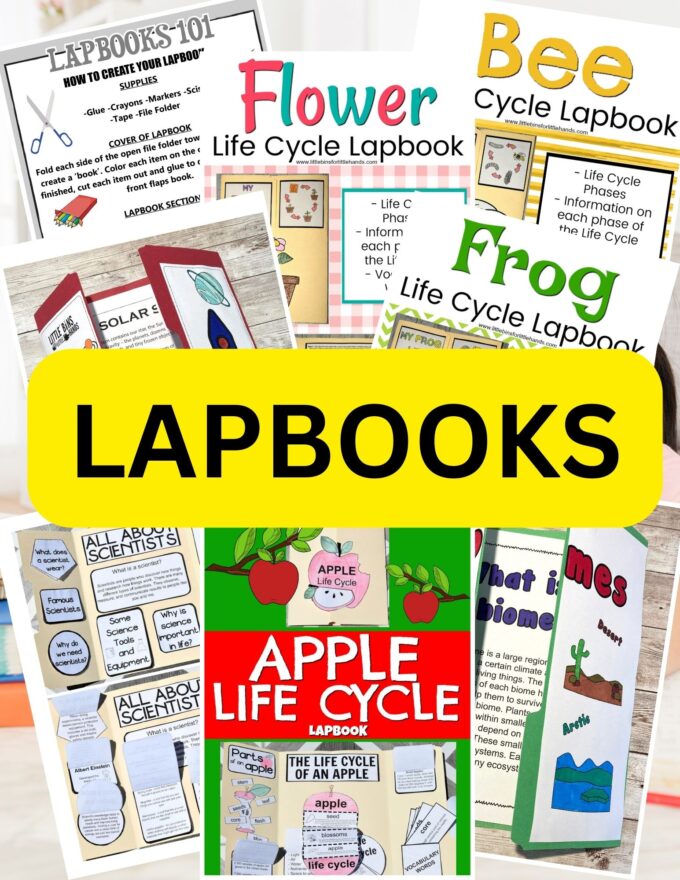
What Is a Lapbook?
A lapbook is a visual, foldable learning tool made from a file folder. Inside, kids glue or tape mini-books, charts, diagrams, and creative flaps to organize what they’ve learned about a topic. Lapbooks help students summarize information and show off their understanding in a fun, interactive way.
A lapbook might include:
- Foldable mini books
- Vocabulary flaps or tabs
- Sorting pockets
- Diagrams or life cycles
- Pop-up charts or lists
Lapbooks are perfect for homeschool projects, unit studies, and classroom centers because they combine creativity, fine motor skills, and learning all in one.
🎥 Watch our Biome Lapbook video to see a lapbook in action!
Lapbook Ideas and Examples
Lapbooks can be used for almost any subject—science, history, geography, or even art! Below are a few of our favorite lapbook ideas. Each one includes free printable templates and kid-friendly instructions.
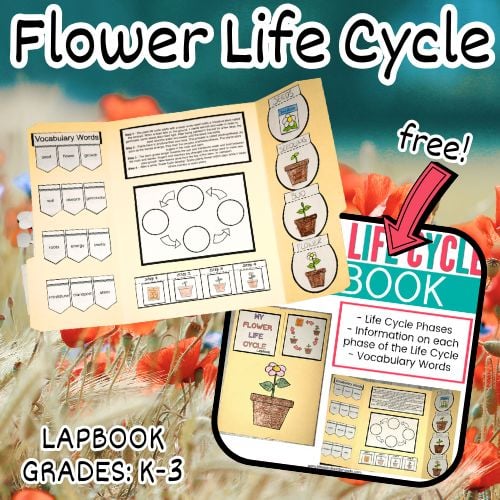
Flower Life Cycle Lapbook
Explore parts of a flower, how a flower grows, and what flowers need as part of a spring science or plant biology unit.
Spider Life Cycle Lapbook
Learn how spiders grow and survive, how they fit into food chains, and why their unique adaptations make them expert hunters.

Turkey Lapbook
A festive and educational Thanksgiving project! Explore the turkey’s anatomy and life cycle with fun, creative foldables.

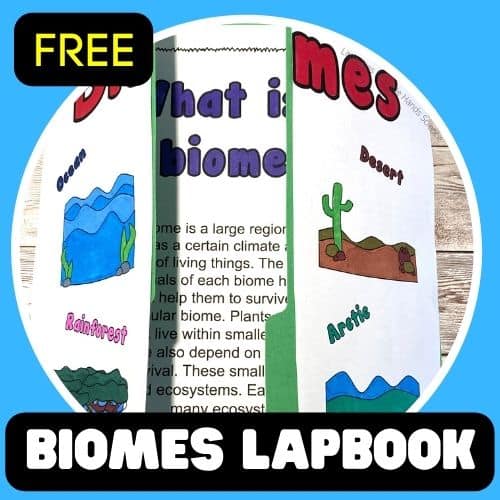
Biomes Lapbook
Explore how climate shapes the plants and animals that live in different parts of the world. Learn what makes each biome unique. Learn about all 8 biomes here.
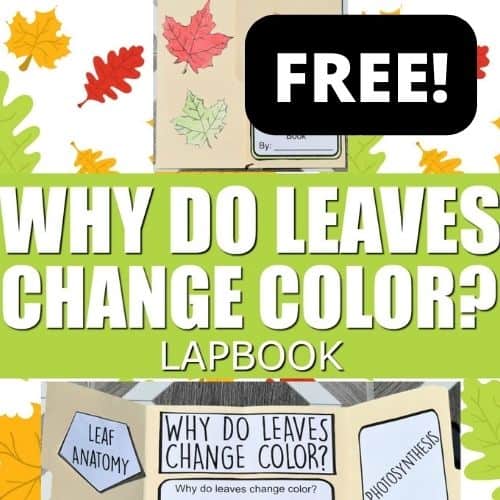
Why Do Leaves Change Color Lapbook
Perfect for fall science! Find out what causes leaves to turn brilliant shades of red, orange, and yellow each autumn.
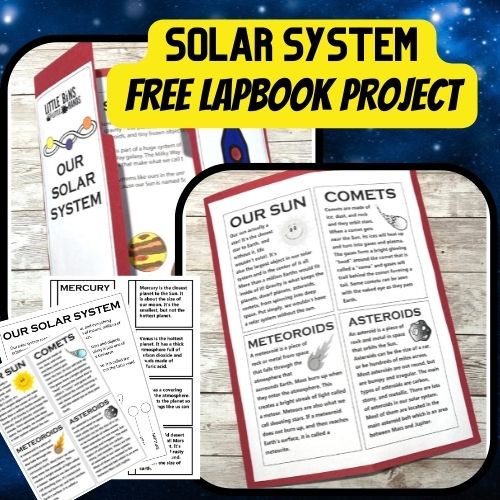
Solar System Lapbook
Learn about the planets and create an interactive space model. Perfect for unit studies or space week.
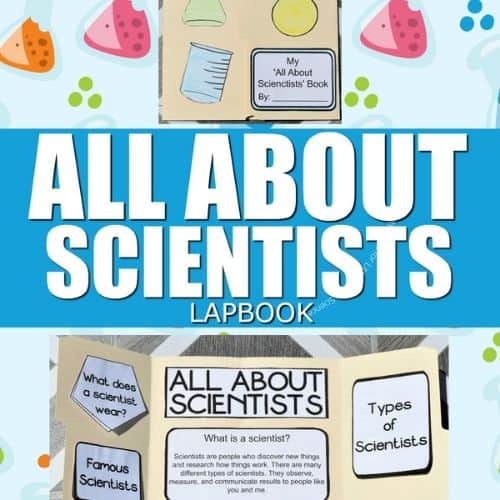
All About Scientists Lapbook
Meet famous scientists and learn what a scientist does! This lapbook connects to our Famous Scientists Pack.
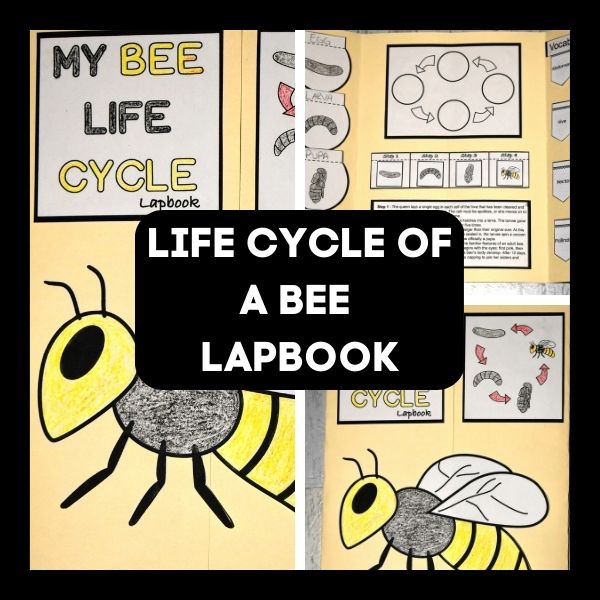
Bee Life Cycle Lapbook
Discover how honey bees grow, work, and help pollinate plants with this buzzing good science activity.
Reptiles Lapbook
Learn about reptiles—from snakes to alligators—and explore their fascinating characteristics.

🧠 Tip: Lapbooks make excellent companion projects for science experiments, reading units, and seasonal learning themes.
How To Make a Lapbook (Step-by-Step)
Creating a lapbook is a simple and budget-friendly process. You only need a few basic supplies!
Materials Needed
- File folder or cardstock
- Printable lapbook templates
- Scissors and glue
- Crayons, markers, or colored pencils
- Optional: double-sided tape, stickers, or construction paper
Instructions
STEP 1. Open the file folder and fold the sides inward to meet in the center, creating two flaps that close like doors.
STEP 2. Design your lapbook cover. Add a title, name, and illustrations for your topic.
STEP 3. Print and cut out your lapbook templates (mini-books, flaps, and labels). Glue or tape them to the inside sections.
STEP 4. Add interactive pieces such as pockets, sliders, or foldables for notes, drawings, or questions.
STEP 5. Review and discuss the topic together! Encourage kids to write a few sentences about what they learned on the back or inside.
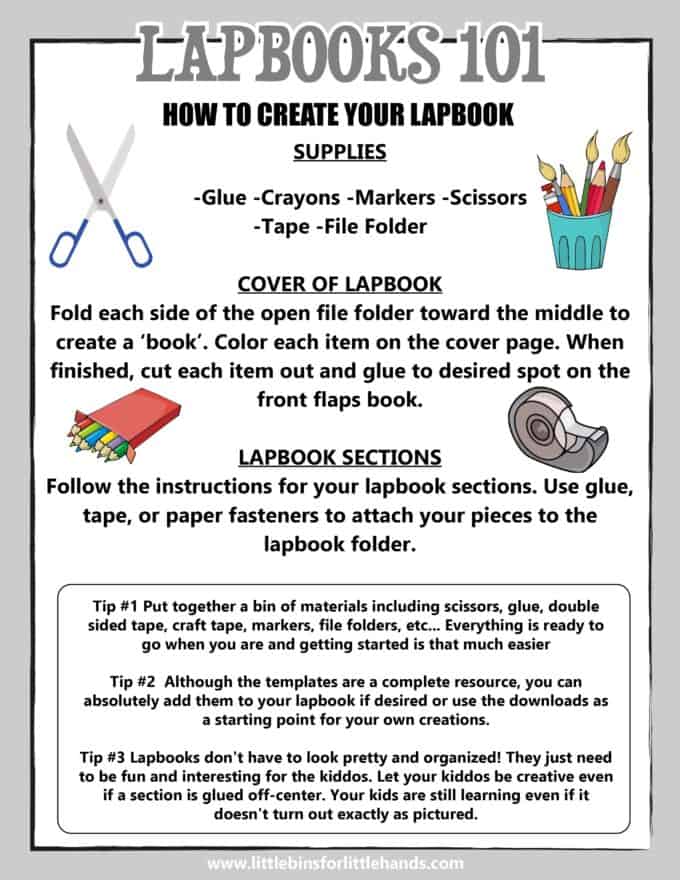
💡 Tip: Lapbooks don’t have to look perfect! Let kids be creative—if a flap is a little crooked, that’s part of the fun and learning. Grab the free Lapbook 101 sheet here.
How To Use Lapbooks with Younger Students
Lapbooks aren’t just for older kids—preschoolers and early elementary students can enjoy them too! Younger children may need more guidance, but they love coloring, cutting, and gluing the pieces.
Tip #1: Prepare a bin of materials (scissors, glue, markers, tape, etc.) so everything is ready to go.
Tip #2: Use the printable templates as-is or modify them with your own creative additions.
Tip #3: Don’t worry about perfection—focus on fun and exploration.
Tip #4: Choose sturdy folders or cardstock so the lapbook lasts longer.
Even the youngest learners can proudly show off what they’ve made while developing fine motor skills and content understanding.
Printable Lapbook Templates
Love the idea, but don’t want to design everything yourself? We’ve done the work for you!
Get started right away with our printable lapbook themes collection, featuring over 16 ready-to-use lapbook themes to complement your lessons. Each one includes foldable elements, flaps, and facts for topics in science, nature, and more.
👉 Get the Printable Lapbook Template Pack here!
Perfect for homeschoolers, classroom teachers, and anyone who loves hands-on learning.
Lapbook FAQs
What age are lapbooks best for?
Lapbooks are ideal for preschool through elementary grades (ages 4–10).
What subjects can you use lapbooks for?
Science, history, geography, reading, and art are all great fits.
Do I need special supplies to make a lapbook?
Nope! Just a file folder, scissors, glue, and printable templates.
How long does it take to make a lapbook?
A simple lapbook can be done in one sitting, or you can build it over several days as part of a larger unit study.
More To Explore
Looking for more hands-on learning ideas? Try these next:
Lapbooks really are a must-have for curious kids! With ready-to-go templates and themed ideas, you’ll have everything you need to make learning creative, interactive, and fun.
Why Use Lapbooks for Learning
Lapbooks make learning visual and engaging. They’re an excellent way to reinforce reading, writing, science, or social studies topics in a hands-on way. Kids take ownership of their projects, and teachers or parents get a simple, organized method for reviewing what was learned.
💡You might also enjoy making scientific models with kids!
Use lapbooks to:
- Explore a single topic, such as animal life cycles or weather.
- Summarize a unit study in science or history.
- Reinforce vocabulary and sequencing.
- Encourage older students to research and present what they’ve learned.
Lapbooks work well for all ages! Younger kids love the cutting and coloring, while older kids enjoy the independence of designing and organizing their own.