

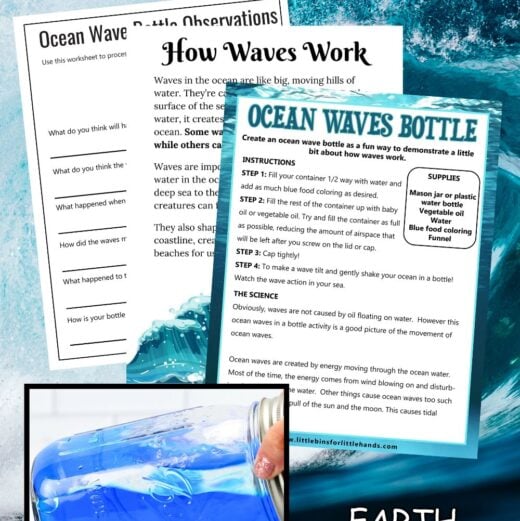
Looking for an easy ocean waves in a bottle activity? This simple wave bottle uses water, oil, and food coloring to show wave-like motion in a clear container.
Kids can tilt the bottle back and forth to watch the “ocean” move. It is a quick ocean science activity for preschool, elementary science, STEM centers, summer camp, or an ocean theme.
This activity works especially well as a simple model for showing that waves are caused by energy moving through water.
Ocean Waves Activity Quick Guide
Science Field: Earth Science / Physical Science
Best For: PreK–4
Time Needed: 10–20 minutes
Topic: Ocean waves, water movement, energy, oil and water
Activity Type: Model/demonstration
👉 Explore all of our Ocean Activities for Kids here
Supplies Needed
- Clear plastic water bottle or mason jar
- Water
- Vegetable oil or baby oil
- Blue food coloring
- Funnel, optional
- Strong tape or hot glue, optional for sealing the lid
Tip: For groups, plastic water bottles work well. If young children are using the bottles, secure the caps tightly and consider sealing them with hot glue or strong tape.
How To Make Ocean Waves In A Bottle
Step 1
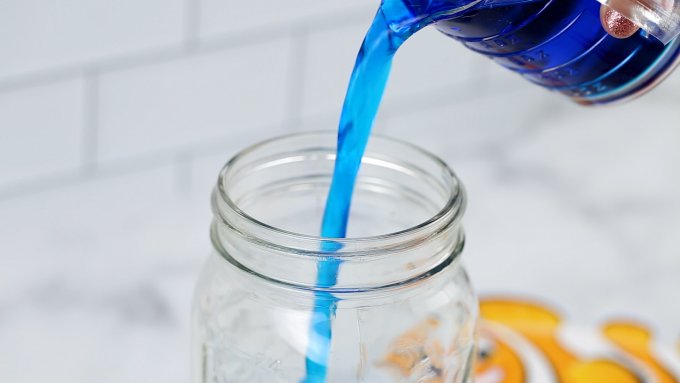
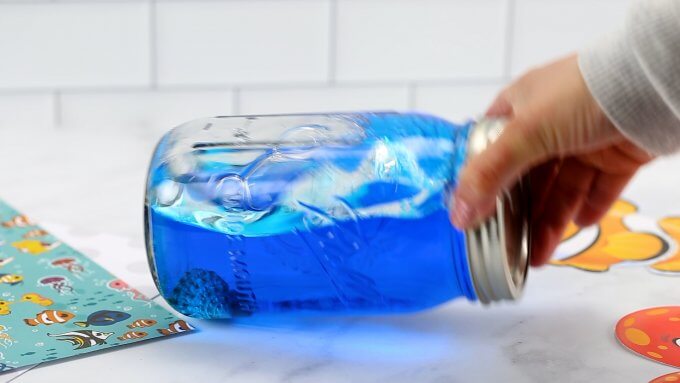
Fill your bottle or jar about halfway with water.
Step 2
Add a few drops of blue food coloring to the water.
Step 3
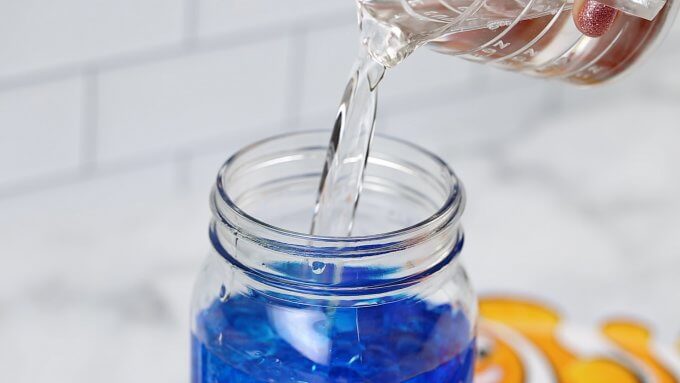
Fill the rest of the container with baby oil or vegetable oil.
🔎 Leave as little air space as possible at the top.
Step 4
Secure the cap tightly.
Step 5
Gently tilt the bottle back and forth to make waves.
🔎 Watch the movement where the oil and water meet.
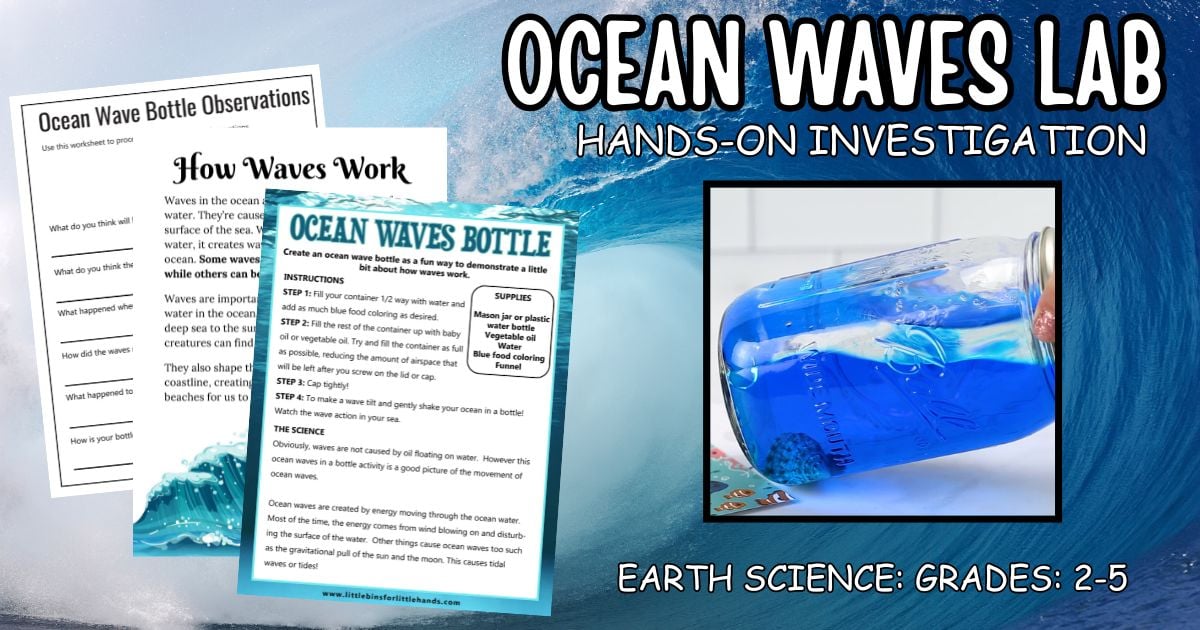
Free Ocean Waves Lab Printable
Want the printable version of this activity?
Grab the free Ocean Waves Lab with a short reading page, wave bottle directions, photo examples, a student recording page, and ocean wave observation questions.
It is an easy way to turn this ocean waves in a bottle activity into a simple mini science lesson for kids.
Tips For Making A Better Wave Bottle
Use these tips to help the activity work well:
- Fill the bottle almost to the top.
- Use a clear bottle so kids can see the wave movement.
- Tilt the bottle gently instead of shaking it hard.
- Avoid rough shaking because it can create lots of bubbles.
- Let the bottle sit if the oil and water mix too much.
🔎 The oil and water will separate again after sitting because they have different densities.

How Does This Wave Bottle Work?
Oil and water do not mix easily. Water is denser, so it stays below the oil. Oil is less dense, so it floats on top.
When kids tilt the bottle, they add energy. That energy moves the water, creating a wave-like motion. The line between the oil and water makes the movement easier to see.
🔎 In the real ocean, waves are usually caused by wind adding energy to the water’s surface. This bottle is a model, so it does not represent real ocean waves, but it does help kids observe how water can move in waves.
What Are Ocean Waves?
Ocean waves are moving energy that travels through water.
Most ocean waves are caused by wind. When wind blows across the ocean surface, it transfers energy to the water. That energy moves through the water, creating waves.
Waves can be small and gentle, or they can become much larger during storms.
The water itself does not travel across the whole ocean in the same way a ball rolls across the floor. Instead, energy moves through the water, creating the up-and-down wave motion we see at the surface.
How Is This Like Real Ocean Waves?
This activity helps kids see that waves need energy.
In the bottle, the energy comes from your hands as you tilt the bottle back and forth. In the ocean, the energy usually comes from wind.
This model is useful because kids can see the water move. However, real ocean waves are much larger and are affected by wind speed, wind direction, storms, water depth, shorelines, and more.
Use this simple sentence with students:
How Waves Can Change Shorelines
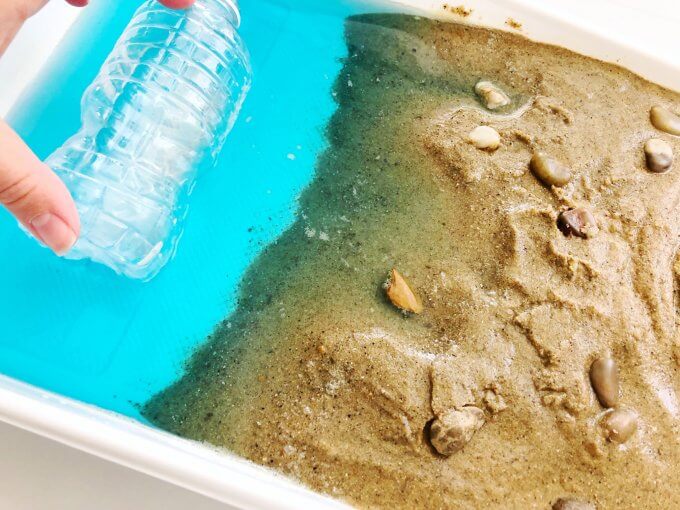
Waves do more than move water. Over time, waves can also change beaches, cliffs, and shorelines.
As waves reach the shore, they can move sand, rocks, and soil. This process is called erosion. Small changes may happen slowly, but storms and strong waves can cause bigger changes in a short amount of time.
After making an ocean wave bottle, try a coastal erosion experiment to show how moving water can shape land.
👉 Coastal Erosion Experiment for Kids
Are Waves, Tides, And Currents The Same?
Waves, tides, and currents all involve moving ocean water, but they are not the same.
- Waves are moving energy that travels through water. They are often caused by wind.
- Tides are the regular rise and fall of ocean water caused mainly by the pull of the moon and the sun.
- Currents are large flows of ocean water moving in one direction.
You can pair this wave bottle with an ocean currents activity to help kids compare different types of ocean water movement.
👉 Ocean Currents Lab for Kids
Ocean Waves In The Ocean STEM + Science Pack
Want to teach ocean waves as part of a fuller ocean science unit?
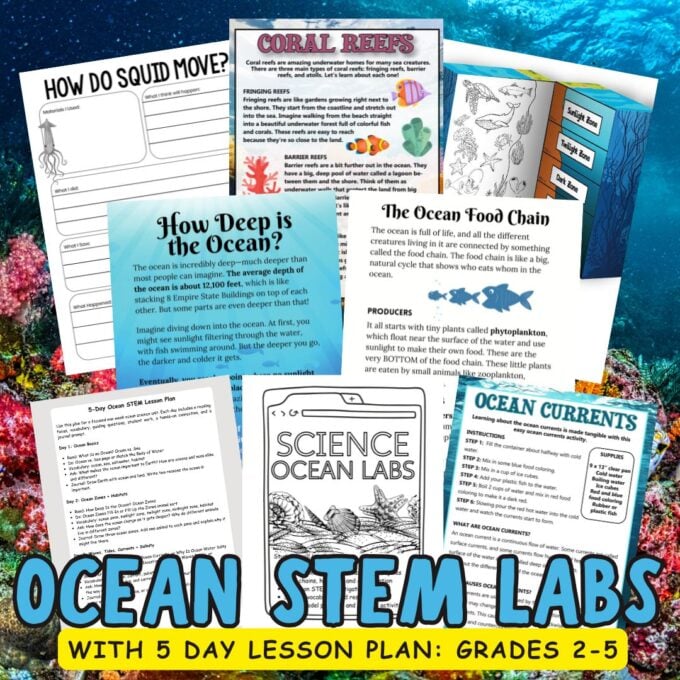
The Ocean STEM + Science Pack for grades 2–5 includes ocean waves, as well as other ocean water movement topics such as tides, currents, salinity, density, and ocean zones.
Students can move from reading and discussion to hands-on ocean science labs and final model projects.
Inside the pack, students explore:
- ocean zones and ocean layers
- waves, tides, and currents
- salinity, density, and water movement
- ocean animals and adaptations
- food chains, pollution, and conservation
- hands-on ocean STEM labs
- ocean triorama, diorama, and coral reef projects
The included 5-day ocean lesson plan, vocabulary, guiding questions, student response pages, and organized sections make it easier to teach ocean science without pulling everything together from scratch.
👉 GET THE OCEAN STEM + SCIENCE PACK
More Ocean Science Activities
Try these ocean activities next:
- Beach Erosion Activity
- Layers of the Ocean
- Oil Spill Cleanup Experiment
- Ocean Acidification: Seashells In Vinegar Experiment
- Ocean Currents Activity
Ocean Waves In A Bottle FAQ
How do you make ocean waves in a bottle?
Fill a clear bottle about halfway with blue water. Add oil to fill the rest of the bottle, secure the cap tightly, and gently tilt the bottle back and forth to make wave motion.
What does an ocean wave bottle show?
An ocean wave bottle shows wave-like movement in water. It helps kids observe how energy can move through water, but it is a model and does not show every part of real ocean waves.
What causes ocean waves?
Most ocean waves are caused by wind. Wind transfers energy to the surface of the water, and that energy moves through the water as waves.
Why do oil and water separate in a wave bottle?
Oil and water separate because they have different densities and do not mix well. Water stays below the oil, while oil floats on top.
Is a wave bottle an experiment or a model?
A wave bottle works best as a model or demonstration. It helps kids see wave motion in a simple, visual way.
What grade is this ocean waves activity best for?
This activity works well for preschool through elementary students. Younger kids can focus on observing the wave motion, while older students can connect it to energy, wind, density, and ocean water movement.

One Comment
Comments are closed.