
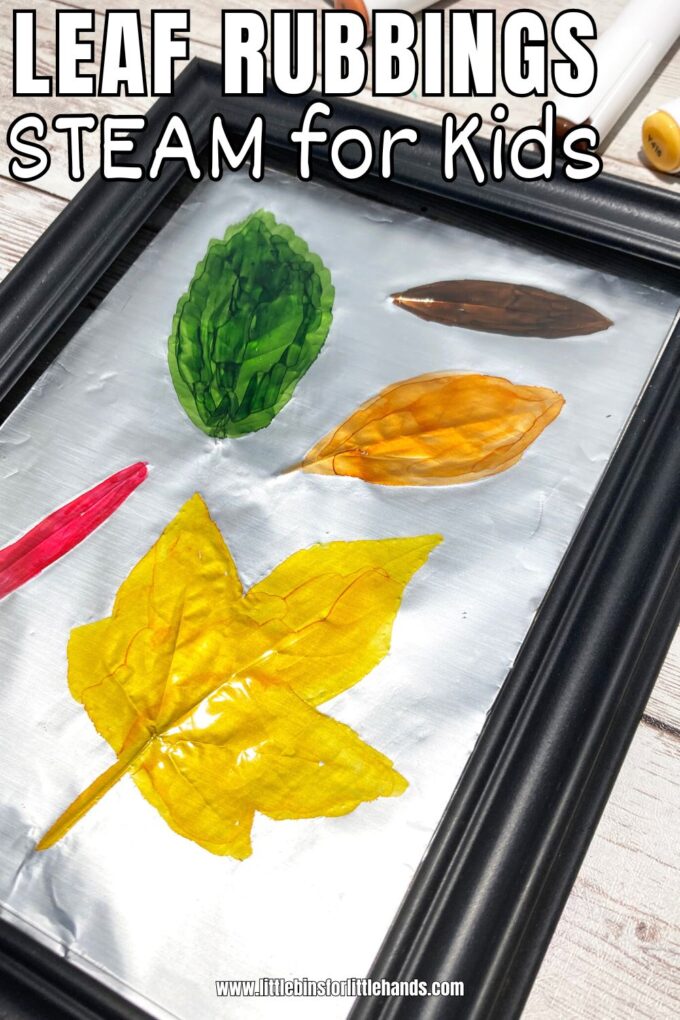
Leaf rubbing is a classic way for kids to explore nature and art. You can learn about leaf structure and texture through a fun and simple fall leaf project. This activity introduces basic botany concepts, such as leaf anatomy.
Leaf Rubbing Activity and STEAM Project
This leaf-rubbing activity goes beyond an art project—it’s a great introduction to botany and a great way to explore seasonal changes. By focusing on the leaf’s structure and textures, kids can understand how different types of leaves help plants survive.
Exploring the parts of the leaf allows kids to connect art and science, creating a perfect STEAM (Science, Technology, Engineering, Art, and Math) project. It is ideal for classroom or home projects.
Supplies You’ll Need:
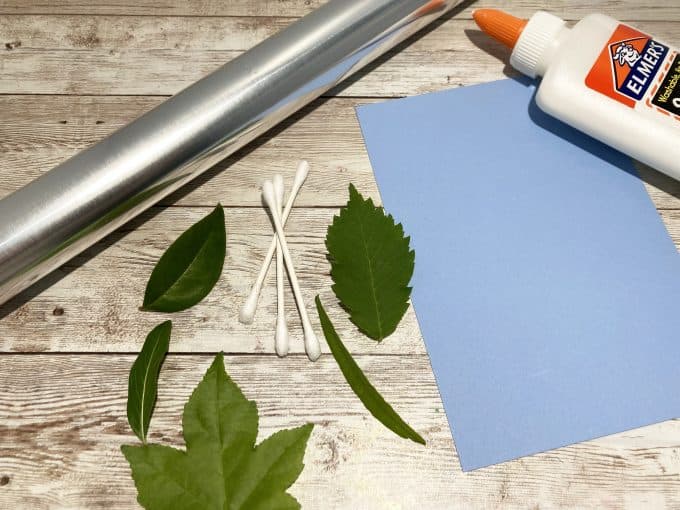
- Various leaves (collect a variety of shapes and sizes)
- Glue
- Card stock
- Aluminum foil
- Tape
- Markers
- Cotton swab
- Paper (optional for crayon rubbings)
- Crayons (optional)
- Watercolors (optional)
Leaf Rubbing Instructions
Below, explore two ways to create leaf rubbings to observe and learn about the leaves in your area.
How to Make Leaf Rubbings with Aluminum Foil:
Collect Your Leaves: Head outside and gather several leaves with different shapes and textures. The variety will help kids see the unique patterns that each leaf makes.
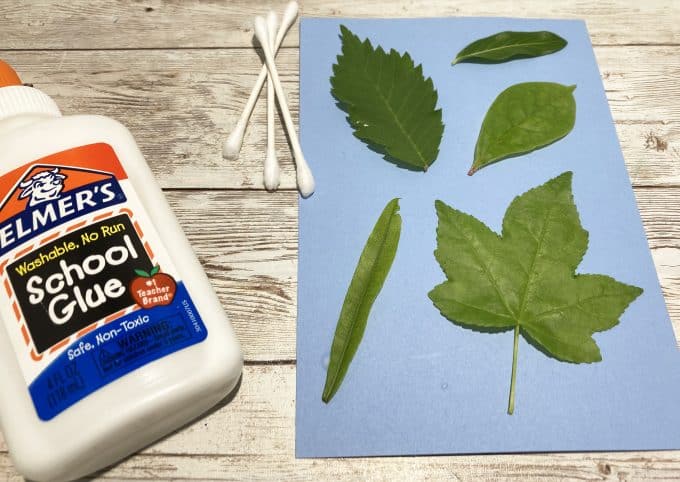
Prepare the Leaf Art: Glue your leaves to a piece of card stock. Make sure they are secure but not overlapping too much.
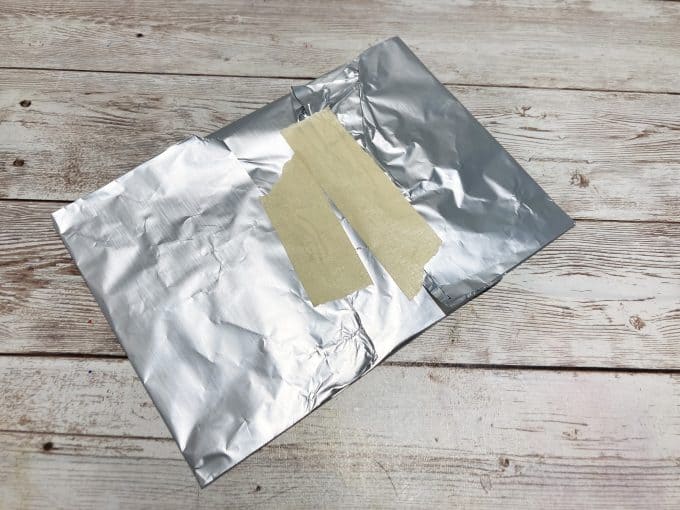
Wrap in Foil: Cover the card stock and leaves with aluminum foil (shiny side down), taping it to the back to hold everything in place.
Rub to Reveal: Using a cotton swab, gently rub over the foil, focusing on the areas where the leaves are placed. As you rub, the leaf shapes and their intricate vein patterns will start to appear.
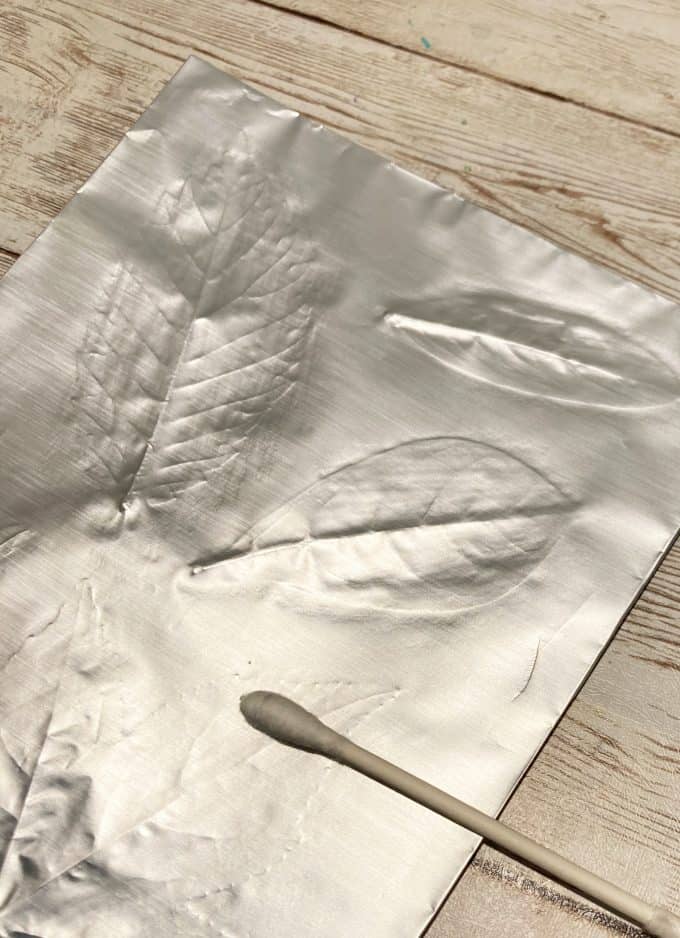
Add Color: Once your leaf rubbings are fully revealed, you can use markers to color in the patterns. Add color lightly to avoid damaging the foil, and watch how the textures pop out even more!
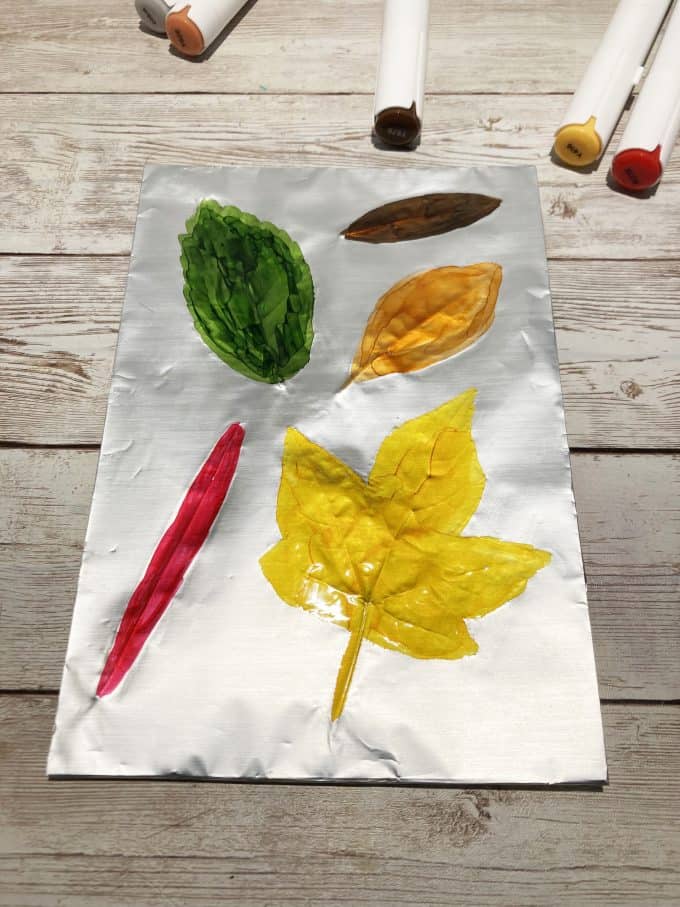
How to Make Crayon Leaf Rubbings:
For a more traditional take on leaf rubbing, try using a sheet of white paper and crayons to create beautiful, colorful impressions of your leaves.
💡 Also, check out our leaf rubbings with crayon resist art!
Collect Your Leaves: Again, collect various leaves with different sizes and shapes to observe their unique textures.
Arrange the Leaves: Place a leaf and vein side up on a flat surface. If needed, you can tape it down lightly.
Cover with a Sheet of Paper: Lay a piece of paper over the leaf, making sure it stays flat.
Rub with Crayon: Peel the paper off a crayon and gently rub the side of a crayon over the paper, focusing on the area where the leaf is underneath. The leaf’s texture and veins will start to appear on the paper.
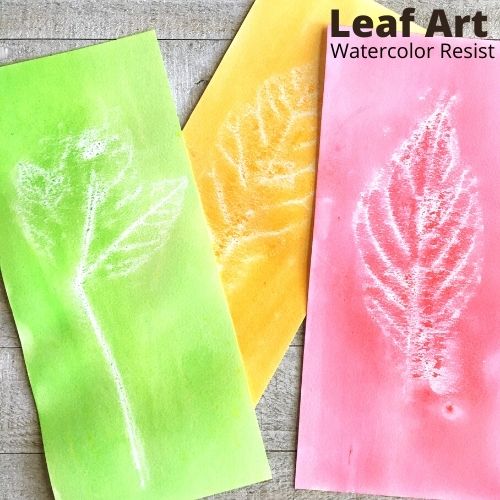
Add Watercolors (Optional): After completing the crayon rubbing, you can paint over the leaf rubbing. The crayon will resist the watercolor, creating a vibrant and dynamic effect! (STEAM)
Science with Leaf Rubbings
While creating these rubbings, kids can learn about the different parts of a leaf:
- Blade: The flat, broad part of the leaf that absorbs sunlight.
- Veins: These carry water and nutrients throughout the leaf.
- Midrib: The central vein that supports the leaf structure.
- Petiole: The stalk of the leaf is called the petiole
Encourage kids to observe the details of the leaf. How do the vein patterns differ from leaf to leaf? This can lead to discussions on how different plants have leaves that help them adapt to their environments. You can also talk about photosynthesis and how leaves play a crucial role in plant feeding. Explore the textures of the leaves by comparing different samples.
Grab our leaf anatomy coloring page to go along with this activity.
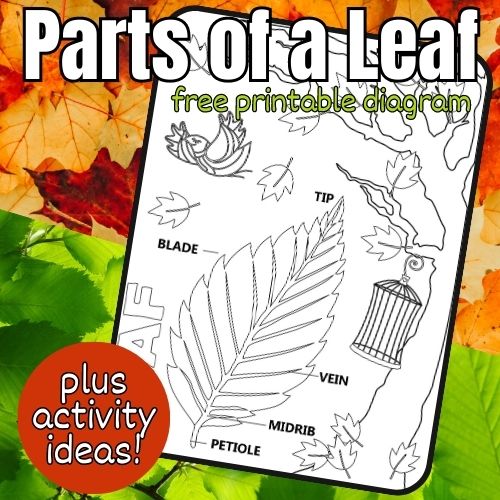
Leaf Print Extension Ideas:
More Fun Leaf Activities
- Crayon resist leaf (STEAM)
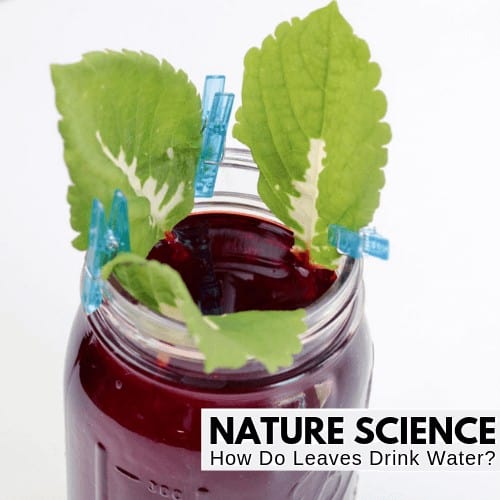
- How do leaves drink water (leaf’s veins)?
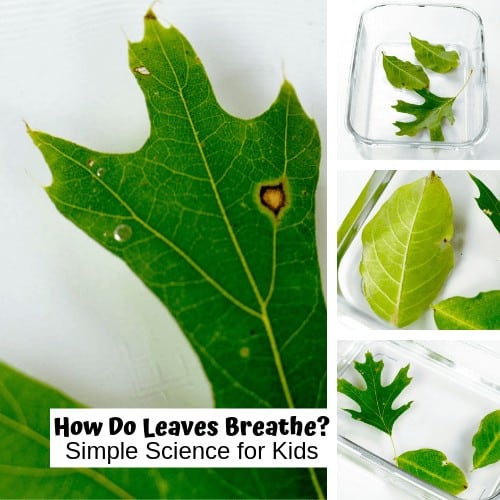
- How do plants breathe?
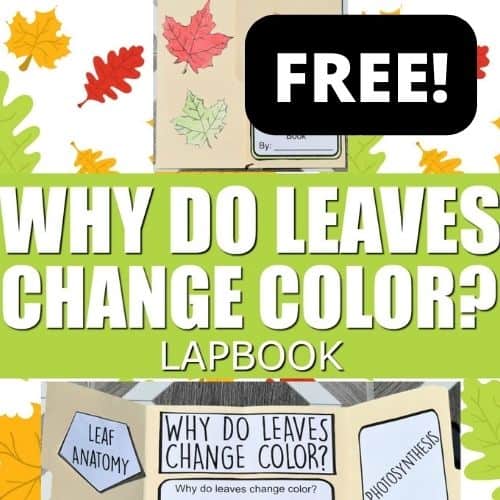
- Why do leaves change color?
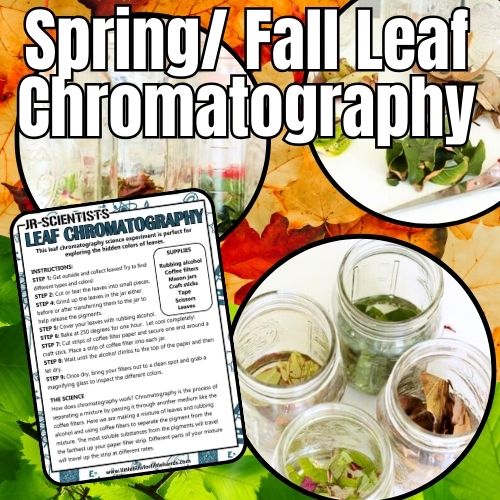
- Leaf chromatography experiment
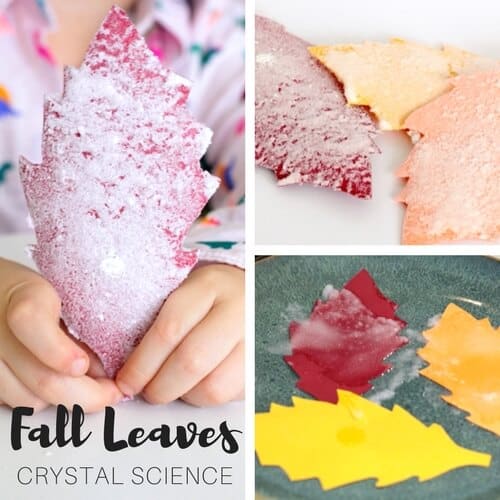
- Salt crystal leaves (STEAM)
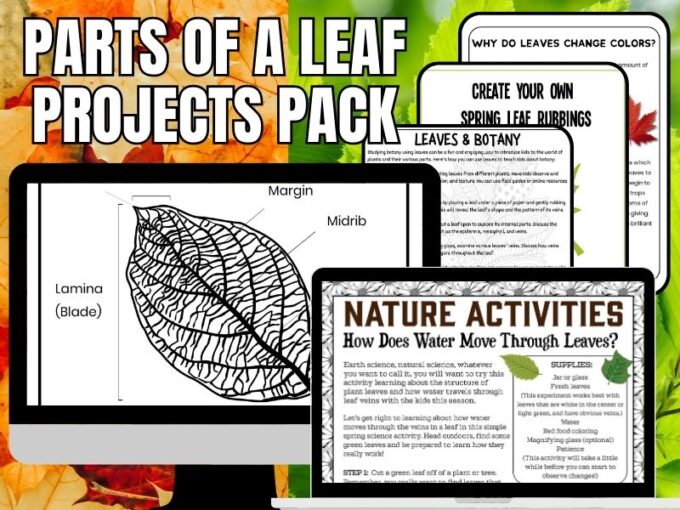
Printable Leaf Project Pack
Explore 20+ Plant Activities for Kids! 🌱 Looking for fun and educational plant-themed activities? This comprehensive Plant Activity Pack is perfect for early elementary school grades, providing hands-on learning experiences that fit any skill level! Whether it’s for fall or spring science lessons, these activities are ideal for classroom and at-home learning. Read more [here].