

Winter might mean a ton of snow in your area, and if it does then the perfect winter science activities are at your fingertips. This snow science experiment with a melting snowman theme is perfect for exploring in and out of the classroom. There’s nothing better than using the changing seasons to set up fun winter science experiments for kids of all ages.
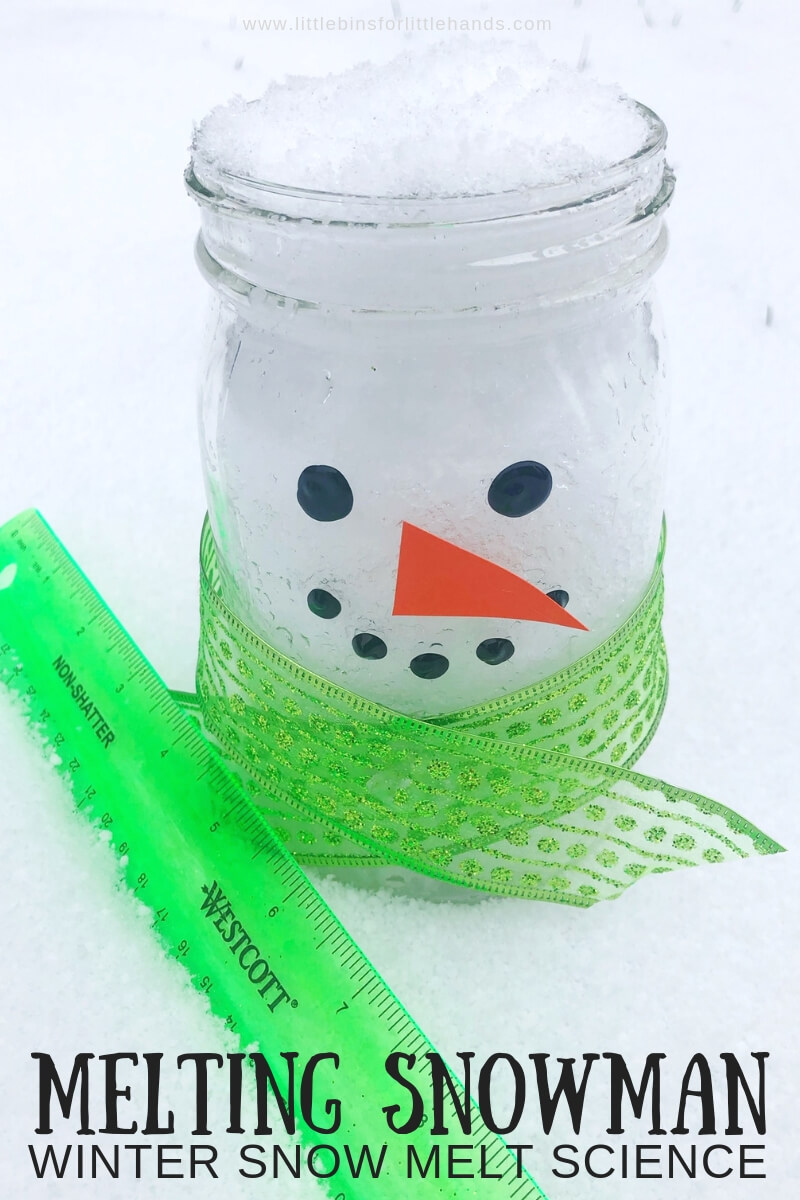
MELTING SNOW EXPERIMENT
If you don’t want to decorate a jar, no worries! You can even consider using a zip-top gallon bag! What else can you do with a zip-top bag? How about making a snowman in a bag sensory activity?
SUPPLIES:
- 32 Oz. Mason Jar, plastic cups or bags
- Black Paint, Sharpies or Markers, Buttons, or Foam Paper
- Orange Foam Paper, Felt or Paper
- Ribbon for Scarf
- Glue (or other adhesive as needed)
- 12″ Plastic Rulers
HOW TO SET UP YOUR SNOW EXPERIMENT
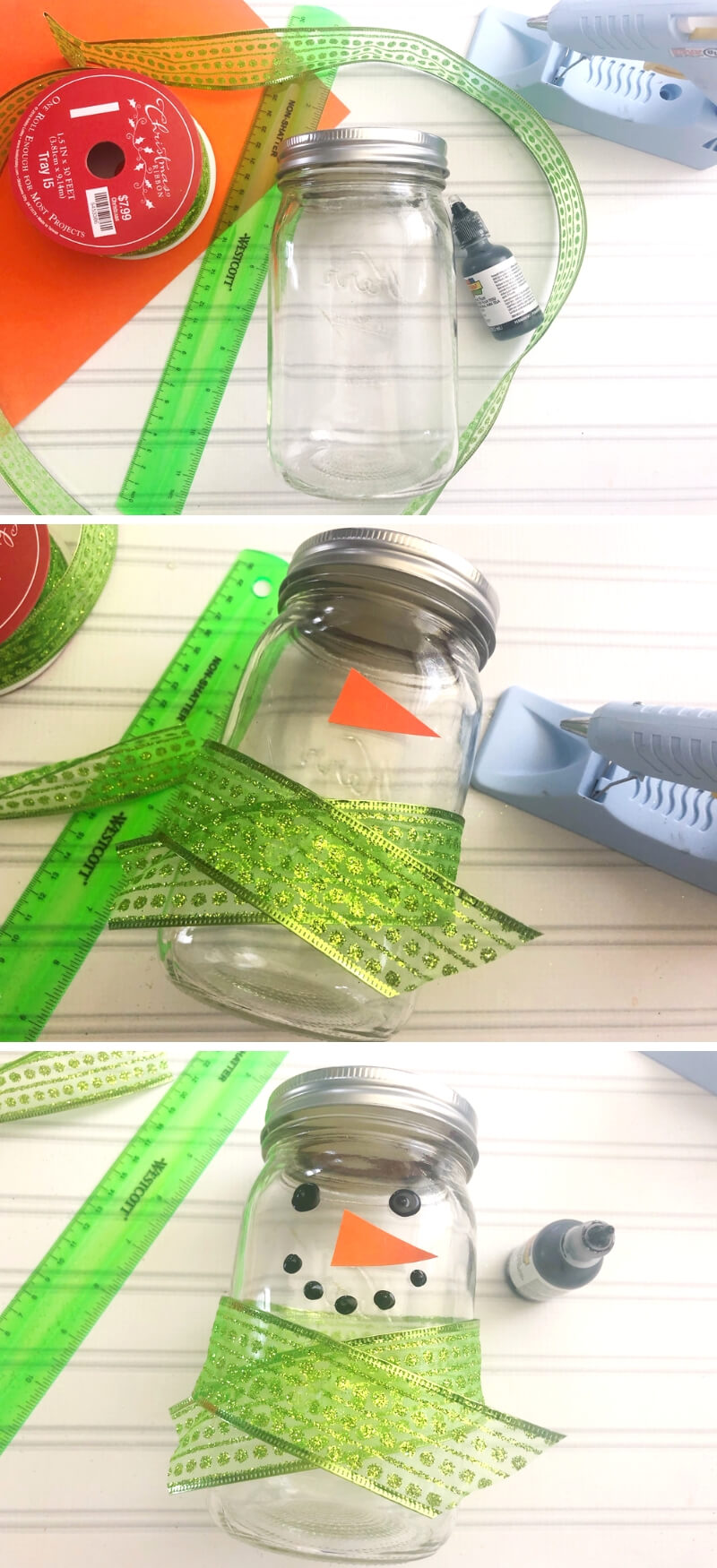
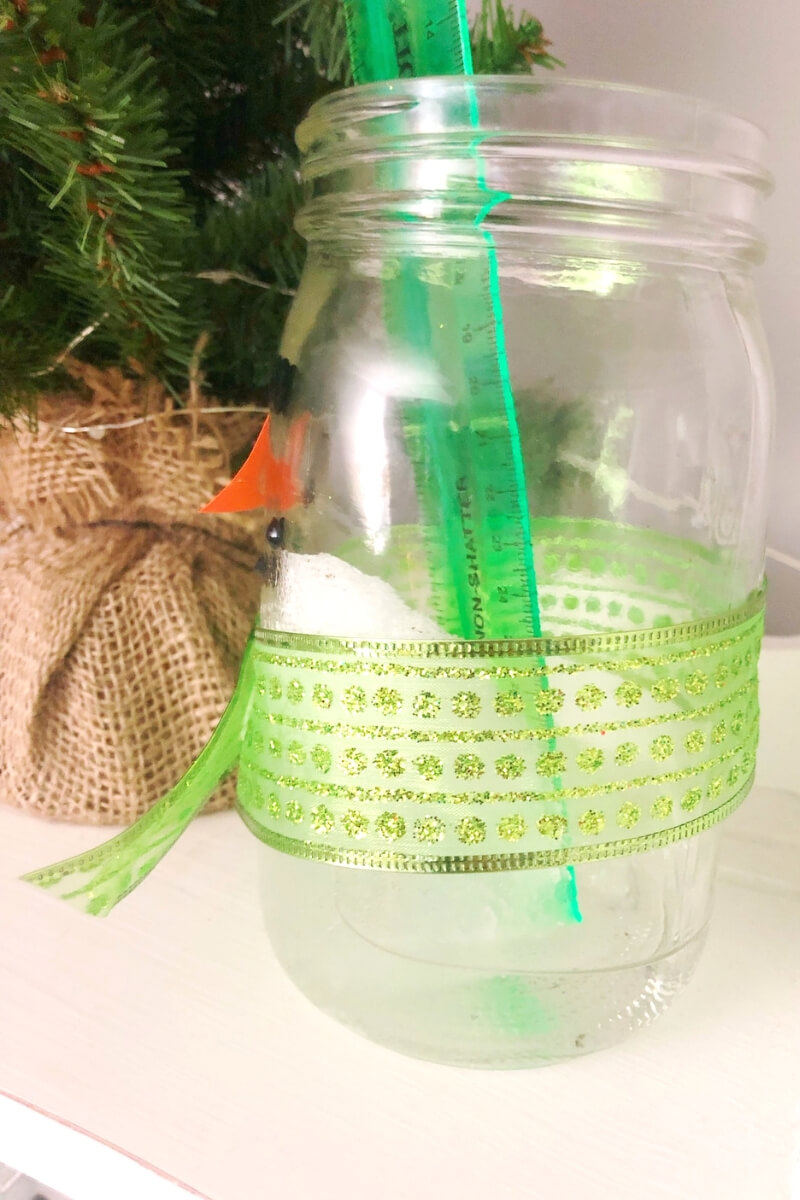
STEP 1. Decorate your jar to look like a snowman.
- Wrap a piece of ribbon around the jar towards the bottom, criss-cross each piece, glue and glue the ends at an angle to look like a scarf.
- Cut a small triangle from a piece of orange paper and glue it towards the top front center of the jar.
- Use the puffy paint to draw eyes and a mouth by the nose and let dry overnight.
NOTE: Depending on your needs, you could separate this activity into two parts; decorating the jar and conducting the experiment. You could also decorate after going outdoors as well.
STEP 2. Grab some scoops, your jars, jacket, and mittens, and head outside. Note whether the snow is wet and heavy or light and powdery.
STEP 3. Fill up the jar with snow, wipe the outside dry and bring it inside the house.
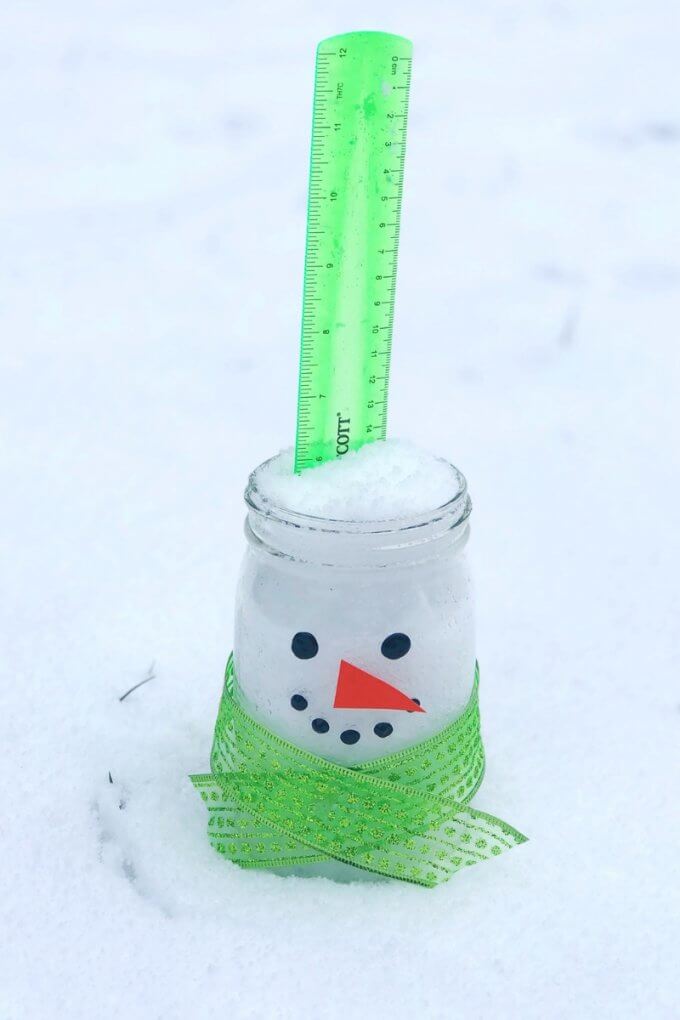
STEP 4. Place a ruler into the jar and press it down to the bottom.
Let’s add the math part to this melting snow science activity to create excellent winter STEM! Plastic rulers are the best option since you want to leave the rulers in the jar and observe the melting.
STEP 5. Measure the snow. You can set your snowman aside (maybe not right next to a heating vent) and watch what happens over time. Check on it periodically (you can make a specific time check, like every 5 minutes or 10 minutes), and have the kids jot down the time elapsed and the new measurement. Record the final size as well.
We started with 6 inches of snow in a 32-oz jar and ended with 1 inch of water in a 32-oz jar.
SNOW EXPERIMENT VARIATIONS
Turn this snow science activity into a snow science experiment by changing one variable, the location.
Experiment 1: Which jar of snow will melt faster?
Fill several jars and measure the same amount of snow into each one. Leave a jar outside, put a jar in the fridge and freezer, leave one on the counter, and put one by the heater. Let your kids decide locations and have them make predictions as to which will melt the fastest! Record measurements for each along the way.
Experiment 2: What type of snow melts faster?
You can also set up another type of experiment with different types of snow. As I mentioned above, note the kind of snow you collected. Is it wet and heavy snow (better for snowballs). Or is it dry and powdery snow (not so great for snowballs). If possible, try this snow science activity on another day with the different types of snow and note the difference in measurements!
Experiment 3: What makes ice melt faster?
Check out our ice melting experiment, where we tested whether salt makes ice melt faster.
Is Snow a Solid?
Melting snow is an example of states of matter and physical change! Many great science concepts are happening in this super simple melting snow activity with a cute snowman theme, including states of matter! Yes, snow is considered a solid.
First, you can explore states of matter! Water exists in all three states of matter: solids, liquids, and gasses. Snow is a solid, rain is a liquid, and water vapor is a gas.
—> Try this fun Hot Cocoa States of Matter sheet.
Also, you can look at density and volume. Snow is matter, and density is the weight something has compared to the volume or space the matter takes up! Snow is less dense than water (same as ice). Snow also floats! Give it a try.
The molecules in the water move closer together as the temperature drops below freezing (32 degrees), and ice crystals form. Ice crystals or snowflakes take up more space than flowing water molecules. Get your kids to see whether there is a greater volume or less in the jar after melting.
—> Check out our free How To Draw A Snowflake activity pack
Is snow melting a physical or chemical change?
Once the snow is brought inside or the temperature rises, the snow begins to melt, and those tightly packed molecules become loosely packed molecules in water. Placing the containers in a different location will speed up or slow down the process.
—> Melting snow is a physical change, but reversible since water will become snow or ice again one day!
MORE FUN SNOW ACTIVITIES
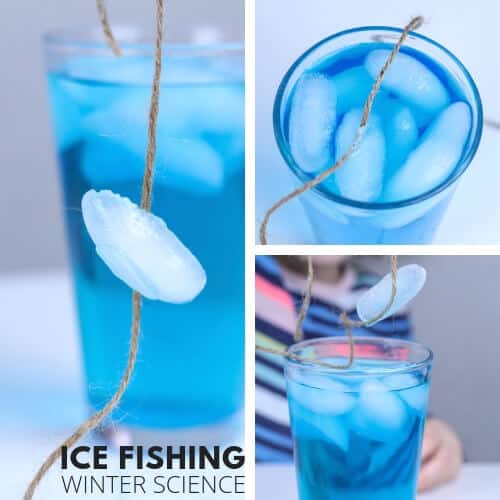
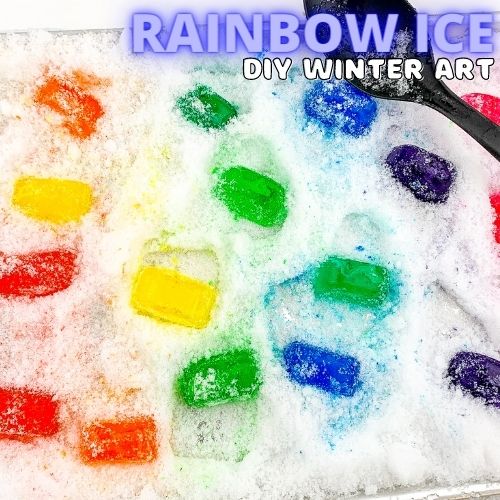
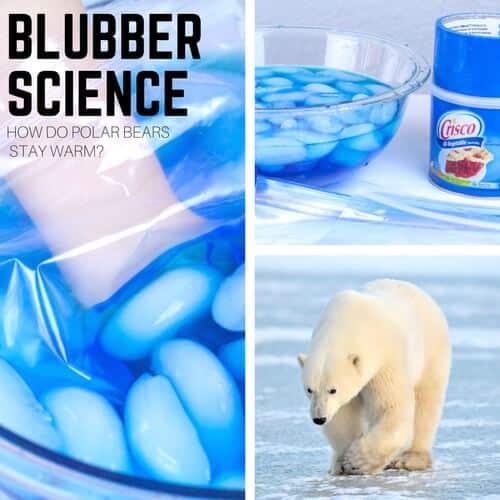
Printable Winter STEM Pack
Even if you don’t live in a snowy winter climate, there are many ways to explore the season!
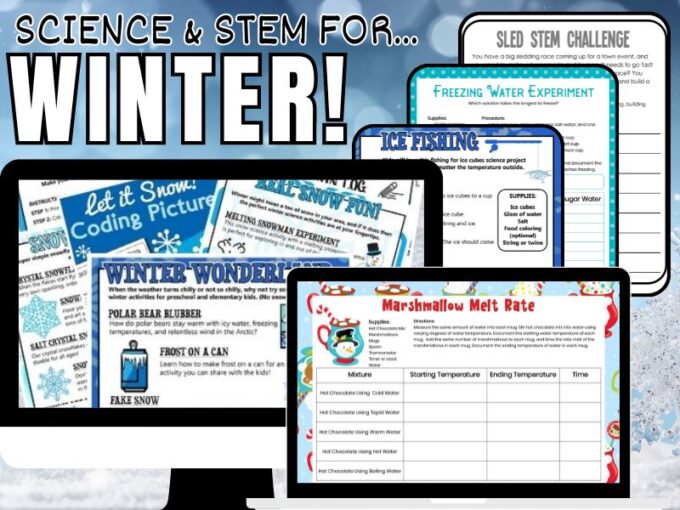
WHAT’S INSIDE? You’ll find 250+ Pages of Winter theme projects for science, STEM, and art!
- 25+ Winter science activities and STEM projects for kids that are easy to set up and fit into the time you have available even if it’s limited! NEW: Observation sheets for activities.

2 Comments
Comments are closed.