

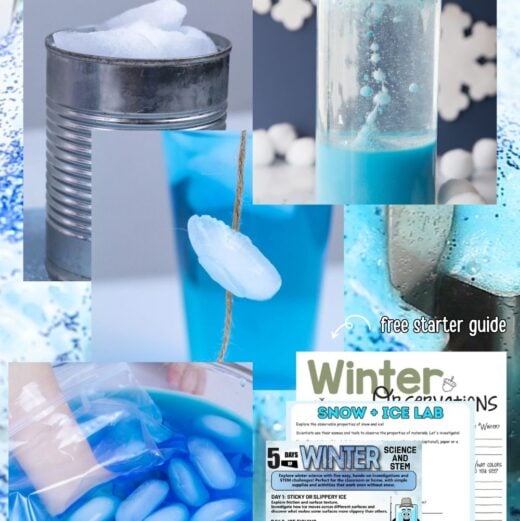
Explore winter science experiments and STEM activities for kids with easy hands-on projects using ice, snow, water, and everyday supplies! From freezing and melting to winter weather, animal adaptations, and chemical reactions, these activities make science fun for preschool, kindergarten, and elementary students.
Whether you’re planning classroom science lessons, homeschool activities, or winter STEM centers, you’ll find plenty of ways to explore the season. Many of these experiments work indoors without real snow!
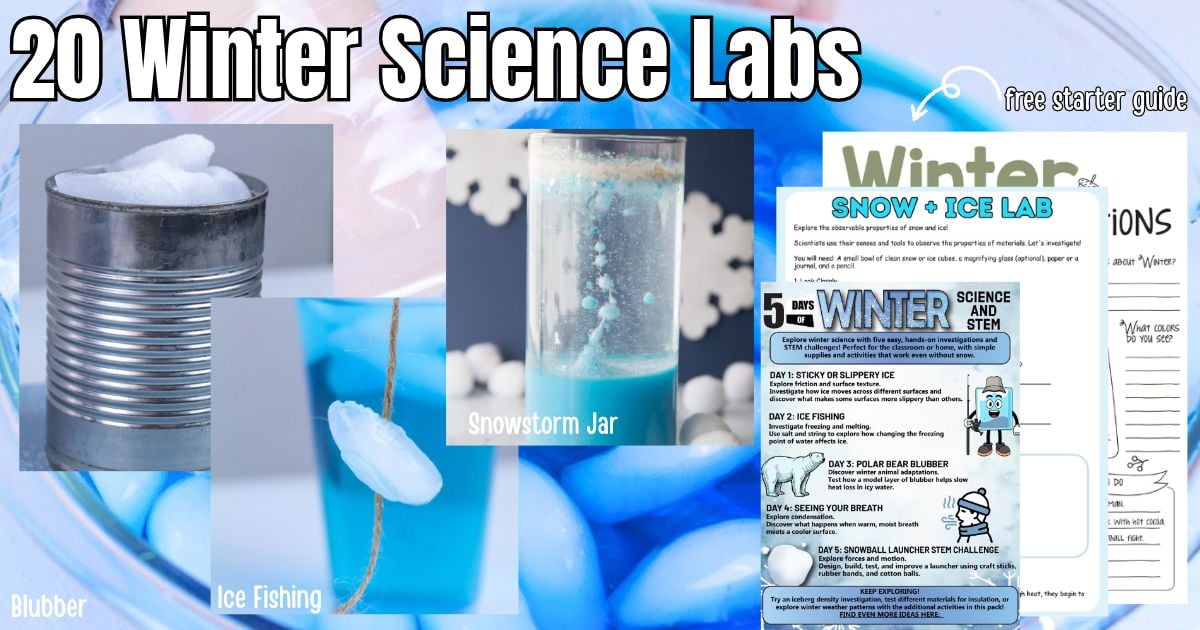
Start With These Easy Winter Science Experiments
Try these three simple winter science experiments using everyday supplies. No snow needed!
Ice Fishing Experiment
Can you lift an ice cube with string? Add salt to explore freezing and melting.
👉 Ice Fishing Experiment
Frost on a Can
Make frost appear on a metal can using ice and salt. Explore how ice crystals form on cold surfaces.
👉 Frost on a Can Experiment
Polar Bear Blubber Experiment
Discover how blubber slows heat loss with a simple shortening and plastic bag experiment.
👉 Polar Bear Blubber Experiment
Free 5-Day Winter Science & STEM Plan
Want an easy way to explore winter science throughout the week? Our free 5-Day Winter Science & STEM Plan features five hands-on activities using simple supplies.
- Day 1: Sticky or Slippery Ice — Explore friction and discover why ice can be slippery.
- Day 2: Ice Fishing — Investigate freezing, melting, and how salt changes the freezing point of water.
- Day 3: Polar Bear Blubber — Test how a model layer of fat helps slow heat loss.
- Day 4: Seeing Your Breath — Explore condensation using a cool surface.
- Day 5: Snowball Launcher — Design, build, test, and improve a winter STEM creation.
You’ll also receive a Winter Observations printable and Snow/Ice Lab to help kids notice seasonal changes, record what they see, and explore winter outdoors.
👉 FREE PRINTABLE: Get the 5-Day Winter Science & STEM Plan + Winter Observations Page!
What Science Concepts Can Kids Explore in Winter?
Winter offers plenty of opportunities to explore science concepts in a way kids can see and experience for themselves.
- States of matter: Observe water freezing into ice and ice melting back into water.
- Temperature and heat transfer: Investigate how warmth moves between objects and materials.
- Chemical reactions: Explore fizzing, bubbling, and changes in materials.
- Density and buoyancy: Discover why ice floats and how salt changes water density.
- Weather and seasonal changes: Observe daylight, precipitation, and temperature patterns.
- Animal adaptations: Learn how animals use insulation and other strategies to survive cold conditions.
The activities below offer ways to explore these concepts with simple experiments, science investigations, and winter-themed STEM challenges.
Snow and Ice Science Experiments
Explore freezing, melting, temperature, and states of matter with these hands-on snow and ice science experiments. Some use real snow, while others work indoors with ice cubes!
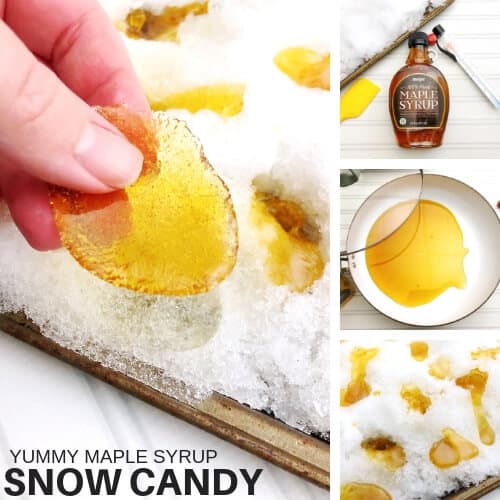
Snow Candy Experiment
Turn fresh, food-safe snow into maple syrup candy! Watch how hot syrup cools and changes when it meets freezing snow.
👉 Make Snow Candy
Snow Ice Cream
Make a tasty winter treat using clean snow collected safely for food preparation. Observe how snow changes as ingredients are mixed together.
👉 Snow Ice Cream Recipe
Snow Volcano Experiment
Build a snow volcano and add baking soda and vinegar for a colorful, fizzing chemical reaction. A fun way to explore gas production outdoors!
👉 Snow Volcano Experiment
Melting Snow Science
What happens when snow melts? Collect snow, measure how much water remains after melting, and compare your predictions with the results.
👉 Melting Snow Experiment
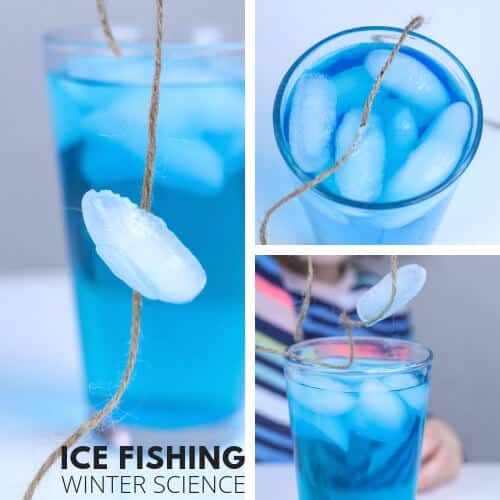
Ice Fishing
Can you lift an ice cube with string? Add a pinch of salt and investigate freezing, melting, and refreezing.
👉 Ice Fishing Science Experiment
Frozen Bubble Experiment
Can bubbles freeze? Head outside on a very cold day and watch icy patterns form on the surface of bubbles.
👉 Frozen Bubble Experiment
Ice Melting Experiment
Which material melts ice the fastest? Test salt and other everyday substances, make predictions, and compare the results.
👉 Ice Melting Experiment
Melting Ice Cube Race
Does the surface beneath an ice cube affect how quickly it melts? Compare different materials to investigate heat transfer.
👉 Melting Ice Cube Race

Sticky or Slippery Ice
Why is ice slippery? Test how ice moves across different surfaces and explore friction and surface texture.
👉 Sticky or Slippery Ice Experiment
Observable Properties of Snow
Investigate real snow using your senses and simple tools. Observe its texture, temperature, and appearance, then record how it changes.
👉 Observable Properties of Materials
Winter Chemistry Experiments
Winter is a fun time to explore chemistry! Try colorful reactions, interesting mixtures, and hands-on activities that help kids investigate how different materials behave.
Frosty’s Magic Milk
Give the classic magic milk experiment a snowman theme! Add food coloring and dish soap to explore how soap interacts with milk.
👉 Frosty’s Magic Milk Experiment
Fizzing Snowflakes
Make fizzing snowflakes with baking soda and vinegar. Watch the bubbles form as the ingredients react and release carbon dioxide gas.
👉 Fizzing Snowflakes Experiment

Snow Slime Recipes
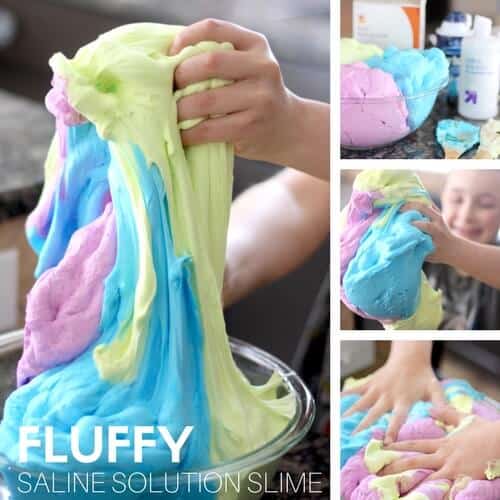
Explore polymers with winter-themed slime! Stretch, squeeze, and compare different slime recipes to investigate their properties.
👉 Snow Slime Recipes
Snowflake Oobleck
Is it a liquid or a solid? Mix cornstarch and water to explore how oobleck behaves differently when you squeeze, tap, or pour it.
👉 Snowflake Oobleck Activity
Hot Chocolate Science
Turn a cozy winter drink into a science investigation! Explore states of matter, dissolving, and temperature with a hot chocolate theme.
👉 Hot Chocolate States of Matter

Temperature, Insulation, and Heat Transfer
How do things stay warm in winter? These simple experiments help kids investigate temperature changes, heat transfer, and how different materials slow heat loss.
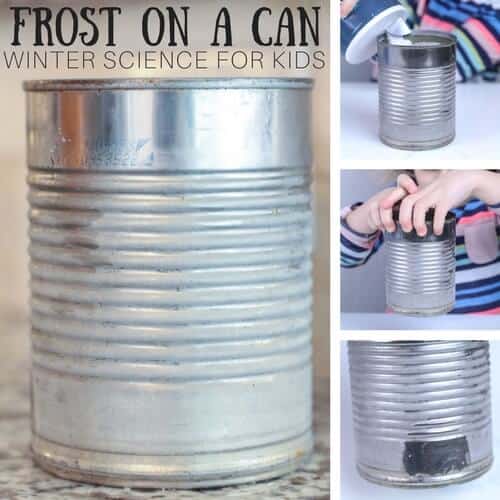
Frost on a Can
Make frost appear on a metal can using ice and salt. Discover how water vapor can form ice crystals on a freezing surface.
👉 Frost on a Can Experiment
DIY Thermometer
Build a simple model thermometer and observe how the liquid inside responds to temperature changes.
👉 DIY Thermometer Experiment
Experiment With Insulation
Which materials slow heat loss most effectively? Test different insulating materials, measure temperatures, and compare the results.
👉 Insulation Experiment for Kids
Winter Clothing Insulation Experiment
Why do winter coats keep us warm? Compare clothing materials and explore how trapped air helps slow heat loss.
👉 Winter Clothing Insulation Experiment

Animals and Winter Survival Science
How do animals survive freezing temperatures? Explore blubber, insulation, hibernation, and other winter adaptations with these hands-on animal science activities.
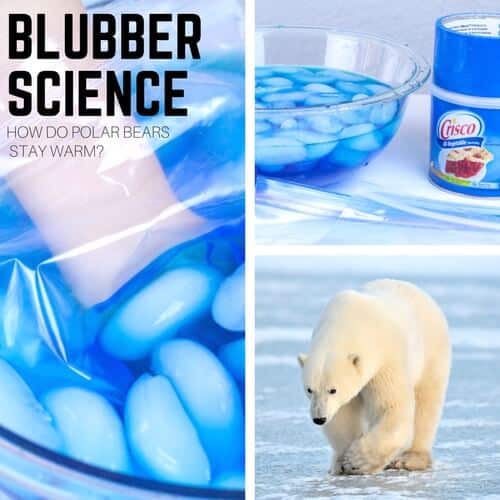
Blubber Science Experiment
Discover how seals, whales, and polar bears stay warm in icy environments. Use a model blubber glove to investigate insulation.
👉 Polar Bear Blubber Experiment
Winter Animal Adaptations Experiment
Compare materials that represent fur, feathers, and blubber to explore how animal adaptations help reduce heat loss.
👉 Winter Animal Adaptations Experiment
Winter Food Chain Activities
How do animals find food in winter? Explore winter food chains and discover how seasonal changes affect plants and animals.
👉 Winter Food Chain Activities

Hibernation Activities
Why do some animals hibernate? Learn how animals conserve energy and survive periods of cold weather and limited food.
👉 Hibernation Activities for Kids
Winter Weather and Earth Science
Winter offers plenty of opportunities to observe weather, investigate the water cycle, and explore seasonal changes. Try these easy Earth science activities indoors or outside.
Winter Weather Activities
Track temperature, clouds, wind, and precipitation. Record daily observations and look for patterns in winter weather.
👉 Winter Weather Science Activities

Snow Water Cycle
Does the water cycle stop in winter? Explore evaporation, condensation, precipitation, freezing, and melting with a winter-themed investigation.
👉 Winter Water Cycle Activity
Iceberg Density Experiment
Why do icebergs float? Compare ice in freshwater and saltwater to investigate density and buoyancy.
👉 Iceberg Density Experiment
Winter Solstice Science
Explore the shortest day of the year in the Northern Hemisphere! Investigate how Earth’s tilt affects daylight, shadows, and seasonal changes.
👉 Winter Solstice Activities for Kids
Crystal and Snowflake Science
Snowflakes and crystals are perfect for exploring patterns, symmetry, and crystal growth. These winter science and STEAM activities combine observation with creativity.
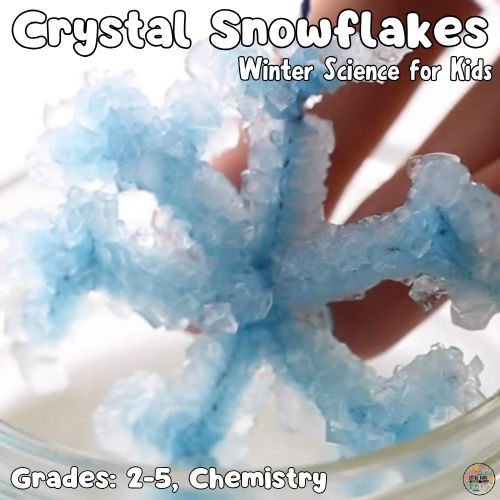
Crystal Snowflakes
Grow sparkling crystals on pipe cleaner snowflakes. Observe how crystals form and change over time.
👉 Crystal Snowflakes Experiment
Salt Crystal Snowflakes
Make salt crystal snowflakes and watch crystals develop as water evaporates. Compare their shapes and patterns.
👉 Salt Crystal Snowflakes
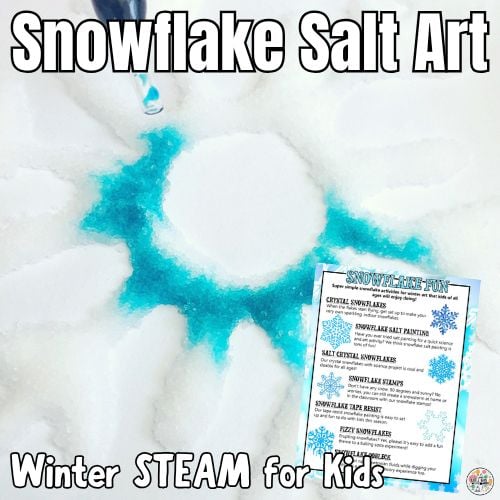
Snowflake Salt Painting
Combine science and art with colorful salt painting. Explore absorption and how colored water spreads through salt.
👉 Snowflake Salt Painting
Coffee Filter Snowflakes
Fold and cut coffee filters to explore symmetry and create unique snowflake designs.
👉 Coffee Filter Snowflakes
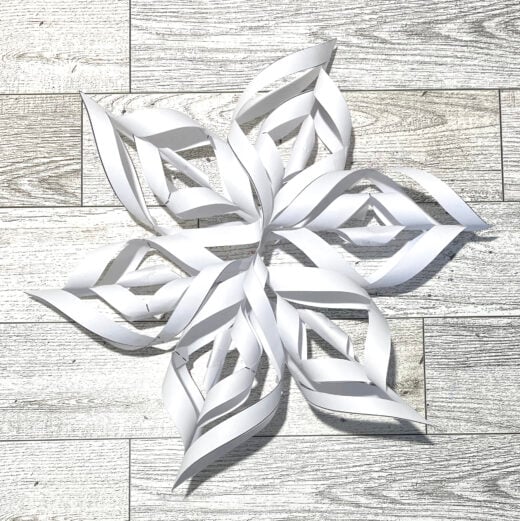
3D Paper Snowflakes
Turn flat paper into three-dimensional snowflakes! Explore spatial thinking and simple paper engineering with this winter STEAM project.
👉 3D Paper Snowflakes
💡Want more ideas? Explore our collection of snowflake activities, including crystal growing, symmetry, and printable projects.
👉 More Snowflake Activities
Winter Nature Science Activities
Winter is a wonderful time to explore the natural world, even without snow! Look for animal tracks, observe birds, investigate evergreens, and notice how plants and animals respond to seasonal changes.
Try making birdseed ornaments, setting up a bird-watching station, or keeping a simple winter nature journal. Encourage kids to sketch their discoveries and compare observations throughout the season.
👉 Bird Activities for Kids

Winter STEM Engineering Challenges
Put science into action with winter-themed engineering challenges! Kids can design, build, test, and improve their creations while exploring force, motion, and problem-solving.
Snow Shovel STEM Challenge
Can you design a miniature shovel that moves snow efficiently? Build, test, and improve your design using simple materials.
👉 Snow Shovel STEM Challenge
Snowball Launcher STEM Challenge
Build a launcher for cotton ball snowballs! Experiment with force, distance, and launch angles to improve your design.
👉 Snowball Launcher STEM Challenge

Can Winter Science Activities Be Used as Science Fair Projects?
Yes! Many winter science experiments can become science fair projects by changing one variable, measuring results, and repeating the investigation.
For example, students can compare which insulating material slows heat loss most effectively, which surface melts ice fastest, or how salt affects water density.
Encourage kids to begin with a question, make a prediction, conduct a fair test, record their observations, and use evidence to explain the results.
👉 Learn How to Use the Scientific Method
Winter Science Experiments FAQ
What age are winter science experiments best for?
These activities work well for preschool through elementary students. Younger children can focus on simple observations and sensory exploration, while older students can measure results, compare variables, and explain scientific concepts.
Do winter science activities require real snow?
No! Many winter science experiments work indoors using ice cubes, water, salt, and everyday supplies. Outdoor snow experiments are a fun addition when conditions allow.
What science concepts can kids learn in winter?
Winter science introduces freezing, melting, temperature, heat transfer, chemical reactions, density, buoyancy, weather, and animal adaptations.
Can these activities be used in the classroom?
Absolutely! Choose short investigations for science centers, use the five-day plan for a week of lessons, or extend individual experiments into longer science projects.
How can I make winter science activities more educational?
Encourage students to make predictions, observe carefully, record measurements, look for patterns, and explain what happened using evidence from their experiments.
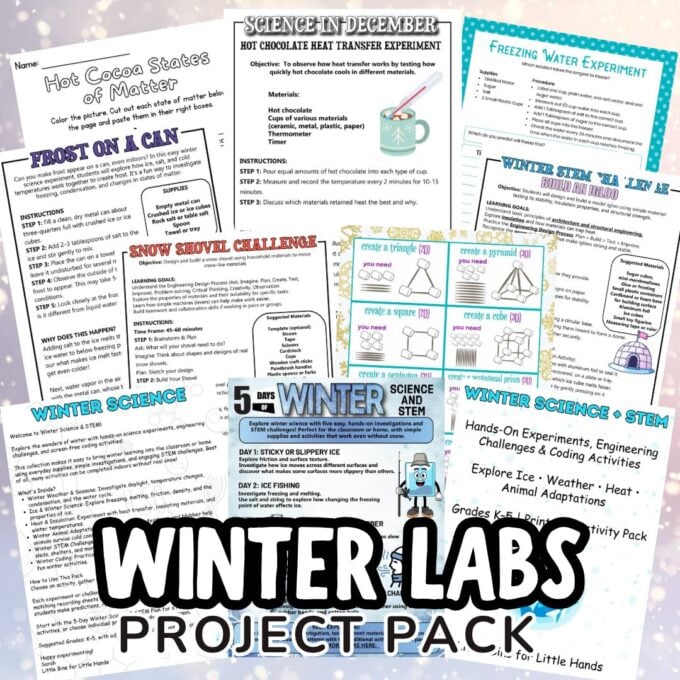
Printable Winter Science & STEM Activities Pack
Want ready-to-use winter science activities with printable instructions and recording sheets?
Our Winter Science & STEM Activities Pack brings together hands-on investigations, engineering challenges, and screen-free coding activities in one convenient resource for grades K–5.
Explore freezing and melting, winter weather, heat transfer, insulation, animal adaptations, forces, and problem-solving with projects that use common supplies.
Inside the pack, you’ll find:
- Winter science experiments and investigations
- Engineering and design challenges
- Screen-free winter coding activities
- Activity-specific observation and recording pages
- Reusable science investigation planners
- Winter science vocabulary and scientific thinking resources
- A 5-Day Winter Science & STEM Plan
Perfect for classroom science lessons, homeschool activities, winter STEM centers, and enrichment.
Get the Winter Science & STEM Activities Pack — $12
👉 Shop Winter Science & STEM Activities Pack
More Winter Projects
Snow Activities | Snowflake Projects | Winter Art for Kids | Winter Preschool Activities | Snowman Activities


I love this roundup! So many fun things to do with ice and snow this winter 🙂 Thank you for including our Fishing for Ice experiment!