
Looking for a fun and easy sensory activity that’s also taste-safe? This coconut sensory bin with a flamingo and nature theme is perfect for toddlers and preschoolers! It’s safe for little hands that still explore with their mouths and full of colorful textures and pretend play opportunities.

Taste Safe Coconut Sensory Bin with Flamingos and Bugs
Sensory play is one of the best ways to support early learning through hands-on discovery, and it gets even better when it’s safe for curious little mouths! This taste-safe coconut sensory bin is a fun, low-prep activity featuring colorful coconut flakes.
💡 Explore a variety of taste safe sensory play activities here.
If you’re new to sensory play, this is a great place to start! You might also enjoy our popular guides on:
- Sensory Play Ideas for Kids
- How to Make Sensory Bins
- Taste Safe Sensory Activities
- Easy Sensory Activities for Toddlers
This coconut-based bin is especially great for younger kids who may still want to taste what they’re playing with. While it’s not meant for snacking, the ingredients are taste-safe, making this activity worry-free and perfect for ages 1–5. Add flamingos, bugs, or other small toys for various themes.
Supplies Needed
- (4) 7 oz bags of coconut flakes
- Optional theme: Pink food coloring (for flamingo zone)
- Optional theme: Green food coloring (for grassy zone)
- 2–3 zip-lock baggies
- Wax paper and baking sheet
- Sensory bin or shallow container
- Flamingo toys (rubber ducks or plastic)
- Plastic bugs or small animal figures
- Scoops, tongs, tweezers, and small cups
- Blue or green glass gems (for water area)
- Optional: Pink feathers, flamingo erasers, mini buckets
💡 Additional Coconut Sensory Bin Themes: Dye the coconut blue for a pond or ocean theme and add plastic duck, fish, or sea creatures. Dye the coconut green for a grass or jungle theme and add plastic animals, fake flowers, or leaves.
How to Dye Coconut for Sensory Bin
See how we set up this fun pink flamingo sensory bin below. For a grassy-themed sensory bin, you can easily substitute green for the pink food coloring. Learn how to dye coconut any color with the simple instructions below.
Color the Coconut: Add two bags of coconut to one baggie with 4–6 drops of pink food coloring for light pink. Use 10–16 drops of pink for dark pink in a second baggie.


Dry the Coconut Flakes
Spread all colored coconut on a wax-paper-lined baking sheet. Let dry for a few hours or overnight.

Set Up Your Bin
- Add the pink coconut
- Place blue or green gems in the center for “water.”
- Add flamingos, scoops, tongs, and cups.

Play and Explore!
Let kids scoop, sort, imagine, and explore their tropical animal scene.
Read Sylvie by Jennifer Sattler or A Flamingo in My Garden by Deepa Balsavar
🛑 Tips and Safety Reminders
- Coconut is naturally edible, but this activity is not intended for eating. Always supervise closely.
- Avoid small items like gems with children under three unless fully supervised.
- Store coconut in a resealable bag or an airtight container for future use. Check for spoilage before each use. Discard if dirty.
Related Taste-Safe Sensory Ideas
- 12+ Taste Safe Sensory Activities for Kids
- Candy Slime Recipes
- Edible Science Experiments
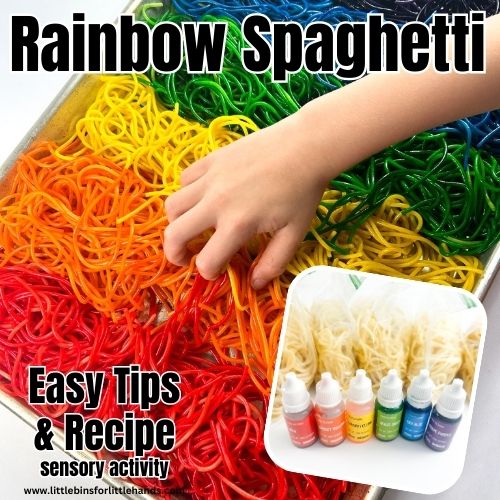
- Rainbow Spaghetti Sensory Bin
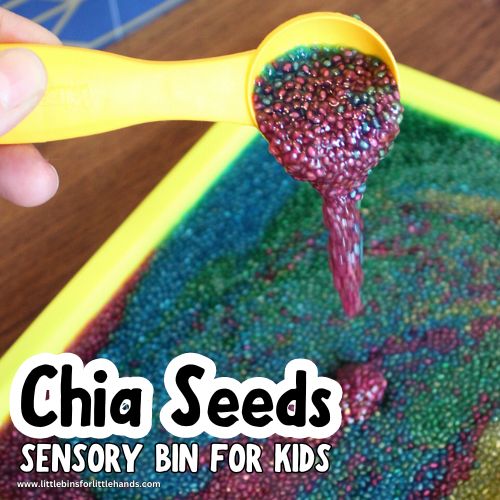
- Chia Seed Sensory Bin
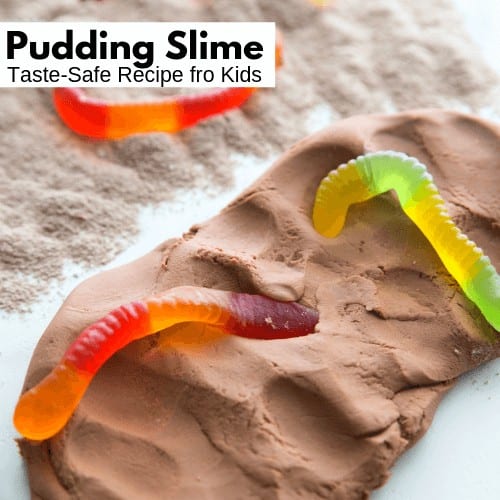
- Pudding Slime Dough


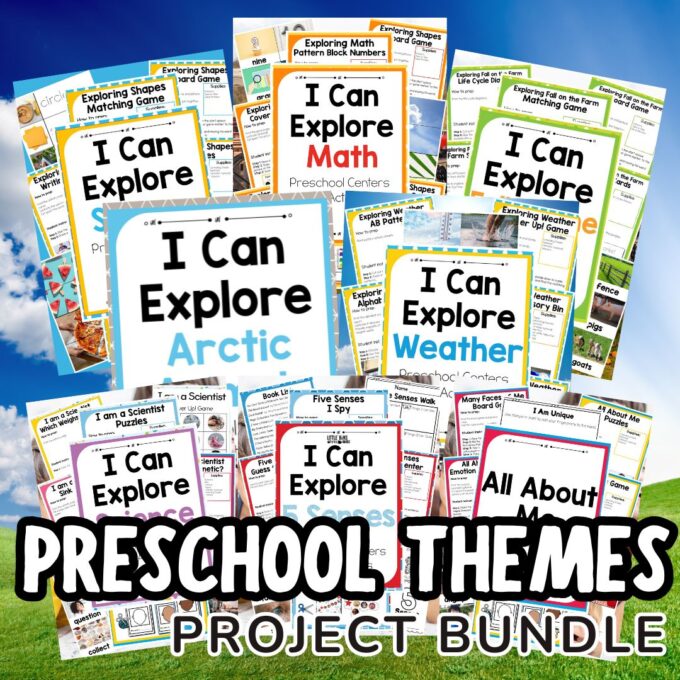
Printable Preschool Bundle Theme Pack
Get ready to explore this year with our Preschool STEM Bundle! There are 20+ fun preschool themes to get you started. This is an ” I can explore” series. You’ll find even more sensory bin ideas!
Each unit contains approximately 15 activities, with instructions and templates as needed. Hands-on activities are provided to keep it fun and exciting. This includes sensory bins, experiments, games, and more! Easy supplies keep it low cost, and book suggestions add to the learning time.