
K–6th graders can explore the power that lights our homes and charges our devices through hands-on electricity experiments. By building simple circuits with batteries, wires, and bulbs, kids discover how electric current flows to power everyday items. Fun projects like lemon batteries, snap circuits, and squishy playdough circuits make science engaging and easy to understand.

Electricity Experiments for Kids
Each of these STEM projects offers a hands-on lesson in electrical engineering, perfect for kids in various grade levels. By exploring these experiments—from simple circuits to complex robot cars—young learners gain critical thinking skills and a solid understanding of how electricity brings every component into a working whole.
💡Explore more electrical engineering activities for kids here.
Simple Circuit Project (Grades K–2)
Kids build a basic circuit using a battery as a power source to light up a light bulb. This project shows how metal wires and a resistor work together to allow electrons to flow from the negative terminal, laying the foundation for understanding electrical energy and the importance of conductors.
Aluminum Foil Circuit Project (Grades K–4)
Kids create a simple circuit using aluminum foil as the conductor. This activity demonstrates how electric current flows through a conductor, making it an engaging way to introduce the concepts of electrical circuits and conductors. By using a common household item like aluminum foil, kids learn how everyday materials can be used to create a functional circuit and light up a bulb or LED.

Series Circuit (Grades 2–4)
In a series circuit project, every component—like bulbs and resistors—is connected one after another in a single configuration. Kids learn how each component shares the battery’s load and why every connection completes the circuit.
Parallel Circuit (Grades 2–4)
This activity introduces kids to circuits set up in parallel, where multiple configurations allow each light bulb or resistor to get full power from the battery. It’s a fun way to explore how different paths work together while emphasizing electrical safety and the role of insulators versus conductors.
Circuit Switch (Grades 3–5)
Add a switch to control your circuit’s on/off flow! This project teaches kids how simple components work together to solve problems and manage the flow of electricity.
DIY Flashlight (Grades 3–5)
In this great project, kids build a flashlight by connecting a battery holder to a flashlight bulb and LED light. Using metal wires, paper clips, and a bulb holder, kids see how every component plays a vital role in powering the device and learn the basics of solving problems in circuits.

Paper Circuit Card (Grades 2–4)
Merge art with science by designing a paper circuit card using copper tape, an LED light, and simple circuit components. This creative project shows how everyday materials can act as conductors and even turn a greeting card into an interactive science experiment.
Conductive Play-Dough & Squishy Circuits (Grades K–2)
Using play-dough or clay, kids create squishy circuits that are both fun and educational. This hands-on lesson in static electricity demonstrates how soft materials can become conductors, sparking early interest in the flow of electrons.

Aluminum Foil Circuit (Grades 2–4)
Turn common aluminum foil into a conductor by constructing a circuit that powers a light bulb. This experiment highlights the differences between conductors and insulators and reinforces the concept of electrical energy traveling through metal wires.
Electromagnet (Grades 3–5)
Create an electromagnet by wrapping metal wires around a nail and connecting it to a battery. This project lets kids see firsthand how the flow of electrons generates a magnetic field, blending classic science experiments with creative learning.
Homopolar Motor (Grades 3–5)
Build a homopolar motor using a battery, a magnet, and copper wire to see motion in action. Kids discover how components interact and the electricity flow’s role in creating movement, making it a dynamic STEM project.

Lemon Battery (Grades 3–5)
Discover how a lemon can be a natural battery in this tasty science experiment. Kids learn about chemical energy conversion and how a power source works by connecting a lemon to a circuit with a light bulb and resistor.
Potato Battery (Grades 3–5)
Like the lemon battery, the potato project turns a simple potato into an electricity generator. This fun experiment introduces kids to static electricity and electrical energy from everyday items.
Robot Car (Grades 4–6)
Turn an ordinary box into a robot! Attach a small motor, battery holder, and wheels (or propellers) to transform a simple cardboard box into a moving machine. It’s a hands-on way for kids to explore basic engineering, learn about circuits, and unleash their creativity.
Static Electricity Experiments
Ever noticed how when you rub a balloon against your hair, it sticks to the wall? That’s static electricity in action! Learn more about this fun science concept with simple static electricity experiments, and everyday examples of static electricity.


Free Electrical Circuit Diagram and Worksheets
Grab this free guide for simple circuits for kids here or click below.

More Science Projects
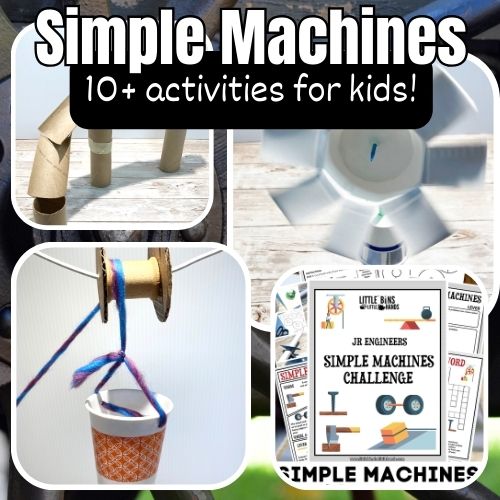
- Simple Machines
- Magnet Experiments
- Baking Soda and Vinegar Science
- Density Experiments
- Buoyancy Experiments
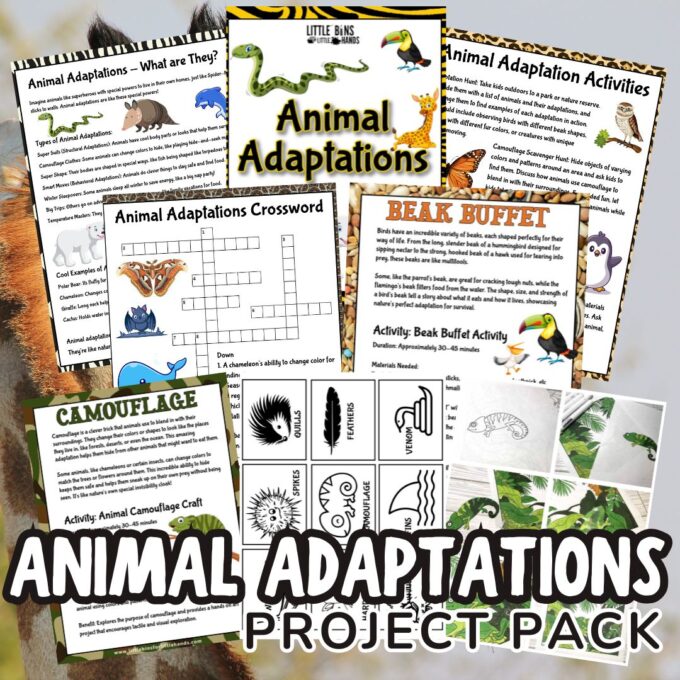
- Animal Activities for Kids




Helpful STEM Resources
Here are a few resources to help introduce STEM more effectively to your kids or students. You’ll find helpful free printables throughout.
- Engineering Design Process Explained
- What Is An Engineer?
- Engineering Words
- Real World STEM
- Build A Growth Mindset With STEM
- Questions for Reflection (get them talking about it!)
- BEST STEM Books for Kids
- 14 Engineering Books for Kids
- Jr. Engineer Challenge Calendar (Free)
- Must Have STEM Supplies List
- Join us in the Club