

Snowflakes are tiny ice crystals that form in cold clouds, making them a fascinating topic for winter science lessons. Learning how snowflakes form helps kids connect weather, states of matter, and crystal science through real-world examples.

Below you’ll find a collection of snowflake science videos for kids that explain how snowflakes form, why they usually have six sides, how scientists study them, and how ice crystals can even be created in a lab. These videos work well for winter weather lessons, homeschool learning, or curious kids exploring winter science.
How Snowflakes Form
Snowflakes begin as water vapor high in the atmosphere. When temperatures are cold enough, water vapor freezes into ice crystals. As that crystal falls through the cloud, it grows larger as more water freezes onto it.
Many of the videos below show:
- How snowflakes start as simple ice crystals
- Why snowflakes grow in six-sided patterns
- How temperature and humidity affect snowflake shape
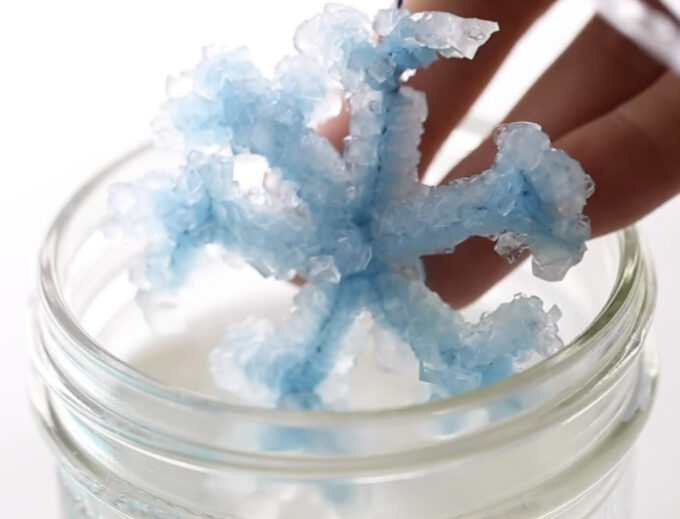
👉 Try our Crystal Snowflake Ornaments experiment to see crystal growth in action after watching the videos.
Snowflake Shapes, Symmetry, and Crystal Structure
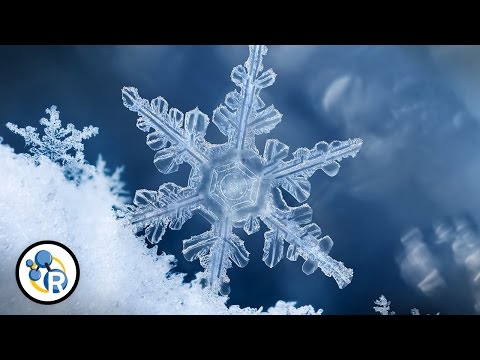
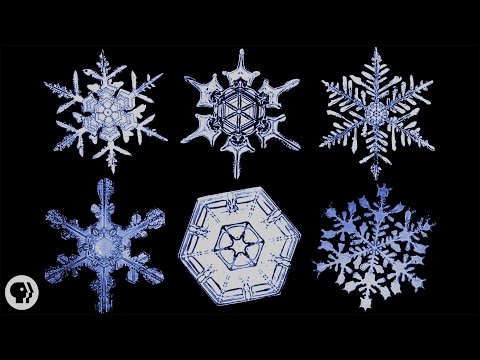
Snowflakes are crystals, which means they grow in organized, repeating patterns. Most snowflakes have six sides because of the way water molecules arrange themselves as they freeze.
The videos on this page explore:
- Different types of snowflakes
- Snowflake symmetry
- Why no two snowflakes are exactly alike
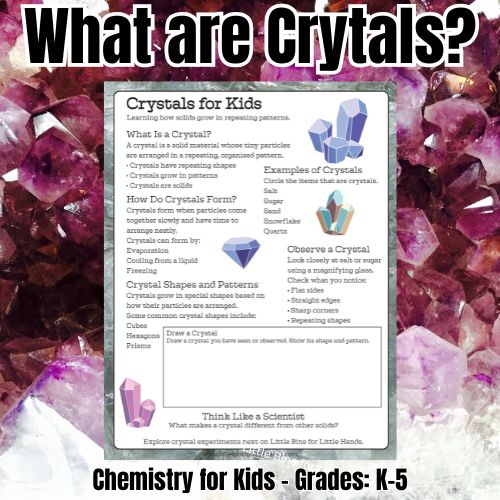
👉 Learn more about crystal structure and growth in our What Are Crystals? science guide.
Snowflake Science Videos for Kids
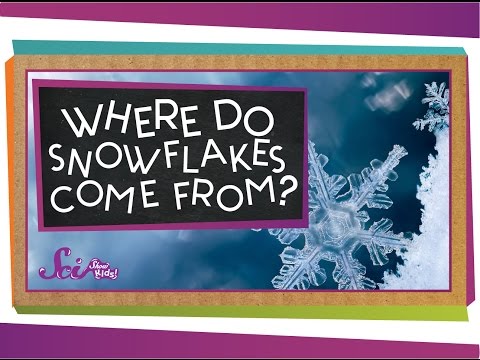
As you watch the snowflake science videos below, look for explanations and visuals that show:
- How snowflakes begin as tiny ice crystals
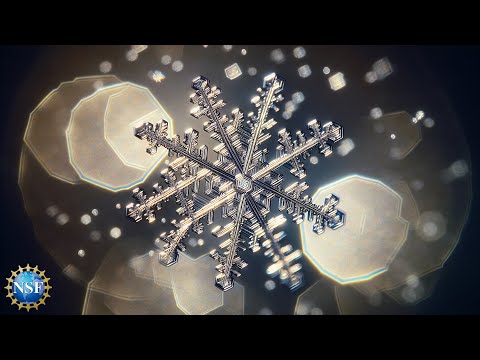
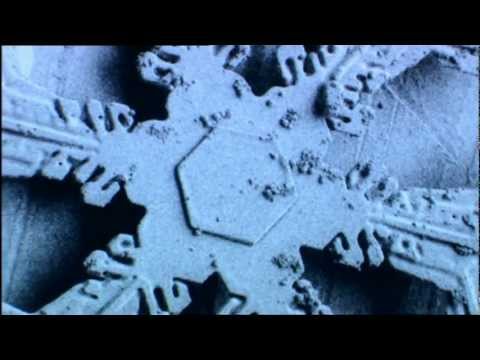
- Real photographs and microscopic images of snowflakes
- Scientists studying snowflakes and ice crystals
- How snowflakes can be recreated or studied in lab conditions
These visual explanations help kids understand snowflake science in ways that are difficult to observe outdoors.


More Snowflake Science Activities
After watching the videos, extend learning with hands-on snowflake science activities:
- Crystal Snowflakes
- Snowflake Slime
- Coffee Filter Snowflakes
- Snowflake Salt Painting
- Salt Crystal Snowflakes
- 3D Paper Snowflakes
- Snowflake Oobleck
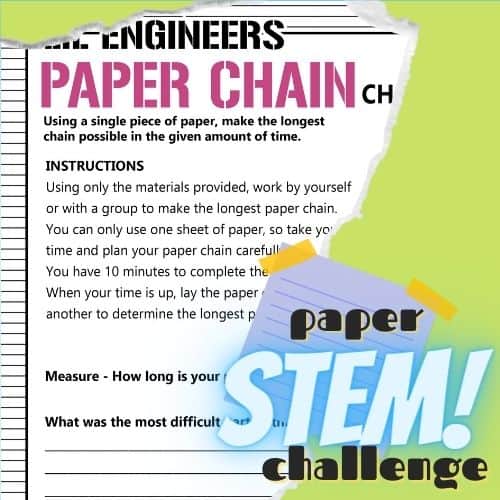
- Snowflake STEM Challenge Cards
To make follow-up activities easier, our Snowflake Activity Worksheets help kids explore snowflake types, symmetry, and the snowflake cycle through experiments and videos.

Snowflake Science FAQ
Why do snowflakes have six sides?
Snowflakes have six sides because water molecules arrange themselves in a hexagonal pattern as they freeze.
Are all snowflakes different?
Yes. As snowflakes fall through the air, changes in temperature and humidity affect how they grow, making each one unique.
What are snowflakes made of?
Snowflakes are made of frozen water. They are ice crystals that form from water vapor in cold clouds.
Are snowflakes crystals?
Yes. Snowflakes are a type of crystal because their molecules form repeating, organized patterns as they freeze.

Extend Your Winter Learning
If you’d like everything organized in one place, our Printable Winter STEM Pack includes 250+ pages of winter-themed science, STEM, and art projects, complete with instructions, printables, and kid-friendly learning prompts.




3 Comments
Comments are closed.