

Looking for fun space activities for kids? Whether you’re learning about the Moon, exploring the solar system, or building rockets, these hands-on projects make Earth and space science exciting and easy to understand.
From simple preschool crafts to elementary STEM challenges, you’ll find science experiments, engineering builds, art projects, and free printables that encourage kids to observe, ask questions, and discover how our amazing universe works.
Perfect for home, the classroom, homeschool, or a space-themed unit, these activities help kids explore everything from day and night to moon phases, constellations, planets, satellites, and space exploration.
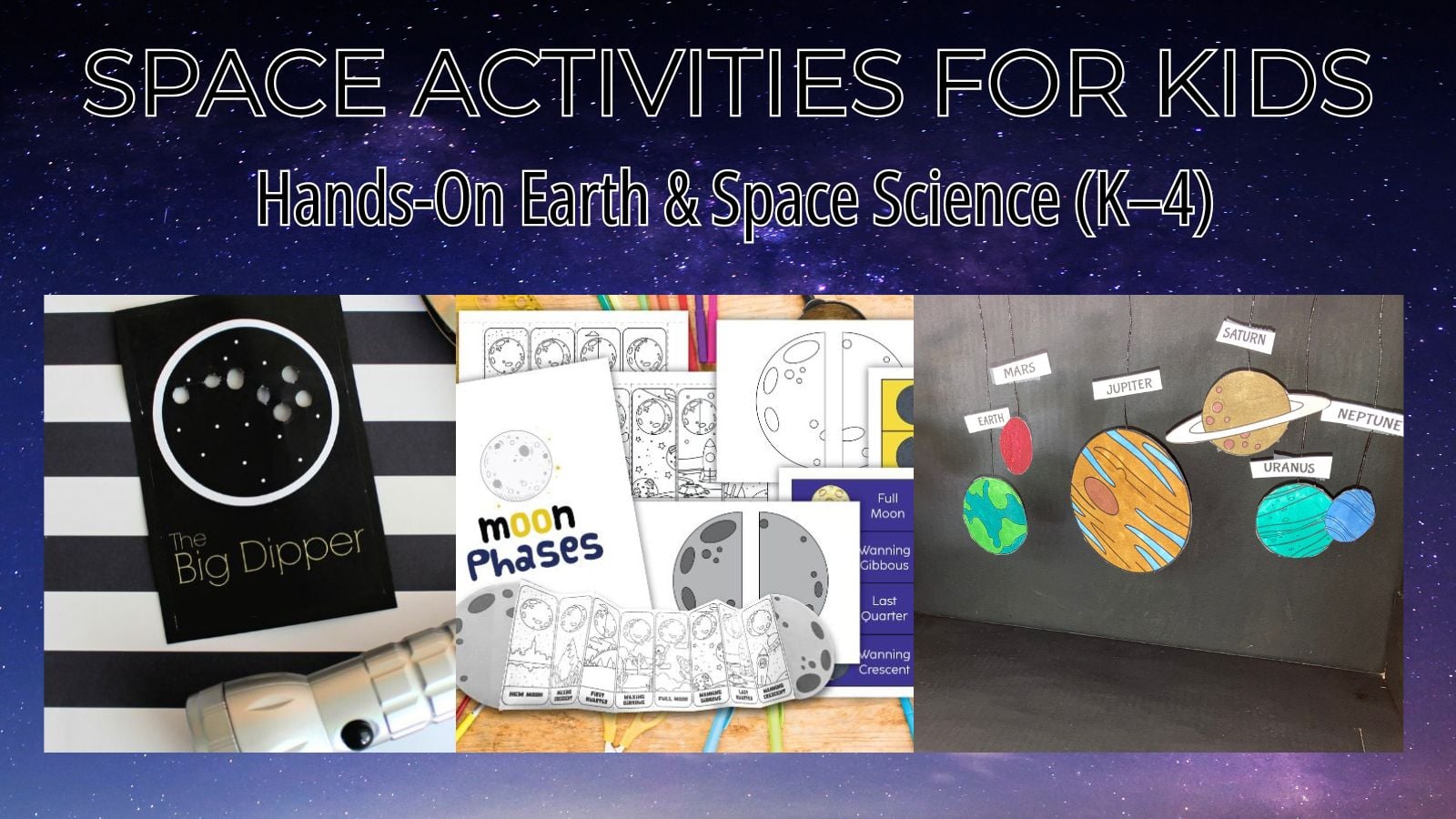
Our Top Space STEM & Engineering Challenges
Space exploration is filled with engineering challenges. Every rocket launch, satellite, rover, and space station begins with a problem to solve.
These hands-on STEM activities encourage kids to design, build, test, and improve their ideas while learning about forces, motion, gravity, and space technology. Along the way, they’ll also discover the incredible contributions of scientists and engineers like Katherine Johnson, Evelyn Boyd Granville, and Mae Jemison.
- Build a Satellite – Explore how satellites help us communicate and learn about Earth.
- Build a Lunar Lander – Design a lander inspired by the Apollo missions.
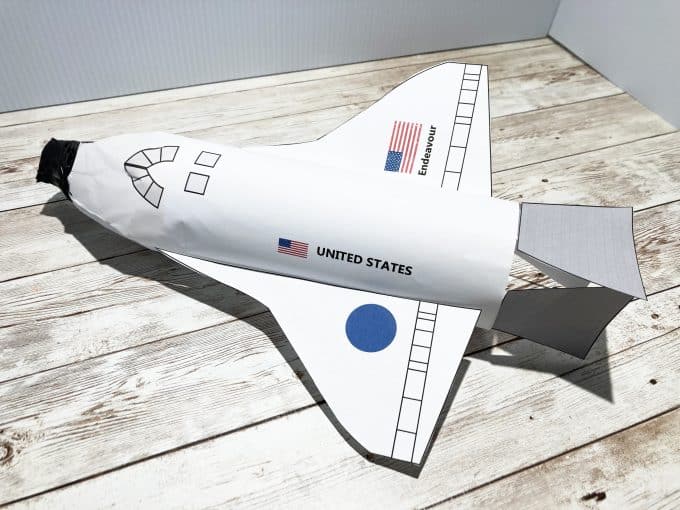
- Space Shuttle Challenge – Build your own shuttle using everyday materials.
- Paper Straw Rocket – Investigate thrust and aerodynamics.
- Balloon Rocket – Explore air propulsion with a balloon and string.
- Alka-Seltzer Rocket – Discover pressure and chemical reactions.
- Bottle Rocket – Launch a high-flying rocket while learning about forces.
⭐ Bonus: Download our FREE Space Engineering Challenge Pack below with eight printable engineering missions, including a spacecraft, moon rover, space station, moon base, Mars habitat, and more!
👉 Grab your FREE Space Camp Starter Pack below!
Sun, Day & Night Activities
Earth rotates once every 24 hours, creating repeating patterns of day and night. The Moon also appears to change shape in a predictable cycle as it orbits Earth. These activities help students model and observe those patterns.
- Day and Night Worksheets – Teach Earth’s rotation and why we have daytime and nighttime.
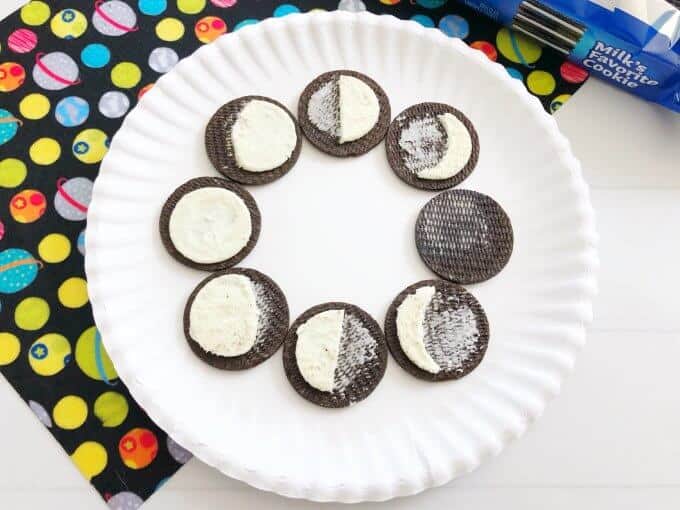
- Phases of the Moon Craft – A hands-on way to learn the 8 moon phases.
- Moon Phases Printable – Moon Phases in a fold out mini book style project.
- Oreo Moon Phases – A quick, memorable moon phases model.
- Shadows – What is a shadow, and how do you make one?
Night Sky Activities (Stars & Constellations)
Stars appear to move across the sky each night because Earth rotates. Astronomers group visible star patterns into constellations to map the sky. These activities help students observe and model those patterns.
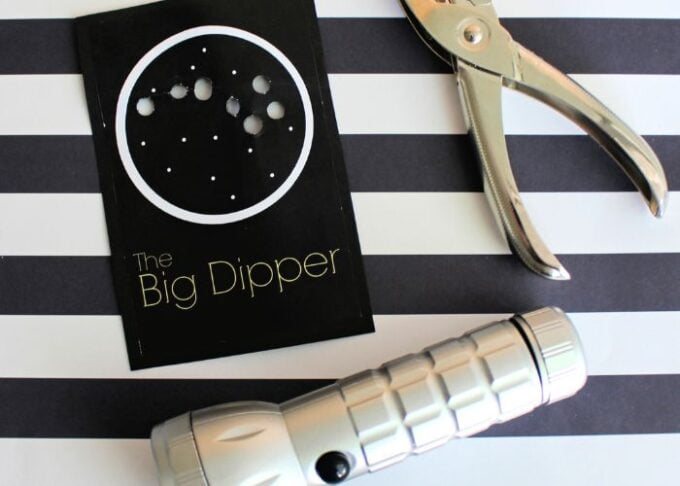
- Explore the Constellations – Easy constellation activities + free printable.
- Make a Star Projector / DIY Planetarium – Project constellations and talk about light. (Neil deGrasse Tyson
- DIY Telescope – Explore the night sky like Galileo.
- DIY Pinhole Camera – A safe viewing model for eclipses (great for science discussions).
- Life Cycle of a Star – Learn about the life cycle of a star with a free printable.
Solar System and Space Models
Earth is one of eight planets orbiting the Sun due to gravity. Models help students understand relative position, motion, and scale within the solar system.
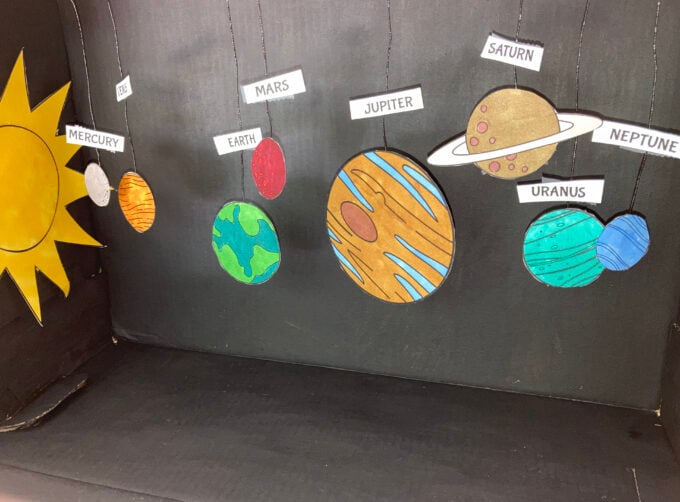
- Solar System Diorama – A classic model for planet order and spacing.
- Build a Spectroscope – Explore how astronomers study light from stars.
- Solar Eclipse Model – Demonstrate how the Sun, Earth, and Moon align.
- Solar System Lapbook – Assemble a lapbook to reinforce hands-on learning.
- Solar Eclipse Activities – Prep for the next solar eclipse or simply learn more about them.
- Solar System Planets Guide
- Solar System Coloring Sheets
Space STEM and Engineering Challenges
Space exploration requires engineers to solve problems involving motion, forces, and energy. These challenges let students test designs similar to real spacecraft systems.
Several of these projects explore famous women in STEM, including Katherine Johnson, Evelyn Boyd Granville, and Mae Jemison.
- Build a Satellite – A simple model to connect to space communication.
- Build a Lunar Lander – Inspired by Apollo missions (great design challenge).
- Space Shuttle Challenge – Design a shuttle with everyday supplies.
- Paper Straw Rocket – Explore thrust and aerodynamics.
- Balloon Rocket – Demonstrate air propulsion with a balloon and string.
- Alka-Seltzer Rocket – Demonstrate a chemical reaction and pressure.
- Bottle Rocket – A high-interest build that introduces propulsion and forces.
Want more project-style builds and experiments?
👉 Head here: Astronomy Projects for Kids
Creative Space Art Projects
Many space objects cannot be visited directly, so scientists use images and models to represent them. These creative projects help students visualize galaxies, stars, and planetary surfaces.
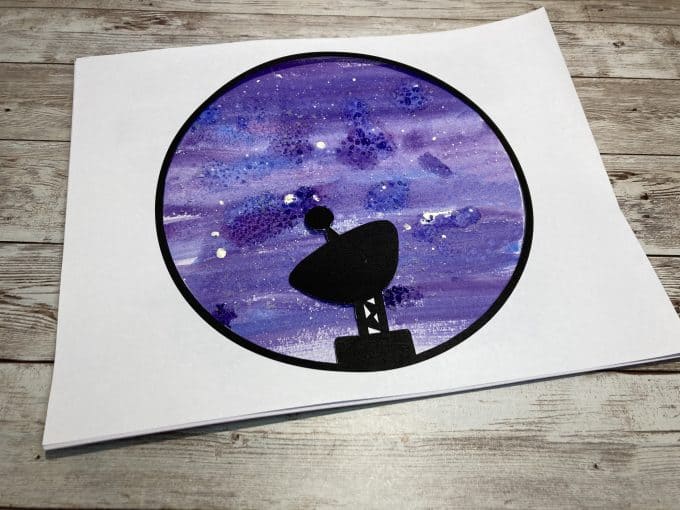
- Watercolor Galaxy Painting – Watercolors + salt for a galaxy effect with Neil deGrasse Tyson.
- Galaxy in a Jar – A visual way to talk about stars and color in space.
- Galaxy Slime – Combine chemistry and space.
- Fizzy Moon Painting – A simple STEAM activity that looks like the Moon’s surface.
Space Printables and Worksheets Extras
Space science includes new vocabulary and repeating patterns. These printable activities support practice, review, and fun!
- Layers of the Atmosphere
- Space Color by Number
- Neil Armstrong Activity Book
- Science Fiction Would You Rather
- Space STEM Challenge Cards
Space Activities for Preschool & Kindergarten
Looking for simpler, play-based space activities for younger learners?
Preschoolers learn best through sensory exploration, storytelling, and fine-motor play rather than through structured investigations.
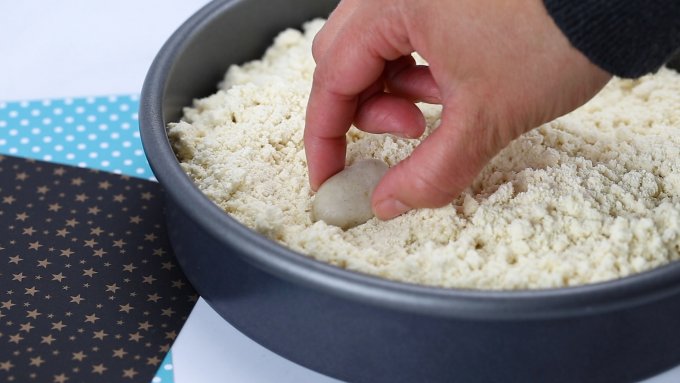
👉 Find age-appropriate space sensory bins, manipulatives, playdough mats, and beginner crafts here: Preschool Space Activities
Set Up a Space Camp Week
Planning a space-themed week of activities? This free printable guide helps you build a simple schedule with science, STEM, and art. Add LEGO challenges and printables to create a fun space week for home or school.
What Is Space Science?
Space science (astronomy) is part of Earth Science. It explores the Sun, Moon, planets, stars, and patterns visible in the sky. Hands-on activities help kids move from observation to understanding through simple models, builds, and experiments.
Celebrate space exploration any time of year! Events like World Space Week (October 4–10) and International Space Day (first Friday in May) are great opportunities to spark curiosity and connect science learning to real discoveries.
FAQs About Space Activities
What grade level are these space activities for?
Most activities work for elementary, with several options for preschool and kindergarten.
What should kids learn first in a space unit?
Start with day and night (Earth’s rotation), then move into moon phases and patterns in the night sky.
Are these space activities good for the classroom?
Yes—many use simple supplies and work well for stations, centers, STEM challenges, or whole-group science.

Printable Space Projects Pack
Our Printable Space Projects Pack includes hands-on activities for moon phases, constellations, the solar system, and more—perfect for building an easy space unit at home or in the classroom.

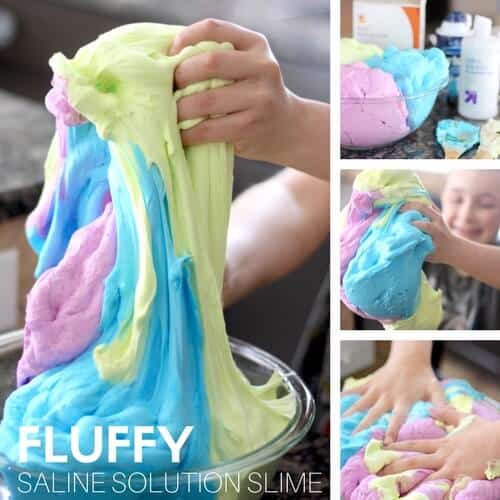

love all your ideas, but difficult to print out any of them ,for instance, galaxy slime, without having to print out multiple (10?) pages each time i want to duplicate or try an activity…so I end up not doing them at all. can you make it easier to keep ( less pages,less ink,less paper wasted)
I work with a special Ed.. teacher, she did the moon sand for an activity with the children, they have so much fun, hiding objects: toys, we help as well with the moon sand every one has a container with the sand. Taking turns each took an item and described. This activity help them learn to take turns, follow instructions, answer questions, and the most learn having fun!!
Thank you so much for everything you do. You are a very talented and dedicated person. Most of the time when I request one of your freebie printouts I recieve them. But the constellation card pack has me stymied.I must have requested them 12 times yesterday and again today. The don’t make it through. Could you please help me?
Linda
Please email me sarah@littlebinsforlittlehands.com and also check spam/promotions