
The summer solstice marks the longest day of the year in the Northern Hemisphere. It’s a great time to learn about the Sun, explore shadows, investigate heat, and enjoy hands-on summer science activities.
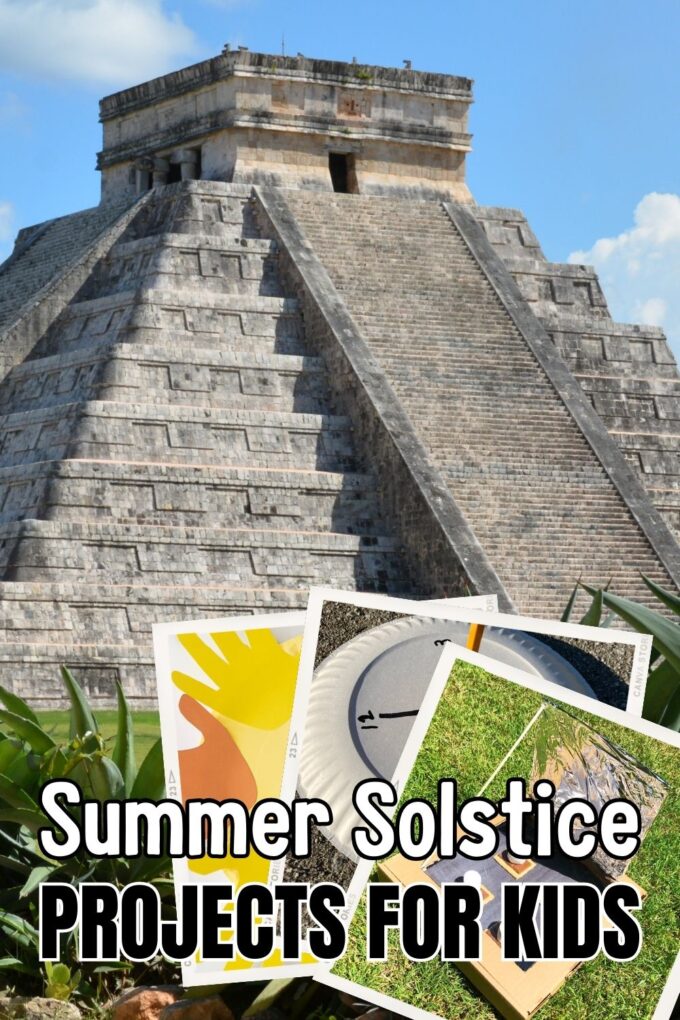
What Is the Summer Solstice?
The summer solstice occurs when the Earth’s North Pole is tilted closest to the sun. In the Northern Hemisphere, this occurs around June 21st each year, resulting in the longest day and shortest night of the year.
Why Do We Have a Solstice?
The Earth’s tilted axis causes different parts of the world to receive more or less sunlight throughout the year. Around June 21st, the Northern Hemisphere receives the most direct sunlight, marking the start of astronomical summer. Meanwhile, the Southern Hemisphere is experiencing its winter solstice.
Kid-Friendly Ways to Celebrate the Summer Solstice
From solar-powered experiments to famous artist-inspired art, these summer solstice activities are perfect for elementary-age kids and beyond. Use them for a solstice party, a summer lesson plan, or just a fun afternoon project!
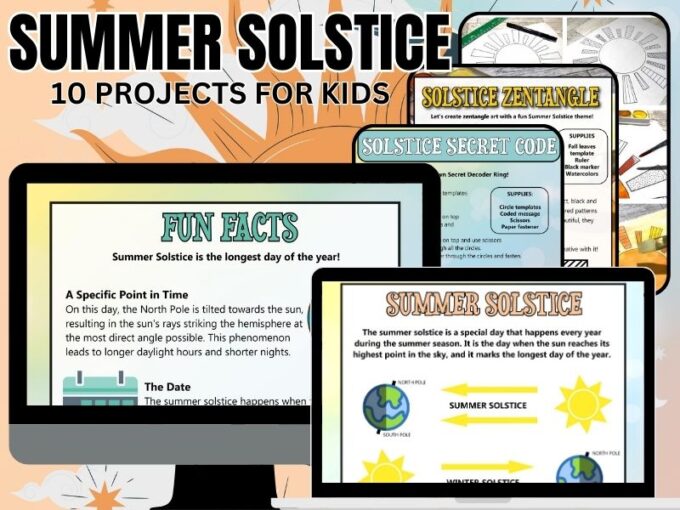
Summer Solstice Project Pack
Want everything in one place? Our printable Summer Solstice Project Pack includes:
- Solstice facts and information
- Word search & secret codes
- Sun-themed art + STEM activities
- Full instructions with photos
- Bonus activities not found below!
Summer Solstice Activities to Try
Explore the layers and features of the Sun with a free Anatomy of the Sun printable.
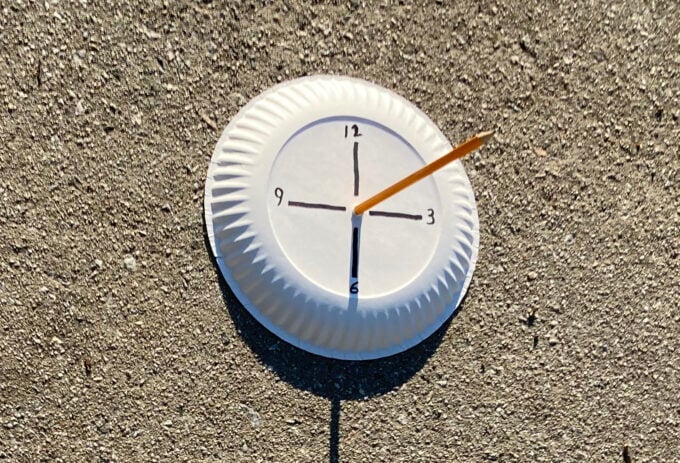
Use sunlight and shadows to create your own working sundial. Discover how people told time before clocks and explore how the sun’s position changes throughout the day.
☀️ Shadow Tracking Investigation
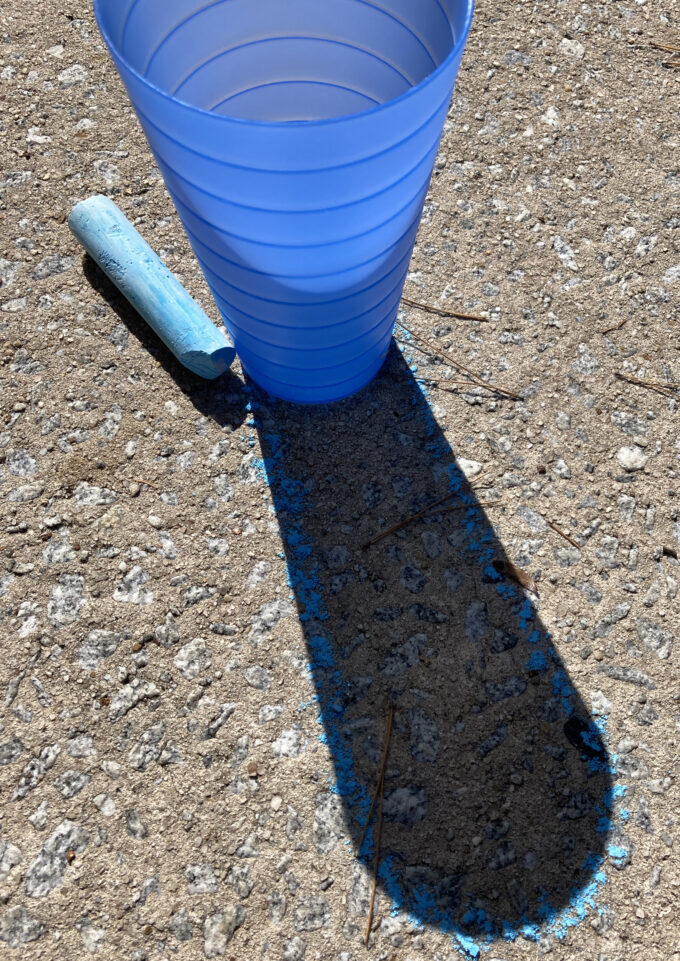
Trace the shadow of a stick, toy, or playground object throughout the day. Compare how the shadow changes in length and direction as the sun moves across the sky.
☀️ Color Absorption Experiment
Do dark colors really get hotter in the sun? Test different colored papers, fabrics, or containers and compare temperatures while learning about heat absorption and solar energy.
Set up a simple melting experiment using everyday items. Make predictions, observe changes, and investigate how sunlight transfers heat.
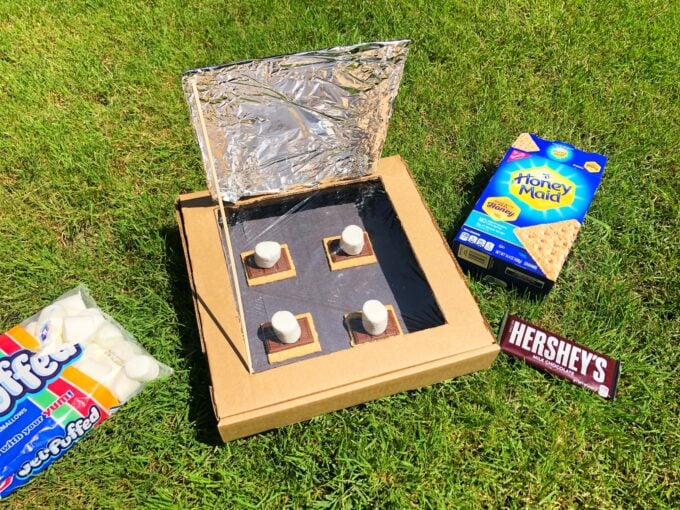
Harness the sun’s energy to warm snacks or melt chocolate in a homemade solar oven. This hands-on activity is a fun introduction to renewable energy and heat science.
Create a beautiful nature-inspired suncatcher with a pinecone and colorful beads. Hang it in a sunny window and watch it sparkle in the summer sunlight.
Use sunlight and natural materials to make simple sun prints. This STEAM activity combines creativity, observation, and the power of the sun.
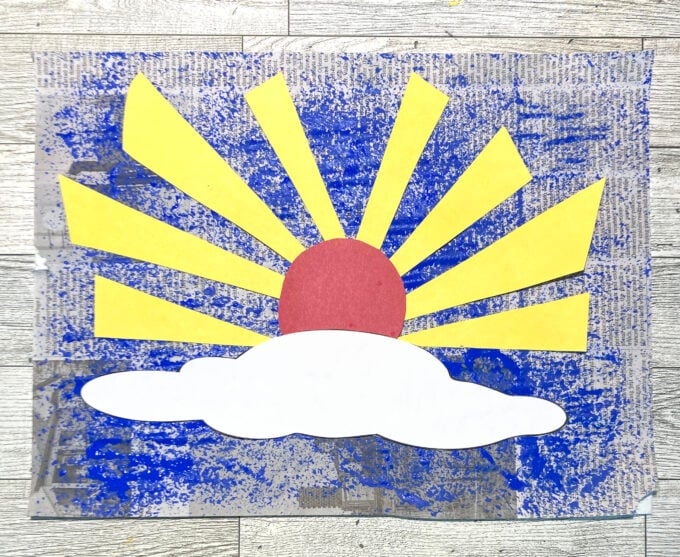
Capture the beauty of a solstice sunrise with a colorful mixed-media art project inspired by Roy Lichtenstein. A fun way to combine art, color, and seasonal learning.
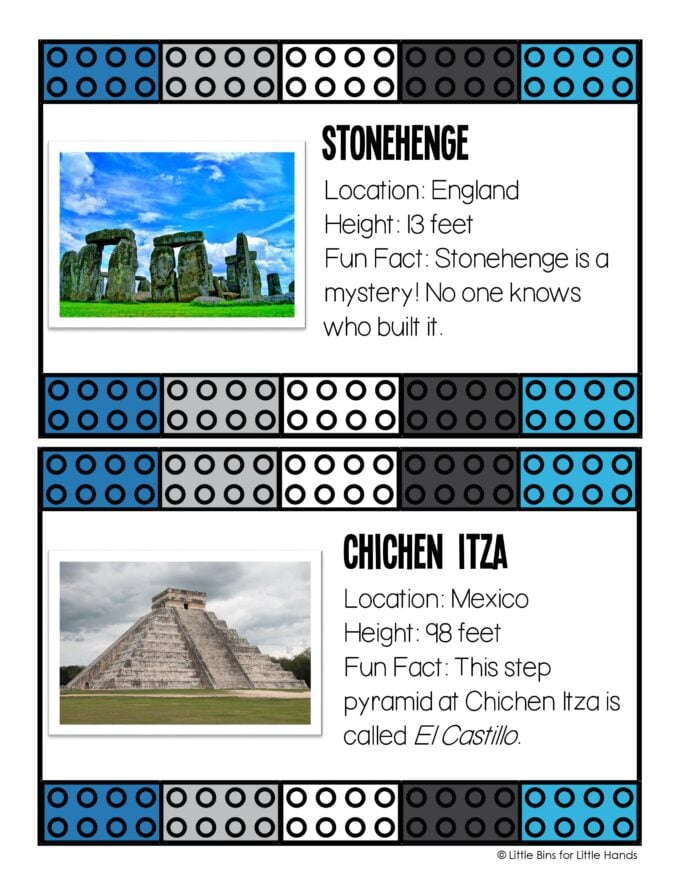
Build a model of Stonehenge or Chichen Itza with LEGO bricks. Explore how ancient structures were aligned with the sun and learn how engineering connects to history and culture.
Create bright sunflower artwork inspired by famous artists while learning about one of summer’s most iconic flowers. A perfect mix of art, nature, and seasonal fun. Or examine patterns in flowers with a free printable.

Make slime that changes color in sunlight! This fun chemistry activity introduces kids to UV light and shows how sunlight can cause materials to react and change.
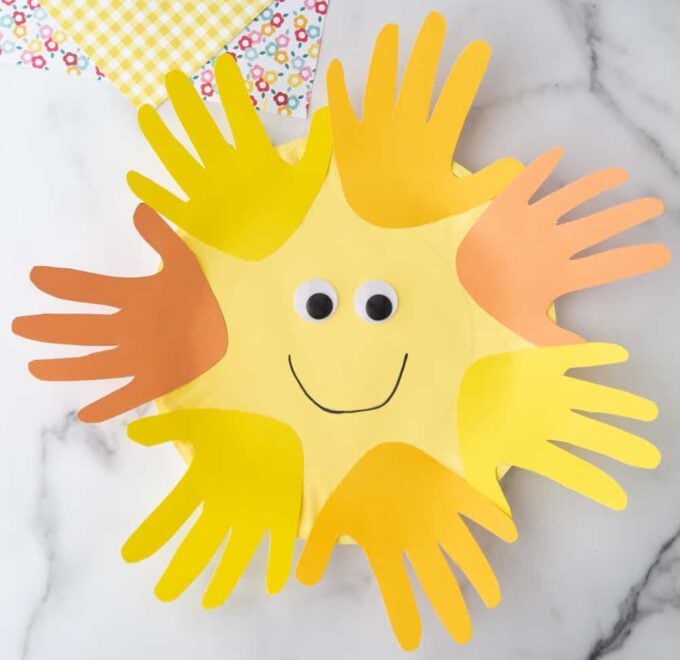
Create a cheerful sun using painted or traced handprints. This simple summer craft is perfect for younger kids and makes a fun keepsake to remember the longest day of the year.
Fascinating Summer Solstice Facts for Kids
- It’s a moment in time: The solstice happens at a specific instant when the sun is directly over the Tropic of Cancer.
- Solstice means “sun stands still”: From Latin sol (sun) and sistere (to stand still).
- Daylight peaks: After the solstice, daylight hours gradually shorten.
Cultural and Historical Solstice Traditions
- Stonehenge (UK): Built to align with the sunrise on the solstice. Thousands gather every year to celebrate.
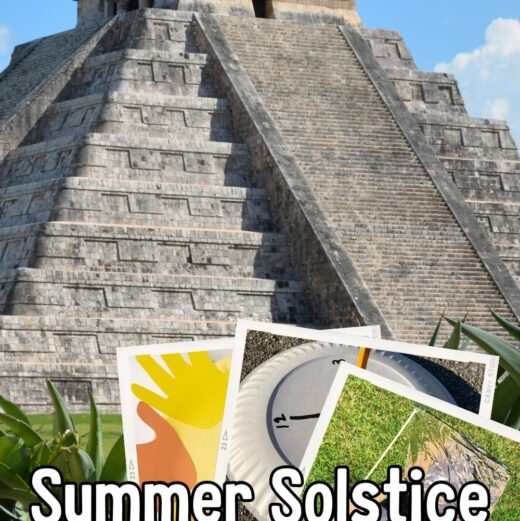
- Chichen Itza (Mexico): This ancient pyramid aligns with the summer solstice, highlighting the importance of the sun in Mayan culture.
- Solstice Celebrations: From bonfires to feasts, many cultures welcome summer with outdoor gatherings, music, and food.
Summer Solstice FAQ
What is the summer solstice for kids? The summer solstice is the longest day of the year in the Northern Hemisphere. It happens when Earth’s tilt points most directly toward the Sun.
Why is the summer solstice important? The summer solstice marks the official start of summer and has been celebrated by cultures around the world for thousands of years.
What are some summer solstice activities for kids? Popular summer solstice activities include making a sundial, tracking shadows, building a solar oven, creating sun crafts, and exploring solar energy through science experiments.
How do you explain the summer solstice to children? Explain that Earth is tilted as it travels around the Sun. During the summer solstice, your part of Earth receives the most daylight, making it the longest day of the year.
More Summer Learning Activities
Extend the fun beyond the summer solstice with these hands-on summer activities for kids:
Summer Science
Outdoor & Nature Activities
Summer Art & Creativity
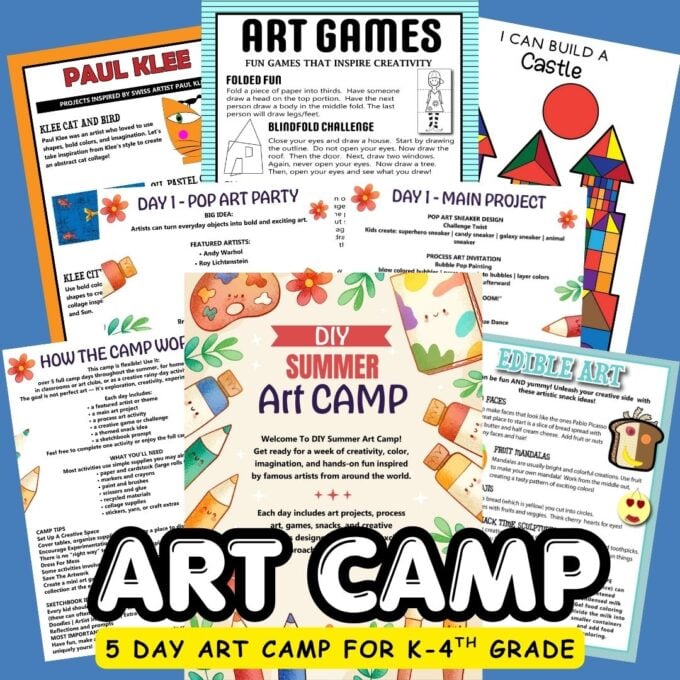
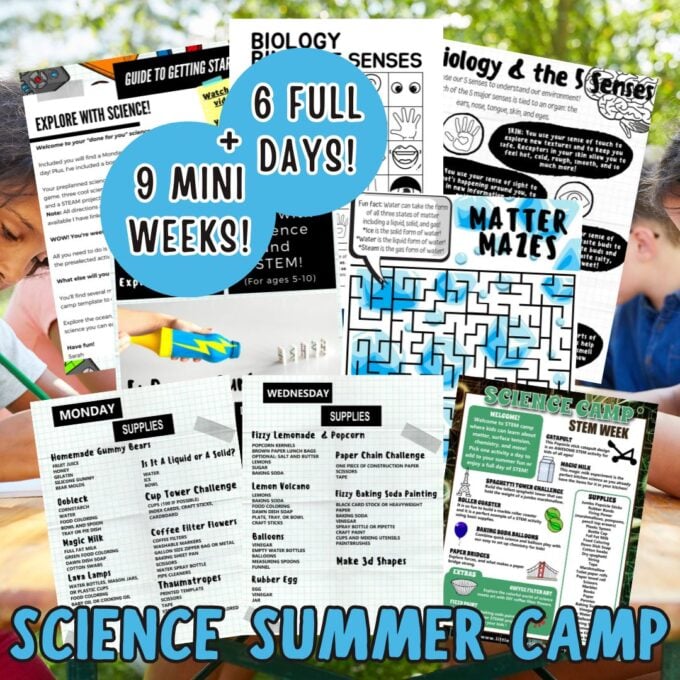

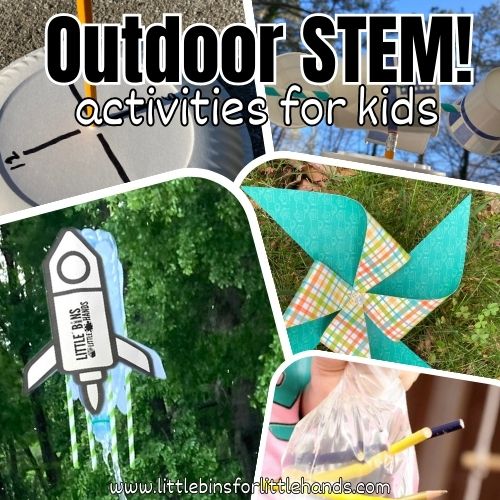
Summer Solstice Project Pack
Want everything in one place? Our printable Summer Solstice Project Pack is perfect to use throughout the summer as well.