
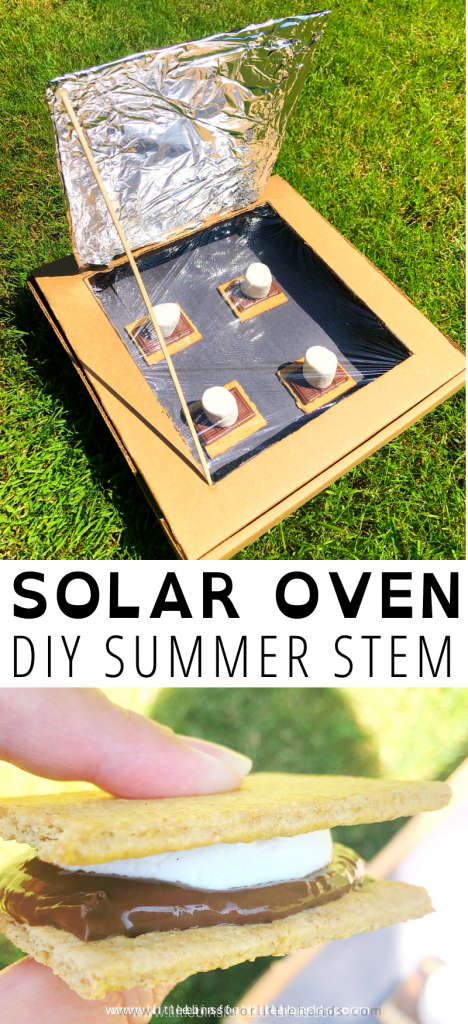
Learn how to make a DIY solar oven using a cardboard pizza box and the power of the sun! This fun outdoor STEM activity is an excellent way for kids to explore solar energy, heat absorption, and renewable power—plus, you get to enjoy a gooey s’more at the end.
What Will Kids Learn?
This hands-on solar oven science project is easy to set up and perfect for summer learning, camp days, classrooms, and homeschool science. No electricity required—just sunshine and curiosity!
This STEM activity helps kids explore:
- How solar energy can be transformed into heat
- How materials reflect, absorb, or trap heat
- The concept of insulation and the greenhouse effect
- The difference between renewable and nonrenewable energy
Supplies You’ll Need
- Cardboard pizza box (shoebox with lid also works)
- Aluminum foil
- Black construction paper
- Plastic wrap (or a clear sheet protector)
- Wooden skewer or pencil
- Scissors, ruler, Sharpie
- Hot glue gun or clear tape
- Graham crackers, marshmallows, and chocolate bars
- Printable Instructions [here]
How to Build a Solar Oven (Step-by-Step)
STEP 1: On the top of the pizza box, draw a square with a 1-inch border using the ruler and Sharpie. Cut along three sides of the square to create a flap.
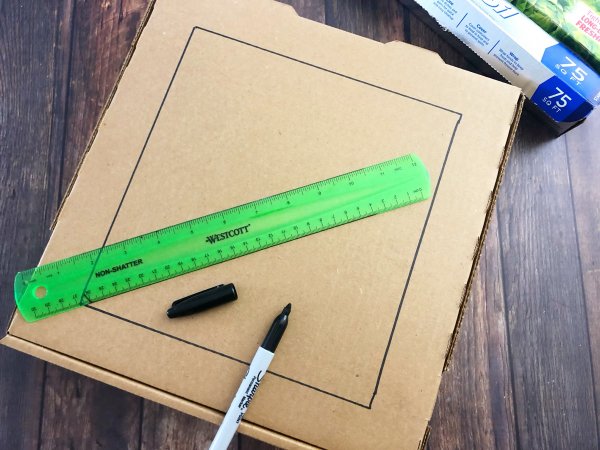
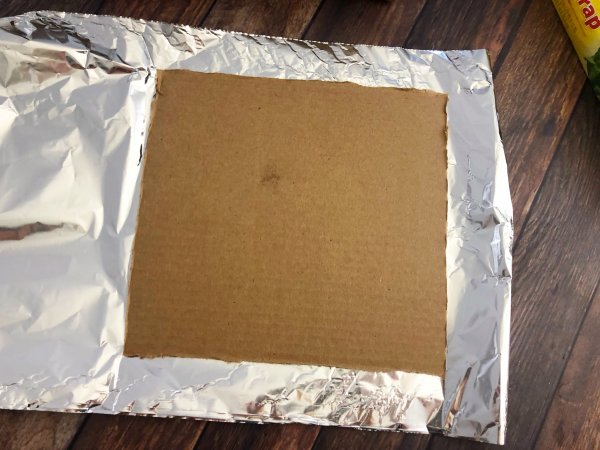
STEP 2: Cover the inside of the flap with aluminum foil, shiny side out. Tape or glue it down smoothly—this will reflect sunlight into the box.
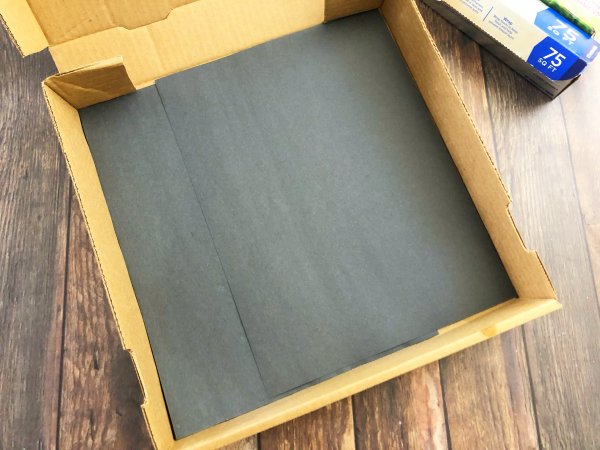
STEP 3: Open the box and glue black construction paper to the bottom inside surface. This will help absorb and retain heat.
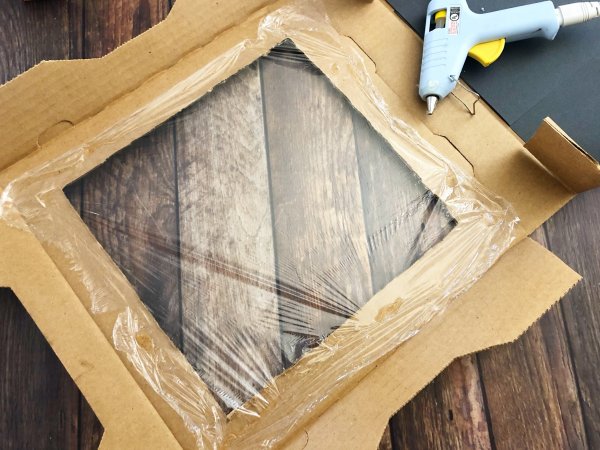
STEP 4: Cover the opening in the lid with plastic wrap, securing it tightly. This forms a window that lets sunlight in while trapping heat inside—just like a greenhouse.
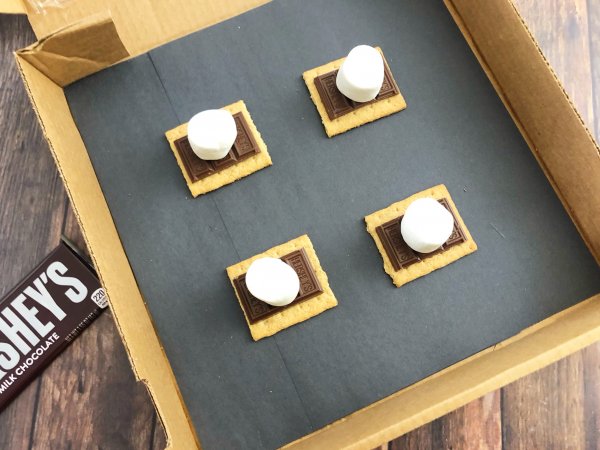
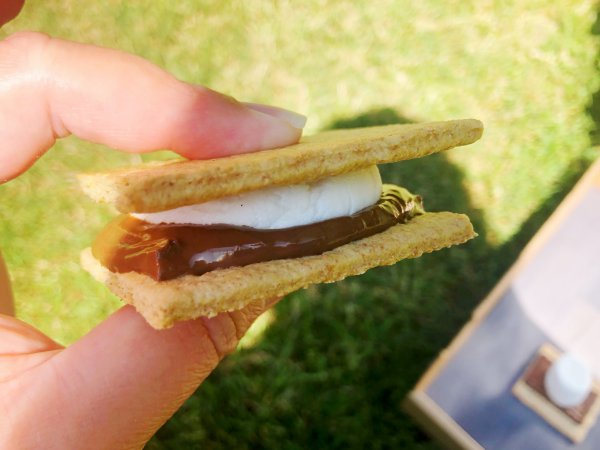
STEP 5: Build your s’mores! Place graham crackers with marshmallows and chocolate on top of the black paper.
STEP 6: Close the box. Use a skewer or pencil to prop the foil flap open to reflect sunlight into the box through the plastic window.
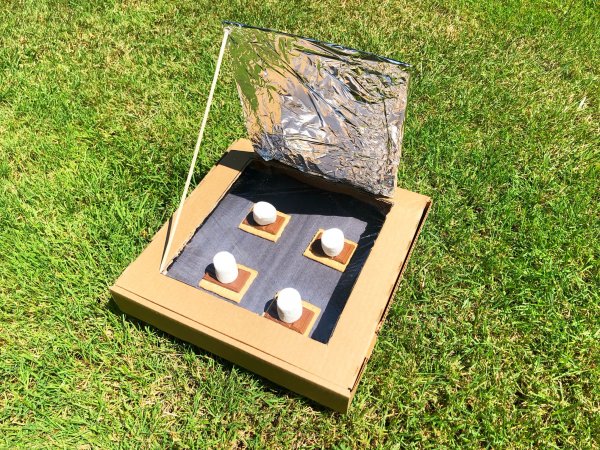
STEP 7: Place your solar oven outside in full sun between 11 a.m. and 2 p.m. Wait about 30–60 minutes for your delicious results!
🔎 While you’re waiting, why not shake up an Ice Cream in a Bag or make a Slushie in a Bag for more cool science?
What Is a Solar Oven?
A solar oven—also called a solar cooker or sunlight oven—is a device that uses sunlight to heat or cook food. Instead of using electricity or gas, it relies on the sun’s renewable energy.
Solar ovens work by:
- Reflecting sunlight using foil
- Absorbing heat with black materials
- Trapping heat using clear plastic (greenhouse effect)
- Insulating with cardboard and air
This type of solar-powered oven is a great example of energy transformation, where light energy is converted into thermal energy (heat).
🔎 Extend the activity and set up an experiment to investigate what colors absorb heat best!
How Does a Pizza Box Solar Oven Work?
What is a Solar Oven?
A solar oven is a type of thermal collector that captures sunlight and traps it as heat energy. It’s a real-world example of how we can harness renewable energy to do useful work—like melting s’mores!
How It Works Step-by-Step:
- Sunlight hits the foil, which reflects and focuses the rays into the box.
- The black paper absorbs the light energy, turning it into heat.
- The plastic wrap traps the heat, creating a mini greenhouse effect.
- The trapped heat melts the chocolate and marshmallow.
This process is all about energy transfer, specifically converting solar energy (light) into thermal energy (heat).
🔎 This combination creates enough heat to melt chocolate and marshmallows—a simple and tasty example of a physical change caused by solar energy.
Turn It Into a Science Fair Project
Make your solar oven project more scientific by changing one variable and measuring the outcome. Try questions like:
- What angle of the foil flap reflects the most heat?
- Does black vs. white paper change how fast s’mores melt?
- Does double plastic wrap trap more heat?
Use a thermometer if you have one, or time how long it takes for the marshmallows to melt. Chart your data and share your findings on a display board for a great school project!
🔎 Use the scientific method and free journal pages here to create a science project.
Solar Oven FAQs
How hot does a solar oven get?
Your pizza box oven can reach 150°F–200°F (65–93°C) in direct sun.
Does it work on cloudy days?
It works best on clear, sunny days. Clouds reduce the sun’s intensity and slow the cooking process.
What foods can I cook in a solar cooker?
Besides s’mores, try nachos, mini pizzas, or cookies! Stick with foods that don’t need very high heat.
Can I reuse the oven?
Yes! Just wipe it clean and store indoors when not in use.
Is this safe for kids to try on their own?
Always supervise, especially when using scissors, glue guns, or hot surfaces. The temperature won’t burn skin but can melt chocolate easily.
What time of day is best for cooking?
Between 11 a.m. and 2 p.m., when the sun is directly overhead.
What’s another name for a solar oven?
You might also hear it called a solar-powered oven, sunlight oven, or DIY solar cooker.
More Fun STEM Projects for Summer
Once your solar cooker is complete, try more hands-on science or look through these renewable energy projects [here]:
- Air Cannon – Blast objects using air pressure.
- Magnifying Glass DIY – Explore lenses and light bending.
- Archimedes Screw – Discover water-lifting machines.
- Mini Hovercraft – Float on a cushion of air!
- Balloon-Powered Car – Learn about thrust and motion.
- Kite Challenge – Use wind energy to get your kite soaring.
- Bottle Rocket – Launch with a chemical reaction!
- Ice Cream in a Bag – Learn about melting and freezing points!

Keep Kids Learning All Summer!
💡 From slime and bubbles to nature walks and fireworks science—this Summer bundle is your one-stop summer STEM solution. Over 11 hands-on activity packs to make this your most fun and educational summer ever!