
In a world filled with curiosity and wonder, there’s no better way to nurture young minds than by immersing them in the exhilarating realm of citizen science. Imagine your students or kids donning their scientist hats, exploring the mysteries of nature, and contributing to real scientific discoveries. With citizen science projects, this vision becomes a thrilling reality. Grab the free guide and start with a Citizen Science Project to add your science experiments and lessons.

What is Citizen Science?
At its core, citizen science embodies the collaborative spirit of scientific exploration, inviting individuals of all ages and backgrounds to participate in scientific research actively. From counting birds in local parks to monitoring water quality in nearby streams, citizen science projects offer hands-on opportunities for kids to make meaningful contributions to the scientific community.
Why Citizen Science?
Engaging in citizen science sparks a sense of wonder and curiosity and cultivates important skills such as observation, critical thinking, and environmental stewardship. Through these experiences, kids develop a deeper understanding of scientific concepts and a newfound appreciation for the natural world around them.
Getting Started:
Embarking on a citizen science journey with elementary-age kids is easier than you might think. Begin by exploring a variety of projects that align with your student’s interests and curriculum goals. Whether it’s tracking butterflies, observing weather patterns, or documenting local wildlife, there’s a citizen science project for everyone.
Next, introduce students to the project objectives, methodologies, and the significance of their contributions. Provide guidance and resources to support their participation, including tutorials, field guides, and data collection tools.
Encourage kids to ask questions, make observations, and analyze their findings. Foster collaboration among students as they work together to collect and interpret data, sharing their insights and discoveries.
Celebrating Success:
As students immerse themselves in citizen science projects, celebrate their achievements and discoveries. Recognize their contributions in the classroom, school newsletters, or local media, inspiring others to join in the adventure.

What is a Citizen Scientist?
A citizen scientist lends their time, curiosity, and observations to scientific projects without needing a Ph.D. or a lab coat. These individuals roll up their sleeves and dive into the world of science right from their backyard, schoolyard, or local park.
The beauty of citizen science is that anyone can join in, regardless of age or background.
Participating in citizen science projects can be a fun and educational adventure for elementary-age kids. From counting birds to tracking weather patterns, young scientists have countless opportunities to get involved.

Incorporating Citizen Science in the Classroom or Homeschool:
Integrating citizen science into homeschooling or classroom settings offers a dynamic way to engage students in scientific exploration and discovery. By participating in real-world research projects, students deepen their understanding of scientific concepts and develop essential skills such as critical thinking, data analysis, and collaboration.
Educators or caregivers can select projects aligned with curriculum objectives and students’ interests to integrate citizen science, providing clear instructions and resources for participation. Depending on the project’s complexity, students can then embark on data collection, observation, or analysis activities, either independently or in groups. Facilitate discussions, guide reflection, and encourage students to communicate their findings to friends, family, peers, or the broader community throughout the process.
By immersing themselves in authentic scientific inquiry, students gain a sense of ownership over their learning while making meaningful contributions to scientific knowledge.

Citizen Science Examples
Citizen science projects suitable for elementary-age kids typically involve simple and engaging activities that allow them to make meaningful contributions to scientific research. Here are some examples:
Bird Watching and Counting: Projects like the Great Backyard Bird Count or eBird Junior encourage kids to observe and count birds in their local environment. They can learn about bird identification, behavior, and habitats while contributing data to scientific databases.
Butterfly Monitoring: Programs such as the Monarch Larva Monitoring Project involve tracking and reporting sightings of monarch butterfly eggs, larvae, and adults. Kids can learn about butterfly life cycles, migration patterns, and the importance of pollinators.
Weather and Climate Monitoring: Projects like GLOBE Observer invite kids to collect and submit data on weather conditions, clouds, and land cover. They can learn about climate science, weather patterns, and the impact of climate change on their communities.
Pollinator Gardens: Initiatives like the Great Sunflower Project involve planting sunflowers and monitoring pollinator activity. Kids can observe bees, butterflies, and other pollinators while learning about the importance of native plants and biodiversity.
Water Quality Testing: Programs such as EarthEcho Water Challenge empower kids to test the quality of local water bodies using simple kits. They can measure parameters like pH, temperature, and turbidity to assess water health and identify potential pollution sources.
Nature Mapping: Projects like iNaturalist or Project Noah allow kids to document and share observations of plants, animals, and fungi in their surroundings. They can contribute to species identification efforts and biodiversity research while exploring nature.
Citizen Archaeology: Initiatives like the Archaeological Legacy Institute’s ‘Ask an Archaeologist’ program engage kids in archaeology by encouraging them to ask questions, share discoveries, and learn about cultural heritage.
Air Quality Monitoring: Programs such as AirVisual Earth School provide educational resources and activities for kids to learn about air pollution and monitor air quality in their communities using sensors or DIY devices.

Free Printable Citizen Science Guide
Get started today with this free, quick, and easy-to-use citizen science guide. Pick your first citizen science project and get started!

Helpful Science Resources To Get You Started
Here are a few resources that will help you introduce science more effectively to your kiddos or students and feel confident yourself when presenting materials. You’ll find helpful free printables throughout.
- Best Science Practices (as it relates to the scientific method)
- Science Vocabulary
- 8 Science Books for Kids
- All About Scientists
- Free Science Worksheets
- Science Supplies List
- Science Tools for Kids
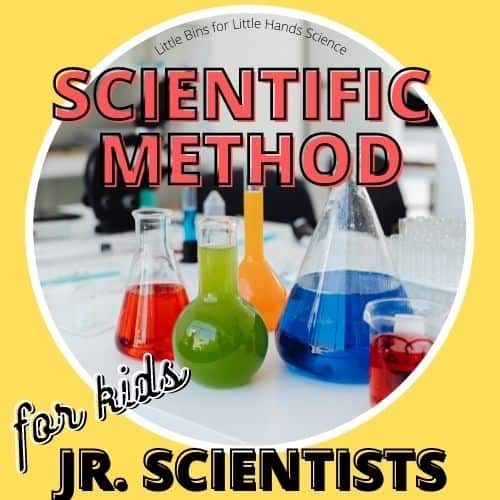
- Scientific Method for Kids
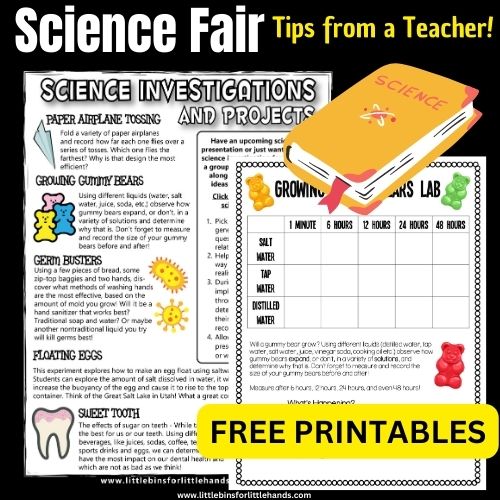
- Easy Science Fair Projects
- Join us in the Club
Printable Science Projects For Kids
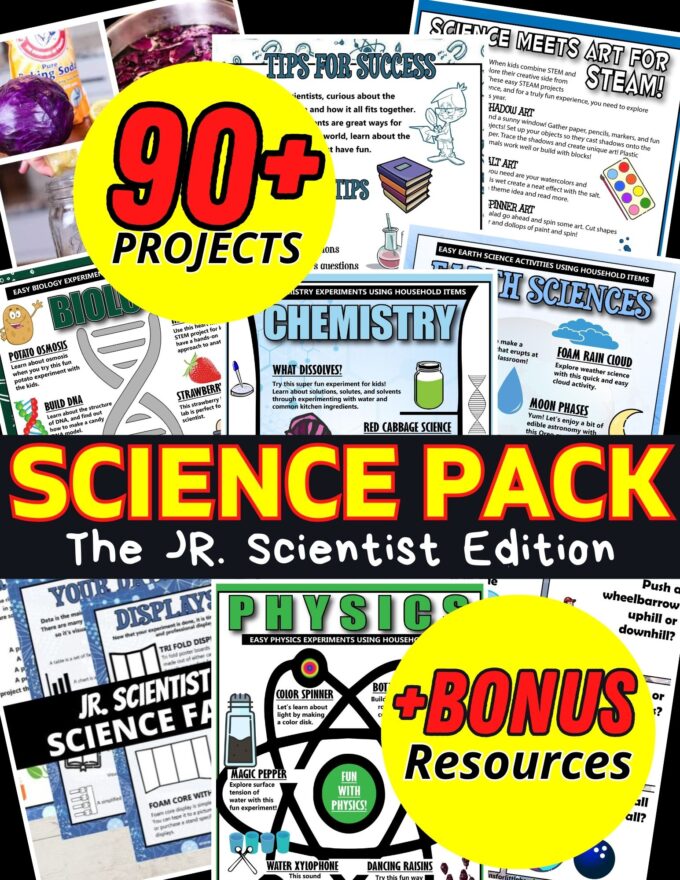
If you’re looking to grab all of our printable science projects in one convenient place plus exclusive worksheets and bonuses like a STEAM Project pack, our Science Project Pack is what you need! Over 300+ Pages!
- 90+ classic science activities with journal pages, supply lists, set up and process, and science information. NEW! Activity-specific observation pages!
- Best science practices posters and our original science method process folders for extra alternatives!
- Be a Collector activities pack introduces kids to the world of making collections through the eyes of a scientist. What will they collect first?
- Know the Words Science vocabulary pack includes flashcards, crosswords, and word searches that illuminate keywords in the experiments!
- My science journal writing prompts explore what it means to be a scientist!!
- Bonus STEAM Project Pack: Art meets science with doable projects!
- Bonus Quick Grab Packs for Biology, Earth Science, Chemistry, and Physics