
How does sound travel from one place to another? This classic cup-and-string telephone experiment is a hands-on way for kids to explore sound vibrations, energy transfer, and how sound moves through solid materials. Using just cups and string, kids can see (and hear!) how sound travels when materials vibrate.
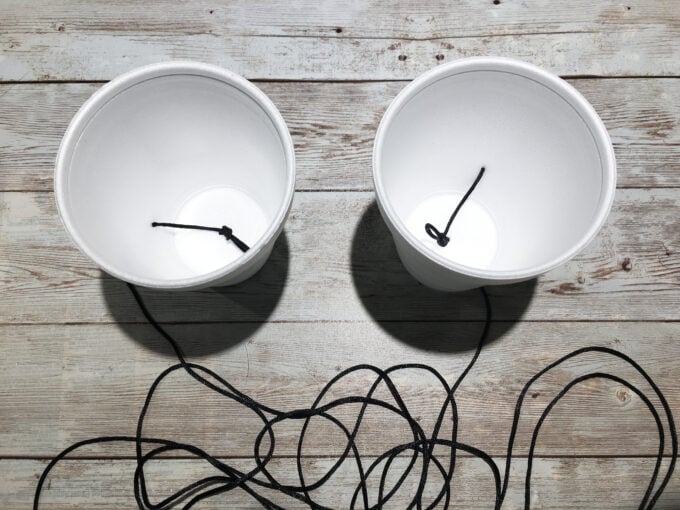
This easy sound science activity works well at home or in the classroom and is a perfect introduction to sound waves and vibration.
The Science Behind It
Field: Physics — Sound Energy
Grades: K–4
Concepts Explored: Sound is energy produced by vibrations; vibrations move through solids; sound waves transfer energy through materials; tension affects sound clarity
Supplies Needed
- 2 paper or plastic cups
- String (about 10 feet works well)
- Nail, push pin, or sharp pencil
- Scissors
How to Make a Cup and String Telephone
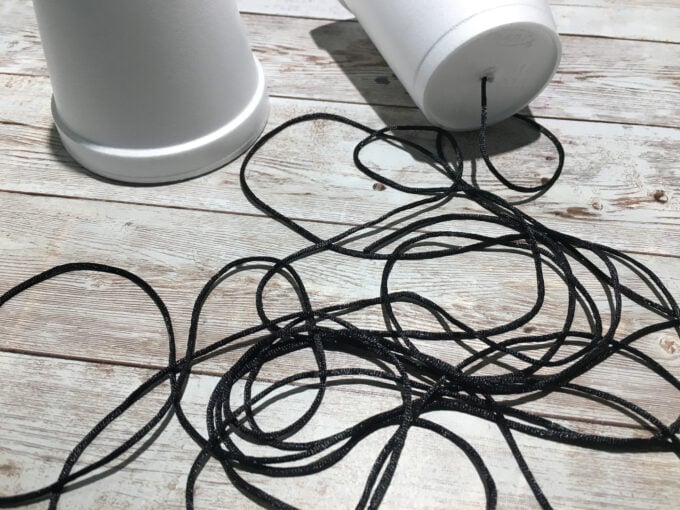
- Poke a small hole in the bottom of each cup.
- Cut a piece of string about 10 feet long.
- Thread one end of the string through each cup.
- Tie a large knot inside each cup to keep the string in place.
- Have two people hold the cups and walk apart until the string is tight.
- Talk quietly into one cup while the other person listens with their cup held to their ear.
- Switch roles and test again.
What’s Happening? (Expanded Science Explanation)
When you speak into the cup, your voice creates sound waves, which are made of vibrations. These vibrations cause the bottom of the cup to vibrate.
When the string is pulled tight, the vibrations propagate along it as mechanical energy. When the vibrations reach the second cup, it vibrates, turning the vibrations back into sound that can be heard.
If the string is loose, bent, or touched, the vibrations are interrupted, and the sound becomes quieter or stops altogether. This shows that sound needs vibrations to travel and that tension matters. When the sound reaches the listener, the vibrations are detected by the ears and sent to the brain. Learn more about the parts of the ear and how hearing works.
💡 Key takeaway: Sound travels as vibrations, and those vibrations move best through solid materials when the string is tight and undisturbed.

Sound Science Guiding Questions
- What happens when the string is tight compared to loose?
- How does touching the string affect the sound?
- Can sound travel if the string is not straight?
- What changes when you whisper instead of talking loudly?
- What materials might carry sound better than string?
Make It a Science Project
Turn this activity into a simple science investigation:
- Test different string lengths
- Try different materials (yarn, fishing line, twine)
- Measure how far apart you can stand and still hear clearly
- Compare paper cups vs. plastic cups
Have kids change one variable at a time and record observations.
Teaching Tip
This activity works especially well as a small-group station or paired investigation. Encourage kids to describe what they hear using words like louder, quieter, clear, and muffled to build sound vocabulary.
More Sound Science Activities to Explore
Find more hands-on activities that investigate sound waves, volume, and how sound travels in our Sound Science for Kids hub.
Looking for more hands-on activities? Explore our collection of physics experiments for kids that investigate sound, energy, and motion.

Turn this activity into a full sound unit.
If your students loved this experiment, expand it into a complete sound science study with 8 investigations, recording pages, and guiding questions already done for you.