
Polar bears are a great example of animal adaptations for kids to study. These Arctic animals survive freezing temperatures, icy water, and months of winter darkness using special body features and behaviors.

In this polar bear science activity, kids will learn polar bear facts, how blubber keeps animals warm, where polar bears live, and how they fit into the Arctic food chain — plus try a simple hands-on insulation experiment and grab a free anatomy of a polar bear printable.
Where Polar Bears Live
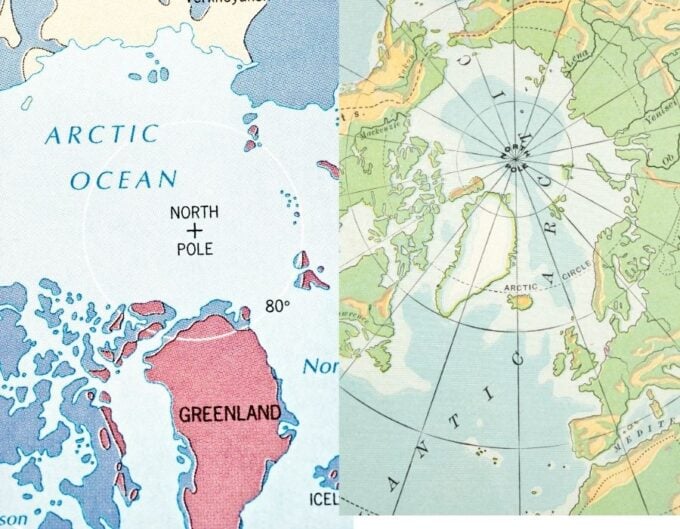
Polar bears live in the Arctic near the North Pole. Unlike Antarctica, the Arctic is mostly covered by floating sea ice over ocean water rather than by solid land. This means polar bears depend on ice for nearly everything — traveling, resting, and hunting.
Think about it:
What would happen if the ground under your feet moved every day?
How Polar Bears Stay Warm
Polar bears survive freezing temperatures because of special features called adaptations.
Animals everywhere have adaptations that help them live in their habitat.
👉 Learn more about animal adaptations for kids.
Thick Fur
Polar bear fur looks white, but it is actually clear. The hairs scatter light so the bear blends into the snow. Under the fur, their skin is black, which helps absorb heat from sunlight.
Blubber Insulation
Under the skin is a thick layer of fat called blubber. Blubber traps body heat and keeps icy water away from the skin.
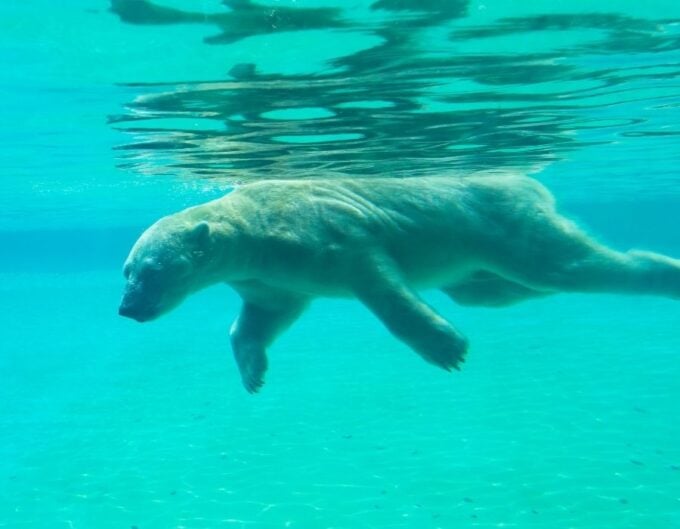
💡 Polar bears can swim for long distances in freezing water because this insulation protects them.
Small Ears & Compact Body
Animals in cold climates lose heat through body parts that stick out. Polar bears have small ears and a compact shape to keep heat inside.
Large Paws
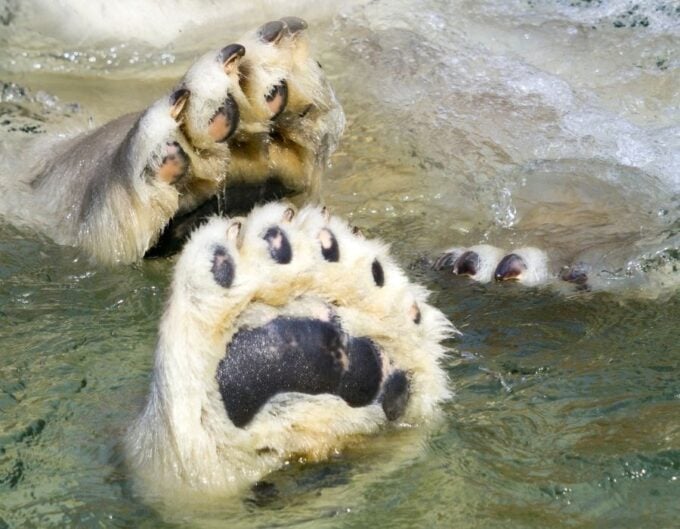
Their wide paws act like snowshoes on ice and paddles in the water, helping them walk without sinking and swim efficiently.
Hands-On Science Activity — Test Insulation
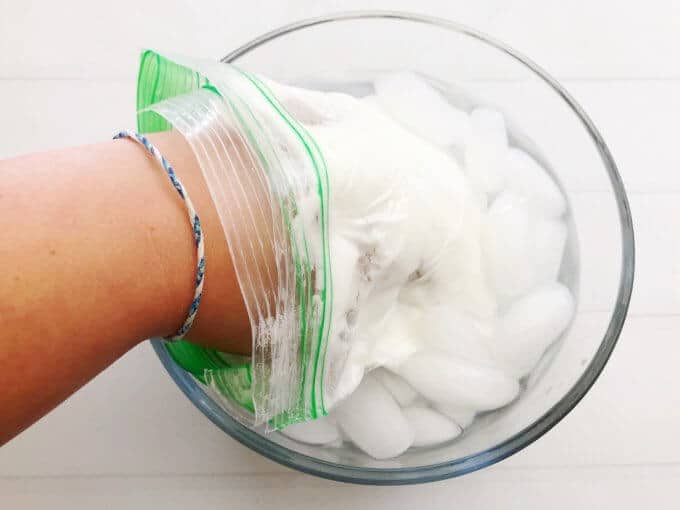
We can model blubber insulation ourselves.
Fill a bowl with ice water.
Place one hand in a plastic bag coated with shortening or vegetable fat, and place the other hand in the water without protection.
Which hand stays warmer? This demonstrates how insulation protects animals from cold environments.
👉 Polar Bear Blubber Insulation Experiment
How Polar Bears Hunt
Polar bears mostly hunt seals. Instead of chasing prey, they wait patiently beside holes in the ice where seals come up to breathe.
Sometimes they wait for hours. Polar bears rely on patience and energy conservation more than speed.
Why Sea Ice Matters
Sea ice is essential for polar bears because it allows them to reach their food. Without ice, they must swim farther and use more energy.
When ice melts earlier in the year, bears may not be able to catch enough food to survive.
Polar Bears and the Food Chain
Polar bears are apex predators — the top of the Arctic food web.
Sun → algae → fish → seals → polar bears
👉 Explore how food chains work for kids.
Free Printable Activity
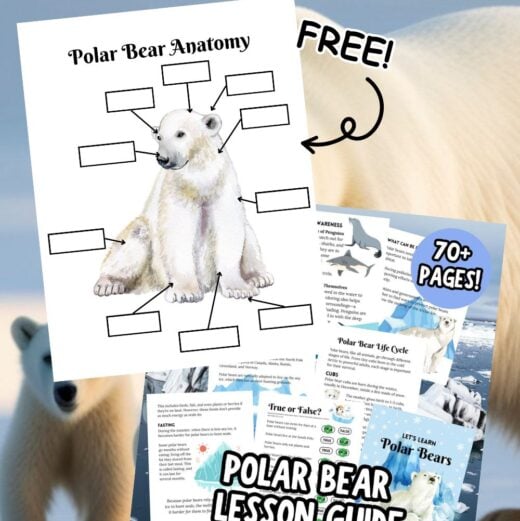
Help kids label the parts that keep a polar bear alive in the Arctic. Download the free Polar Bear Anatomy printable here:
Continue Learning
Now travel to the opposite pole to see a completely different survival strategy:
👉 Read: Penguin Activities for Kids
Or explore the whole frozen ecosystem:
👉 Read: Arctic Animals Activities for Kids
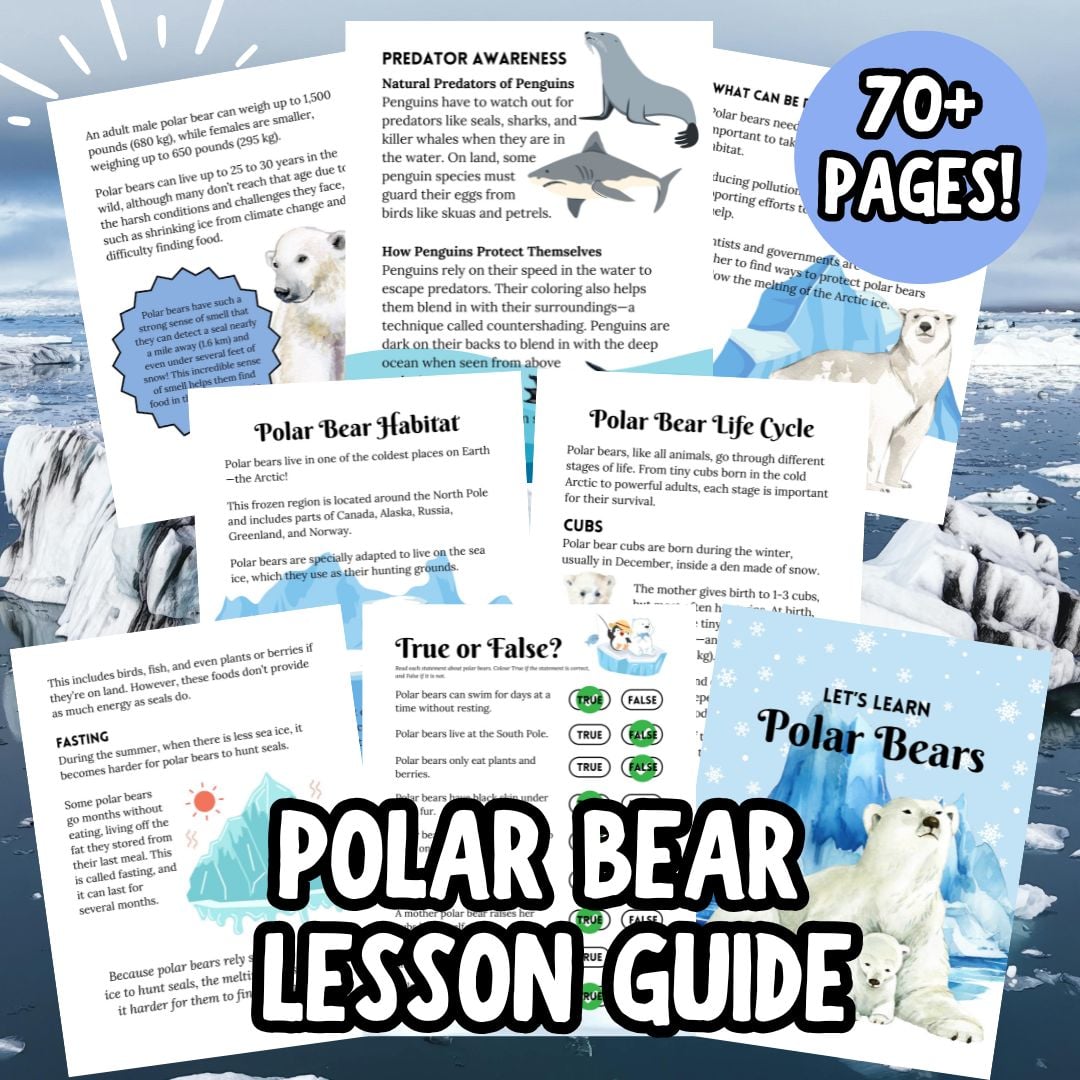
Want the Full Polar Bear Study?
The complete Polar Bear printable unit extends this lesson with life-cycle activities, quizzes, reading pages, and ecosystem connections.