

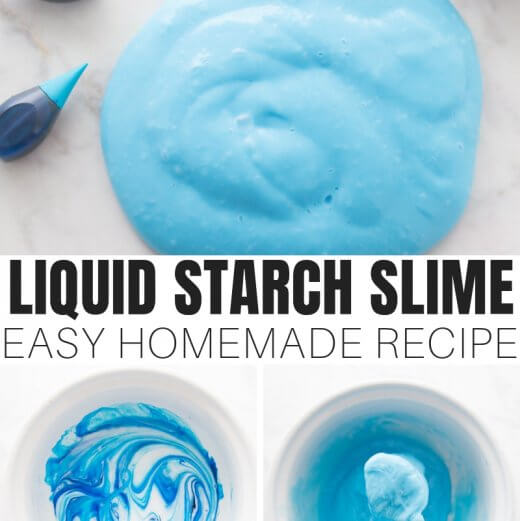
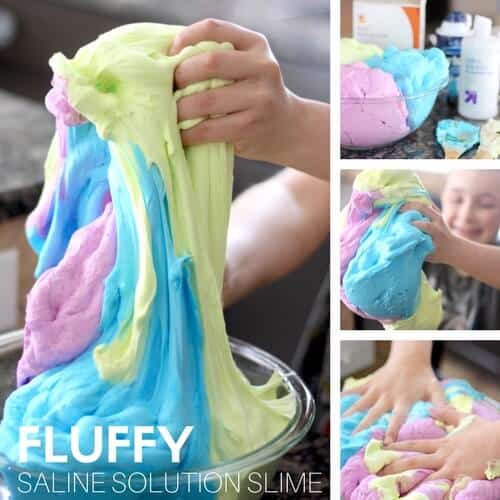
Looking for an easy slime recipe with liquid starch that actually works? This homemade slime recipe uses just 3 simple ingredients to make stretchy, squishy slime in only a few minutes.
Liquid starch slime is one of the easiest ways to introduce kids to basic chemistry and polymers because they can see how materials change when combined. As the glue and liquid starch mix together, they form long, stretchy polymer chains that create the slime texture kids love.
This simple slime recipe is perfect for classrooms, camps, STEM activities, summer learning, sensory play, and hands-on chemistry fun at home.
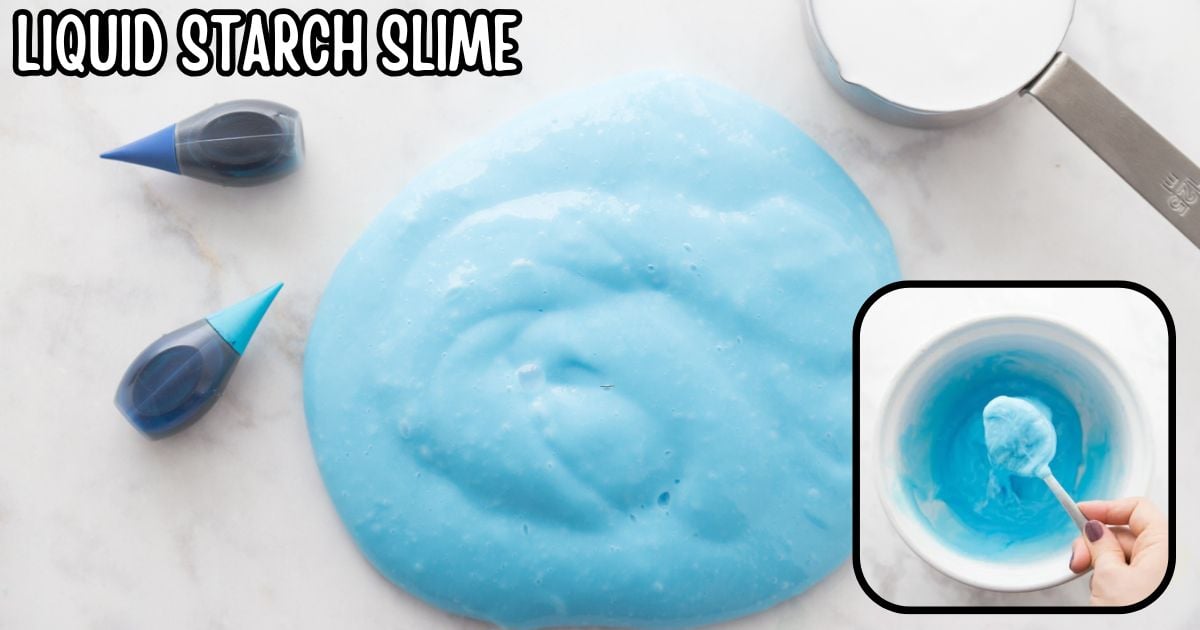
What Kids Learn From Making Slime
Making slime is more than just sensory play. This activity introduces important chemistry concepts in a fun and hands-on way.
Field: Chemistry—Polymers
Grades: K–5
Concepts Explored: Polymers, non-Newtonian fluids, material properties, viscosity, chemical reactions, cross-linking reactions.
Kids Can Explore:
- How liquids change into new materials
- Why slime stretches and flows differently than water
- How polymers form long chains
- What makes slime thick, stretchy, or rubbery
- How changing ingredients affects texture
Supplies Needed
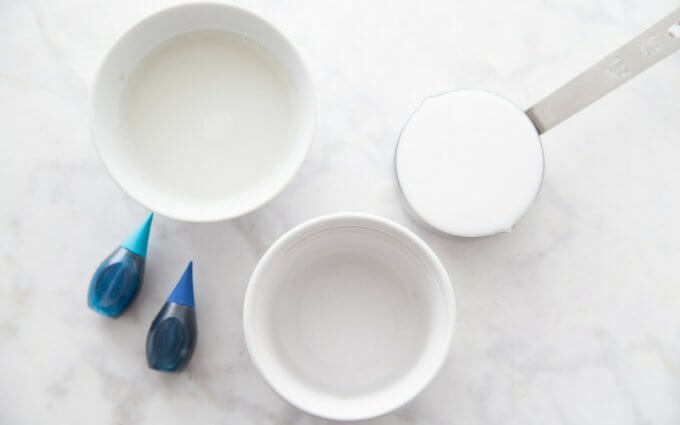
- ½ cup washable PVA glue (white or clear)
- ½ cup water
- ¼–½ cup liquid starch (such as Sta-Flo)
- Food coloring (optional)
- Glitter, confetti, foam beads, or sequins (optional – best with clear glue)
💡 Explore our favorite slime supplies here.
How to Make Liquid Starch Slime
How to Make Slime With Liquid Starch
Step 1
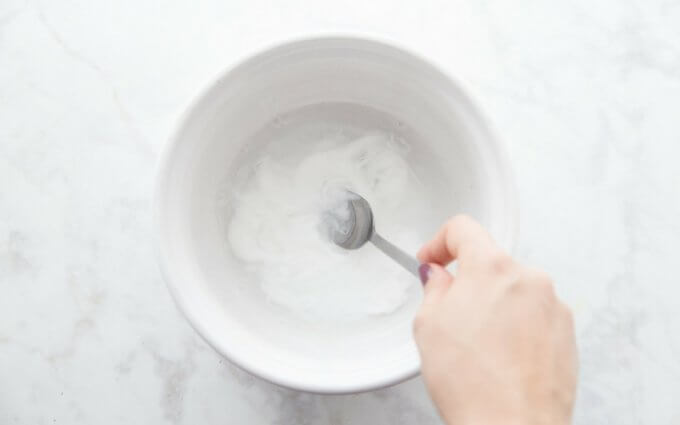
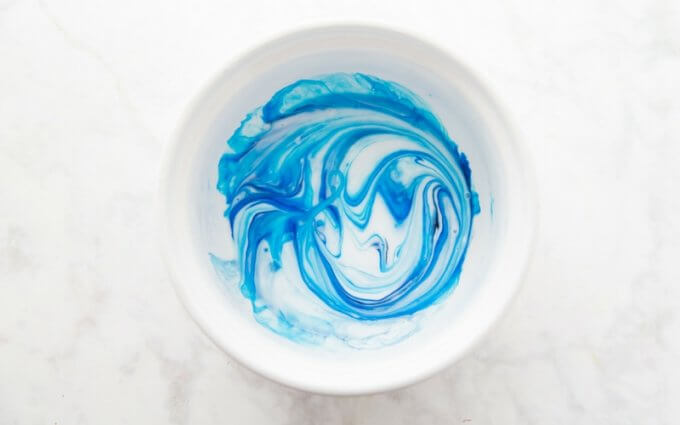
Add the glue and water to a bowl and stir until completely combined.
Step 2
Mix in food coloring, glitter, or other fun slime mix-ins if desired.
Step 3
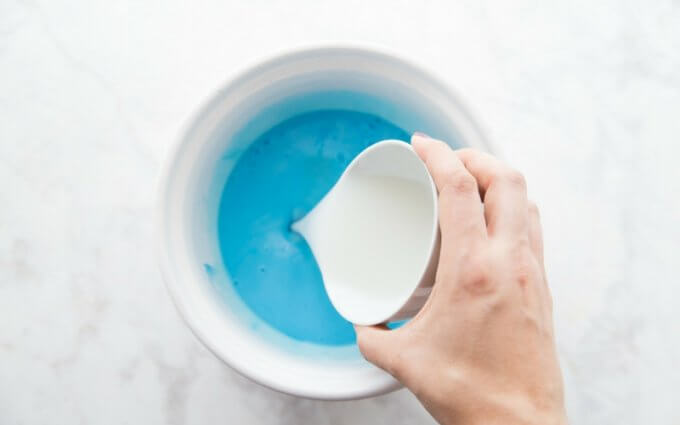
Slowly pour in ¼ cup liquid starch while stirring continuously.
Step 4
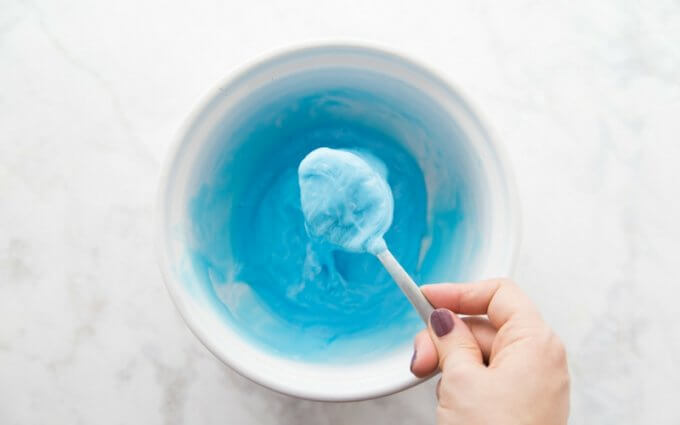
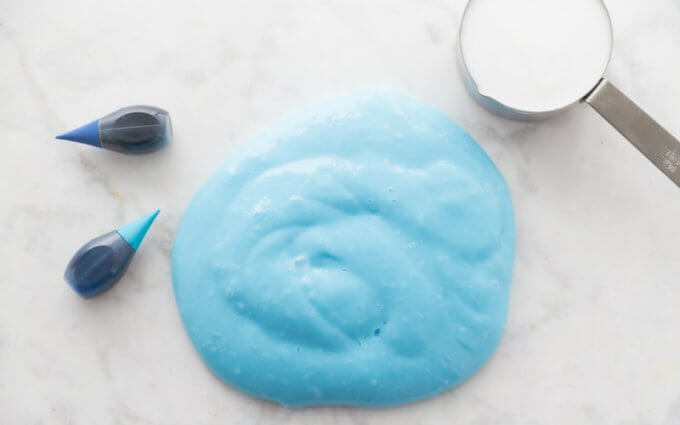
As the slime begins pulling away from the sides of the bowl, remove it and knead with your hands until smooth and stretchy.
If the slime still feels sticky after kneading, add a small amount of additional liquid starch.
💡 Tip: Add a few drops of liquid starch to your hands before kneading to reduce stickiness.
👉 This recipe works perfectly for lifting and blowing bubbles — try the full how to make slime bubbles activity here.
What Is Liquid Starch?
Liquid starch is a laundry product traditionally used to stiffen fabric. In slime recipes, it works as a slime activator because it contains borate compounds that react with glue to form slime.
Not all starch products work the same way. Spray starch and homemade starch alternatives usually do not contain enough borate to activate the glue properly.
Slime Science Explained
Making slime is chemistry in action!
When you combine glue and liquid starch, the borate ions in the starch react with the polyvinyl acetate (PVA) in the glue. This creates long connected polymer chains that transform the mixture from a liquid into stretchy slime.
A polymer is a material made of repeating chains of molecules. Many everyday materials are polymers, including rubber, plastic, gelatin, and even DNA.
Because slime can behave like both a solid and a liquid, it is considered a non-Newtonian fluid.
Why Does Slime Stretch?
The long polymer chains in slime can slide past each other slowly, allowing the slime to stretch and flow. But when pulled quickly, the chains resist movement and the slime can snap or break.
Changing the amount of activator changes how tightly the polymer chains connect:
- More activator = thicker, firmer slime
- Less activator = softer, stretchier slime
💡 Explore more slime science and polymer experiments here.
Slime Activators Comparison Chart
| Activator Type | Texture | Difficulty | Borate Source |
|---|---|---|---|
| Liquid Starch | Stretchy | Easy | Sodium Borate |
| Saline + Baking Soda | Soft and stretchy | Medium | Sodium Borate |
| Borax Solution | Rubbery | Medium | Borax Powder |
| Contact Lens Solution | Slightly rubbery | Medium | Boric Acid |
🔎 All effective slime activators include a borate compound that reacts with glue to form slime.
Experiment With Slime Chemistry
Turn this slime recipe into a simple science experiment by changing one variable at a time.
Try Testing:
- More vs less liquid starch
- White glue vs clear glue
- Warm water vs cold water
- Different slime mix-ins
- Stretch distance between slime recipes
Ask Questions Like:
- Which slime stretches the farthest?
- Which slime feels the softest?
- What happens when you add too much activator?
- How does the slime texture change?
How to Store Slime
- Store slime in an airtight container or zip-top bag
- Keep away from direct sunlight or heat
- If slime becomes stiff, knead in a few drops of warm water
- Properly stored slime usually lasts 1–2 weeks
Grab the Free Slime Science Starter Lab
Want to turn slime-making into a real chemistry activity?
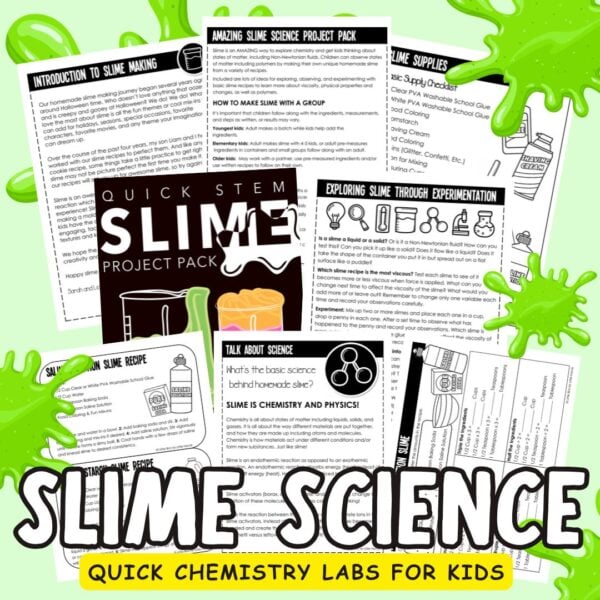
This free printable Slime Science Starter Lab introduces kids to polymers, slime activators, non-Newtonian fluids, and hands-on slime investigations through simple STEM challenges and observation activities.
Inside the free guide:
- Slime science explanations
- Investigation prompts
- Observation pages
- STEM questions
- A 5-day slime chemistry lab plan
Slime FAQ
Why is my slime sticky? Usually, the slime needs more kneading time or a small amount of extra liquid starch. Add activator slowly to avoid making the slime rubbery.
Why did my slime turn rubbery? Too much liquid starch creates too many polymer cross-links, making the slime stiff instead of stretchy.
Can I use spray starch instead of liquid starch? No. Spray starch does not contain the correct borate compounds needed to activate slime.
Does liquid starch contain borax? Most liquid starch products contain sodium borate or similar borate compounds that react with glue to form slime.
What glue works best for slime? Washable PVA school glue works best because it reacts properly with slime activators.
Can I make homemade liquid starch? No. Homemade starch alternatives usually do not contain the borate compounds needed for slime-making.
Is slime safe for kids? Yes, with adult supervision and proper handwashing after play.
Slime Troubleshooting Tips
Even simple slime recipes sometimes need small adjustments depending on the glue, humidity, or amount of activator used. These quick guides can help fix the most common slime problems.
Common Slime Fixes
- How to make slime less sticky
- How to soften stiff slime
- Why slime gets rubbery
- How to fix overactivated slime
- Why slime breaks instead of stretches
👉 Look through the how to fix slime troubleshooting guide!
Helpful Slime Guides
- Slime science explained
- How to make stretchy slime
- Best slime activators explained
- Best glue for slime
- Slime safety tips
More Slime Chemistry Activities
👉 Go ahead and turn it into a slime science fair project.
Stretchy & Soft Slimes
Texture-Based Slimes
STEM Slime Experiments
Polymer Science Activities
Take Slime Further
Once kids make their first batch of slime, they usually want to start experimenting:
- What makes slime stretchier?
- Why does one slime feel rubbery?
- What happens if you change the activator?
- Which slime recipe works best?
That’s where slime becomes real chemistry.
Printable Slime Science Investigation Pack
Want to turn slime-making into a real chemistry investigation?
This printable Slime Science Investigation Pack helps kids explore polymers, slime activators, non-Newtonian fluids, and material properties through hands-on STEM activities and guided experiments.
Inside you’ll find:
- Slime experiment prompts
- Investigation worksheets
- Observation pages
- Variable testing charts
- Slime science activities
- Vocabulary pages
- STEM extensions
- Science fair ideas
Perfect for classrooms, homeschool science, STEM clubs, camps, and screen-free summer learning.
👉 See the Slime Science Investigation Pack here.


Thank you for your wonderful science ideas
You’re welcome Melissa!
Does slim stain and/or get stuck in carpet and other fabric
Yes it can and it will stick to fabrics and carpet!
Just came across your website, as my daughter requested a science bday party. Fantastic site! I was wondering if it is okay to add craft paint to th is recipe instead of food coloring?