

When you hear about butter slime, does it make you think of slime made from a stick of butter? That would be something, wouldn’t it? However, our easy-to-make butter slime recipe doesn’t use butter or the traditional soft clay either. Try this fun homemade slime recipe today for cool textured slime!
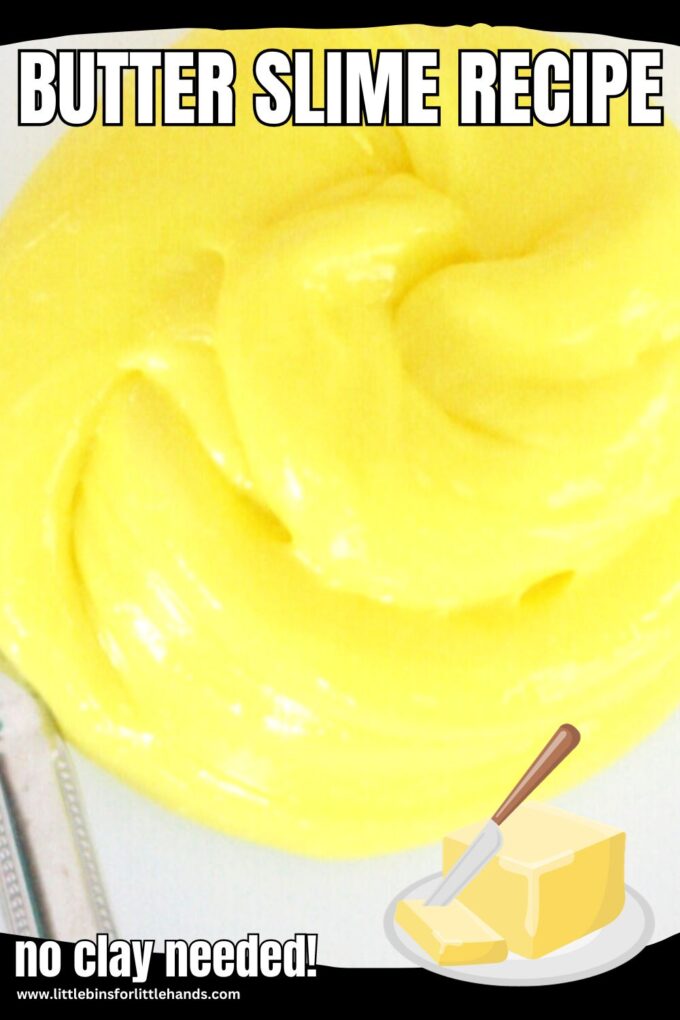
Butter Slime Recipe
Want to get the smooth buttery texture of butter slime without clay? The secret ingredient is cornstarch!
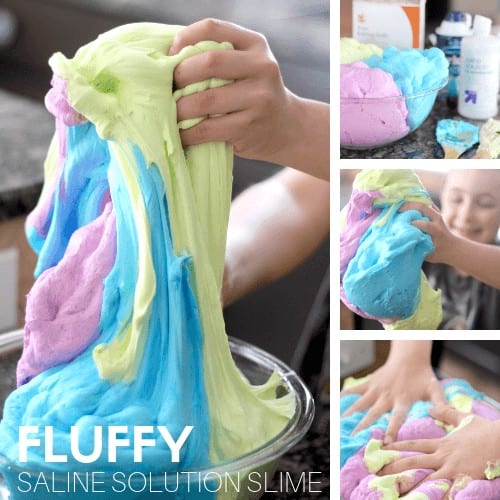
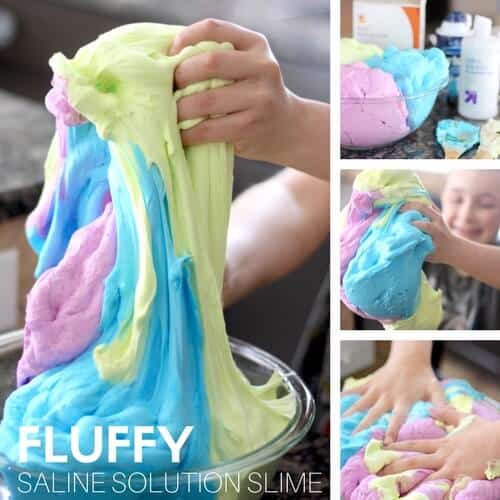
You can use any of our basic slime recipes to make butter slime, but here we use our liquid starch slime recipe. You could also use our saline solution slime recipe or borax slime recipe!
Ingredients:
- 1/2 Cup of Washable PVA White Glue
- 1/4-1/2 Cup of Liquid Starch
- 1/2 Cup of Water
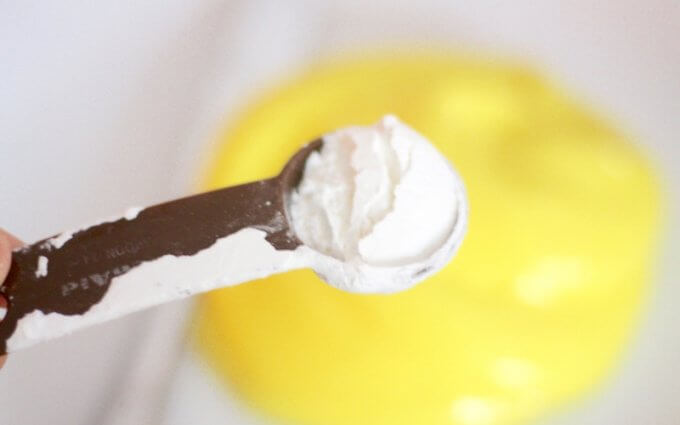
- 3 tablespoons Corn Starch
- Yellow Food Coloring (optional)
- Bowl, Spoon, Measuring Cups
- Play Kitchen or Play Dough tools (optional)
Step By Step Instructions:
STEP 1: In a bowl, add 1/2 cup water and 1/2 cup glue and mix well to combine completely.
STEP 2: Now’s the time to add yellow food coloring (or color of your choice) and cornstarch. Mix well.
STEP 3: Pour in 1/4 cup of liquid starch and stir well.
You will see the slime immediately start to form and pull away from the sides of the bowl. Keep stirring until you have a gooey blob of slime. The liquid should be gone!
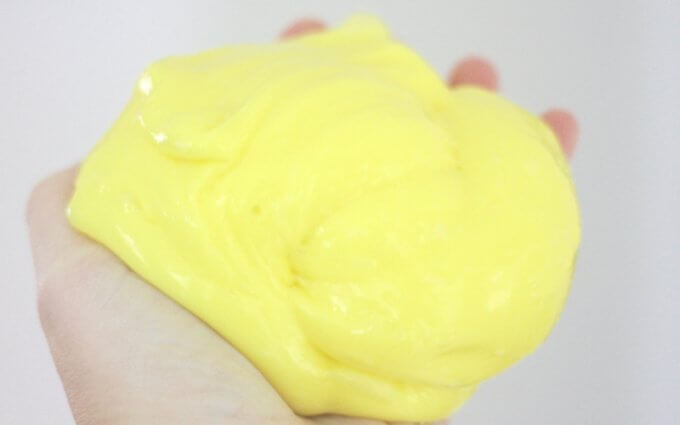
STEP 4: Start kneading your slime! It will appear stringy at first but work it around with your hands and you will notice the consistency change.
SLIME MAKING TIP: The trick with liquid starch slime is to put a few drops of the liquid starch onto your hands before picking up the slime. However, keep in mind that although adding more liquid starch reduces the stickiness, and it will eventually create a stiffer slime.
What Is Butter Slime?
Why is butter slime named butter slime? Honestly, I don’t have an official answer just my thoughts.
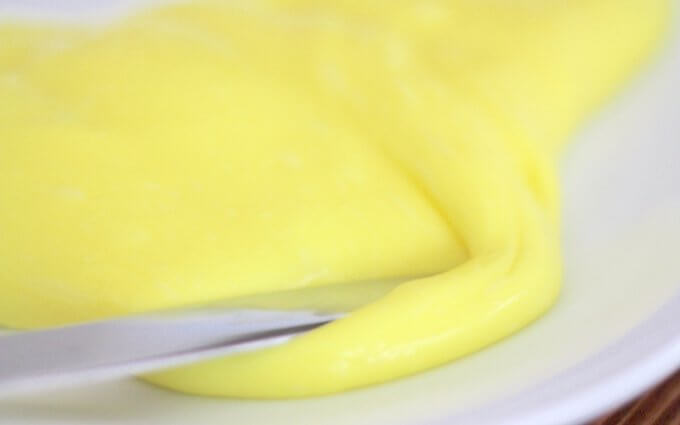
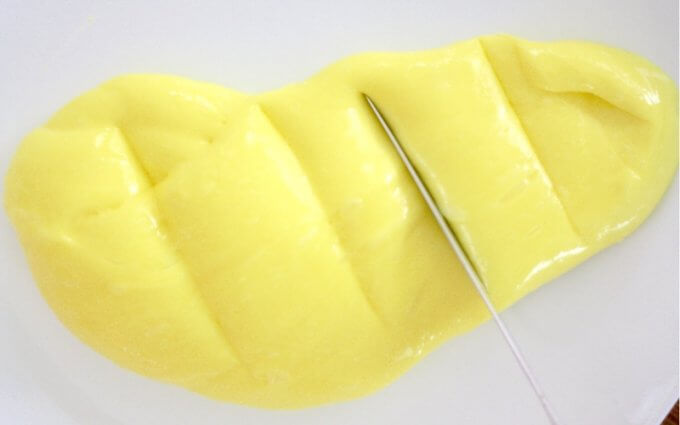
Butter slime feels soft and silky. It’s firmer but still smooth and stretchy. Of course, butter isn’t stretchy! However, this slime keeps more of a shape, and you can add play dough tools to it or even a butter knife and make chunks.
Of course, this pale yellow-colored slime also resembles a rich yummy stick of butter. Just no tasting allowed. Now you could also make real butter for a cool science activity. That would be tasty!
More fun with butter slime! Also, check out our traditional clay slime recipe!
Tips for Making Softer, Stretchier Butter Slime
- You can add 1 to 2 teaspoons of lotion to the glue to make a softer butter slime.
- Add more lotion or baby oil if the slime becomes too firm over time.
- Use a small amount of cornstarch to avoid over-thickening; adding too much will make it crumbly.
- Be careful not to over-activate the slime, as this can make the slime less stretchy.
- Knead the slime thoroughly. If it’s too stiff, massage in more lotion or a few drops of water to improve its elasticity.
- Store the slime in an airtight container to keep it soft and prevent drying out.
Fun Butter Slime Variations
- Add a few drops of vanilla extract, essential oils, or scented lotion to make your slime smell amazing.
- Use food coloring or paint to make vibrant colors. Add it to the glue mixture before adding cornstarch.
- Mix in fine glitter or metallic powders for a sparkly look.
- Add glow-in-the-dark powder or glow paint to make your slime light up in the dark.
For Younger Kiddos: Make a taste safe cornstarch dough from cornstarch, water, and food coloring. This version won’t last as long but is safe for younger kids.
Get Your Free Printable Slime Recipe!
Helpful Slime Making Resources
These are the best resources to look through before, during, and after making your awesome butter slime! We talk more about slime science below too.
The Science of Slime
We always like to include a bit of homemade slime science around here! Slime is an excellent chemistry demonstration, and kids love it too!
Mixtures, substances, polymers, cross-linking, states of matter, elasticity, and viscosity are just a few science concepts that can be explored with homemade slime!
How do you make slime? The borate ions in the slime activator (sodium borate, borax powder, or boric acid) mix with the PVA (polyvinyl acetate) glue and form this cool, stretchy substance. This is called cross-linking!
The glue is a polymer of long, repeating, and identical strands or molecules. These molecules with flow past one another and keep the glue liquid. Until…
You add the borate ions to the mixture, and it then starts to connect these long strands together. They begin to tangle and mix until the substance is less like the liquid you started with and thicker and rubbery like slime! Slime is a polymer.
Picture the difference between wet spaghetti and leftover spaghetti the next day. As the slime forms, the tangled molecule strands are much like a clump of spaghetti!
>>> What is Slime? Read more about slime science here.
Is slime liquid or solid?
Slime is called a non-Newtonian fluid because it’s a bit of both! Experiment with making the slime more or less viscous with varying amounts of foam beads. Can you change the density?
What To Do With Leftover Cornstarch?
Remember to keep cornstarch on hand! Cornstarch is always one of the supplies packed into our homemade science kits! It’s a terrific ingredient for cool kitchen science activities and is great to have on hand to whip up an easy science experiment!
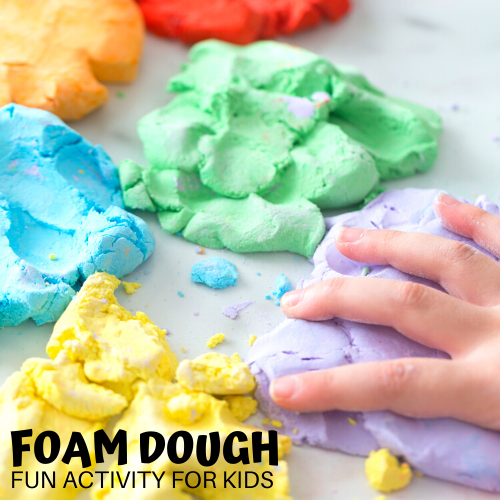
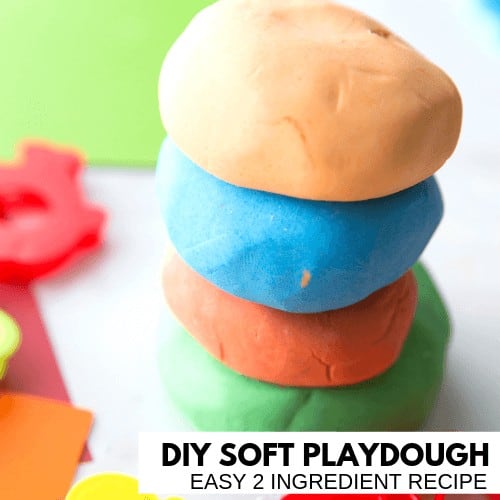
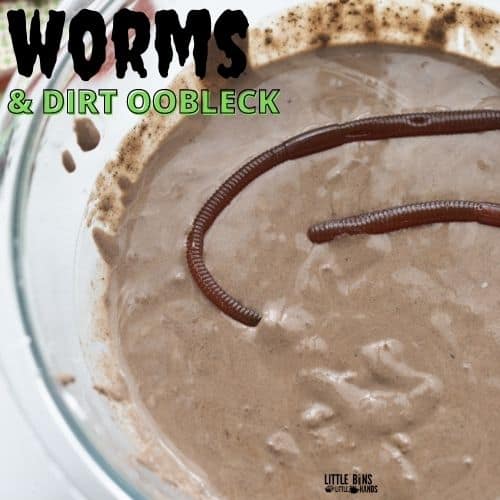
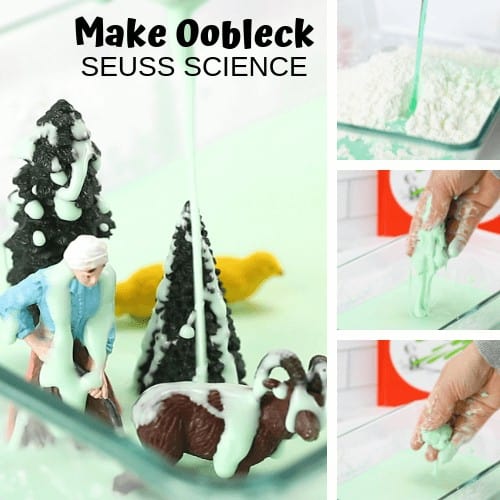
Some of our favorite cornstarch recipes…
More Unique Slime Recipes To Make
Even the biggest slime-making fan will enjoy these homemade slime recipes and more!
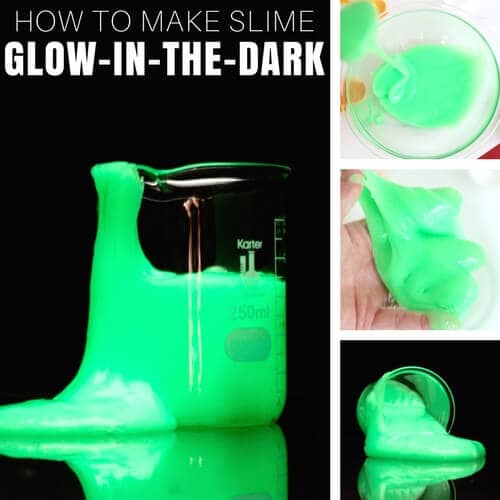
- Glow in the Dark Slime
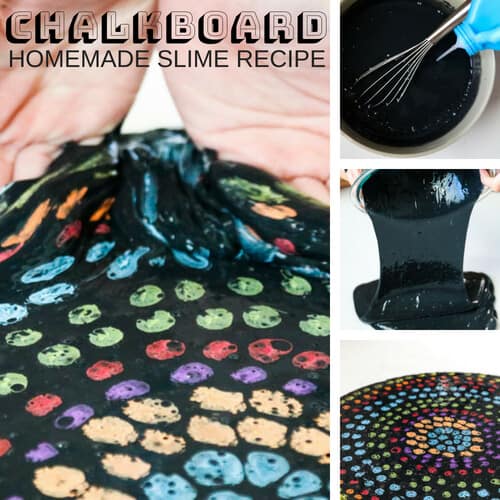
- Chalkboard Slime
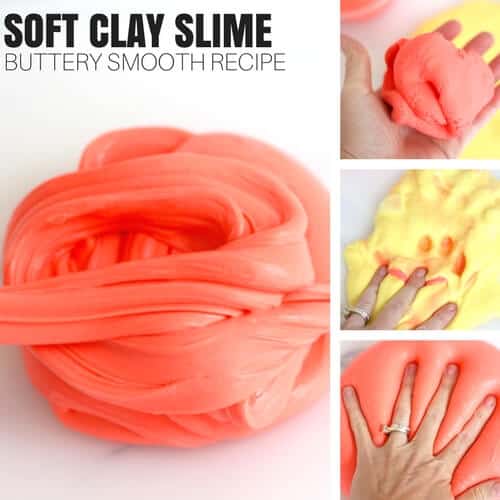
- Butter Slime with Soft Clay
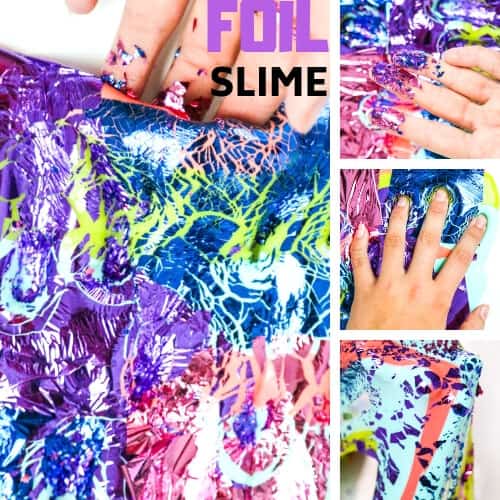
- 90’s Foil Slime
- Taste Safe Marshmallow Slime
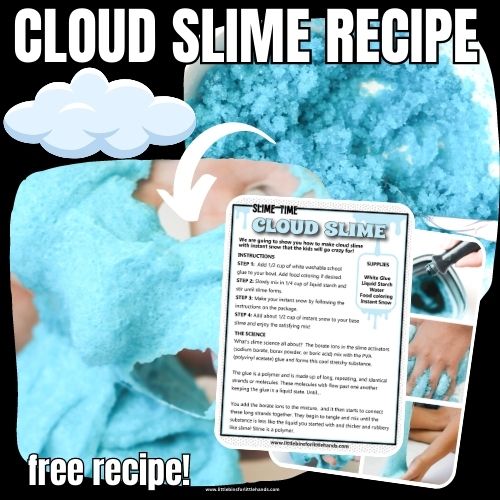
- Cloud Slime
Printable Ultimate Slime Guide
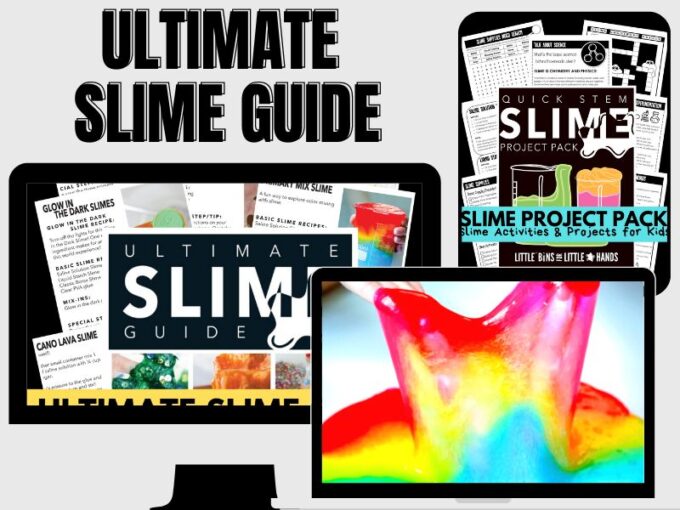
Want access to all of these recipes in an easy-to-download guide, plus tons of extras? You need our Ultimate Slime Guide. We tested the recipes so that you can enjoy them!

3 Comments
Comments are closed.