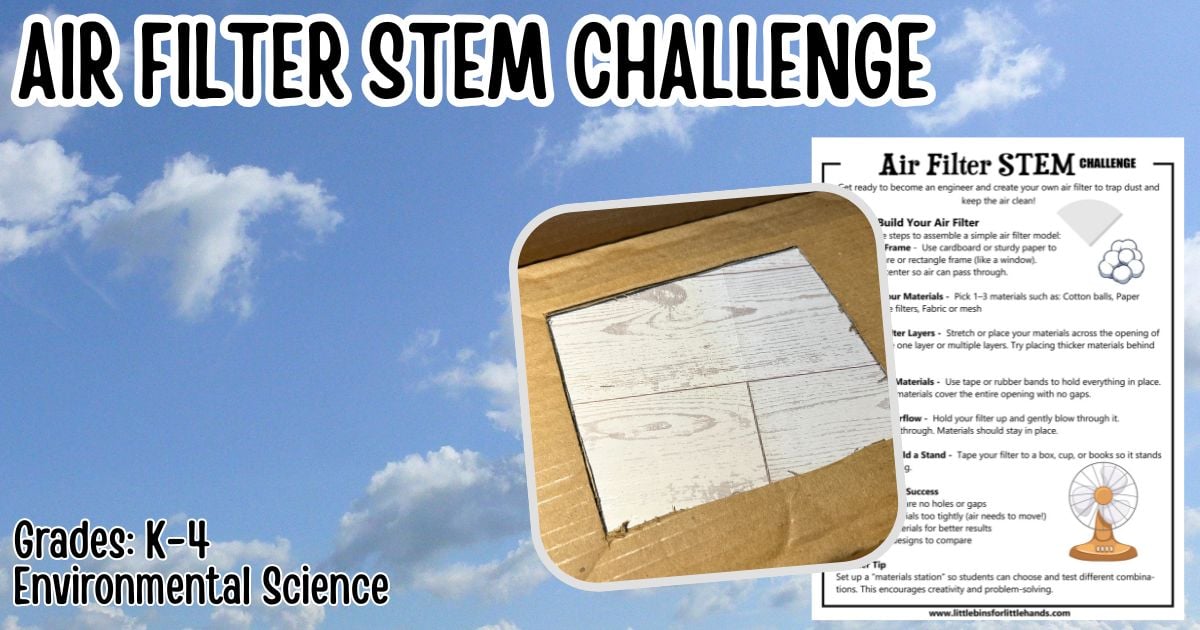
Can you design a filter that cleans dirty air? In this hands-on air filter STEM challenge, kids become engineers as they build and test their own air filtration system. Using simple materials, students explore how air pollution works and how filters help trap harmful particles.
This activity introduces the engineering design process while connecting to real-world environmental science.
Explore More Air Pollution Activities
Looking for more hands-on ways to explore air pollution?
👉 Air Pollution Activities for Kids
The Science + Engineering Behind It
Field: Environmental Science + Engineering
Grades: K–4
Concepts Explored: Air pollution, filtration, particle movement, engineering design, problem-solving
Air pollution consists of tiny particles such as dust, smoke, and chemicals that float in the air. These particles can travel through the air and enter our lungs when we breathe.
Air filters work by trapping particles as air passes through different materials.
Students will explore:
- How materials can catch particles
- Why airflow is important for filtration
- How layering materials can improve results
- Why some particles are harder to trap than others
In real life, air filters are used in homes, schools, and cars to help keep the air clean.
Take the Air Filter STEM Challenge
Can you design and build an air filter that traps pollution?
Students will:
- Plan a design
- Build a filter
- Test how well it works
- Improve their design
💡 This is a classic engineering design challenge focused on solving a real-world problem.
Supplies Needed
- Cardboard or sturdy paper (for frame)
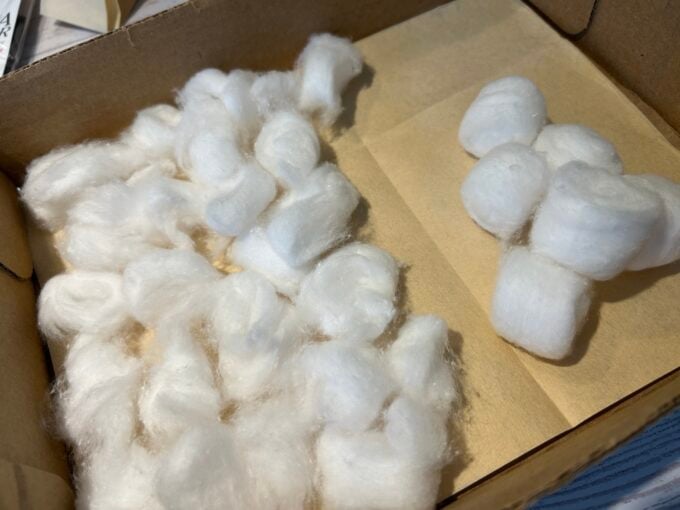
- Cotton balls
- Paper towels
- Coffee filters
- Fabric or mesh
- Tape or rubber bands
- Optional: fan, straw, or blower for testing
- “Pollution” (pepper, dust, cocoa powder)
How To Build Your Air Filter
Follow these steps to create your filter model:
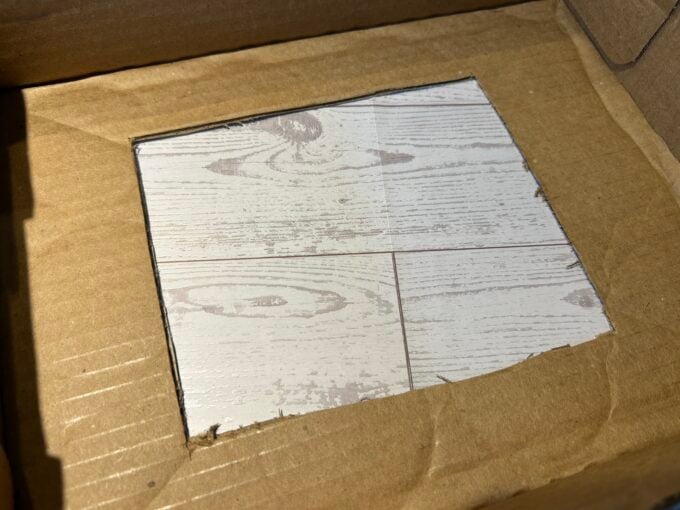
1. Create a Frame
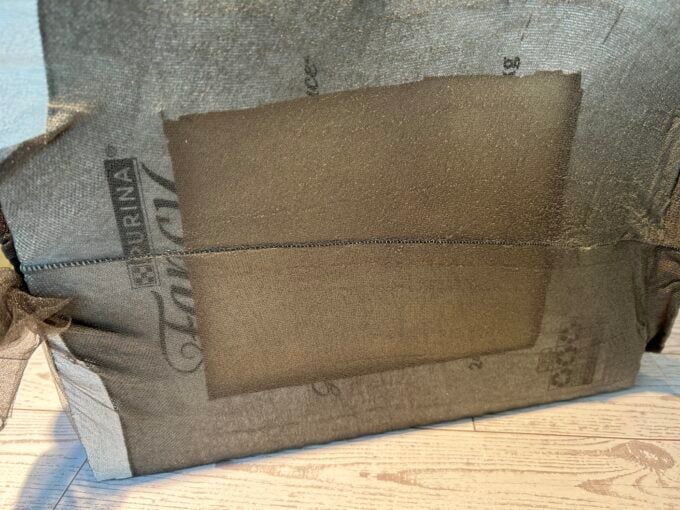
Cut a square or rectangle out of cardboard to create a window-like frame. Air should be able to pass through the center.
2. Choose Your Materials
Select 1–3 materials such as cotton, paper towels, coffee filters, or fabric. Different materials will give different results.
3. Add Filter Layers
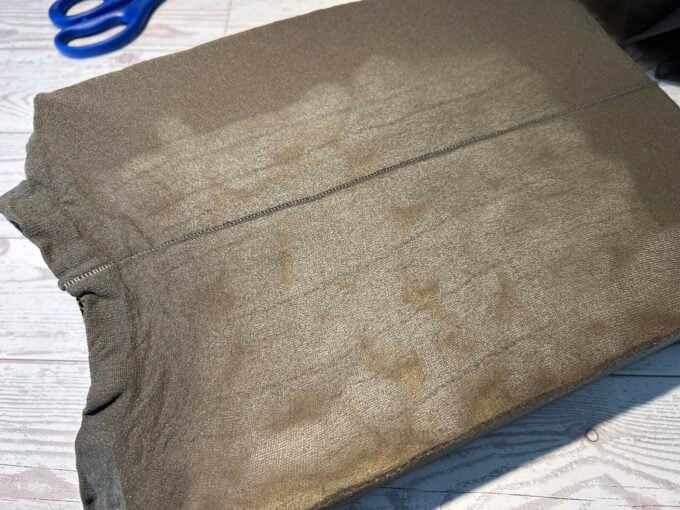
Stretch or place your materials across the opening. You can use one layer or multiple layers.
Try:
- Thin layer first, thick layer behind
- Multiple materials combined
4. Secure the Filter
Use tape or rubber bands to hold materials in place. Make sure there are no gaps through which air can pass without being filtered.
5. Test Airflow
Blow gently through the filter. Air should pass through, but the materials should stay in place.
6. Set Up for Testing
Stand your filter upright using a box, books, or a cup so you can test it easily.
How To Test Your Air Filter
Now it’s time to test your design and see how well it works!
Step 1: Add “Pollution”
Sprinkle a small amount of pepper, cocoa powder, or fine dust onto your filter.
This represents tiny particles found in polluted air.
Step 2: Move Air Through the Filter
Push air through your filter using one of the following:
- Blow gently with your breath
- Use a fan
- Blow through a straw
Try to keep the airflow consistent for each test.
Step 3: Observe What Happens
Look closely at your filter and the area behind it.
Ask:
- Did the filter trap the particles?
- Did any particles pass through?
- Which materials worked best?
Step 4: Improve Your Design (Optional but Powerful)
Change one thing and test again:
- Add another layer
- Try a different material
- Adjust how tightly materials are packed
This is how engineers improve real designs!
The Engineering Design Process
This activity uses the engineering design process to solve a real-world problem: cleaning polluted air.
Students will:
- Ask: How can we design a filter that cleans dirty air?
- Imagine: What materials might trap particles best?
- Plan: Choose materials and decide how to build the filter
- Create: Build the air filter
- Test: See how well it traps particles
- Improve: Make changes to create a better design
🔎 Encourage students to test more than one design and improve their results each time.
What Affects How Well a Filter Works?
- Material Type: Soft, fibrous materials like cotton trap more particles.
- Layering: Multiple layers can improve filtration—but too many layers can block airflow.
- Airflow: Air must be able to move through the filter for it to work.
- Particle Size: Larger particles are easier to trap than smaller ones.
Real-World Connection
Air filters are used in:
- Homes (HVAC systems)
- Schools
- Cars
- Air purifiers
💡 They help remove harmful particles and improve air quality.
Extension Ideas
- Compare different student designs
- Build a second version and improve it
- Pair with a lung model experiment
- Add a clean vs dirty air observation activity
Teacher Tips
- Set up a materials station so students can test different combinations
- Encourage creativity and multiple designs
- Focus on testing and improving rather than getting a “perfect” result
Grab the Free Air Filter STEM Printable
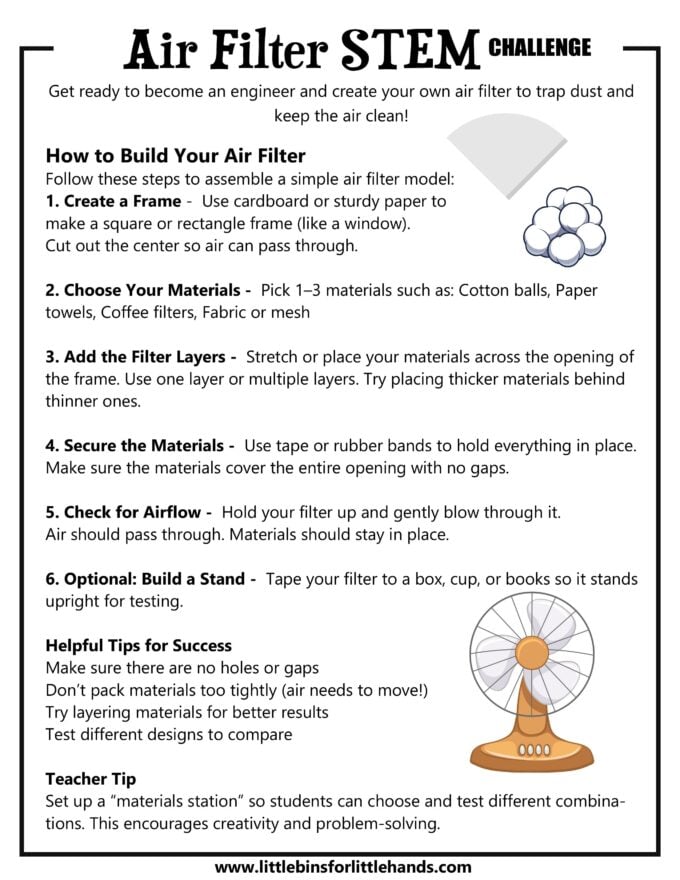
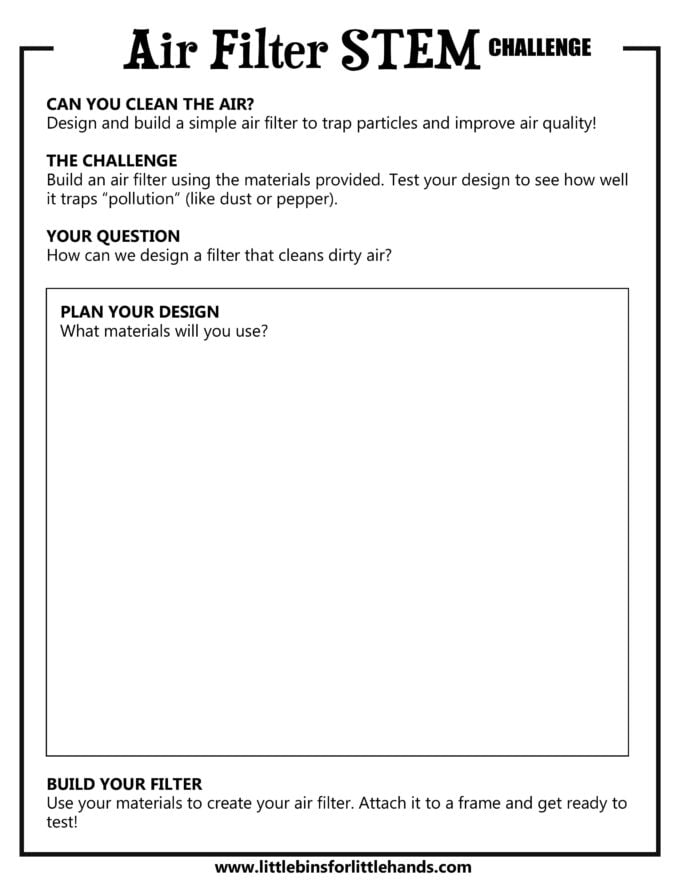
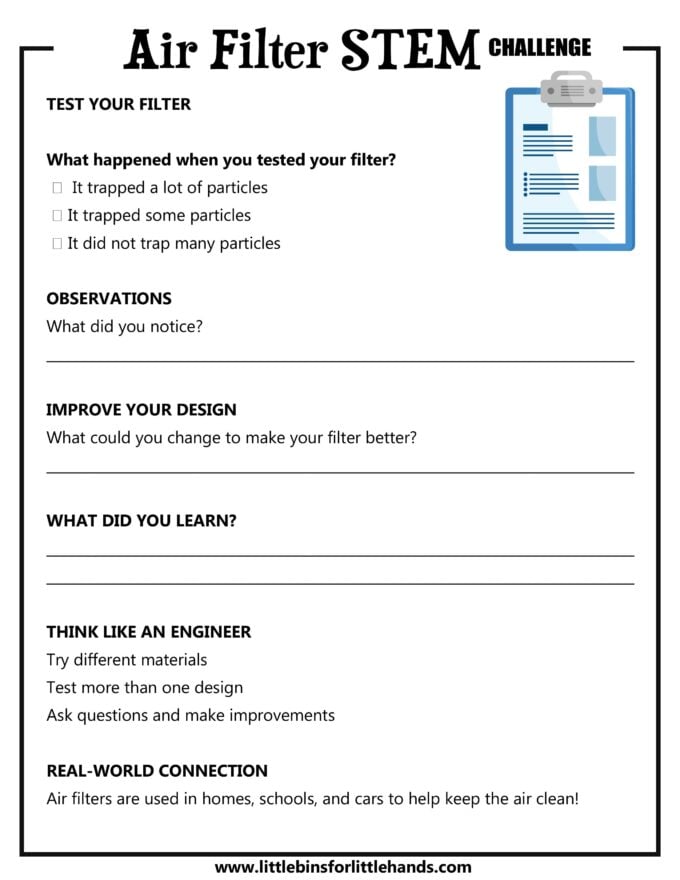
Make this activity even easier with printable worksheets that guide students through:
- Planning their design
- Building their filter
- Testing and recording results
👉 Grab your Air Filter STEM Challenge printable here
Explore All Pollution Activities
Want to explore more environmental science activities?
👉 Pollution Activities for Kids
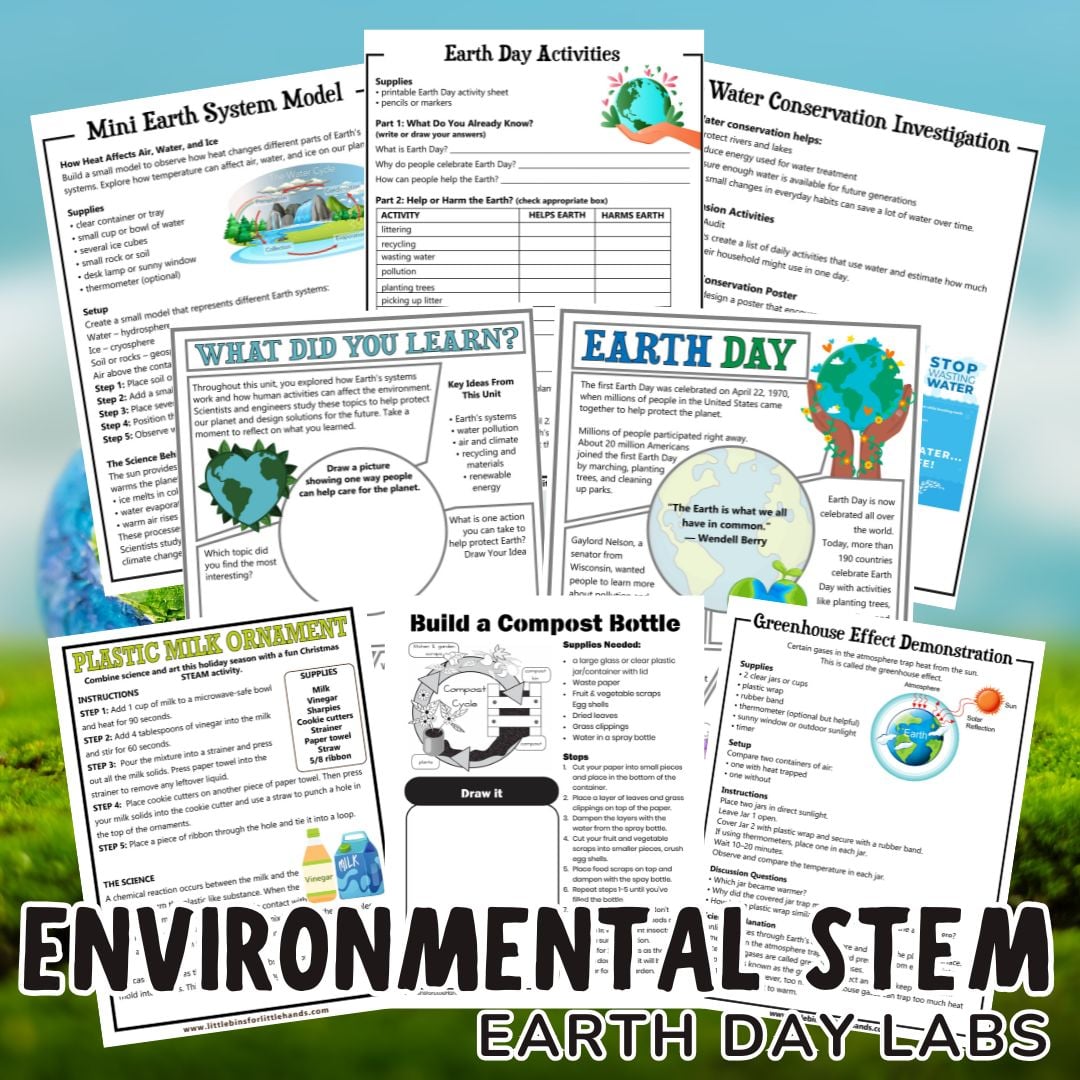
Want Everything Organized for You?
Planning Environmental or Earth Day lessons doesn’t have to mean jumping between 20 different tabs. Our Environmental STEM Printable Pack brings everything together in one ready-to-use resource, with vocab, NGSS questions, and quick-start tips.