
Looking for engaging spring flower activities for kids that combine science and art?
This 7-day lesson plan brings together hands-on experiments, creative art projects, and observation-based learning to help kids explore how flowers grow, change, and function.
Each day includes a simple science idea, a connected art activity, and a focus on observation—perfect for classrooms, homeschool, or spring learning at home.
What Kids Will Learn
This unit introduces key concepts in a simple, hands-on way:
- Parts of a flower and plant structure
- How water moves through plants
- Pollination and plant reproduction
- Color mixing and absorption
- Patterns in nature
- Environmental impact on plants
👉 You can also explore more in our Spring Science Activities and Flower Crafts for Kids collections.
Start Here: Ongoing Projects (Use All Week)
To make these spring flower activities even more meaningful, add one or both of these ongoing projects throughout the week.
These help students track learning, build connections, and stay engaged across all 7 days.
Scientific Illustration Journal
Have students keep a simple journal to record what they observe each day. A blank composition book, a simple kraft paper cover journal, or even computer paper folded and stapled will work!
They can:
- Draw flowers and label parts
- Record experiment results
- Show changes over time
- Add simple written observations
👉 Learn more about scientific illustration here. This works especially well alongside activities like the color-changing flowers experiment, where students can track how color and water move.
💡 Tip: Encourage students to draw what they actually see—not what they think a flower “should” look like.
Flower Life Cycle Project
As students learn about flowers, they can build a simple project to show how plants grow and change.
Add one piece at a time:
- Parts of a plant
- What plants need to grow
- Pollination
- Flowering stage
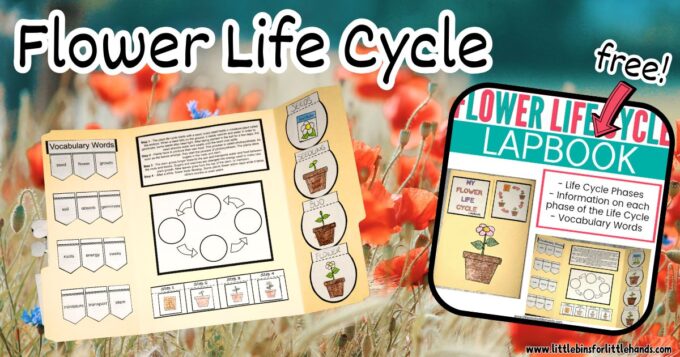
👉 You can use a printable like this flower life cycle lapbook or create a simple foldable version.
💡 Tip: This makes a great review activity at the end of the week and gives students something to take home.
Why Add Ongoing Projects?
Ongoing projects help students:
- Connect ideas from day to day
- Build a stronger understanding through repetition
- Practice observation and recording skills
- Create a complete picture of how flowers grow and change
7-Day Spring Flower STEAM Lesson Plan
Use this 7-day plan to explore flowers through science, art, and observation. Each day builds on the previous one, helping kids understand how flowers grow, change, and interact with their environment.
You can follow the plan as written or pick and choose activities based on your time.
💡 Tip: Scroll down for full daily instructions and linked activities.
7-Day Spring Flower Lesson Plan Overview
| Day | Topic | Science Focus | Art Project |
|---|---|---|---|
| Day 1 | Parts of a Flower | Structure & observation | Mixed media labeled flower |
| Day 2 | Observation & Change | Color movement | O’Keeffe flower art |
| Day 3 | Absorption | Water + color mixing | Kahlo-inspired flowers |
| Day 4 | Pollination | Movement of pollen | Pollination painting |
| Day 5 | Pattern | Symmetry & repetition | Britto flower art |
| Day 6 | Change Over Time | Experiment results | Alma Thomas painting |
| Day 7 | Environmental Impact | Acid rain | Before/after flower art |
How to Use This 7-Day Plan
- Choose the optional extensions for older kids
- Use one activity per day or spread over two weeks
- Swap materials based on what you have
- Use the journal prompts daily for science connection
💡 Tip: Using real flowers whenever possible helps deepen observation and engagement.
Day 1: Parts of a Flower
Focus: Structure + observation
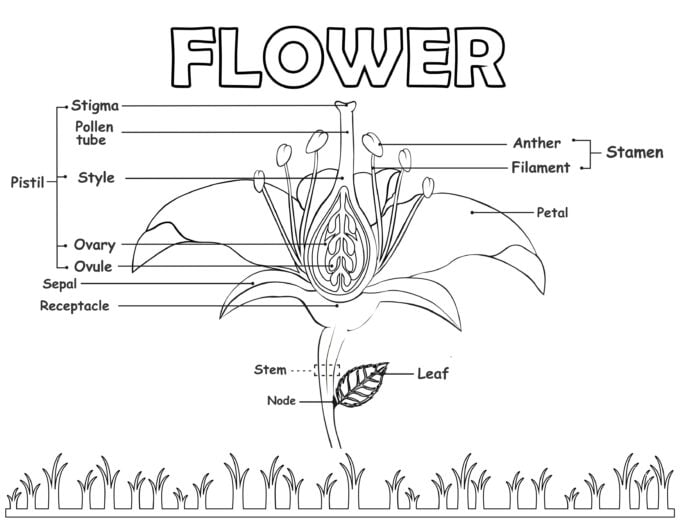
Science: Introduce the basic parts of a flower using a real example or diagram.
- Observe carefully
- Identify petals, stem, leaves, and roots
- Begin discussing what each part might do
Ask:
- What parts do you see?
- What might each part do?
👉 Use a flower parts worksheet and labeling activity
👉 Try a flower dissection activity for kids (older students)
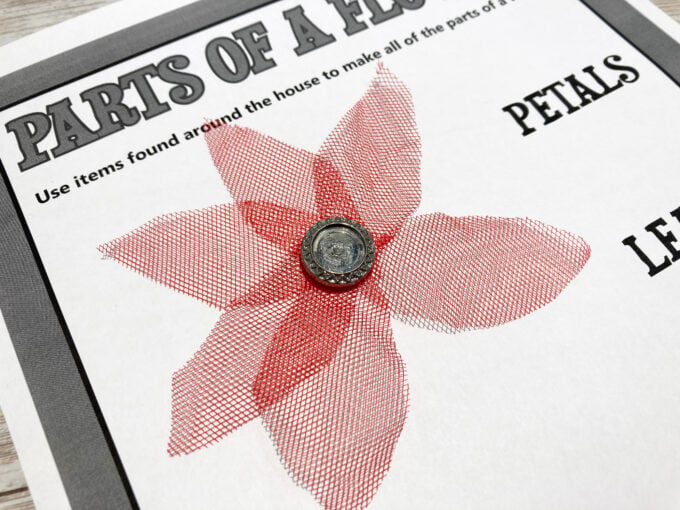
Art: Pair with a flower collage project using whatever materials you have available.
- Create a mixed media flower craft here
- Label each part directly on the artwork
Scientific Illustration Journal: Draw and label a flower. Write: What are the parts of a flower, and what do they do? Our flower directed drawing prompts are a fantastic supporting resource.
Key Concept: Plants have different parts, and each part has a job.

Day 2: Observation & Change
Focus: Observation + cause & effect
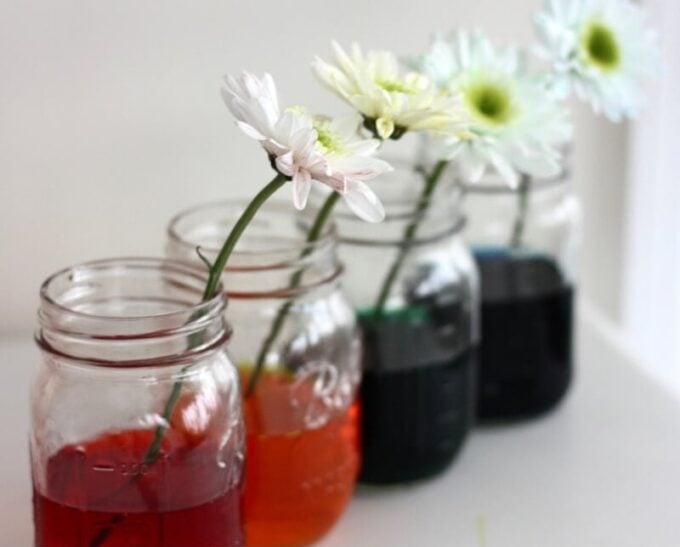
Science: Start the color changing flowers experiment and record initial observations.
Place flowers in colored water
Make predictions
Observe and record starting conditions
Ask:
What do you think will happen?
Where might the color go?
👉 Try the color changing flowers experiment
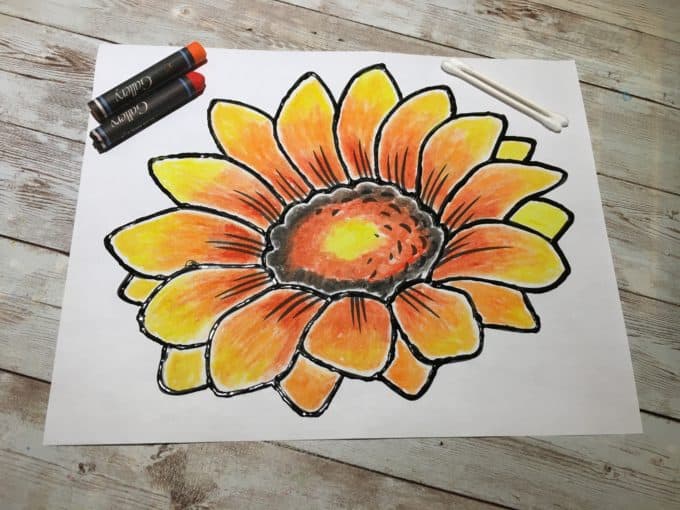
Art: Pair with a close-up flower drawing inspired by Georgia O’Keeffe.
Focus on large shapes and details
Fill the page with petals
Look closely at curves and edges
👉 Make your own O’Keeffe flower art for kids
Scientific Illustration Journal: Draw a close-up of a flower. Write: What details do you notice about the flower?
Key Concept: Careful observation helps us notice details and changes.
Day 3: Absorption & Color Mixing
Focus: Absorption + color mixing
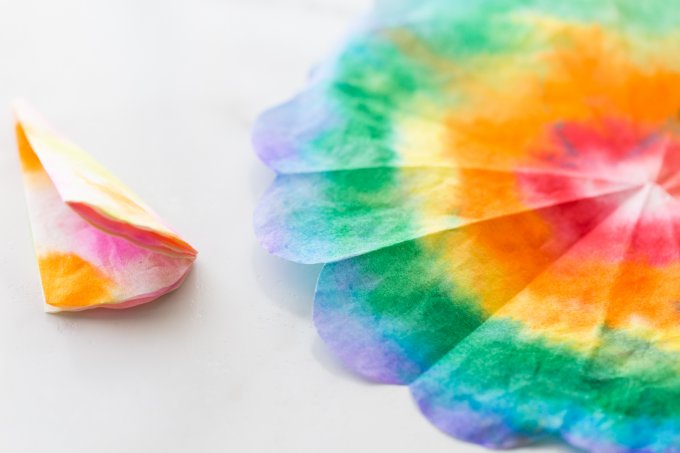
Science: Create a meaningful coffee filter flower bouquet to explore how water moves and carries color.
Add water to colored filters
Observe how colors spread and mix
Compare before and after
Ask:
What happened when water was added?
How did the colors change?
👉 Make these coffee filter flowers
Art: Pair with expressive flower artwork inspired by Frida Kahlo.
Use bold colors
Add personal meaning
Focus on creative expression
👉 Try this Frida’s Flowers Art Project
Scientific Illustration Journal: Draw your coffee filter before and after adding water. Write: What happened when water touched the colors of the coffee filter?
Key Concept: Water can move through materials and carry color with it.

Day 4: Pollination
Focus: Movement + reproduction
Science: Introduce pollination and how pollen moves between flowers.
Demonstrate pollen transfer with a simple activity
Show how pollinators help move pollen
Discuss why pollination matters
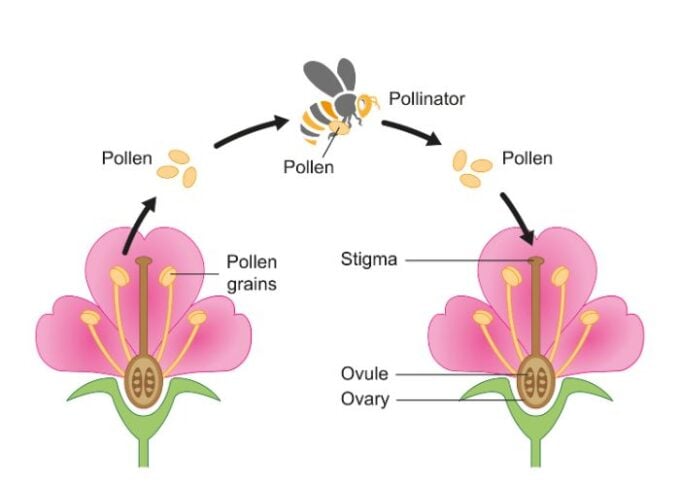
Ask:
How does pollen move?
Why is pollination important?
👉 Try this pollination activity for kids
Art: Pair with a pollination painting using a transfer technique.
Transfer “pollen” using paint
Show movement between flowers
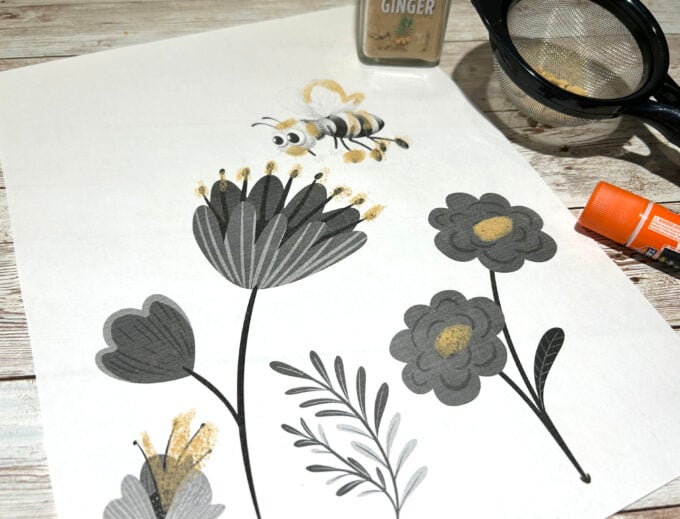
👉 Pair with painting with real flowers for a unique process art experience
Scientific Illustration Journal: Draw how pollen moves from one flower to another. Write: How do pollinators help flowers?
Key Concept: Pollination helps plants make new seeds.

Day 5: Pattern & Design
Focus: Pattern + repetition
Science: Observe patterns and symmetry in flowers.
- Look for repeating shapes
- Identify symmetry in petals
- Compare different flowers
- Notice how petals are arranged around the center
Ask:
- What patterns do you see?
- How are the petals arranged?
- Do all the petals look the same?
👉 Use the Patterns in Flower Observation Pages here
Math Connection: Flowers are full of repeating patterns you can count and describe.
Look for:
- Radial (circle) patterns → petals arranged evenly around the center
- Repeating shapes → same petal shape repeated
- Symmetry → both sides of the flower look the same
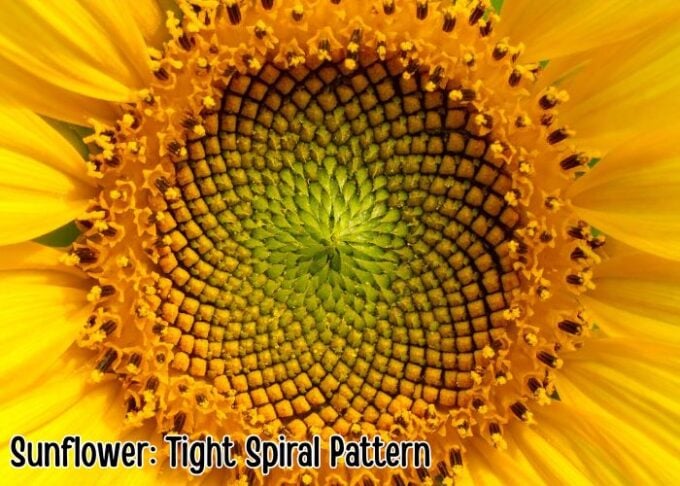
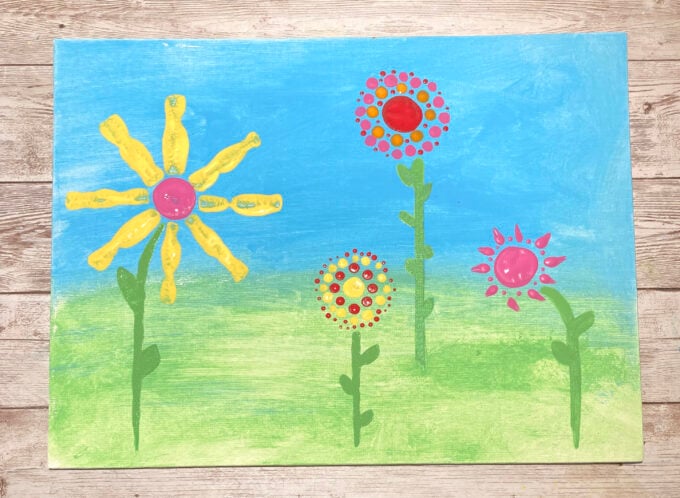
Art: Pair with patterned flower artwork inspired by Alma Thomas.
- Use repeated dots, dabs, or small brushstrokes
- Build patterns by repeating colors and shapes
- Create circular or radial designs like flower centers
👉 Create an Alma Thomas-inspired flower pattern painting
Scientific Illustration Journal: Draw a flower showing a pattern or symmetry. Write: What patterns do you notice in flowers?
Key Concept: Patterns in nature can be observed and used in art.
Day 6: Color, Change & Reflection
Focus: Change over time + observation
Science: Observe the results of the color-changing flowers experiment.
Compare beginning and final results
Notice where the color moved
Discuss whether the predictions were accurate
Ask:
What changed?
Did your prediction match?
Art: Pair with cut-paper flower artwork inspired by Henri Matisse.
- Cut simple flower shapes from colored paper
- Arrange shapes to create a balanced design
- Focus on bold shapes and composition
- Overlap pieces to add interest
👉 Create a Matisse-inspired cut paper flower collage
💡 Encourage students to move pieces around before gluing to explore composition
Scientific Illustration Journal: Draw your flower at the end of the experiment. Write: How did the flower change over time?
Key Concept: Changes can happen over time and can be observed.

Day 7: Acid Rain & Environmental Impact
Focus: Cause + effect + environment
Science: Introduce acid rain and how pollution affects plants.
Compare clean water and “acid rain”
Observe effects on flowers or materials
Discuss environmental impact
Ask:
What happened to the flower?
How did it change?
👉 Try this acid rain experiment for kids
Art: Pair with an environmental comparison artwork.
Create a healthy flower and a damaged flower,
or create a resist painting using watercolor as “rain.”
Scientific Illustration Journal: Draw a healthy flower and a damaged flower. Write: How did pollution affect the flower?
Key Concept: Environmental changes can affect living things.

Why Combine Science and Art?
When kids explore flowers through both science and art, they:
- Develop stronger observation skills
- Make connections between concepts
- Stay engaged through hands-on learning
- Build creativity alongside scientific thinking
💡 This is what makes STEAM activities so powerful—students don’t just learn facts, they experience them.
More Flower Activities to Try
Looking for even more ideas?
- Explore our full collection of Flower Crafts for Kids
- Browse Spring Science Activities for more experiments
- Try our Famous Artist Projects for Kids with floral themes
Want a Done-For-You Version?
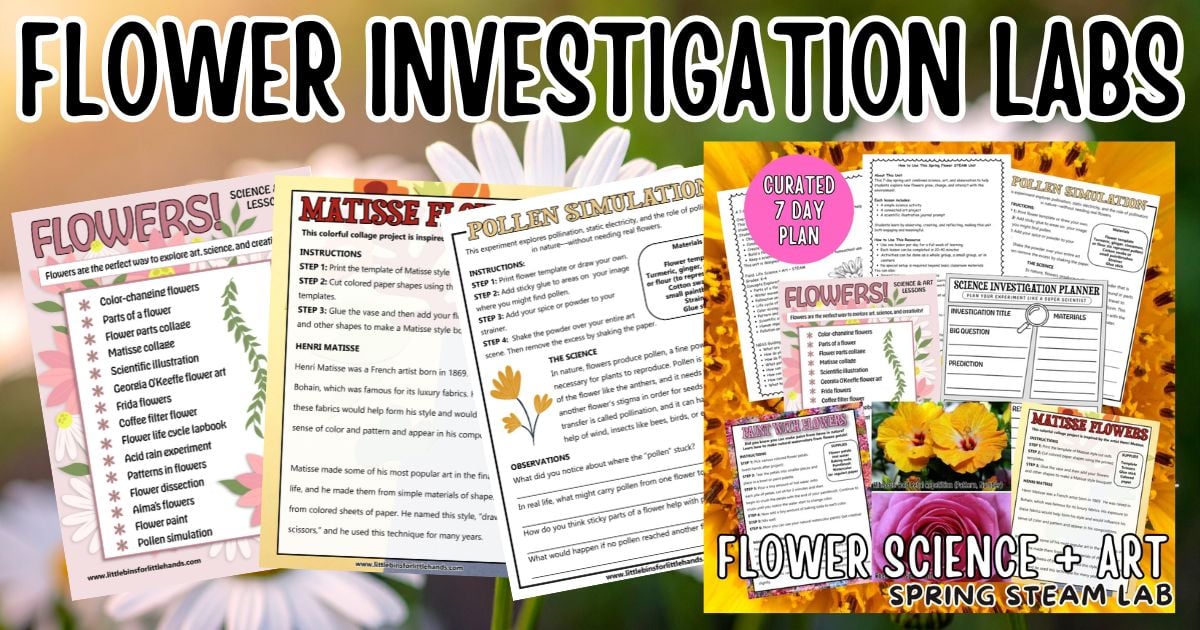
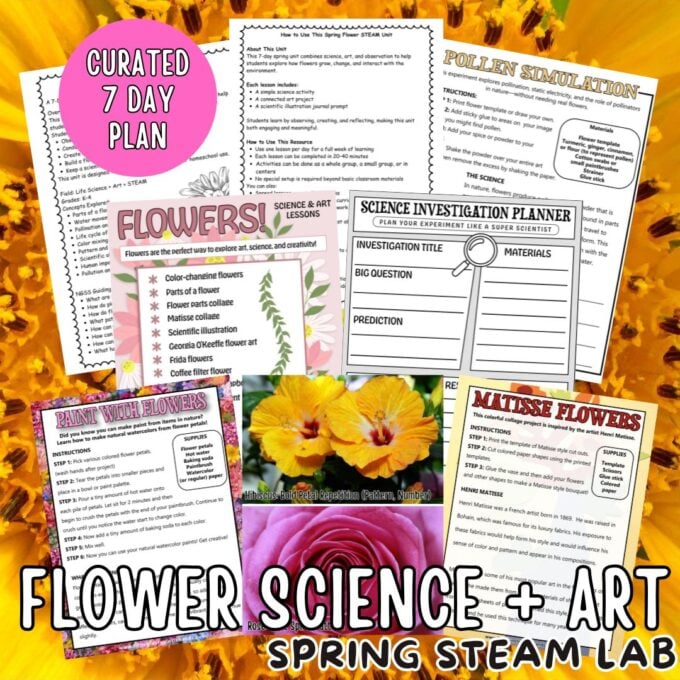
If you want everything organized and ready to go, check out our Spring Flower STEAM Unit.
It includes:
- 7 complete lessons
- Guided journal prompts
- Print-and-go worksheets
- Famous artist flower projects
- Environmental science connections
FAQ
At what age is this best for?
These activities work well for kindergarten through elementary students.
Do I need real flowers?
No, but they help with observation. Images work too.
How long does each activity take?
Most activities take 20–40 minutes.
Can I use these in a classroom?
Yes! They work well for whole groups, centers, or small groups.