
Explore various printable and hands-on animal activities that can help students engage with animal classification. These activities provide an interactive way to reinforce key ideas and help students categorize animals based on their traits. Each activity is simple to implement in the classroom and connects to real-world biology concepts.

Printable Animal Classification Activities Pack
These printable activities fit nicely into a broader science curriculum focused on biology and ecosystems. They help kids build foundational knowledge about animals, their traits, and how scientists classify living things.
You can grab the Animal Classification project pack in our SHOP [here] or join the STEM club [here] today.
What’s Included?
Animal Classification Information
Kids can read a visual poster of the main animal groups (mammals, reptiles, amphibians, birds, fish, and insects). Glue into a science notebook for future reference!
Fill in the Blanks Worksheet
This activity involves a worksheet where students fill in missing words using a word bank. The focus is on reinforcing vocabulary related to animal classification and the specific traits of each group.
Animal Sorting Activity
Students cut out animal pictures and sorted them into categories, gluing them onto a chart with headings for each group. This hands-on activity encourages students to recognize the physical features of each animal.
True or False Quiz
Students complete a quiz by determining whether statements about animals are true or false. This activity helps clarify common misconceptions and reinforces correct information about animal classification.


Animal Crossword Puzzle
This puzzle requires students to use clues to fill in a crossword focused on animal classification terms. It reinforces vocabulary and strengthens problem-solving skills.
Word Search Puzzle
Students search for key vocabulary terms such as habitat, vertebrate, and invertebrate in a word search puzzle. This activity builds familiarity with scientific language in a fun format.
Animal Classification Vocabulary List
A comprehensive vocabulary review is provided for students to study important terms related to animal classification. This list serves as a reference tool for understanding key concepts.
Animal Habitat Diorama
Students choose a specific habitat to research and build a diorama representing the habitat and its animals. They plan and sketch the design, gathering materials such as a shoe box, natural elements, and figurines to create the scene. After building the diorama, students use a companion guide to reflect on the animals, plants, and interactions within their chosen habitat.
What Will Students Learn?
Kids learn to identify and classify animals into different groups based on their characteristics, such as body covering, reproduction, and habitat. They also gain a deeper understanding of the vocabulary associated with animal classification and begin to understand how scientists organize living things.
Age Recommendation:
These activities are suitable for elementary-aged students, primarily in grades K-4. Younger students will benefit from more hands-on activities like sorting and posters.
In comparison, older students in grades 2-5 will find the quizzes, crossword puzzles, and vocabulary reviews more challenging and engaging. The habitat diorama activity is especially suited for grades 2-4, allowing creativity and scientific exploration.
Grab the Animal Classification pack in our SHOP [here]!

Extend The Learning With These Animal Activities
💡 Explore all of our Animal Activities [here].
Animal Research Project: Have students select an animal from one of the classification groups and research its habitat, diet, and adaptations. They can present their findings through a mini-report or poster presentation—free animal research pages [here].
Animal Adaptation Art Project: Design a fictional animal that combines traits from different groups (e.g., a bird with scales and a mammal that lays eggs). Create drawings or 3D models of their animals and explain how the adaptations help the animal survive in its environment.
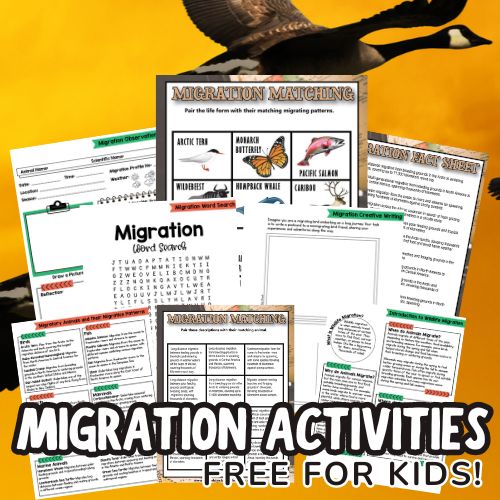
Animal Migration Map Project: Students choose an animal that migrates and research its migration path. They create a map that traces the migration route, including details about the reasons for migration and the challenges the animal faces.
Vertebrates vs. Invertebrates Sort: Students can collect or cut out images of various animals and sort them into two categories: vertebrates and invertebrates. Create a chart displaying these categories and write a summary of the main differences between the two groups.
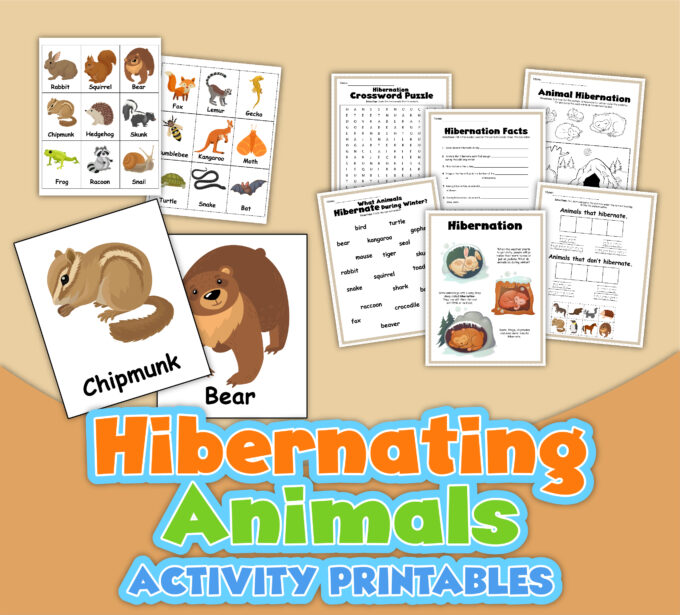
Hibernation Simulation: Students choose an animal that hibernates and create a model or drawing of the animal’s hibernation environment. Research how the animal prepares for hibernation, what conditions it needs, and how it survives the winter.
Pollination Scavenger Hunt: Organize a scavenger hunt in the schoolyard or local park where students search for pollinators (e.g., bees, butterflies) or plants that rely on pollinators. Students can document their findings through drawings or written descriptions, identifying which pollinators help which plants.