
Learning about bodies of water, from brooks to oceans, helps kids understand the world around them. This beginner-friendly bodies of water names activity pack is perfect for exploring the different water bodies covering the Earth’s surface. Add it to an early elementary Earth Science lesson.

Bodies of Water Names for Kids
Field of Science: Earth Science & Geography
Grade Level: Kindergarten to 2nd Grade
Concepts Explored: Surface water, freshwater vs. saltwater, geography, ecosystems, and landforms.
🔎 Explore more Earth Science Activities here, Biomes Projects, and 7 Continents Activities here.
Kids will explore various bodies of water, including rivers, ponds, lakes, oceans, wetlands, and waterfalls. They will also be introduced to lesser-known features such as bays, gulfs, coves, estuaries, lagoons, and tributaries. The activities emphasize the difference between man-made and natural features, and how some, like a dam or reservoir, help people use water wisely.
Supplies Needed
- Bodies of Water Printable Pack
- Crayons or Colored Pencils
- Pencils and Erasers
- Optional: Globe or World Map
- Optional: Sand, Water, and Clay for hands-on modeling
Printable Bodies of Water Pack
- Start with the Basics – Use the illustrated vocabulary posters to introduce key bodies of water names like ocean, lake, pond, and river.
- Trace and Learn – Kids practice writing names like wetland, waterfall, river, and ocean to reinforce vocabulary.
- Fill in the Blanks – Test knowledge with a worksheet featuring terms such as sea, lake, pond, and river.
- Get Creative – Draw pictures of each type and discuss what lives there, including the vegetation and animals.
- Word Work Fun – Try a word search or word scramble using terms like bay, gulf, lagoon, and stream of water.
- Color It In – Use the coloring page to visualize landforms like cliffs and waterfalls.


Bodies of Water Science Information
A body of water refers to any significant accumulation of water on the Earth’s surface. These can be freshwater or saltwater, naturally formed or man-made, and vary greatly in size—from a puddle to the Pacific Ocean.
Here are some types of water bodies:
- Ocean – The largest and deepest body of saltwater. There are five major world’s oceans: Atlantic Ocean, Pacific Ocean, Indian Ocean, Southern Ocean, and Arctic Ocean.
- River – A stream of water that flows across land and often empties into a larger body of water like a sea or bay. Famous examples include the Nile, River Amazon, and River Mississippi.
- Lake – A large body of water surrounded by land. Some lakes are glacial, like a kettle lake or oxbow lake.
- Pond – A smaller body of water than a lake, often found in backyards or parks.
- Wetland – A low-lying area like a bog, marsh, or swamp that holds water and supports special vegetation.
- Bay, Gulf, and Cove – These are all types of inlets of the sea, with a gulf being the largest. The Caribbean Sea and Gulf of Mexico are well-known examples.
- Lagoon – A shallow body of water separated from a larger body of water by sandbars or reefs.
- Estuary – Where a river meets the sea, mixing freshwater and saltwater.
- Tributary – A small stream that flows into a larger river.
- Reservoir – A man-made lake used to store water.
- Dam – A structure built to control water flow, often creating a reservoir behind it.
- Brooks, streams, and arroyos – These are smaller bodies of flowing water.
- Seep and groundwater – Water that collects or moves beneath Earth’s surface.
- Fjord – A long, narrow sea inlet between high cliffs, often found in countries like Norway and Canada.
Free Bodies of Water Printable Pack
Bodies of Water: Fun Science Facts for Kids
- The Atlantic Ocean is the second-largest ocean in terms of surface area.
- The Sargasso Sea is a unique region of the Atlantic with no land boundaries.
- Sand, sediment, and rocks shape how water moves and where it pools.
- Lake Victoria in Africa is the world’s largest tropical lake.
- A moat is a man-made water barrier once used to protect castles.
- A wadi is a dry riverbed that fills with water during rainy seasons.
Bodies of Water Extension Activities
- Build a miniature model showing different types of bodies of water using clay, sand, and water.
- Use a world map to find the Pacific Ocean, Mediterranean Sea, Bering Sea, and the Great Lakes.
- Take a walk to identify a small stream, puddle, or brook in your local area.
- Write a story that includes bodies of water like a cove, gulf, and a tributary.
- Research how a dam works and how it creates a reservoir.
🔎 Explore our 7 Continents Activities printable pack here.
Related Earth Science Activities
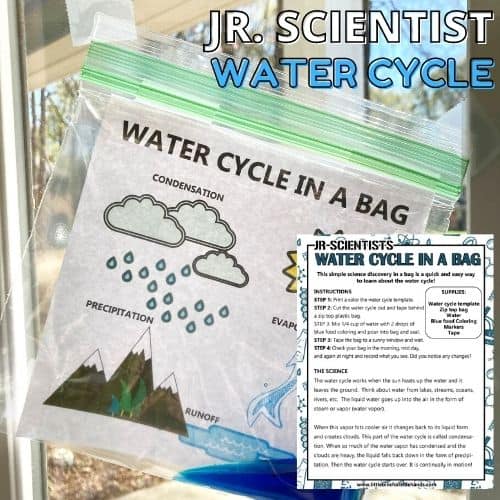
- Water Cycle in a Bag Science Experiment
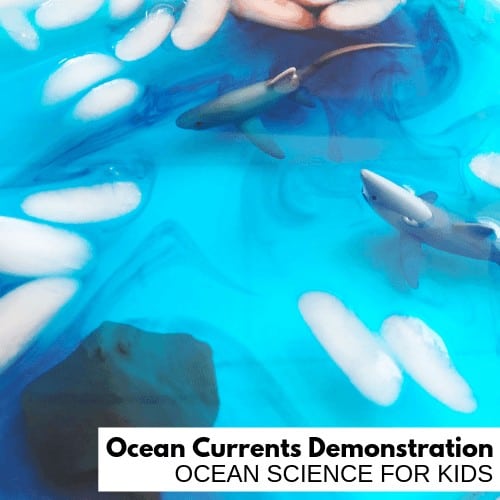
- Ocean Currents Project
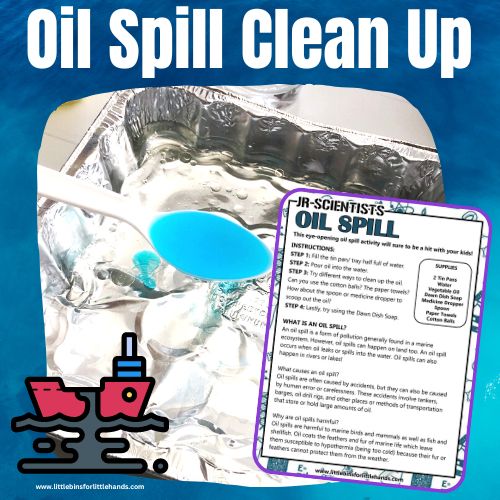
- Oil Spill Experiment
- Acid Rain Experiment
Water Conservation Projects Pack
Help the kids learn the importance of water conservation with our printable Water Conservation Pack, which includes more information on bodies of water. This fun resource teaches how we use water daily, where it comes from, and how to protect it. It is perfect for pairing with your lesson on bodies of water.
👉 Grab the Water Conservation Pack and start exploring!