
This edible chickpea foam, or aquafaba, as it is commonly known, is made from the water in which chickpeas are cooked. You can use it as a substitute for eggs in baking or, even better, as fun, non-toxic play foam for kids! Plus, it’s science, too!
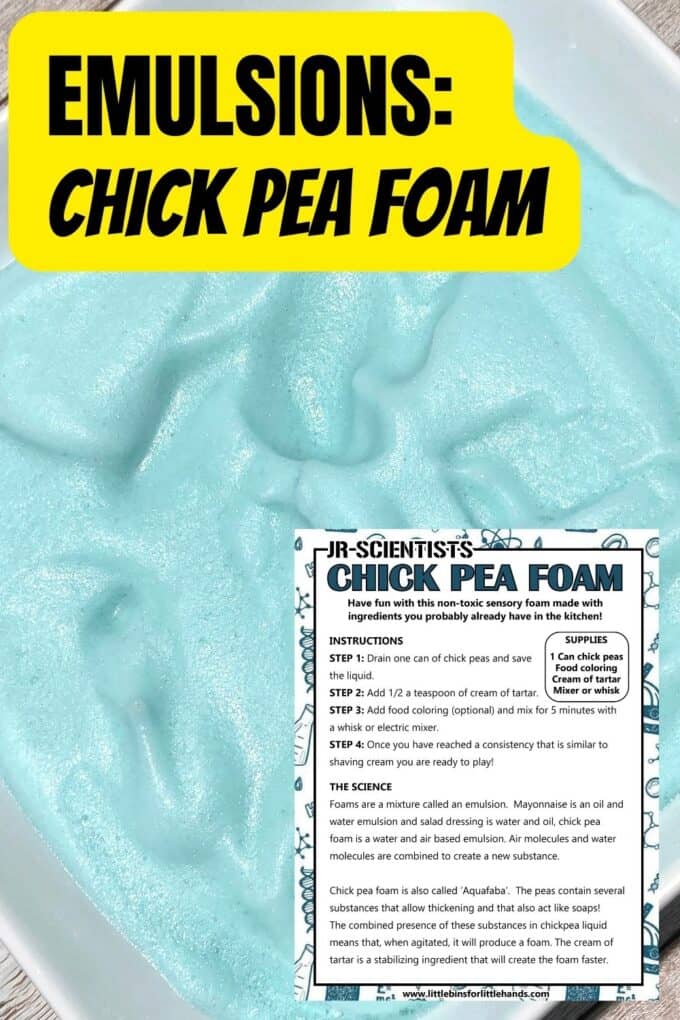
Chick Pea Foam
Chickpea foam is a simple yet fantastic way to combine science and sensory play! Made from the liquid found in canned chickpeas (called aquafaba), this fluffy foam is safe, taste-safe, and full of fun textures for kids to explore.
💡 It’s perfect for hands-on sensory bins, pretend play, and even learning about chemical reactions and states of matter.
Watch as kids whip it up, explore with their hands, and dive into playful science discovery—all with one unexpected pantry item!
SUPPLIES:
- 1 can chick peas
- Food coloring
- Cream of tartar
- Mixer or whisk
💡Find more food science experiments here.
How to Make Chickpea Foam
Follow along below to make this edible foam for taste-safe sensory play!
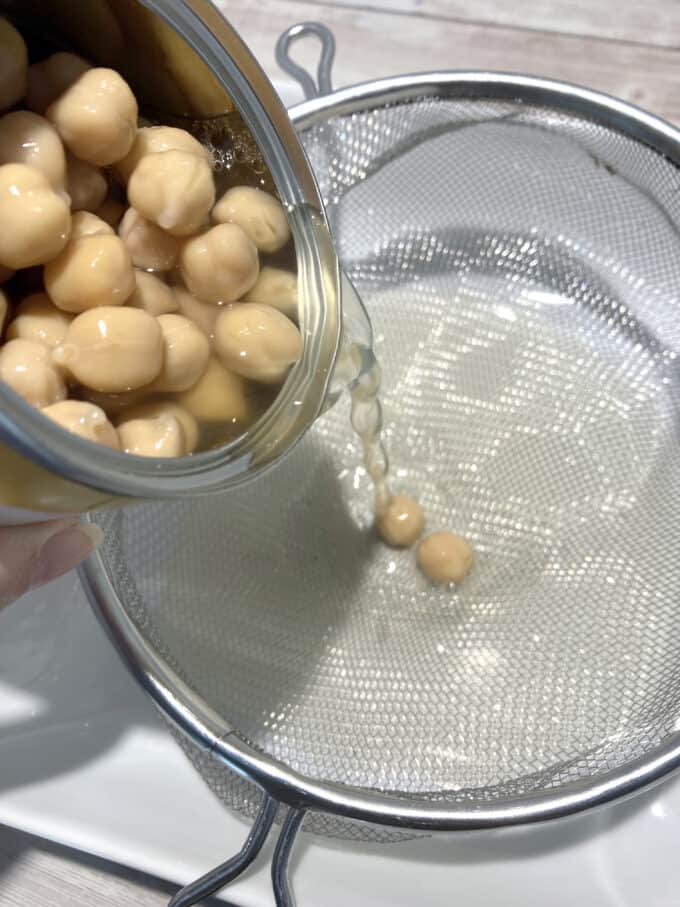
STEP 1: Drain one can of chickpeas and save the liquid.
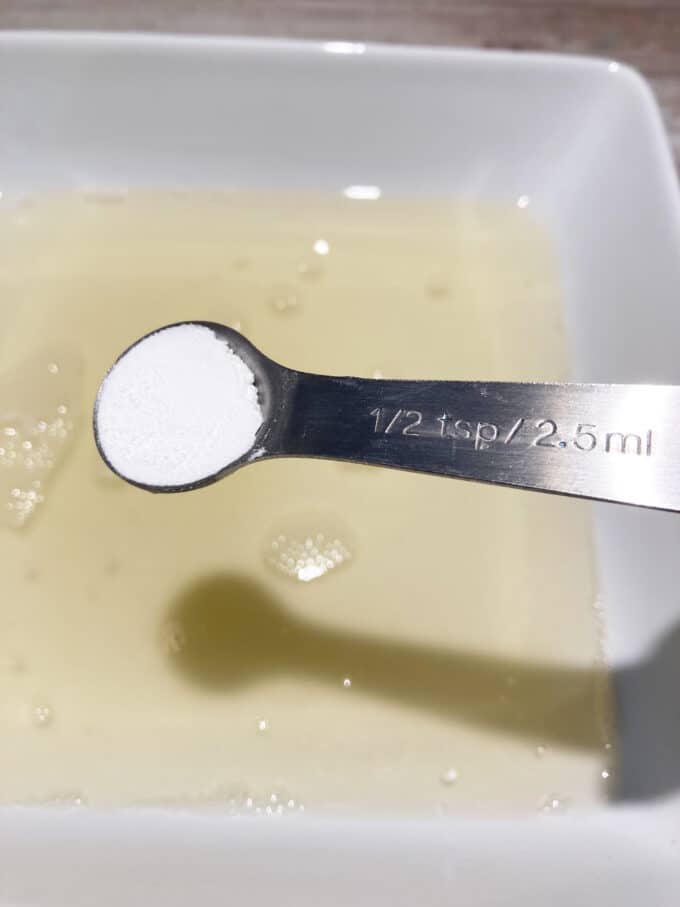
STEP 2: Add 1/2 a teaspoon of cream of tartar to the chickpea liquid.
STEP 3: Add food coloring (optional) and mix for 5 minutes with a whisk or electric mixer.
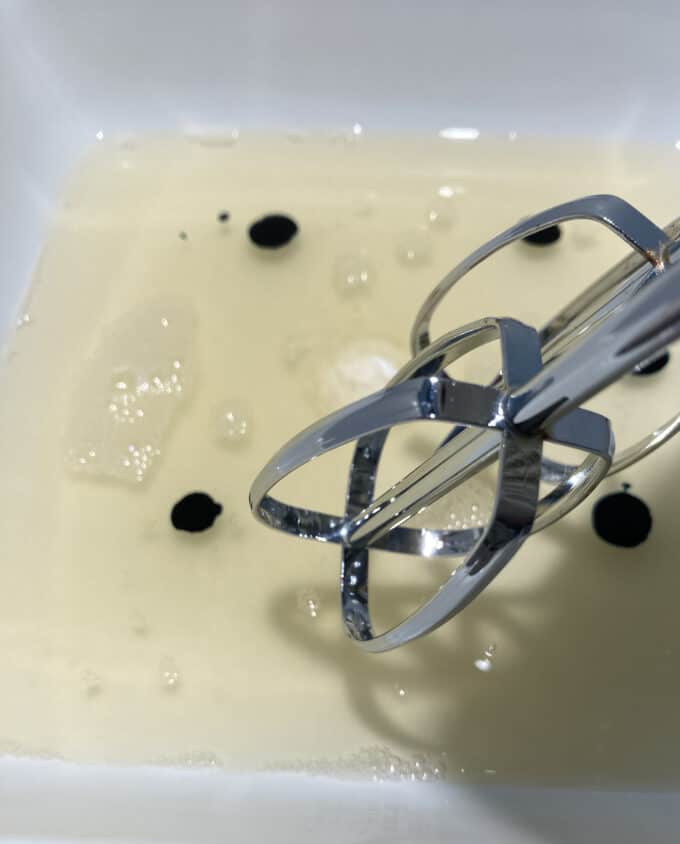
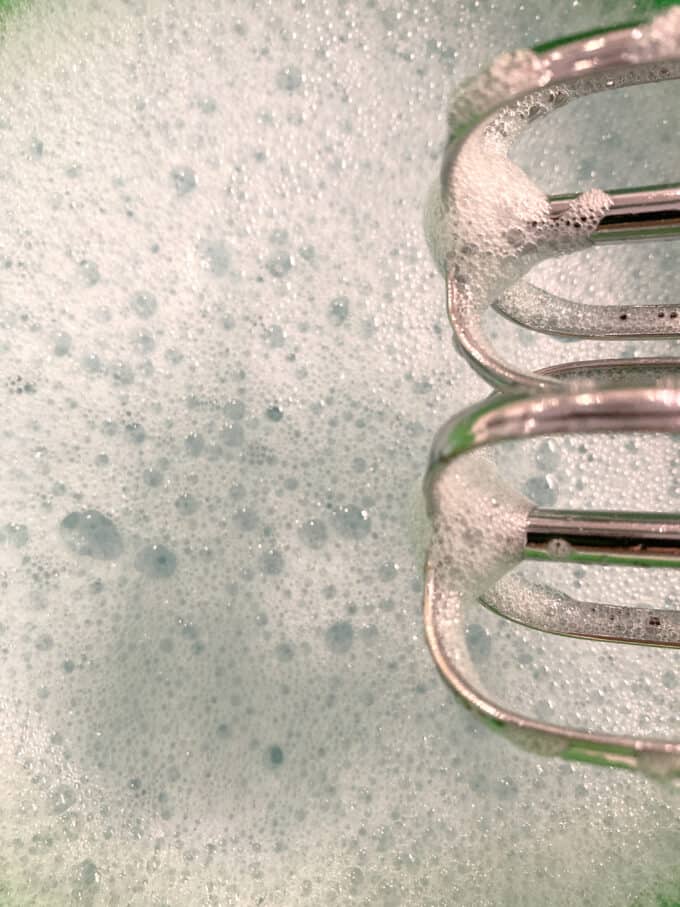
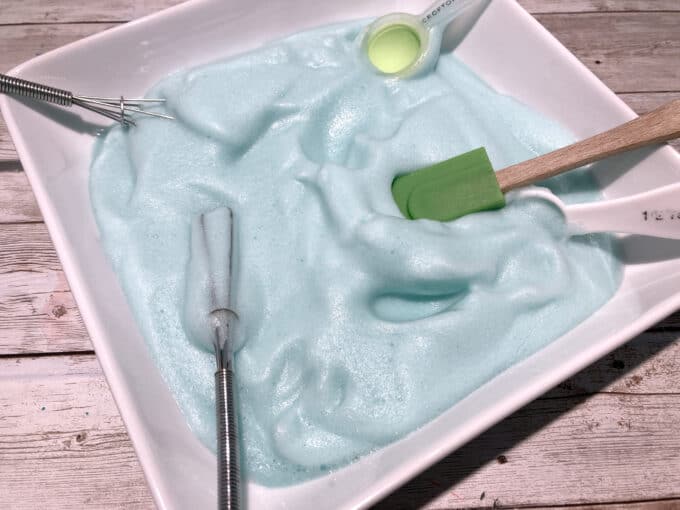
STEP 4: Once you have reached a consistency similar to shaving cream, you are ready to play!
Add the foam to a large container or tray with fun play accessories. Clean up with water when done!
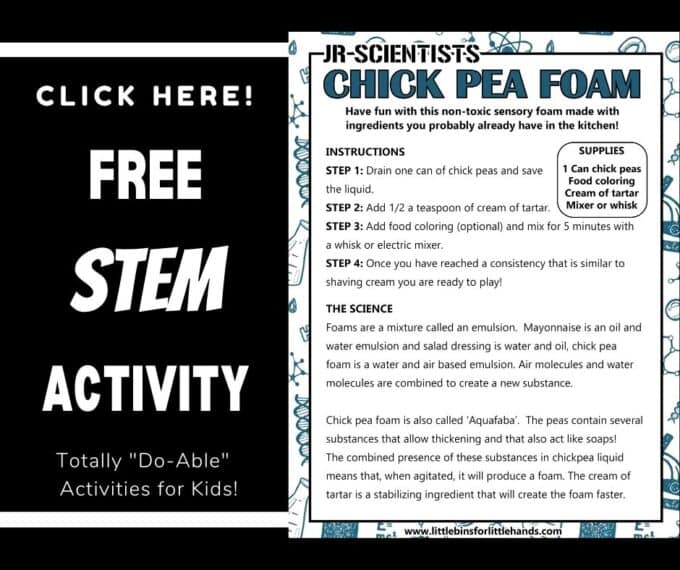
Grab the printable chickpea foam recipe below and dive into hands-on science!
The Science of Chickpea Foam
Foams are made by trapping gas bubbles inside a liquid or a solid. Shaving cream and dish washing suds are examples of foam, which are mostly gas and a little bit of liquid. A smoothie, whipped cream and meringue made from whipped egg whites are examples of food foams.
Aquafaba, or chickpea water, is the liquid leftover from cooking chickpeas, and it makes a great foam. Like other legumes or beans, chickpeas contain proteins and saponins.
The combined presence of these substances in chickpea liquid means that it will produce a foam when agitated and air is added to the mixture.
The cream of tartar is a stabilizing ingredient that helps create the foam faster and makes it firmer.
Play Ideas for Edible Foam
This sensory foam is perfect for an afternoon of play! To minimize the mess, lay a shower curtain or tablecloth under the container.
If it’s a nice day, take it outside; it won’t matter if you get foam everywhere.
Here are a few simple play ideas…
When you are done with your foam, wash it down the drain!
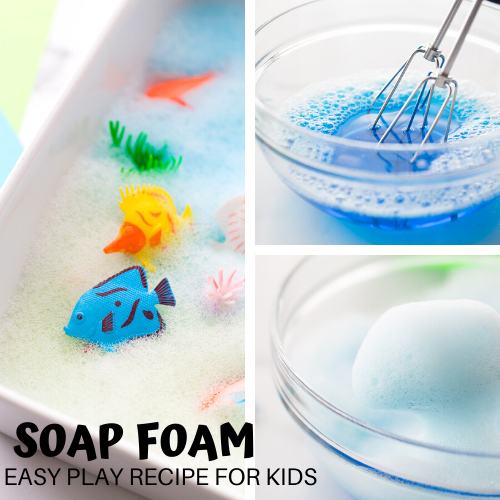
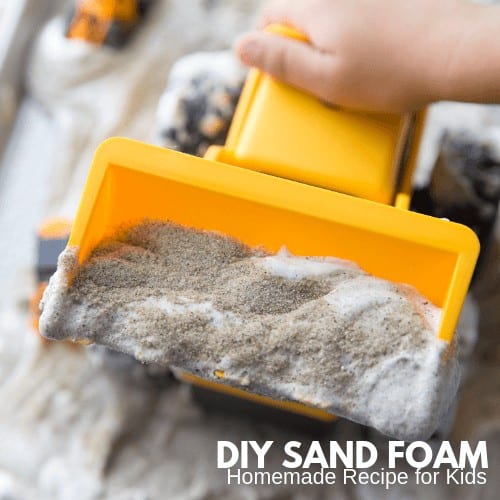
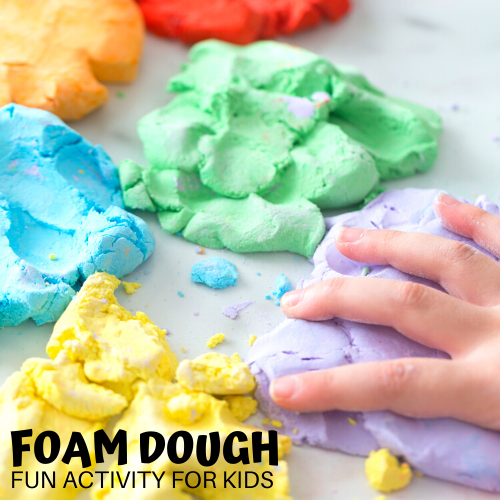
More Foam Recipes for Play
Explore more fun ways to play with foam sensory play recipes. Please note that the activities below are not edible or taste-safe.