
Dissecting a flower is a fantastic way to introduce kids to the structures of plants while making science hands-on and fun. With this flower dissection activity, kids can explore the inner workings of a flower, from petals to stamens!

Best Flowers for Dissection
When selecting perfect flowers to dissect, choosing ones with clear and easily identifiable parts is important. Here are some of the best flowers for dissection:
- Lilies: With their large petals and prominent stamens, lilies are excellent for visualizing the main parts of a flower.
- Tulips: Simple and easy to dissect, tulips allow children to see the structure of a flower.
- Daffodils: These have a recognizable trumpet shape that makes it easier to identify the reproductive parts.
- Hibiscus: Their bold, showy petals and prominent central column make hibiscus flowers ideal for dissection.
- Daisies: As composite flowers, daisies provide an opportunity to explore multiple flower structures in one bloom.
💡Explore our Biology Projects, including osmosis, capillary action, and plant cells.
Flower Dissection Lab
The flower dissection activity fits perfectly into a biology unit focusing on plant structure and reproduction. Specifically, it supports lessons on the following key concepts: basic parts of a plant, plant life cycle, pollination, and seed dispersal.
Recommended Grade Level: 4-6th grades, where students learn about plant reproduction.
Supplies:
For this dissection, you will need:
- Flowers (fresh or picked from a garden)
- Scissors
- Tweezers (optional)
How to Dissect Flowers
You can take a nature walk to find flowers or provide flowers in a group setting. Now, let’s examine the inside of a flower with a magnifying glass.
- First, have kids touch and smell the flowers to connect sensory experiences with learning.
- Next, carefully dissect the flower using fingers or tweezers by removing one petal at a time and working inward.
- Then, Identify the parts of the flower as you dissect. Look for the stem, leaves, stamens, pistils, and other key features, such as pollen or ovules.
- Lastly, color the free printable parts of a flower diagram below to reinforce the different parts of the flower.

The Parts of a Flower
Let’s take a look at the flower of a flowering plant. Use the flower dissection diagram to help learn about the parts of the flower. Use colored pencils to color the different parts of the plant as you identify them.
- Petals: Attract insects and protect the inner parts.
- Stamen: The stamen is the male part of the flower. Both parts of the stamen include the anther and filament.
- Pistil: The pistil is the female part of the plant. The parts of the pistil include the stigma, style, and ovary. Eggs (ovules) can be found at the bottom of the pistil.
- Sepals: These protect the developing flower bud.
These parts work together in the process of pollination and seed production.
Printable Parts of a Flower Diagram
Download our free printable diagram of a flower and its parts. Use it as an easy reference when you dissect your flowers below. FREE PARTS OF A FLOWER DIAGRAM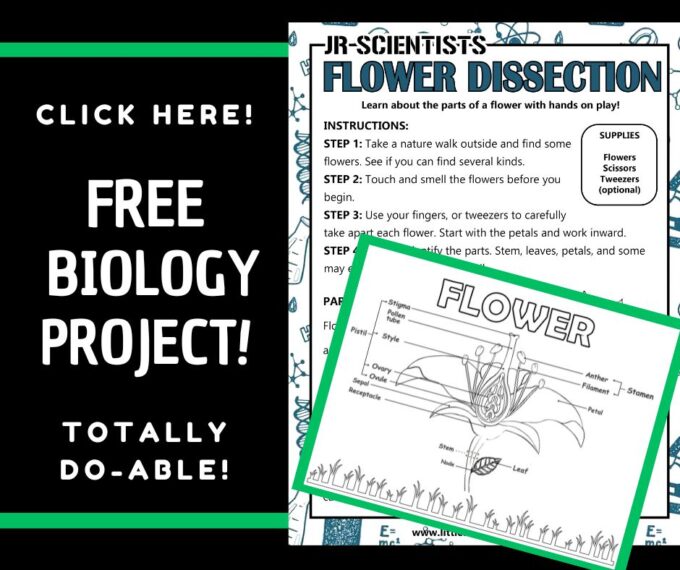
Extend The Activity: Flower Comparison and Classification
One way to challenge students after completing the dissection is to have them compare different types of flowers. You could provide additional flowers such as irises, carnations, or roses and ask students to observe and document how the parts of these flowers differ from the first flower they dissected.
This extension allows students to work on critical thinking and observation skills. Encourage kids to note each flower’s parts’ size, shape, and arrangement. They might observe that some flowers have more than one ovary or that the number of petals and sepals differs significantly between species.
💡 Again, make sure to choose flowers with clear and easily identifiable parts.
Related Flower Activities for Kids
To expand on the flower dissection lesson, here are a few related activities:
- Flower Anatomy Craft: Have kids create a 3D flower model using paper or clay to recreate the different parts they observed during the dissection.
- Plant Growth Experiment: Explore a plant’s life cycle by planting seeds and observing their growth. This helps kids understand how flowers contribute to plant reproduction.
- Pollinator Craft: After dissecting a flower, kids can explore pollinators and pollination
- Plant Cell STEAM Project: Learn about plant cells and color a fun plant cell diagram.
- Flower Observation Journal: After dissecting different types of flowers, draw simple diagrams and compare their structures and note any similarities or differences.
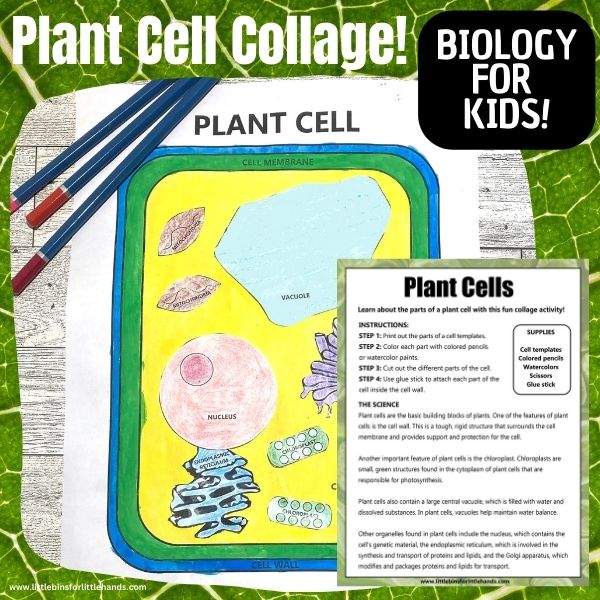


Printable Plant Project Pack
Explore 20+ Plant Activities for Kids! 🌱 Looking for fun and educational plant-themed activities? This comprehensive Plant Activity Pack is perfect for early elementary school grades, providing hands-on learning experiences that fit any skill level! Whether it’s for fall or spring science lessons, these activities are ideal for classroom and at-home learning.