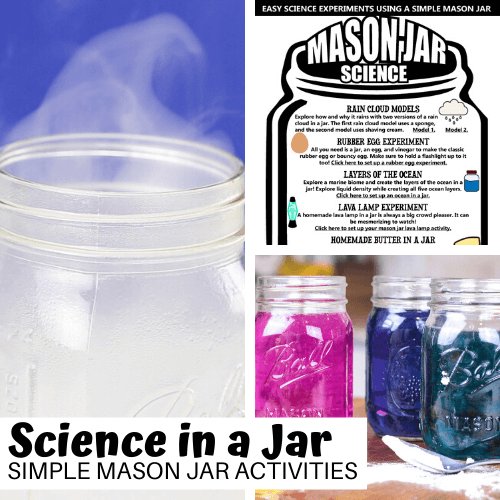

Have you ever noticed how water drops on a window make things outside look bigger or stranger? That’s called refraction! In this fun macro refractions science experiment, you’ll make your own “lenses” using water droplets to see how they bend light and change how a flower looks underneath.

Macro Refractions Science Experiment
Field of Science: Optics
Grade Level: Grades 3+
Concepts Explored: Refraction, magnification, convex lenses, light behavior
In this experiment, kids will explore how light bends when passing through different mediums—specifically air and water. The water droplets act like tiny convex lenses, focusing and bending the light to magnify or distort the appearance of an object underneath, like a flower. It’s a great hands-on way to introduce kids to the basic principles of optics and refraction.
💡 Find additional refraction activities below.
Supplies Needed
- Fresh flower
- Two glasses
- Clear packing tape
- Spray bottle filled with water
- Science journal pages below
Macro Refractions Instructions
- Set two glasses about 6 inches apart on a flat surface.
- Place the flower between the two glasses.
- Stretch a piece of clear packing tape between the glasses so it hovers above the flower.

Spray water onto the tape, creating water droplets.

🔎 Look through the droplets at the flower below. Move your head around and observe how the image changes.

Macro Refractions Science Information
Refraction is the bending of light as it moves from one material to another, like air to water. This happens because light changes speed depending on the material it travels through.
Water droplets have curved surfaces and behave like convex lenses. As light passes through each droplet, it bends toward the center, focusing the light and altering how we see the flower beneath.
Larger droplets bend the light more dramatically, creating a stronger magnifying effect, while smaller droplets create more subtle shifts. This is the same principle behind magnifying glasses or the lenses in your eyes.
💡 Tip: Try using droplets of different sizes and notice how the magnification changes!
More Facts for Kids
- Refraction makes a straw look “bent” in a glass of water.
- Macro means big or visible to the naked eye. (No microscope needed!)
- Raindrops act like tiny lenses and can create rainbows by splitting white light.
- Convex lenses are used in eyeglasses, cameras, and microscopes.
- The human eye lens also bends light to help us focus on objects.
Make it a Science Project
Encourage kids to turn this experiment into a complete project by using the scientific method, writing a hypothesis, and testing variables such as:
- Different-sized droplets (big vs. small).
- Different objects under the tape (e.g., a photo, leaf, or patterned paper).
- Measuring how much the flower’s image enlarges by comparing it to its actual size.
💡 Write a hypothesis like: If I use larger water droplets, then the flower underneath will appear more magnified than with smaller droplets.
Extension Activities
- Try using a magnifying glass and compare the effect to the water droplets.
- Explore how rain or dew on outdoor plants might magnify textures and colors.
- Research how insect eyes work and how they bend light.
- Use the free macro refractions journal pages below to add to a science journal.

Related Light and Refraction Activities
- DIY Magnifying Glass STEM Activity
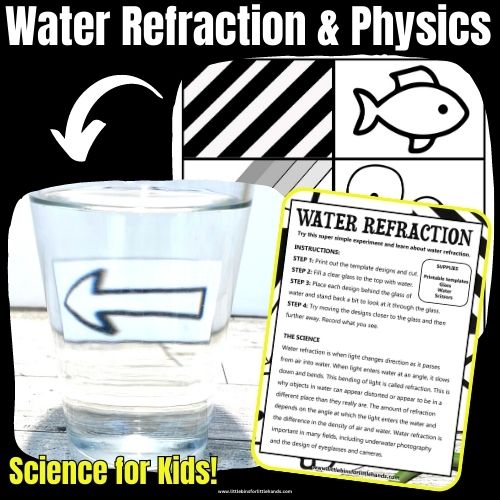
- Water Refraction Science Experiment
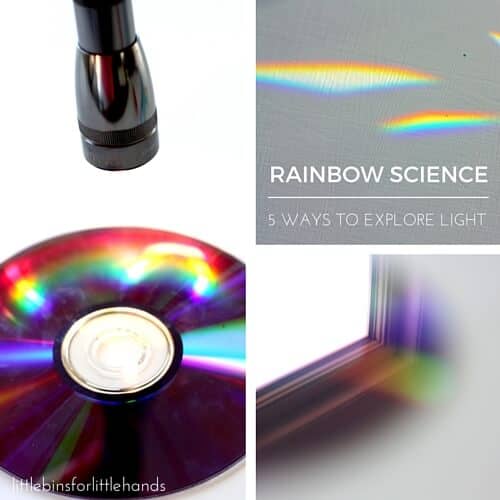
- How to Make Rainbows (Prism, Water, CD)
- DIY Spectroscope
- Thaumatropes (optical illusions)
- Light Experiment Activities

Printable Science Projects For Kids
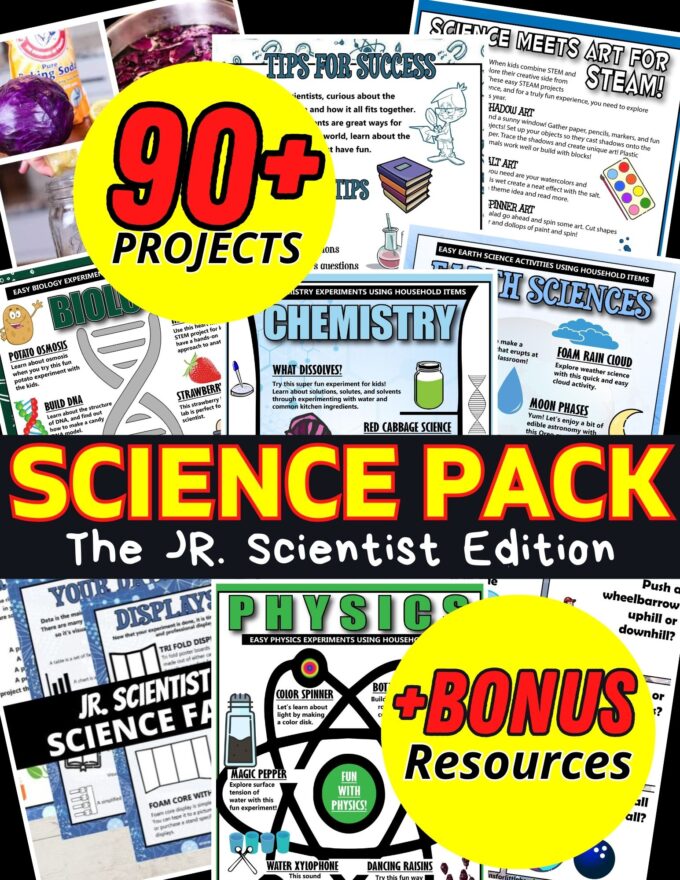
If you’re looking to grab all of our printable science projects in one convenient place plus exclusive worksheets and bonuses like a STEAM Project pack, our Science Project Pack is what you need! Over 300+ Pages!
- 90+ classic science activities with journal pages, supply lists, set up and process, and science information. NEW! Activity-specific observation pages!
- Best science practices posters and our original science method process folders for extra alternatives!
- Be a Collector activities pack introduces kids to the world of making collections through the eyes of a scientist. What will they collect first?
- Know the Words Science vocabulary pack includes flashcards, crosswords, and word searches that illuminate keywords in the experiments!
- My science journal writing prompts explore what it means to be a scientist!!
- Bonus STEAM Project Pack: Art meets science with doable projects!
- Bonus Quick Grab Packs for Biology, Earth Science, Chemistry, and Physics