
When you begin exploring a science topic, one of the first steps in the scientific method is making a hypothesis. But what exactly does that mean? Let’s break it down and learn how to write a simple hypothesis for kids. Use it in your next science experiment, and understand the key parts that make a hypothesis testable!

What Is a Hypothesis for Kids?
A hypothesis is more than an educated guess about what will happen during an experiment. It’s your prediction based on the information you already know. A hypothesis is part of the scientific method, where you make a guess and then test that guess through experimentation.
Why Use the Scientific Method?
It is a process or method of research to help solve a problem. Try incorporating it into your next science experiment with the helpful examples below. The scientific method helps us:
- Stay Organized: It gives us clear steps to investigate one thing at a time.
- Make Better Predictions: It helps us think carefully about what might happen (make a hypothesis) before we begin testing.
- Learn from Mistakes: If our experiment doesn’t go as planned, we can understand why and try again.
- Find Real Answers: The scientific method is a reliable way to find answers to questions based on what we observe, not just what we think or feel.
💡 Read more about the Scientific Method [here] and Variables in Science [here].
What Are the Scientific Method Steps?
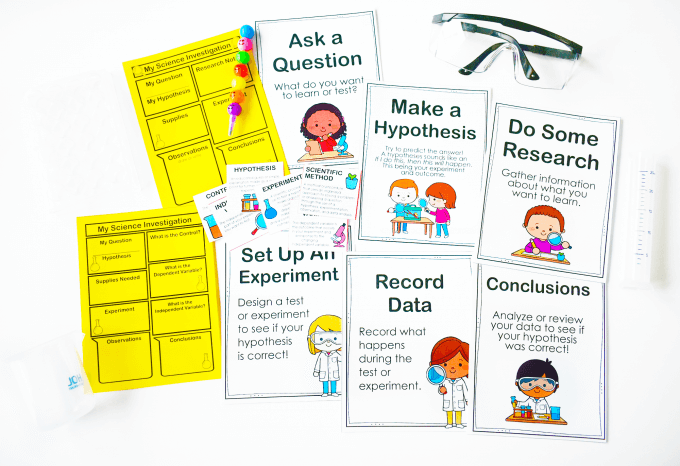
- Ask a Question
Start by being curious! Ask, “What happens if I plant a seed in sand instead of soil?” - Do Research
Before jumping into an experiment, gather information. You can look in books, ask a teacher, or search the internet. Doing research helps you understand what others already know about your topic. - Make a Hypothesis
A hypothesis is not just an educated guess. It is an informed statement based on what you already know. After doing your research, you might predict, “I think the plant will not grow as well in sand as it does in soil.” - Test the Hypothesis
Now it’s time to experiment! Try planting seeds in both sand and soil and see what happens. This step lets you find out if your guess was right. - Collect Data
Write down what you observe. Maybe the plant in soil grows faster and taller than the one in sand. Keeping a journal or recording data helps you see patterns. - Draw Conclusions
Look at your results and decide if your hypothesis was correct. If it wasn’t, that’s okay! You’ve still learned something new. - Share Results
Scientists often share what they’ve learned with others. You might share your findings with your class or write a report. Keep a journal or notebook to refer back to for other experiments.
How Does Scientific Research Help?
Research is an important part of the scientific method because it helps us:
- Build on What We Know: We can learn from what others have already discovered before experimenting.
- Make Better Hypotheses: When we research, we make more informed predictions about what might happen during the experiment. We don’t just guess!
Why Should We Use the Scientific Method?
The scientific method isn’t just for scientists—it’s for anyone who wants to solve problems, answer questions, and learn about the world. By following these steps, we can:
- Think critically about what we’re investigating.
- Test our ideas in a fair and organized way.
- Learn from our experiments and improve our understanding.
💡 The scientific method teaches us that even if our hypothesis is wrong, that’s still valuable! Every experiment is a chance to learn something new, making science fun and exciting for all ages.
How to Write a Simple Hypothesis for Kids
You can follow this easy format to write a simple hypothesis with kids:
💡 “If [I change this], then [this will happen].”
For example:
- If I add more water to the plant, then it will grow taller.
- If I heat the water, then the candy will dissolve faster.
When you make a hypothesis, you need to consider the variables in your experiment. A variable is anything that can change in the experiment. There are different types of variables to consider:
- Independent Variable – This is the part of the experiment you change on purpose. For example, the amount of water you give a plant.
- Dependent Variable – This is the result you measure in response to the independent variable. For example, how tall the plant grows.
Free Science Worksheets
Add this helpful science information pack to your next science experiment!

Hypothesis for Kids Examples
Here are some examples of hypotheses that are grade-level appropriate:
- Elementary school: “If I use warm water, then sugar will dissolve faster than in cold water.”
- Middle school: “If I increase the density of the liquid, then the object will float higher.”
💡By focusing on the independent and dependent variables, you’ll create a clear and testable hypothesis.
Using a Hypothesis with Young Kids
You can introduce the idea of hypotheses to young kids and even preschoolers! While the concept needs to be simplified, young children are naturally curious and already make guesses about how things work in their everyday play. By guiding them to think of these guesses as predictions they can test, you can start teaching them the basics of a hypothesis.
How to Introduce Hypotheses to Preschoolers
For young children, using language they understand is key. Instead of saying “hypothesis,” you might say:
- “What do you think will happen?”
- “Let’s make a prediction.”
Simple Steps to Writing a Hypothesis with Preschoolers
- Start with a question: Ask them something simple and observable, like “What do you think will happen if we add water to the sand?”
- Make a prediction: Encourage them to say what they think will happen. For example, “I think the sand will get wet and sticky.”
- Test it: Let them try the simple science experiment to see if their prediction was right.
Simple Science Experiments for Hypotheses
Here are some great science projects where you can practice writing a hypothesis and testing it through experimentation:
Plant Growth Experiment: Observe how different amounts of light affect plant growth. You might write a hypothesis like: “If I put the plant in more sunlight, then it will grow faster.”
Paper Towel Absorbency Test: Compare different brands of paper towels to see which absorbs more water. A hypothesis example could be: “If I use Brand X, then it will absorb more water than Brand Y.”
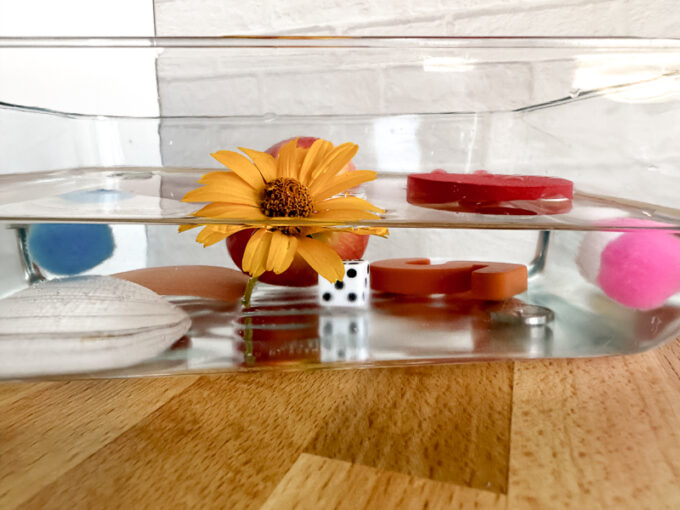
Floating and Sinking with Density: Test how different liquids (like water and oil) affect the ability of objects to float. Write a hypothesis such as: “If I place the object in oil, then it will float higher than in water due to the difference in density.”
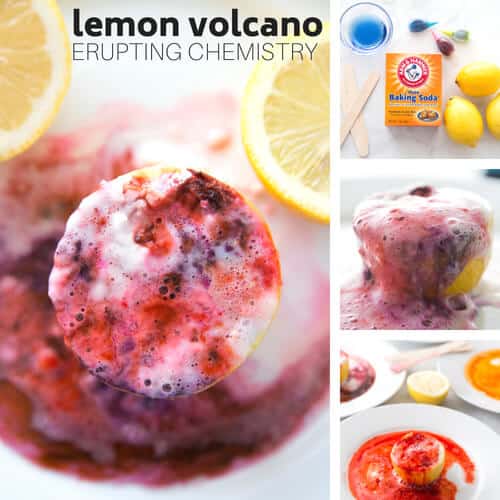
Baking Soda and Vinegar Volcano: This classic experiment shows how mixing baking soda and vinegar creates a reaction that produces gas. You can write a hypothesis such as: “If I increase the amount of baking soda, then the reaction will create more gas and a bigger ‘eruption.’”
Keeping Track of Your Hypothesis
As part of the scientific method, it is important to keep detailed records of your hypothesis and experiments in journals or a scientific notebook. This will help you track your predictions, results, and conclusions.
💡 Writing things down helps you reflect on what worked and what didn’t—and it’s a key part of learning from your experiments!
Practice Makes Perfect!
Writing a hypothesis is a skill that gets better with practice. You’ll become a stronger scientist by starting with a simple hypothesis and using it in experiments with clear variables. Test different science activities, make educated guesses, and discover what happens!
💡 Whether your hypothesis is right or wrong, what’s most important is learning through experimentation.
More Science Projects for Kids
- Alka Seltzer Reaction Rate Experiment
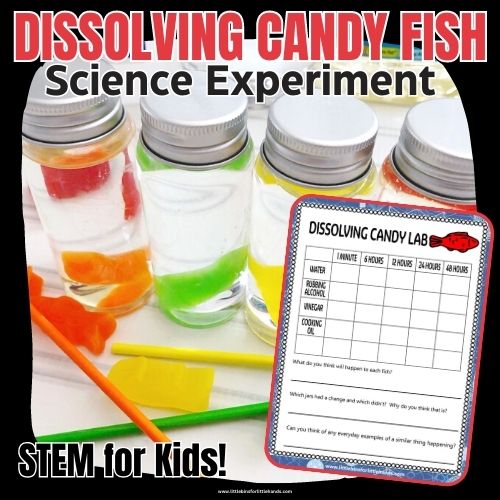
- Dissolving Candy Experiment
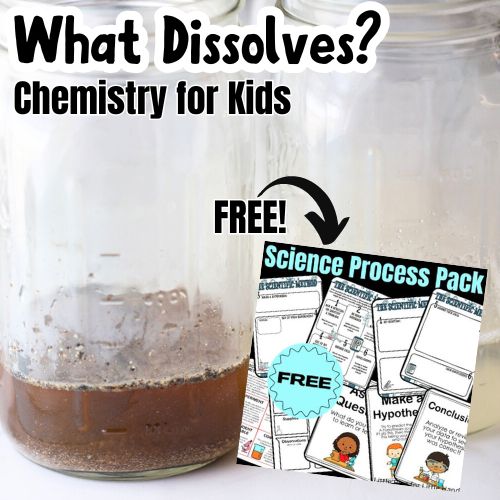
- What Dissolves Experiment
- Sugar and Yeast Experiment
- Heat Absorption Experiment
- Plant Growth Experiment



Helpful Science Resources
Here are a few resources to help you introduce science more effectively to your kids or students and feel confident presenting materials. You’ll find helpful free printables throughout.
- Printable Science Project Pack 👇
- Best Science Practices (as it relates to the scientific method)
- Science Vocabulary
- All About Scientists
- Free Science Worksheets
- DIY Science Kits
- Science Tools for Kids
- Scientific Method for Kids
- Citizen Science Guide
- Join us in the Club