
In this fun spring science experiment, kids will explore how static electricity in clouds leads to lightning. They will simulate this weather phenomenon using simple materials like a balloon and a spoon while learning about thunderstorms and lightning safety.

Lightning Static Electricity Experiment
Field of Science: Physics & Meteorology
Recommended Grade Level: 3-5
Concepts Explored:
- Static electricity
- Weather patterns
- Lightning formation
- Storm safety
This experiment demonstrates how static electricity builds up in storm clouds and how that charge can suddenly be released as lightning. Kids will observe how static charges behave and simulate a mini lightning bolt!
🔎 Explore more ways to learn about Static Electricity with kids here.
Supplies:
- Balloon
- Wool sweater or fabric
- Metal spoon
- Darkroom or dim space (optional for observing sparks)
🛑 Safety Notice:
This activity is safe for children with adult supervision. Ensure the experiment is conducted away from flammable materials, liquids, or gases. Always supervise children when using metal objects or working with static electricity.
🛑 Weather Safety Reminder:
When discussing thunderstorms and lightning, remind children to stay indoors during storms, avoid tall objects and open fields, and never take shelter under trees during lightning events.
🔎 Explore more weather science here.
Lightning Experiment Instructions
💡Note: This is challenging to photograph but very cool in person!
Inflate the Balloon: Blow up the balloon and tie it closed.
Create Static Charge: Rub the balloon against the wool fabric or sweater for 30-60 seconds. This builds up static electricity—just like storm clouds do!

Create “Lightning”: Slowly move the balloon toward the metal spoon. Watch closely for a tiny spark to jump between them, mimicking a lightning strike!

Optional: Bring the balloon into a dark room near a fluorescent light bulb. Watch for flickering caused by the static charge.
Test and Observe: Rub the balloon on other materials (e.g., a cotton shirt, synthetic fabric) to see which creates the most static charge.

Lightning Science Information
What is static electricity?
Static electricity occurs when electrons (tiny negative charges) build up on an object, like when clouds in a storm rub together and collect charges.
How does lightning form?
During a thunderstorm, rising warm air and falling cool air cause ice particles and water droplets in clouds to collide, building up positive and negative charges. When the charge difference becomes strong enough, it releases suddenly as lightning, traveling between clouds or from a cloud to the ground.
💡 Tip: Humidity affects static electricity. On dry days, static is stronger. On humid days, moisture helps carry charges away, making static less noticeable.
More Facts for Kids
- Lightning heats the air around it to about 30,000 Kelvin—that’s hotter than the sun’s surface!
- Thunder is the sound made when air rapidly expands due to the heat from lightning.
- The flash of lightning happens before the sound of thunder because light travels faster than sound.
Make It a Weather Science Project
Encourage kids to turn this experiment into a complete project by using the scientific method, writing a hypothesis, and testing variables such as:
- Does rubbing the balloon on different materials change the strength of the spark?
- How does humidity affect static buildup? Record observations on dry vs. humid days.
- Can you measure the distance the spark can jump using different materials?
Extension Activities
- Thunderstorm Formation: Create a diagram showing how thunderstorms form using warm and cool air masses.
- Safety First: Make a poster of lightning safety tips, such as avoiding tall trees or water during a storm.
- Static Races: See who can generate the biggest spark using different balloons and fabrics.

Related Weather Experiments
🔎 Find more weather science related activities here.
- Cloud in a Jar Experiment
- Tornado in a Jar Experiment
- Make a DIY Barometer
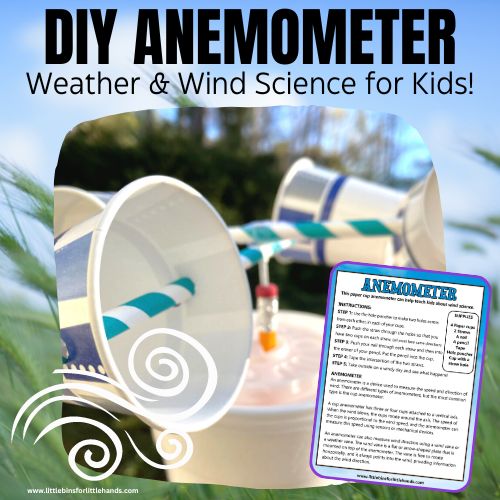
- DIY Anemometer Wind Experiment
- Homemade Weather Station