

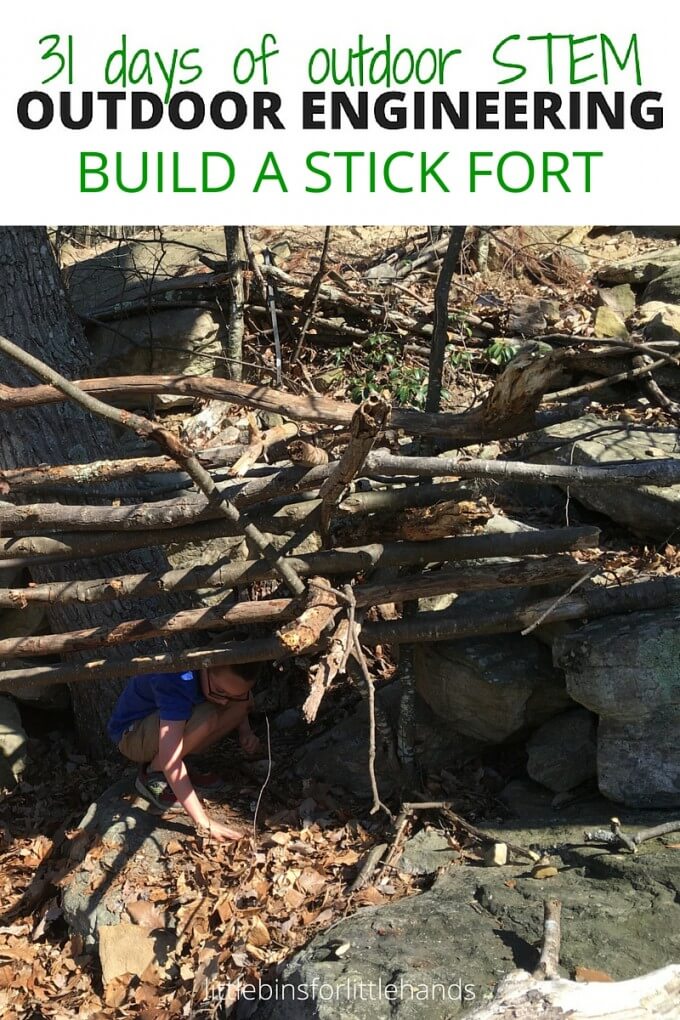
Learning how to build a stick fort is one of the best outdoor STEM activities for kids. With a few fallen branches, a good location, and a little creativity, kids can design, build, test, and improve their own woodland fort. Whether you make a simple lean-to, a teepee fort, or a larger shelter in the woods, building with sticks encourages problem-solving, engineering, teamwork, and outdoor play.
Why Build a Stick Fort?
Building a stick fort combines nature exploration with hands-on learning. Kids use observation, planning, and engineering skills while working with natural materials they find outdoors.
Stick forts are perfect for:
- Outdoor STEM activities
- Nature studies
- Backyard adventures
- Homeschool projects
- Summer learning
- Family hikes and nature walks
Plus, kids love creating a space they can call their own!
What You’ll Need
- Fallen sticks and branches
- Larger branches for support
- Leaves, grass, or pine needles (optional)
- Natural materials for decorating
- Open outdoor space
- Adult supervision
💡 Tip: Always use fallen branches rather than breaking branches from living trees.
How to Build a Stick Fort
Step 1: Choose a Good Location
Look for a flat area with plenty of fallen sticks nearby. Trees, large rocks, or logs can provide natural support and make construction easier.
Before building, ask:
- Is the ground level?
- Are there enough sticks nearby?
- Can a tree or rock be used as part of the structure?
- Is the area safe?
Step 2: Decide on a Design
Before collecting materials, talk about the shape of your fort.
Simple fort ideas include:
- Lean-to fort
- Teepee fort
- A-frame fort
- Three-sided shelter
Encourage kids to sketch a quick design before they begin building.
👉 This is a great opportunity to learn about the Engineering Design Process!
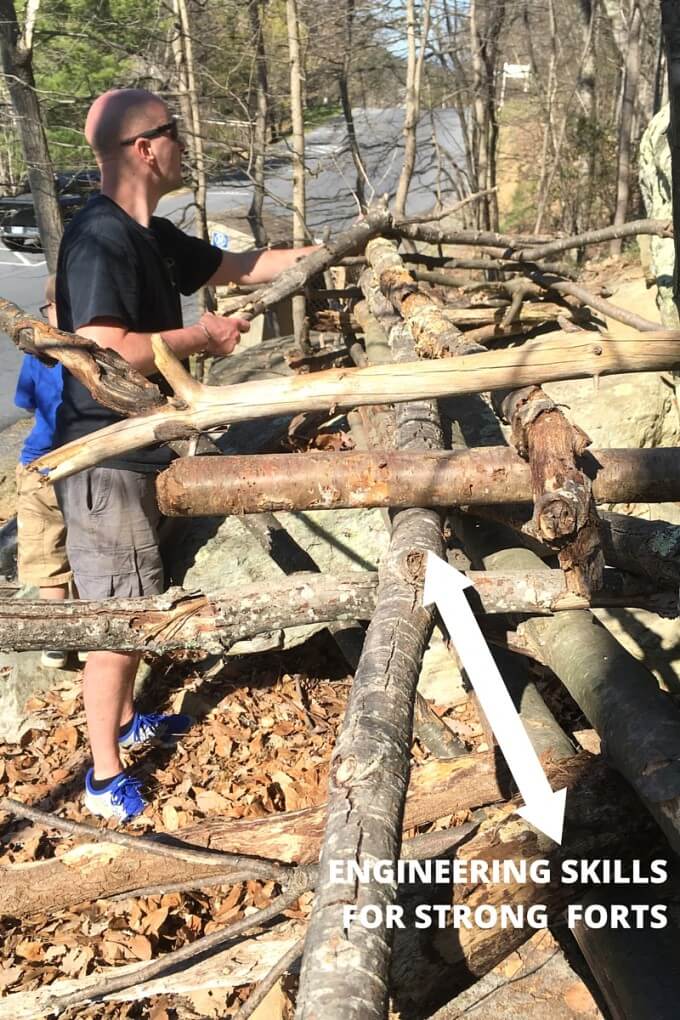
Step 3: Build a Strong Frame
Start with the largest branches first.
For a simple lean-to, place one long branch against a tree or log to create the roof support. For a teepee fort, lean several long branches together at the top.
💡 The frame provides the structure and stability for the rest of the fort.
Step 4: Add the Walls
Layer smaller branches against the frame.
Experiment with different building techniques:
- Stacking
- Weaving
- Crossing branches
- Lincoln Log-style layering
💡 Talk about which arrangements feel strongest and why.
Step 5: Test and Improve
Once the basic fort is built, test its strength.
Ask:
- Does it wobble?
- Which wall feels strongest?
- Does the roof stay in place?
- What could make it stronger?
💡 Making changes and improvements is an important part of the engineering process.
Step 6: Decorate Your Fort
Now it’s time to personalize your fort!
Use natural materials such as:
- Leaves
- Pinecones
- Bark
- Flowers
- Stones
Kids can even create signs, nature art, or pretend camp areas inside the fort.
Easy Stick Fort Designs for Kids
Lean-To Stick Fort
A lean-to is one of the easiest forts to build. Use a tree, log, or large rock as a support and lean branches against it to create a simple shelter.
Best for: Younger kids and first-time builders.
Teepee Stick Fort
Gather long branches and lean them together to form a cone shape. Fill in the sides with smaller sticks.
Best for: Small groups and imaginative play.
A-Frame Stick Fort
Create two sloping sides that meet at the top, forming an A shape.
Best for: Stronger structures and larger forts.
Woodland Shelter
Use trees, logs, and natural features in the design to create a larger outdoor hideaway.
Best for: Team projects and older kids.
How Building a Stick Fort Supports STEM Learning
Building a stick fort is a fantastic example of outdoor STEM.
Science
Kids explore balance, gravity, forces, and materials while testing different branches and structures.
Technology
Children learn how simple tools and techniques help solve building challenges.
Engineering
Designing, building, testing, and improving a structure follows the same engineering design process used by real engineers.
Math
Kids naturally use measurement, estimation, symmetry, and spatial reasoning as they build.
Stick Fort STEM Challenges
Want to make it even more engaging? Try one of these challenges.
- Build a fort using only 20 sticks.
- Build the tallest fort possible.
- Build a fort that can fit two people.
- Create a weather-resistant roof.
- Build a camouflage fort that blends into the environment.
- Design a fort using only one type of natural material.
- Build a fort in under 30 minutes.
Questions for Reflection
Encourage kids to think like engineers.
- What worked well?
- What was the hardest part?
- Which materials worked best?
- How did you solve problems during construction?
- What would you change next time?
- How could you make the fort stronger?
👉 What is an Engineer? Learn more here and collect our free engineering resources.
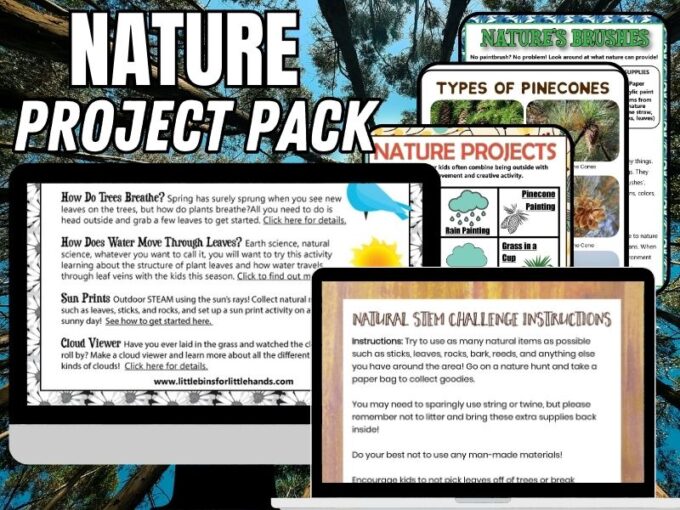
Free Printable Nature Activity Guide
Pair your stick fort project with our free nature activity guide for even more outdoor learning ideas.
More Outdoor Activities for Kids
If your kids enjoyed building a stick fort, try these outdoor activities too:
- Outdoor STEM Activities
- Outdoor Science Experiments
- Nature Activities for Kids
- Outdoor Art Projects
- Nature Scavenger Hunts
- Summer Camp Activities
- Nature Would You Rather Questions
Printable Nature Activities Pack
Take learning outdoors with our printable Nature Activities Pack!
Inside you’ll find:
- Nature-themed writing prompts
- Outdoor STEM challenges
- Backyard bird studies
- Nature scavenger hunts
- Observation activities
- Collection projects
- Leaf science investigations
- Seed-growing activities
- Insect hotel projects
- Five Senses Nature Explorations
Bonus: Pinecone Activity Pack Included!
Frequently Asked Questions
What is the easiest stick fort to build?
A simple lean-to fort is usually the easiest design for beginners because it uses a tree, log, or rock for support.
What age is stick fort building good for?
Stick fort building can be adapted for preschoolers through upper elementary students. Younger children may need help gathering and balancing larger branches.
What skills do kids learn when building a stick fort?
Kids practice engineering, problem-solving, teamwork, planning, observation, and creativity while working with natural materials.
Can you build a stick fort in your backyard?
Yes! A backyard, local park, nature center, or wooded area can all work as long as you have permission and access to fallen branches.
Is building a stick fort a STEM activity?
Absolutely. Building a stick fort involves science, engineering, design, testing, and problem-solving, making it an excellent outdoor STEM project for kids.



4 Comments
Comments are closed.