
Kids ask the BEST science questions.
Sometimes scientists already know the answers—and sometimes they’re still investigating!
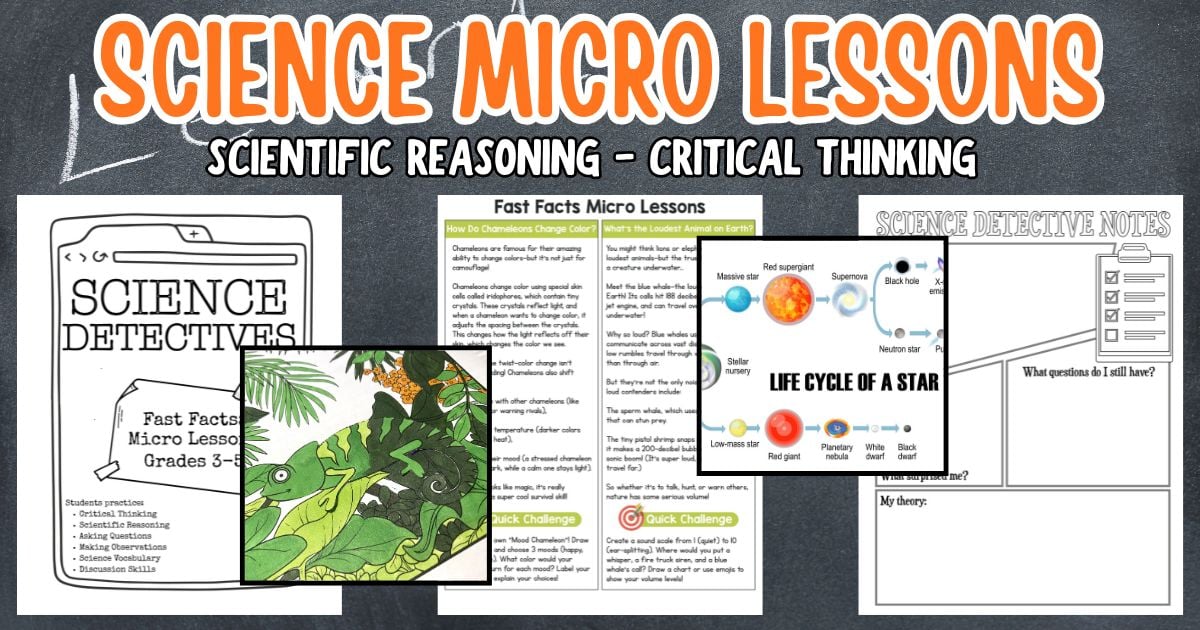
These weird science questions help kids develop curiosity, reasoning, discussion, and critical thinking through short, high-interest science activities that are perfect for classrooms, homeschool learning, STEM clubs, and science enrichment.
Science At a Glance
Field: Scientific Reasoning & Critical Thinking
Grades: 3–5
Concepts Explored: Observation, scientific reasoning, asking questions, discussion skills, science vocabulary, evidence-based thinking
👉 These discussion activities pair perfectly with our science misconception activities, where kids investigate incorrect science ideas, spot mistakes, and explain the correct science using evidence and reasoning.
Why Weird Science Questions Matter
Science is not just about memorizing facts.
Real scientists:
- ask questions
- investigate mysteries
- collect evidence
- compare ideas
- test theories
- explain reasoning
That’s why fascinating science questions are such powerful learning tools.
They naturally encourage:
- curiosity
- discussion
- close reading
- deeper thinking
- science communication
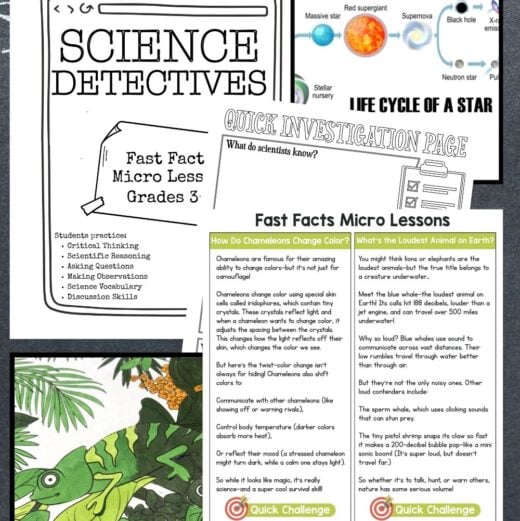
The Science Detectives Fast Facts system was designed specifically to support these skills through quick, high-interest micro lessons.
👉 Want the prep done for you? The Science Detectives Fast Facts Pack is organized and ready to use right away.
What’s Inside a Black Hole?
Imagine something so powerful it can pull in stars, planets—even light itself.
Black holes form when massive stars collapse, creating an incredibly dense point called a singularity. Scientists can observe what happens around black holes, but nobody truly knows what’s inside.
Some scientists even wonder:
- Could black holes connect to another universe?
- Could they create wormholes?
- What happens beyond the event horizon?
🔍 Think Like a Scientist:
What evidence do scientists use to study something they cannot directly see?
💡 Quick Challenge: Draw or describe your theory about what might exist inside a black hole.
The Science Detectives Micro Lessons pack includes a printable black hole investigation card with discussion prompts and reasoning challenges.
Is There Sound in Space?
Movies make space seem noisy—but real space is mostly silent.
Sound waves need matter, like air or water, to travel. Space is mostly a vacuum, so sound cannot move the same way it does on Earth.
Scientists can still detect vibrations from stars and black holes using special instruments that convert data into sounds we can hear.
🔍 Think Like a Scientist:
Why does sound need a medium to travel?
💡 Quick Challenge: Design a “space sound machine” astronauts could use.
👉 Try more hands-on sound science activities for kids.
Why Do We Yawn?
Even reading the word “yawn” can make people yawn.
Scientists are still studying why this happens, but there are several theories:
- cooling the brain
- increasing alertness
- social connection and empathy
One of the strangest parts? Yawning can be contagious.
🔍 Think Like a Scientist:
How could scientists test whether yawning is contagious?
💡 Quick Challenge: Create your own theory about why humans yawn.
The Fast Facts Micro Lessons encourage students to compare ideas, discuss theories, and support reasoning with evidence.
What’s a Shooting Star, Really?
Shooting stars are not actually stars.
They are tiny bits of rock or dust called meteoroids burning up as they enter Earth’s atmosphere. The glowing streak we see is called a meteor.
Most meteors burn up completely before reaching Earth.
🔍 Think Like a Scientist:
Why do objects glow when moving quickly through Earth’s atmosphere?
💡 Quick Challenge: Explain a shooting star using only 3 powerful words.
This type of short science challenge helps students summarize ideas and practice science vocabulary in a fun way. Make it a journal page!
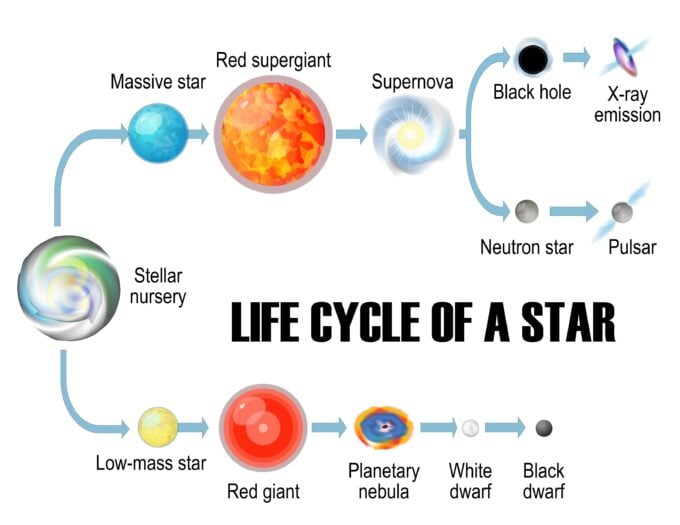
👉 Explore more space activities for kids and read about the life cycle of a star.
Why Do We Get Goosebumps?
Goosebumps are actually a leftover survival response from our animal ancestors.
Tiny muscles pull hairs upright when animals feel cold or threatened. Humans still experience goosebumps during:
- fear
- excitement
- strong emotions
- music
- sudden chills
🔍 Think Like a Scientist:
Why might raising body hair help animals survive?
💡 Quick Challenge: Describe a moment that gave you goosebumps and explain why.
What Causes Hiccups?
Hiccups happen when the diaphragm suddenly contracts, causing a quick intake of air.
Scientists know what happens physically, but they are still investigating why hiccups sometimes happen randomly.
Common triggers include:
- eating too quickly
- carbonated drinks
- excitement
- nervousness
🔍 Think Like a Scientist:
How could scientists test whether certain foods trigger hiccups more often?
💡 Quick Challenge: Invent your own hiccup remedy.
Do Sharks Sleep?
Sharks do rest—but not the same way humans do.
Many sharks must keep moving to push water over their gills so they can breathe. Some sharks enter resting states where parts of the brain slow down while they continue moving slowly.
🔍 Think Like a Scientist:
How is shark rest different from human sleep?
💡 Quick Challenge: Design a “shark resting zone.”
The Micro Lessons encourage students to compare animal adaptations and explain scientific ideas using evidence and discussion.
What If Bees Went Extinct?
Bees are some of Earth’s most important pollinators.
Without bees:
- many plants could not reproduce
- food supplies would shrink
- ecosystems would change dramatically
Many fruits, vegetables, and crops depend on pollination.
🔍 Think Like a Scientist:
How are bees connected to food chains and ecosystems?
💡 Quick Challenge: Design a bee-friendly habitat or garden plan.
👉 Learn more about bees, pollinators, and ecosystems.
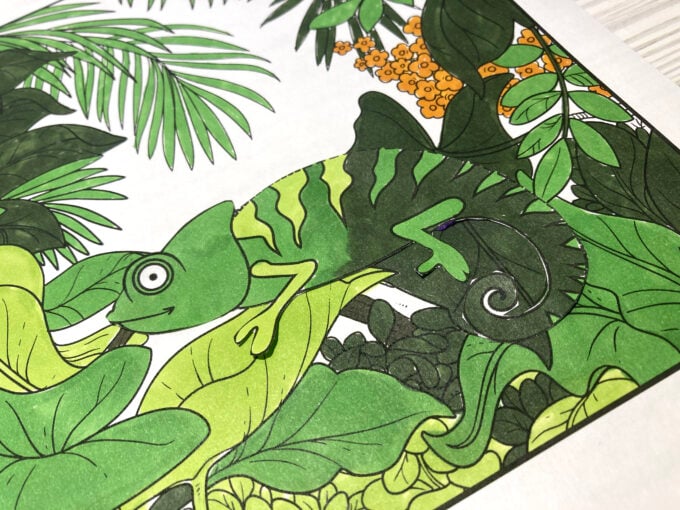
How Do Chameleons Change Color?
Chameleons use special skin cells called iridophores that reflect light in different ways.
Color changes help chameleons:
- communicate
- regulate temperature
- react to emotions
- blend into surroundings
🔍 Think Like a Scientist:
Why would changing color help an animal survive?
💡 Quick Challenge: Create your own “mood chameleon” with different color meanings.
👉 Try this chameleon camouflage STEAM project for animal adaptations lessons
What’s the Loudest Animal on Earth?
The loudest animal on Earth is actually the blue whale. Its calls can reach 188 decibels and travel hundreds of miles underwater.
Other surprisingly loud animals include:
- sperm whales
- howler monkeys
- pistol shrimp
🔍 Think Like a Scientist:
Why does sound travel differently underwater?
💡 Quick Challenge: Create a sound scale ranking quiet to extremely loud sounds.
Why These Quick Science Discussions Work
Short science investigations are incredibly powerful because they:
- build curiosity
- encourage discussion
- improve science vocabulary
- support critical thinking
- increase engagement
- strengthen reasoning skills
Students naturally begin asking deeper questions instead of simply memorizing information. The Science Detectives Micro Lessons were specifically designed to encourage:
- questioning
- discussion
- investigation
- evidence-based thinking
- science communication
Easy Ways to Use These Science Questions
These quick science discussion activities work well for:
- morning work
- bell ringers
- science warm-ups
- STEM centers
- fast finisher activities
- read alouds
- small groups
- science journals
- homeschool learning
- sub plans
Most activities take only 5–10 minutes to complete.
Explore the Science Detectives Fast Facts Micro Lessons
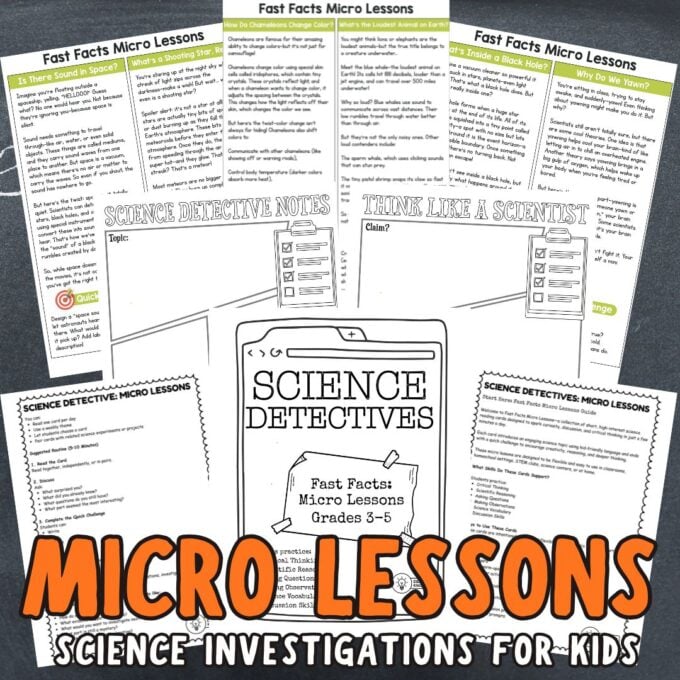
The Science Detectives: Fast Facts Micro Lessons pack includes short, high-interest printable science cards designed to spark:
- curiosity
- scientific reasoning
- discussion
- observation
- critical thinking
Perfect for grades 3–5 classrooms, homeschool science, STEM clubs, and inquiry-based learning.
Science FAQ
What are good science questions for kids?
Great science questions encourage curiosity and discussion. Questions about space, animals, the human body, weather, and strange science phenomena work especially well.
Why are weird science questions useful for learning?
Weird science questions naturally encourage critical thinking, observation, discussion, and deeper scientific reasoning.
What age are these science discussion activities best for?
These activities work especially well for grades 3–5 but can easily be adapted for younger or older students.
How do you teach critical thinking in science?
Encourage students to ask questions, compare evidence, explain ideas, investigate theories, and discuss multiple possibilities.
Can science discussion cards be used in groups?
Absolutely. These activities work very well for partner discussions, STEM centers, science journals, and small group learning.
What topics are included in the Science Detectives Fast Facts pack?
Topics include black holes, yawning, sound in space, shooting stars, sharks, bees, goosebumps, hiccups, chameleons, and more.