
Air is all around us—but we can’t always see what’s in it.
These air pollution activities for kids make the invisible visible through simple, hands-on experiments. Kids explore how air becomes polluted, how it affects living things, and how we can design solutions to keep it clean.
These activities are perfect for classroom lessons, homeschool learning, STEM centers, and Earth Day themes.
👉 Want to explore all types of pollution?
Pollution Activities for Kids
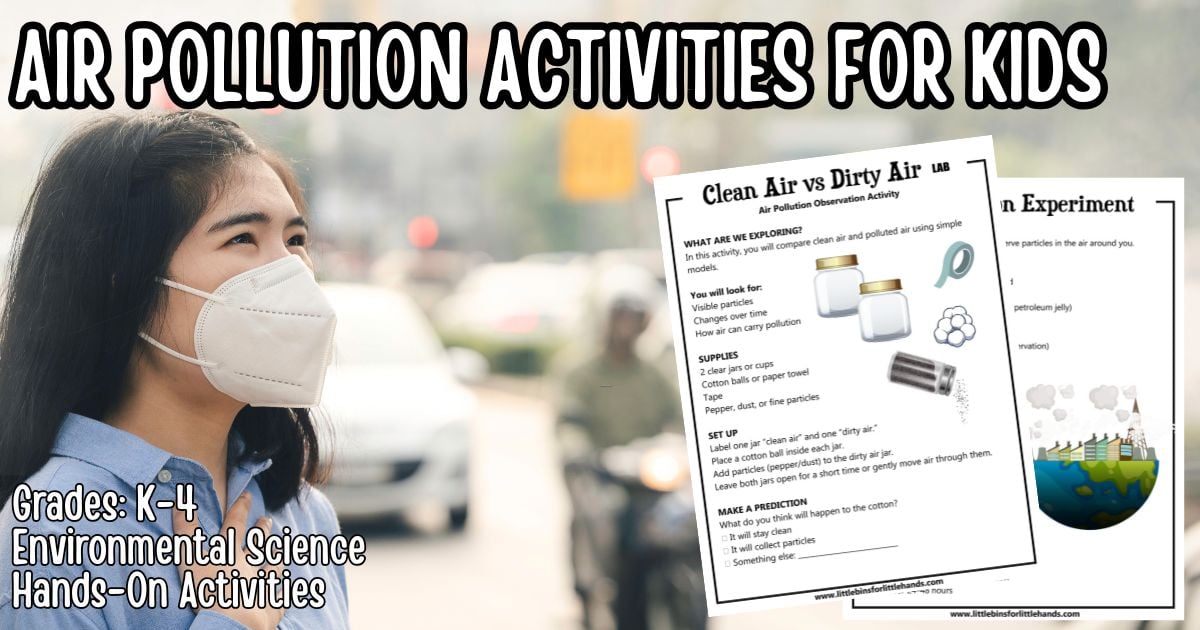
What Is Air Pollution?
Air pollution happens when harmful particles and gases enter the air. These can come from cars, factories, smoke, and even natural sources like dust or pollen.
Even when we can’t see it, polluted air can affect plants, animals, and people. That’s why scientists study air quality and work to reduce pollution.
Air Pollution Activities for Kids
Start with a simple observation activity, then explore deeper experiments and engineering challenges.
Clean vs Dirty Air Activity (Free Air Pollution Worksheet Below)
Start here with a simple, hands-on activity that helps kids see how air can become polluted.
In this activity, students compare clean air and polluted air using jars and observe how particles collect over time.
This is a perfect introduction before trying more advanced air pollution experiments.
What You’ll Explore
- How air can carry pollution
- How particles move through air
- How pollution can be observed and collected
Students may notice:
- Cotton collecting particles
- Differences in clarity
- Visible buildup over time
Supplies
- 2 clear jars or cups
- Cotton balls or paper towel
- Tape
- Pepper, dust, or fine particles
How It Works
- Label one jar “clean air” and one “dirty air”
- Place cotton inside each jar
- Add particles to the dirty air jar
- Leave both jars open or gently move air through them
- Observe changes over time
What’s Happening
Air pollution includes tiny particles that float in the air.
These particles:
- Travel through the air
- Get trapped in materials (like cotton)
- Can enter our lungs when we breathe
💡 Even if the air looks clean, it may still contain pollution.
👉 Grab Your Free Clean vs Dirty Air Worksheet
Use the printable lab sheet to guide predictions, observations, and results.
Download your free Clean vs Dirty Air activity here
Air Pollution Experiment (Air Quality Test)
Can you collect pollution from the air?
In this activity, students use a sticky surface to trap particles and observe what’s floating in the air around them.
👉 Try the full air pollution experiment here
Build a Simple Air Filter (STEM Challenge)
Design and build your own air filter using everyday materials.
This engineering challenge helps kids explore how filters trap particles and improve air quality.
👉 Explore the full air filter STEM challenge here
How We Breathe (Lung Model Activity)
Show how air moves through the lungs and why clean air matters.
👉 Try the lung model activity here
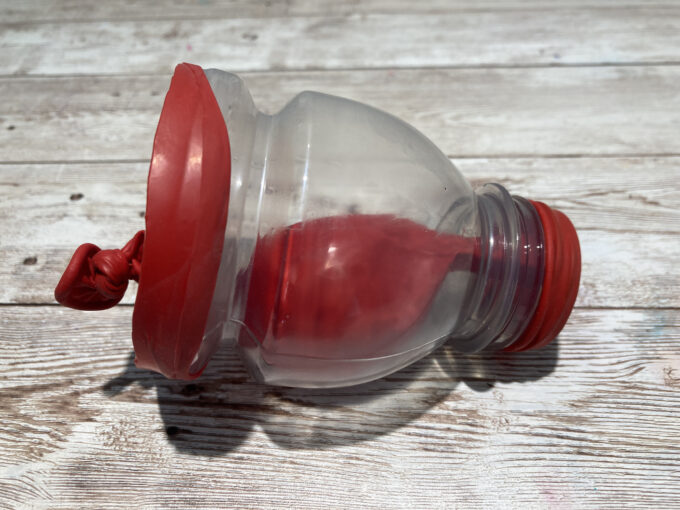
Indoor vs Outdoor Air Comparison
Explore how location affects air quality.
How to try it:
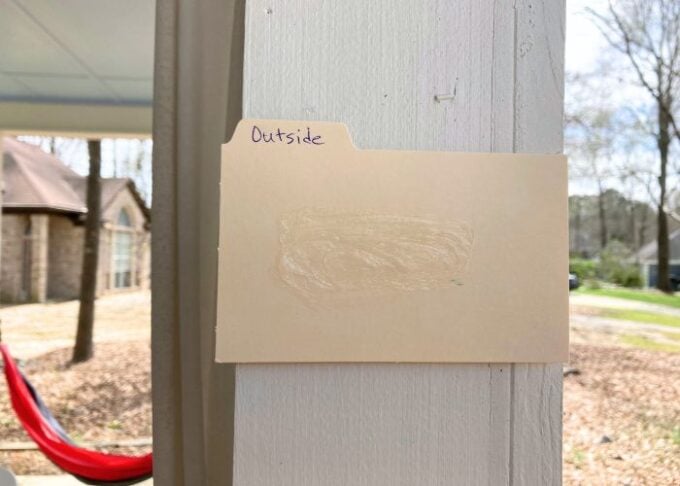
Place observation cards or collectors in different locations such as indoors, outdoors, near a road, or in a backyard.
What to observe:
- Which location collected the most particles?
- Which area seemed cleanest?
What’s happening:
Air quality varies with the environment. Busy or polluted areas often have more particles in the air.
Smog Jar Model
Model how pollution can become trapped in the air.
How to try it:
Add colored water to a jar and pour a thin layer of oil on top.
What to observe:
- The colored layer stays trapped
- The oil acts like a barrier
What’s happening:
Smog forms when air becomes trapped in one place, preventing pollution from spreading out.
Air Pollution Science Information
Field: Earth Science—Environmental Science
Grades: K–4
Concepts Explored: Air contains particles we can’t always see; pollution comes from natural and human sources; air quality affects living things; filters can reduce pollution.
Air is made up of gases like oxygen, which we need to breathe. It also contains tiny particles called pollutants.
These pollutants can come from:
- Car exhaust
- Smoke
- Dust
- Factories
Even when the air looks clean, it may still contain particles.
In the air pollution experiment, particles are collected and observed, helping students understand what is normally invisible.
Air pollution can travel long distances through the wind, affecting areas far from its source. Scientists measure air quality to help protect people and the environment.
👉 Acid Rain Experiment (Air Pollution in Action)
Air pollution doesn’t just stay in the air—it can fall back to Earth as acid rain. In this simple experiment, kids use flowers, water, and vinegar to model how acidic rain affects plants and ecosystems.
How to Teach Air Pollution
These activities can easily be combined into a simple and engaging air pollution lesson.
Discussion Questions
- What did you notice in your activity?
- Which location had the most pollution? Why?
- Can air look clean but still be polluted?
- How can we help keep the air clean?
More Facts for Kids
- Most air pollution is invisible
- Plants help clean the air
- Wind can move pollution far away
- Air quality can change throughout the day
Air Pollution FAQ for Kids
What is air pollution for kids?
Air pollution is when harmful particles and gases enter the air and make it unsafe or dirty.
How can kids learn about air pollution?
Through hands-on activities like observing particles, building filters, and comparing environments.
What causes air pollution?
Cars, factories, smoke, dust, and natural sources.
Why is it important?
Clean air is important for health and the environment.
Related Activities
- Pollution Activities for Kids
- Water Pollution Activities for Kids
- Land Pollution Activities for Kids
- Oil Spill Cleanup Experiment
- Earth Day Science Activities
- Water Conservation Activities
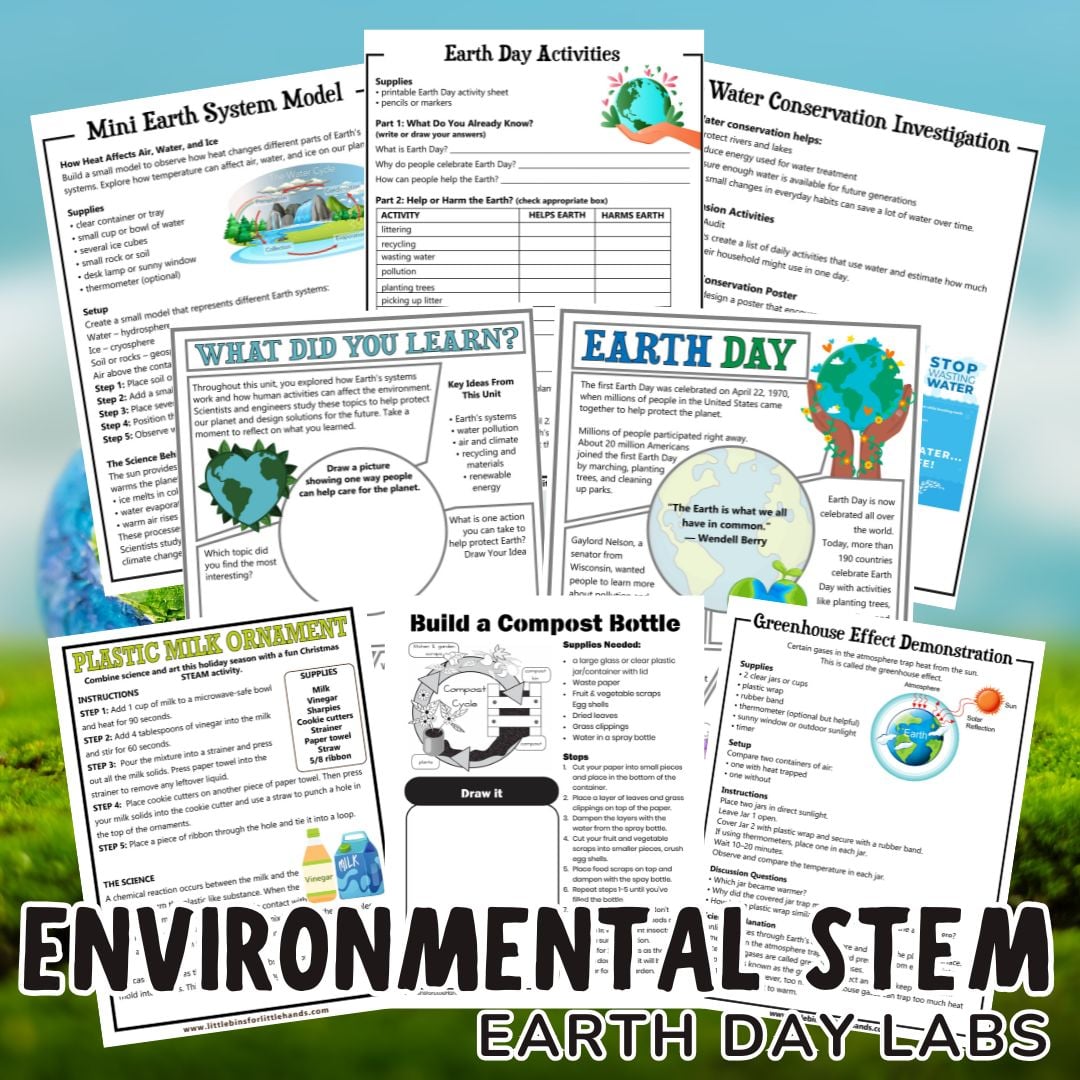
Want Everything Organized for You?
Planning Environmental or Earth Day lessons doesn’t have to mean jumping between 20 different tabs. Our Environmental STEM Printable Pack brings everything together in one ready-to-use resource, with vocab, NGSS questions, and quick-start tips.