
Understanding animal life cycles is an exciting and engaging way to introduce early elementary school kids to the wonders of biology. Explore the life cycles of some fascinating animals and grab free printable activity packs along the way.

Exploring Animal Life Cycles
Let’s explore the different life cycles of animals. Each one offers something unique to observe, whether it’s the transformation of a caterpillar into a butterfly or a frog from a tadpole.
💡 Explore more Animal Activities [here], including adaptations, classification, migration, pollination, and hibernation.
Recommended Ages: These life cycle lessons are ideal for first-grade students ages 6-7. However, with appropriate guidance, they can also be used with kindergarten or second-grade students as an introduction to animal science.
💡 Free Printable Packs: Click on each title below to receive the free printable worksheet pack.
Spider Life Cycle
The spider life cycle begins with eggs in a silk sac, which hatch into spiderlings that grow through molting stages into adult spiders.
- Egg: Female spiders lay eggs in silk egg sacs.
- Spiderling: Baby spiders, or spiderlings, hatch and often disperse by ballooning.
- Adult Spider: Spiderlings grow through molting stages until they reach adulthood.

Bat Life Cycle
Bats are born live as pups, cared for by their mothers until they grow, learn to fly, and use echolocation to become adult bats.
- Birth: Bats give birth to live young called pups.
- Growth: The pups grow under the care of their mothers, learning to fly and hunt for food.
- Adult Bat: Once mature, bats can navigate and use echolocation to find insects and prey.

Bee Life Cycle
Bee eggs hatch into larvae, which undergo metamorphosis inside a cocoon to become adult bees.
- Egg: Queen bees lay eggs in hive cells.
- Larva: The eggs hatch into larvae, fed by worker bees.
- Pupa: The larva spins a cocoon and undergoes metamorphosis inside.
- Adult Bee: The adult bee emerges, ready to take on roles in the hive.

Bird Life Cycle
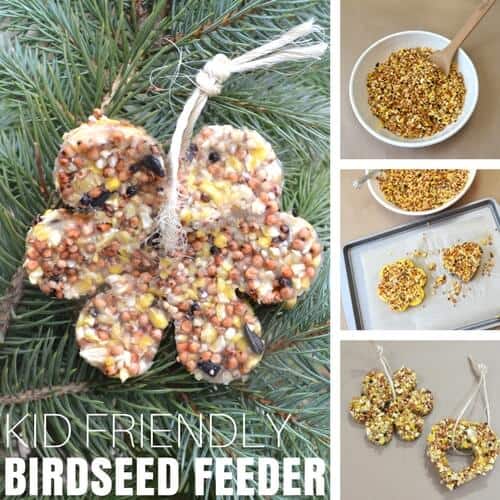
Birds lay eggs that hatch into chicks, which grow into fledglings and eventually become adult birds capable of nesting.
- Egg: Birds lay eggs in nests, and the mother incubates them.
- Hatchling: Once hatched, the baby bird is fed and cared for by its parents.
- Fledgling: The bird grows feathers and starts learning to fly.
- Adult Bird: Fully grown, the bird is independent and ready to build its own nests.

Ladybug Life Cycle
Ladybugs go through four stages—egg, larva, pupa, and adult—transforming from larvae into adult ladybugs after molting.
- Egg: Female ladybugs lay eggs in clusters.
- Larva: Larvae hatch and immediately begin eating aphids.
- Pupa: The larva forms a pupa and undergoes metamorphosis.
- Adult Ladybug: The adult ladybug emerges with distinctive red and black spots.

Chicken Life Cycle
Chickens lay eggs that hatch into chicks, which grow feathers and mature into adult chickens.
- Egg: Chickens lay eggs, which are incubated until they hatch.
- Chick: The chick hatches and is covered in downy feathers.
- Adult Chicken: Over time, the chick grows feathers and matures into an adult chicken.

Sea Turtle Life Cycle
Sea turtles lay eggs on beaches, and the hatchlings go to the ocean, where they grow into adults and return to lay their eggs.
- Egg: Sea turtles lay their eggs on sandy beaches.
- Hatchling: Once hatched, the baby sea turtles make their way to the ocean.
- Juvenile: Sea turtles grow in the ocean, facing many challenges in their journey to adulthood.
- Adult Sea Turtle: Adult sea turtles return to the beach to lay their eggs.

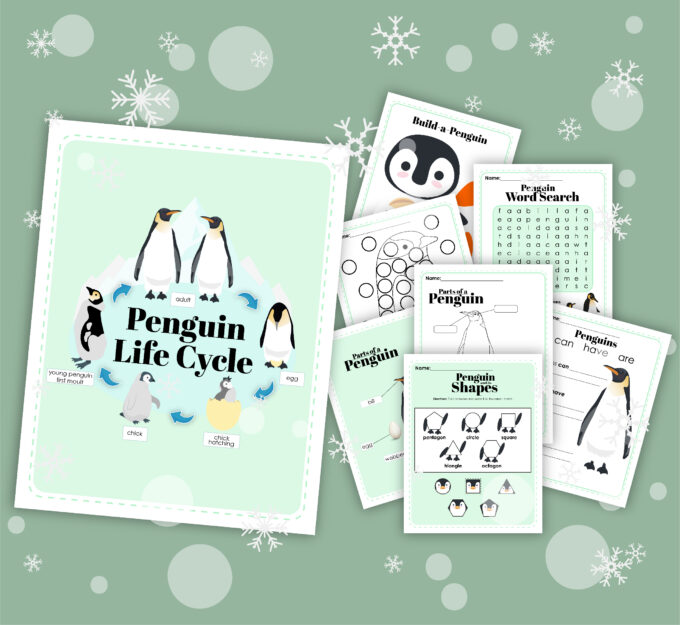
Penguin Life Cycle
Penguins lay eggs that hatch into chicks, which grow under the care of both parents and eventually become adult penguins.
- Egg: Penguins lay eggs in nests or between their feet in cold environments.
- Chick: The chick hatches and is cared for by both parents.
- Adult Penguin: As the chick matures, it learns to swim and hunt, eventually becoming an adult.
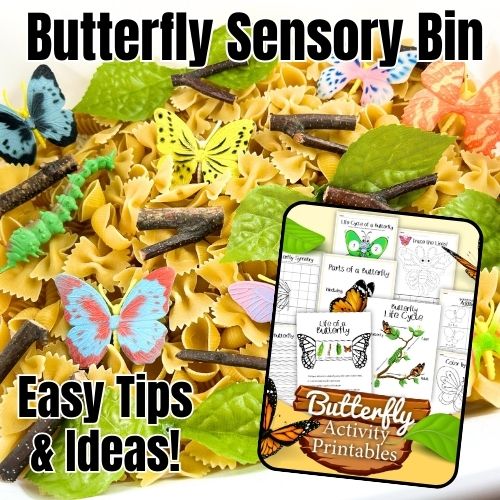
Butterfly Life Cycle
Butterflies begin as eggs, hatch into caterpillars, and transform into adult butterflies through metamorphosis inside a chrysalis.
- Egg: Female butterflies lay eggs on plants.
- Caterpillar (Larva): The egg hatches into a caterpillar, which eats and grows rapidly.
- Pupa (Chrysalis): The caterpillar forms a chrysalis and undergoes metamorphosis.
- Adult Butterfly: The adult butterfly emerges, ready to fly and pollinate flowers.

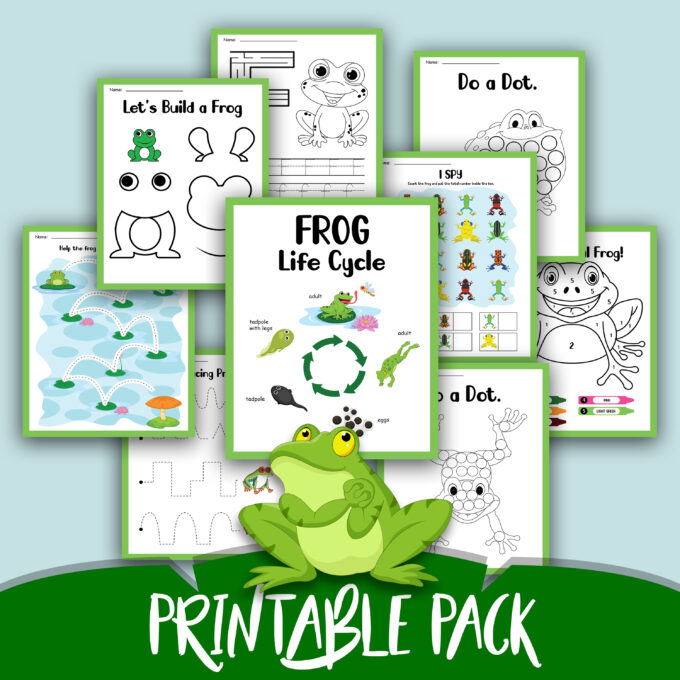
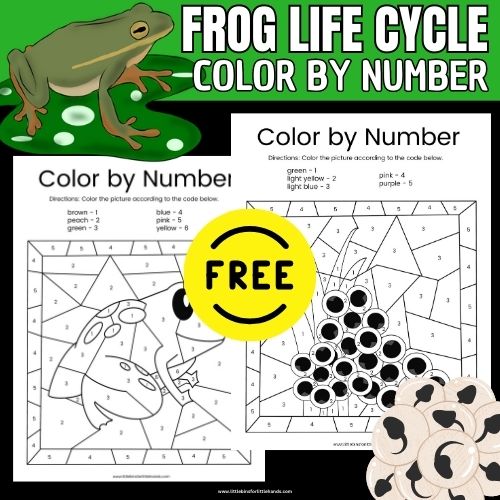
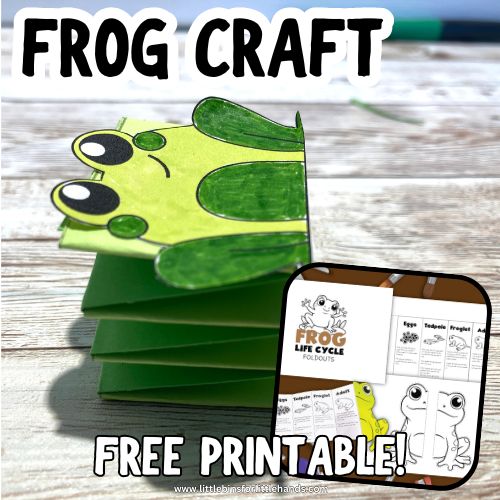
Frog Life Cycle
Frogs lay eggs in water, which hatch into tadpoles that transform into adult frogs after developing legs and lungs.
- Egg: Frogs lay eggs in water.
- Tadpole: The eggs hatch into tadpoles, which live in water and breathe with gills.
- Froglet: Tadpoles grow their legs, lose their tails, and start breathing air.
- Adult Frog: The adult frog can live in water and on land.

Jellyfish Life Cycle
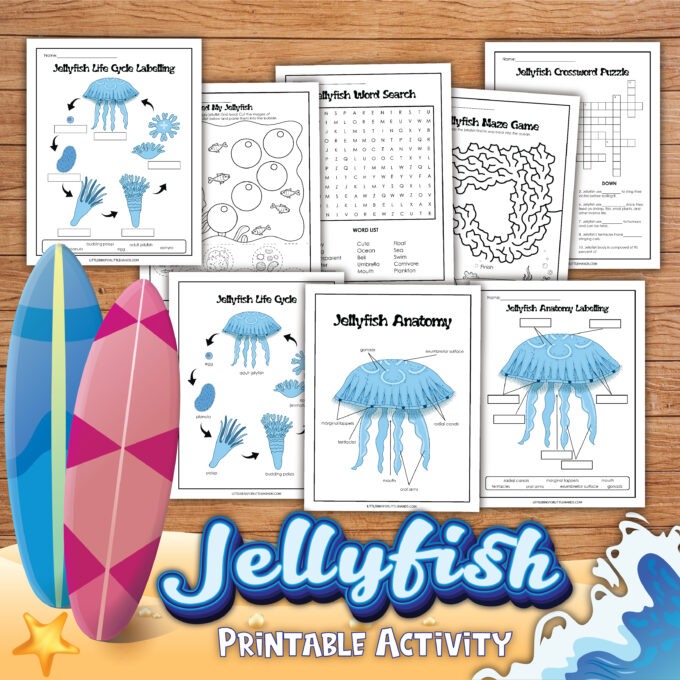
Jellyfish undergo a complex life cycle that includes both a stationary polyp stage and a free-swimming medusa stage.
- Egg: Jellyfish begin life as fertilized eggs that develop into larvae.
- Polyp: The larvae settle on the ocean floor and grow into polyps.
- Medusa (Adult Jellyfish): The polyps release baby jellyfish, which mature into adult jellyfish, known as medusas.
Earthworm Life Cycle
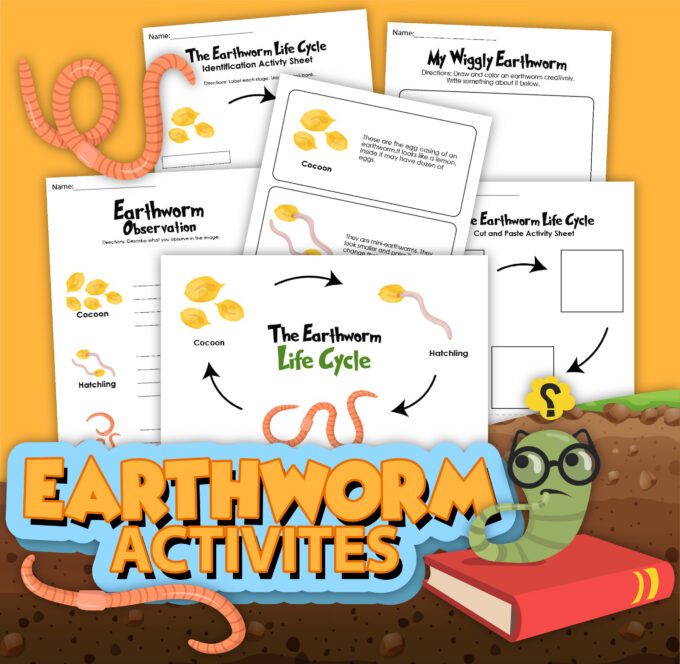
Earthworms begin life in cocoons, hatch into juveniles, and mature into adults that help enrich soil by decomposing organic matter.
- Egg (Cocoon): Earthworms start as eggs inside small cocoons buried in the soil.
- Juvenile Earthworm: Once hatched, juvenile earthworms grow by feeding on organic material in the soil.
- Adult Earthworm: Adult earthworms help aerate and enrich the soil as they digest organic matter, contributing to healthy ecosystems.
Shark Life Cycle
Sharks develop from eggs or are born live, grow into juveniles, and eventually become apex predators in their ecosystem.
- Egg/Pup: Some sharks lay eggs, while others give birth to live pups.
- Juvenile Shark: Young sharks grow in the ocean, learning to hunt for prey and avoid predators.
- Adult Shark: Adult sharks become apex predators, controlling fish populations and maintaining the balance in their ocean ecosystems.

Related Animal Life Cycle Activities
💡 If you need plant life cycle activities, we have those too!
For learners who enjoy hands-on activities to reinforce the animal life cycles, try one of these activities:
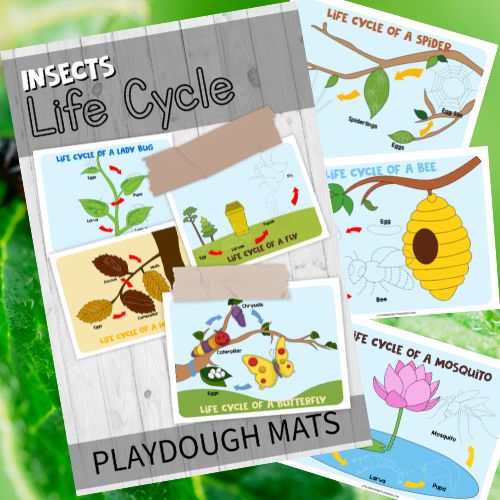
Printable Animal STEAM Bundle
Grades: K-5
Discover a world of animal-themed science, technology, engineering, art, and math (STEAM) with our Animal STEAM Bundle [here]! This comprehensive bundle (12 packs) is perfect for both classroom and home use, offering a wide range of hands-on projects that make learning fun and engaging for kids.
Whether you teach vertebrates, invertebrates, animal life cycles, or food chains, this pack has everything you need to captivate Kindergarten to 5th-grade students.