
Turkey Science for Kids: Life Cycle, Anatomy & Free Lapbook
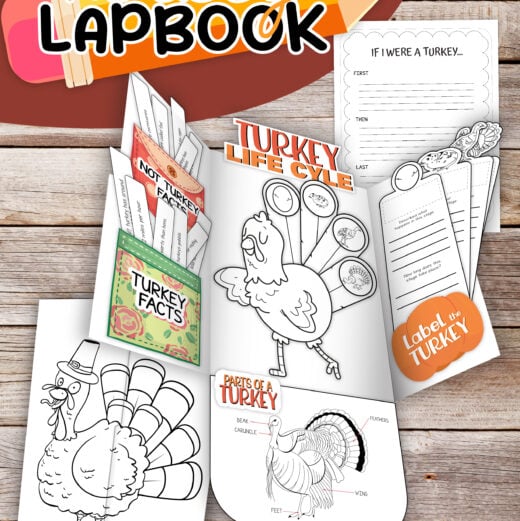
Explore turkey science for kids with a fun, hands-on activity that combines animal life cycles, anatomy, habitats, and adaptations! This free Turkey Lapbook helps elementary students learn about wild turkeys while creating an interactive science project they can keep and share.
👉 It’s a great addition to your Thanksgiving activities for kids or an animal science lesson any time of year.

Science Focus: Life Science
Grades: K–3
Concepts: Animal life cycles, anatomy, adaptations, habitats
Free Turkey Science Lapbook Activity
Learn about the life cycle of a turkey, identify its body parts, and explore interesting turkey facts with this printable science lapbook.
A lapbook is an interactive project made with folded paper, flaps, and mini-books. Students organize what they’ve learned into a visual presentation they can open, read, and explore.
Our free Turkey Lapbook printable includes:
- Turkey Life Cycle: Explore how turkeys grow and change from egg to adult.
- Parts of a Turkey: Identify and learn about turkey anatomy.
- Turkey Facts Sorting: Decide which statements about turkeys are true.
- Creative Writing: Complete the “If I Were a Turkey” activity.
Supplies
- Free Turkey Lapbook printable (download below)
- File folder or large sheet of construction paper
- Scissors
- Glue stick
- Crayons, markers, or colored pencils


How to Make a Turkey Lapbook
- Download and print the free Turkey Lapbook templates.
- Prepare the base. Open a file folder or fold a large sheet of construction paper to create a lapbook with flaps.
- Color and cut out the printable pieces, including the life cycle, anatomy activity, sorting cards, and writing activity.
- Assemble the life cycle activity. Arrange the stages and attach the completed pieces to the lapbook.
- Add the turkey anatomy activity. Identify and label the body parts.
- Sort the turkey facts. Place the cards into the correct pockets.
- Finish with the writing prompt. Complete the “If I Were a Turkey” activity and share what you’ve learned.

Get the printable templates and start exploring turkey science
👉 Free Turkey Lapbook Printable
Turkey Life Cycle for Kids
A turkey begins life inside an egg and grows through several stages before becoming an adult. Like other birds, turkeys hatch from eggs, develop feathers, and eventually become old enough to reproduce.
1. Egg
A female turkey, called a hen, lays eggs in a ground nest. Wild turkey hens typically lay a clutch of about 10–12 eggs, although the number varies.
The developing chick grows inside the egg, nourished by the yolk. Turkey eggs usually hatch after approximately 26–28 days of incubation.
2. Poult (Baby Turkey)
A baby turkey is called a poult.
Unlike many baby birds that must remain in the nest waiting for food, turkey poults can walk and begin looking for food shortly after hatching.
They stay close to their mother, who helps protect them and guides them as they learn to survive.
3. Young Turkey
As poults grow, they develop more feathers and become stronger.
Young turkeys practice finding food, moving with their flock, and recognizing danger. As their wings develop, they can eventually fly short distances.
4. Adult Turkey
Adult turkeys are fully grown birds. Female turkeys are called hens, while males are called toms or gobblers.
When they reach reproductive maturity, the life cycle can begin again as adult hens lay eggs.
Ask: How is the turkey life cycle similar to the life cycle of a chicken or another bird?
👉 Explore more animal life cycles for kids.
Parts of a Turkey
Turkeys have several interesting body parts that help them move, find food, communicate, and stay safe. Use the anatomy activity in your lapbook to identify these parts.
- Beak: Turkeys use their beaks to pick up seeds, insects, berries, and other food.
- Wings: Wild turkeys can fly for short distances, often to escape danger or reach tree branches where they roost.
- Feathers: Feathers protect a turkey’s body, provide insulation, and help it fly.
- Feet and Claws: Turkeys have strong legs and feet that help them walk, scratch the ground, and search for food.
- Snood: A fleshy appendage that hangs over the beak. It is especially noticeable on male turkeys and can change in appearance during courtship.
- Wattle: Loose, fleshy skin beneath the chin and neck that helps with visual communication.
- Caruncles: Small, fleshy growths on the head and neck that can change color.
Ask: Which parts of a turkey help it find food? Which help it escape predators?
👉 Explore more animal adaptations activities.
How Do Wild Turkeys Communicate?
Wild turkeys use different calls to communicate with one another! Male turkeys gobble to attract mates, while hens use clucks and other sounds to stay in contact with their poults (baby turkeys). Turkeys also make alarm calls to warn of danger.
Try This: Explore how sound travels with a turkey-themed cup-and-string telephone! Use two plastic cups and string to send turkey gobbles back and forth. Test what happens when the string is tight or loose.
Explore: Animal communication, sound vibrations, sound transmission.
Ask: Why is hearing and recognizing different calls important for wild turkeys?
👉 Try the Cup and String Sound Experiment.
Wild Turkey Habitats and Adaptations
Wild turkeys live in forests, woodland edges, grasslands, and other habitats that offer food and shelter.
Although they spend much of their time walking and searching for food on the ground, wild turkeys can fly into trees to roost at night.
Here are a few adaptations that help wild turkeys survive.
- Strong Legs: Wild turkeys walk and run on the ground to search for food and avoid danger.
- Camouflage Feathers: Brown, black, and patterned feathers help turkeys blend into their surroundings.
- Good Eyesight: Turkeys rely on sharp vision to notice movement and detect possible predators.
- Varied Diet: Wild turkeys eat seeds, nuts, berries, insects, and other foods depending on the season and what is available.
- Flocking Behavior: Turkeys often travel in groups, which can help them detect danger.
Ask: Why might a turkey’s feather colors be useful when living in a forest?
👉 Learn more about animal habitats and food chains.
Fun Turkey Science Facts for Kids
Use these facts to quickly introduce your turkey science lesson or as discussion starters before the sorting activity.
- Wild turkeys are native to North America.
- Baby turkeys are called poults.
- Adult male turkeys are often called toms or gobblers.
- Wild turkeys can fly, even though they spend much of their time on the ground.
- Turkeys use their strong feet to scratch through leaves and soil for food.
- Turkeys are omnivores, meaning they eat both plants and animals.
- Wild turkeys often sleep in trees to stay safer from ground predators.
🔎 Try This: Have students choose one turkey fact and explain why it is true. What information would help them check their answer?
Turkey Science Questions
Use these questions to encourage observation, comparison, and scientific thinking.
- How does a turkey change as it grows from an egg to an adult?
- Why might a young turkey need to stay close to its mother?
- What physical features help a turkey survive in its habitat?
- How are wild turkeys similar to and different from chickens?
- What would happen if a turkey’s habitat no longer provided enough food or shelter?
For younger students, choose one question and discuss it together. Older students can write or illustrate their answers and support them with information from the lesson.
More Turkey Activities for Kids
Continue exploring turkeys with these creative Thanksgiving activities.
Turkey Disguise Art Project
Design a creative turkey disguise using printable templates and art supplies. Explore design choices, patterns, and creative problem-solving.
👉 Try one of our Turkey Disguise Projects.
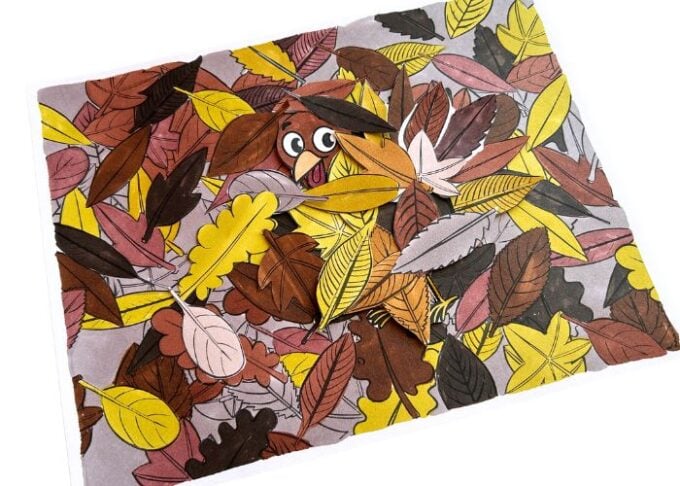
Turkey Escape STEM Challenge
Can you design something to help a turkey escape? Build and test a bridge, parachute, or another structure while exploring the engineering design process.
👉 Try the Turkey Escape STEM Challenge.
Printable Thanksgiving Science & STEM Pack
Make Thanksgiving learning easy with our STEMS-Giving Thanksgiving Activity Pack!
This ready-to-use collection includes hands-on science experiments including Thanksgiving food science, creative engineering challenges, and printable activities made with simple, everyday supplies. Perfect for classrooms, homeschool, and keeping kids learning all month long!
Explore the Thanksgiving STEM Activity Pack →

More to Explore
Thanksgiving Science Activities | Animal Life Cycles | Animal Adaptations | Biology for Kids | Lapbooks for Kids