
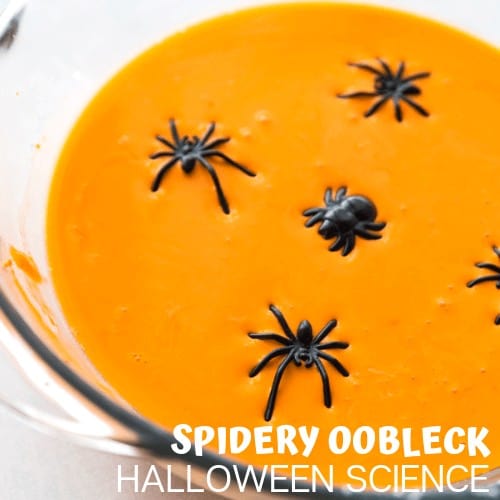
Looking for a fun and easy Magic Mud recipe? This simple cornstarch and water activity, known as Oobleck, is perfect for indoor or outdoor hands-on sensory play. Magic Mud is a fascinating non-Newtonian fluid that feels solid when you squeeze it and flows like a liquid when you let go. It’s a must-try sensory science activity for kids who love messy, squishy fun!

Magic Mud Recipe
Make your own Magic Mud! This fun and fascinating experiment turns everyday ingredients into a strange, squishy substance that behaves like both a solid and a liquid. Also called Oobleck, Magic Mud is a type of non-Newtonian fluid.
💡 Whether exploring states of matter, testing pressure, or enjoying some sensory play, this activity is easy to set up and full of wow factor!
Supplies:
- 2 cups cornstarch
- 1 cup water
- 1/2 cup clean, dry soil or dirt
- Optional: rubber worms
- Bowl
Generally, magic mud is a ratio of 1:2, so one cup of water to two cups of cornstarch. However, keep some additional cornstarch and water on hand to ensure the desired consistency.
Easy Mud Oobleck Recipe Instructions:
STEP 1. Add the cornstarch to a large bowl.

STEP 2. Add the dirt and mix the dry ingredients together well.

STEP 3. Add the water to the cornstarch mixture and combine.


STEP 4. Now time for the fun part! Playing with mud! Add your worms if using and get your hands messy!
Is it a liquid?

Or is it a solid?

Printable Earthworm Life Cycle Pack
While you’re playing with this ooey gooey wormy magic mud, extend the learning with this free printable earthworm life cycles pack!
Magic Mud FAQ
What is Magic Mud made of?
Magic Mud is typically made from cornstarch (or sometimes potato starch) and water. When mixed, they create a non-Newtonian fluid—a substance that doesn’t follow the normal rules of liquids.
Is Magic Mud the same as Oobleck?
Yes! Magic Mud and Oobleck are two names for the same squishy substance. The term “Oobleck” comes from a Dr. Seuss book, while “Magic Mud” is a fun way to describe its surprising behavior.
How does Magic Mud work?
When you apply pressure (like poking or squeezing), Magic Mud feels solid. But when you let it rest or slowly dip your fingers in, it flows like a liquid. That’s because the particles in the mixture temporarily lock together when forced, but move freely when relaxed.
Is it safe for kids?
Yes! Magic Mud is made from edible ingredients (though it’s not meant to be eaten). It’s safe for sensory play, just be sure to supervise young children to avoid messes or accidental tasting.
Can you color Magic Mud?
Absolutely! You can add food coloring or liquid watercolors to the water before mixing. Just be careful—colored Magic Mud may stain clothing or surfaces.
How do you clean it up?
Let the Magic Mud dry out, then scrape off and wipe up the residue. Don’t pour it down the sink—it can clog drains. Instead, toss it in the trash or compost it if it’s all-natural.
Can you store and reuse Magic Mud?
Magic Mud is best used fresh, but you can store it in an airtight container for a day or two. Just stir or knead it with your hands if it separates. If it starts to smell, feel slimy, or grow mold, it’s time to toss it out and make a new batch.
What science concepts does Magic Mud teach?
- Observation and inquiry
- States of matter
- Pressure and force
- Non-Newtonian fluids
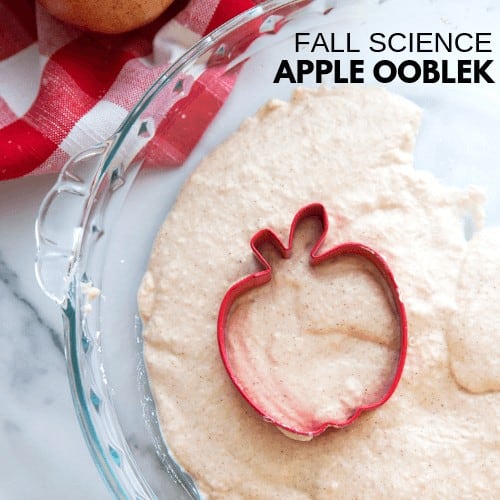
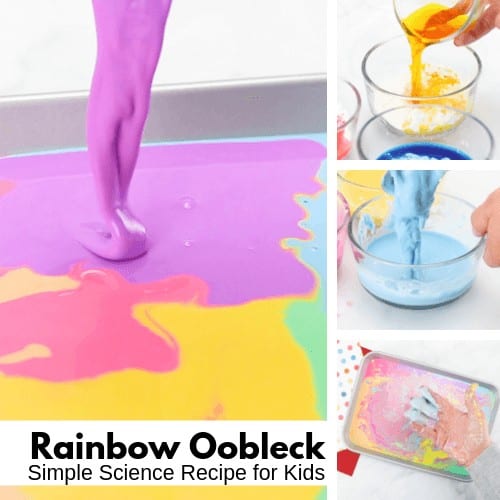
Check out more fun goop recipe variations…
More Fun Sensory Play Activities
💡 Make sure to look through all of our fantastic and easy sensory activities for kids here!
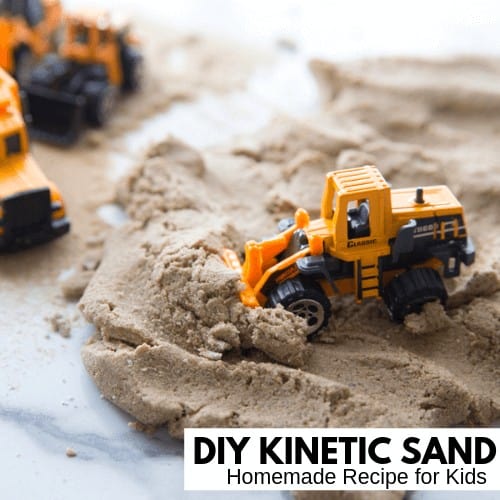
- DIY Kinetic Sand Recipe
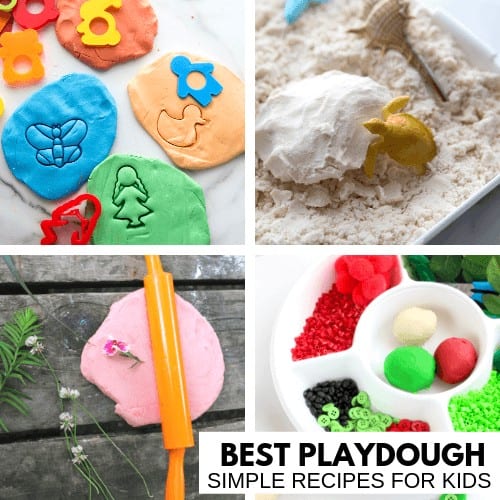
- Homemade Playdough Recipes
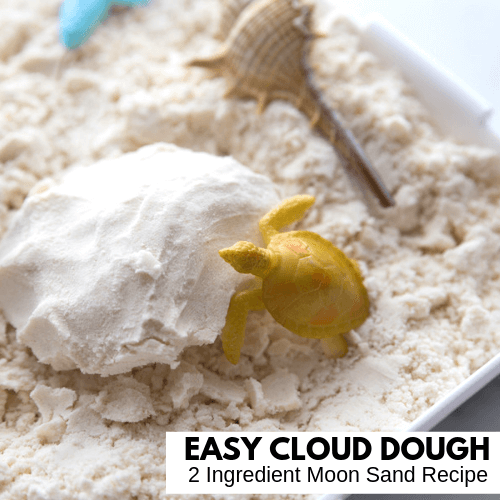
- Easy Cloud Dough Recipe
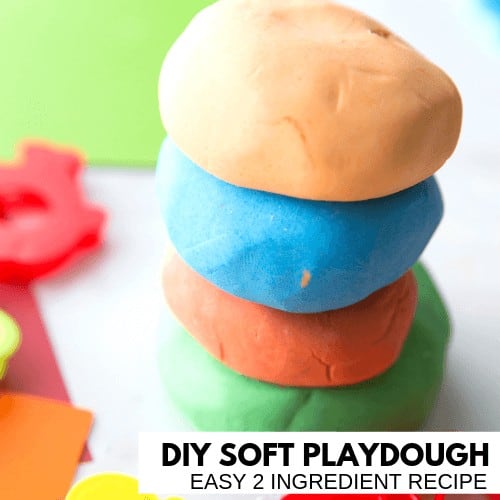
- Soft Cornstarch Dough Recipe
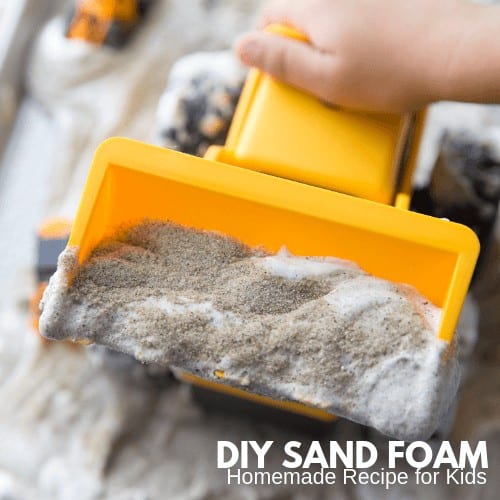
- Fun Sand Foam Recipe
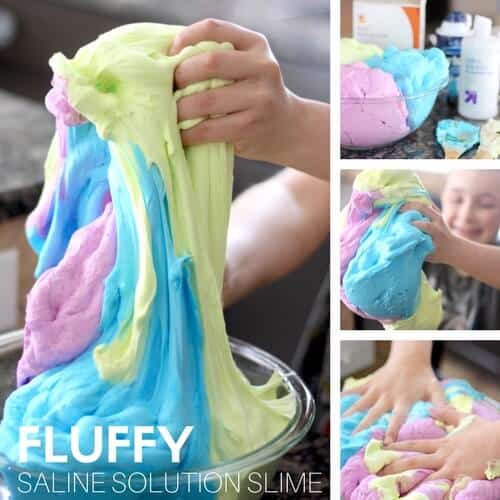
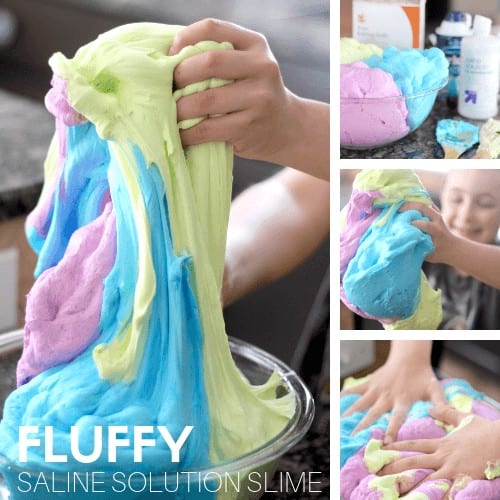
- Best Ever Fluffy Slime Recipe
Printable Preschool Bundle Theme Pack
Get ready to explore this year with our Preschool STEM Bundle! There are 20+ fun preschool themes to get you started. This is an ” I can explore” series. You’ll find even more sensory bin ideas!
Each unit contains approximately 15 activities, with instructions and templates as needed. Hands-on activities are provided to keep it fun and exciting. This includes sensory bins, experiments, games, and more! Easy supplies keep it low cost, and book suggestions add to the learning time.