
Have you ever wondered how animals stay safe, dry, and warm in the wild? Just like us, animals need shelter to protect them from harsh weather and predators. In this animal shelter STEM challenge, you’ll be the engineer, designing and building a shelter that meets the basic needs of animals!

Animal Ecology Activity
In nature, animals use different materials from their environments to build shelters that help them survive. These shelters protect animals from the elements and predators and provide a comfortable resting place.
👉 Learn more about the basic needs of plants and animals here!
By understanding animal shelters, students can learn more about ecology and the importance of these structures for survival. This activity explores how animals meet their basic needs, with a focus on the importance of shelter for warmth, safety, and comfort.
👉 Learn more about animal camouflage as an adaptation to their surroundings
Animal Shelter STEM Challenge Overview
Kids will design and build a small animal shelter using various materials to protect an animal figurine or cutout from wind, rain, or sunlight. By working through the engineering design process, students will think critically about what animals need in their habitats to survive. This hands-on activity encourages creativity, problem-solving, and an understanding of how shelters are crucial for survival.
Grade Level: 1st-3rd Grades
Supplies:
💡The materials can vary based on what you have available. You can choose to use all-natural materials found outdoors or add in craft supplies. Learn about natural vs man-made materials!
- Free printable (see below)
- Shoebox or cardboard box (for the base)
- Animal figurines or paper cutouts (to represent the animals)
- Scissors
- Paper (for sketching design)
- Assorted materials: pipe cleaners, popsicle sticks, cotton balls, etc.
- Natural materials: twigs, leaves, sand, rocks, etc.
- Glue or tape
- Small spray bottle (to simulate rain)Fan (to simulate wind)

Engineering Design Process:
👉This is a great opportunity to learn about the engineering design process and perfect for older kids to extend the learning.
Design Phase: Kids will sketch a simple design for their shelter. Encourage them to consider what the animal needs to stay warm, dry, or safe from predators. What materials would be best to protect the animal?
Build Phase: Kids will build their animal shelters using materials such as twigs, leaves, cotton balls (for snow), cardboard, pipe cleaners, and more. They can work individually or in teams, testing different materials and designs.
Test Phase: To simulate weather, kids can use a spray bottle for rain or a wind fan to test their shelters’ durability. How well does the shelter protect the animals?

Questions for Reflection
These questions will help kids reflect on the engineering process, connect it back to real-life animal survival, and encourage critical thinking about their design choices and the needs of living organisms.
- Why do animals need shelter?
- Consider the different purposes shelter serves for animals (protection from weather, predators, and raising young).
- How did you decide what materials to use for your shelter?
- What were your reasons for choosing certain materials? How did they help meet the needs of your animal?
- What was the most challenging part of building the shelter?
- Did you have any problems with stability, materials, or design? How did you solve those problems?
- How well did your shelter protect the animal during the “weather” test?
- What worked well? What would you change to improve the shelter’s performance?
- How do animals in the wild find or build their shelters?
- Compare your shelter to what animals like birds, rabbits, or bears use. What materials do animals access in the wild, and how do they use them?
- What environmental factors did you consider when building your shelter?
- Did you think about wind, rain, sunlight, or cold temperatures? How did these factors influence your design?
- If you were to design a shelter for a different type of animal, what would you change?
- Consider how different environments (desert, forest, arctic) might affect the design of a shelter for other animals.
- What did you learn about the importance of shelter in helping animals survive?
- Reflect on how building a shelter helps meet one of the survival needs we’ve discussed (shelter, food, water, air).
Extension Activities:
- Seasonal Shelters: Have students explore how animals create different types of shelters depending on the season. For example, some animals burrow underground in winter or build nests in trees during spring.
- Plant and Animal Needs: Explore the basic needs of plants and animals with printable activities.
- Animal Habitat Exploration: Extend the activity by researching different animal habitats (e.g., desert, forest, savannah, taiga, and tundra) and how shelter-building materials and techniques change the environment.
- Life Cycle Connections: Discuss how shelter is vital at different stages of an animal’s life cycle, from eggs or young animals needing extra protection to adults building nests or burrows.
Related Science Activities:
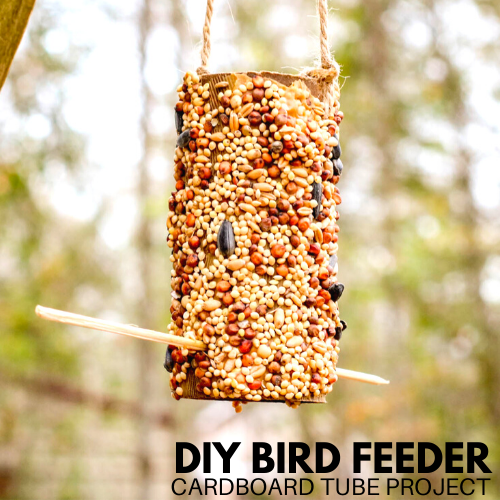
- Bird Feeder STEM Challenge: Students can design and build bird feeders to attract local birds while learning about bird habitats and diets.
- Animal Life Cycles: Explore how animals like butterflies, frogs, and bees build shelters or protective spaces during different life stages.
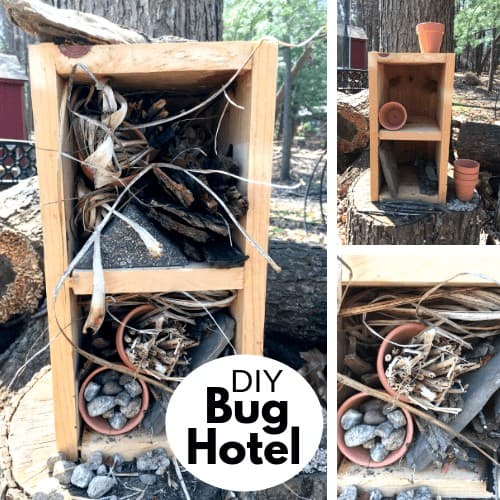
- Create a Bug Hotel: Students can build a “bug hotel” to shelter different insects, learning about how bugs contribute to ecosystems and the importance of small shelters for tiny creatures.

Animal STEAM Bundle
10+ Packs Included! Discover a world of animal-themed science, technology, engineering, art, and math (STEAM) with our Animal STEAM Bundle! This comprehensive bundle is perfect for classroom and home use, offering a wide range of hands-on projects that make learning fun and engaging for kids.
Whether you’re teaching adaptations, vertebrates, invertebrates, animal life cycles, or food chains, this pack has everything you need to captivate K-5 students.