
Have you ever wondered what plants and animals need to survive? From food to shelter, air to water, let’s explore the basic needs of living things with fun, hands-on activities! Perfect for young learners, these plant and animal needs worksheets will help young scientists discover the basic needs of animals and plants.

Science Worksheets: Plant and Animal Needs
These free resources are perfect for adding to a life science unit, animal theme, or ecosystem study. You can explore all of our animal activities [here].
Grade Level Recommendation: Kindergarten through 2nd grade
Basic Needs Sorting Game
- Description: Students will cut and paste different survival needs into columns for plants, animals, or both, helping them understand the similarities and differences in what living things need.
- Hands-On Suggestion: Create a big poster with three sections and have students draw or use pictures to place each need in the correct column.
- Extension Activity: Have students research a plant or animal of their choice and explain how it meets its survival needs.
Fill in the Blanks Worksheet
- Description: This worksheet reinforces understanding by having students fill in the blanks with “plants” or “animals” based on survival facts.
- Hands-On Suggestion: Once students complete the worksheet, create a matching game where they find pairs of plant and animal survival needs.
- Extension Activity: Ask students to write a short story about a day in the life of a plant or animal, focusing on how it meets its basic needs.
Venn Diagram: Plants vs. Animals
- Description: Students will fill in a Venn diagram comparing the survival needs of plants and animals.
- Hands-On Suggestion: After filling in the diagram, let students share their findings with a partner or the class. Create a collaborative diagram on a whiteboard for a group discussion.
- Extension Activity: Explore the idea of adaptations by asking how plants and animals might meet their needs in extreme environments like deserts or rainforests.
Survival Needs Matching Game
- Description: Students will match survival needs with visual representations in this fun cut-and-paste activity.
- Hands-On Suggestion: Turn this into a scavenger hunt by having students find items around the classroom or outdoors that represent each survival need.
- Extension Activity: Challenge students to sort different animals into categories based on how they meet their needs (herbivores, carnivores, etc.).
Draw Basic Needs of Plants and Animals
- Description: In this activity, students will draw examples of the basic needs of plants and animals.
- Hands-On Suggestion: Provide materials like crayons, markers, and stickers to let students creatively represent these needs. Display their work in the classroom.
- Extension Activity: Ask students to create a habitat for their chosen plant or animal, thinking about how the habitat provides the air, food, water, and shelter the organism needs.
💡Try our Build an Animal Shelter challenge.


What Do Plants and Animals Need to Survive?
All living things—plants and animals—must have basic needs met to survive. These needs include air, water, food, and shelter. Let’s break down these needs and discuss how plants and animals get what they need to stay alive.

Air: Oxygen and Carbon Dioxide
- Animals: Just like us, animals need oxygen to breathe. Oxygen helps animals turn food into energy, which they use to move, grow, and stay healthy. Animals get oxygen from the air around them. Animals need air to survive, whether on land or in water. Fish, for example, get oxygen from water using their gills, while land animals use their lungs to breathe.
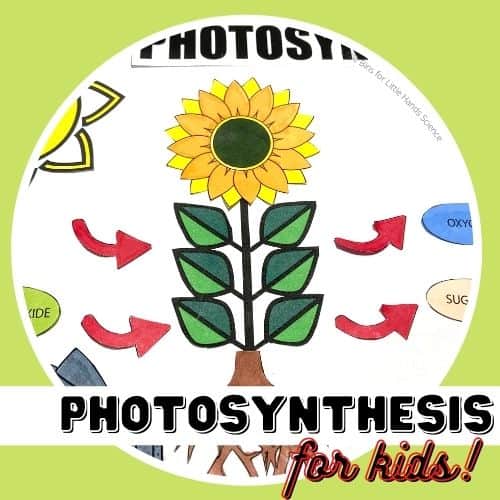
- Plants: Plants need carbon dioxide from the air. They take in carbon dioxide through tiny holes in their leaves and use it to make food through photosynthesis. During photosynthesis, plants release oxygen into the air, which animals and humans need to breathe!
💡 Fun Fact: Plants and animals help each other! Animals breathe out carbon dioxide, which plants need, and plants release oxygen, which animals need. This process helps keep the air clean and healthy for all living things!
Water
- Plants: Water is essential for plants because it helps them grow and stay healthy. Plants absorb water through their roots to move nutrients throughout their bodies. Water also helps plants make food through photosynthesis.
- Animals: Animals need water to stay hydrated and help their bodies work correctly. Water helps animals digest food, eliminate waste, and keep their bodies at the right temperature. Some animals, like fish, live in water, while others need to drink water regularly to stay healthy.
Food
- Plants: Plants are unique because they can make food! They use sunlight, water, and carbon dioxide to create energy through photosynthesis. This food helps them grow and stay strong.
- Animals: Animals cannot make food, so they must find it in their environment. Some animals, like cows or rabbits, eat plants (herbivores), while others, like lions or eagles, eat other animals (carnivores). Some animals eat both plants and animals, and we call these animals omnivores.
Shelter
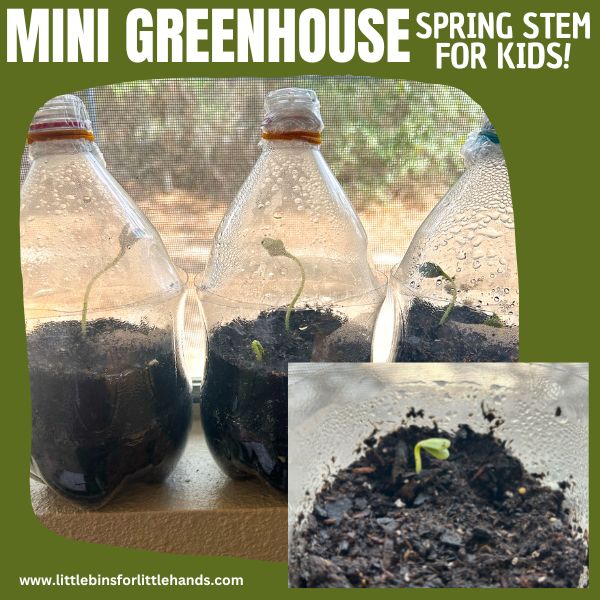
- Plants: Plants need the right environment to grow. They need the right amount of sunlight, good soil, and space to spread their roots. This is their “shelter,” where they can safely grow and thrive. Create a mini greenhouse!
- Animals: Animals need shelter to protect themselves from weather and predators and to raise their babies. Different animals have different types of shelters. Birds build nests in trees, bears sleep in caves, and rabbits live in burrows underground. Build an animal shelter!

More Animal Science Activities
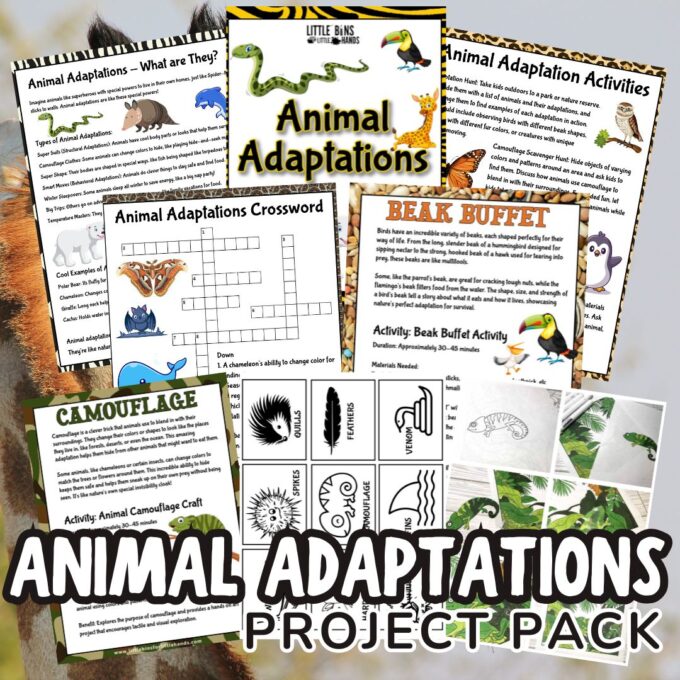
- Adaptations: Dive deeper into how animals and plants have unique features that help them survive. Have students look at the Arctic and explore how polar bears and penguins have adapted to their cold environments.
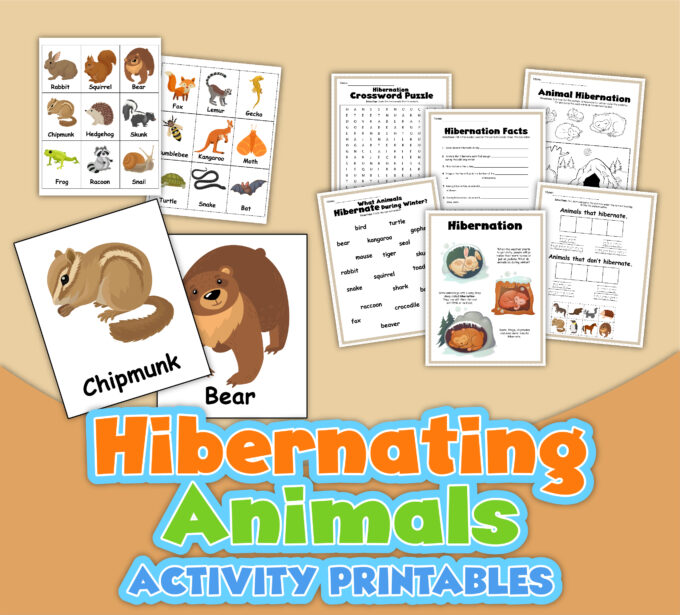
- Hibernation: Discuss how some animals hibernate to conserve energy when food is scarce. Create a sensory bin to simulate an animal’s hibernation habitat.
- Ecosystems: Explore how living things depend on both the environment and each other to meet their needs. Set up a small ecosystem in a jar to demonstrate how plants, water, air, and soil interact.
- Animal Habitats Diorama: Let students build miniature habitats for different animals to see how they meet their needs in various environments.
- Plant Growth Experiment: Watch how plants grow by giving them sunlight, water, and air. Track their progress in a science journal.
- Animal Life Cycles: Explore the various life cycles with animals and discuss basic needs.
- Plant Life Cycles: Plant seeds and observe their growth while labeling the stages (seed, sprout, seedling, adult) and connecting them to survival needs.
- Living vs. Non-Living Things: Sort objects into “living” and “non-living” categories and explain why living things need air, water, food, and shelter.


Animal STEAM Bundle: Engage Your Kids with Hands-On Learning!
10+ Packs Included! Discover a world of animal-themed science, technology, engineering, art, and math (STEAM) with our Animal STEAM Bundle! This comprehensive bundle is perfect for classroom and home use, offering a wide range of hands-on projects that make learning fun and engaging for kids.
Whether you’re teaching adaptations, vertebrates, invertebrates, animal life cycles, or food chains, this pack has everything you need to captivate Kindergarten to 5th grade students.