
Growing crystals is a favorite chemistry activity because it combines science, observation, and a bit of patience. From classic borax crystals to sugar and salt crystals, kids can explore how crystals form and why different materials create different crystal shapes.
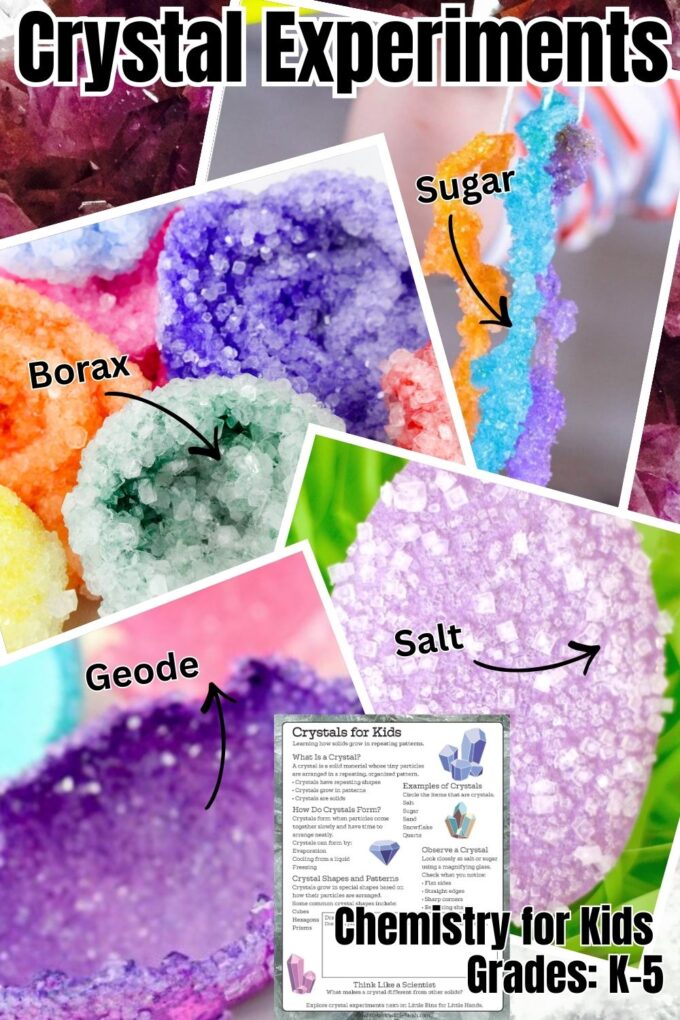
This page introduces the most popular crystal experiments for kids, explains what makes each one unique, and helps you choose the best crystal-growing activity for your classroom or home.
The Science Behind Crystal Experiments
Crystals grow when particles in a solution come together in a repeating, organized pattern. As a liquid cools or evaporates, particles have time to arrange themselves into solid crystal structures.
Crystal experiments allow kids to observe:
- Patterns and structure
- Changes over time
- How conditions affect crystal growth
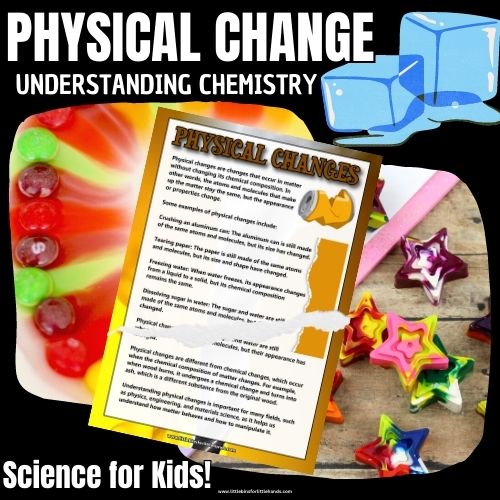
Crystal growth is a physical change that helps students connect chemistry concepts to visible results.
Popular Crystal Experiments for Kids
Each crystal experiment uses a different material, which affects how the crystals look, how fast they grow, and how sturdy they are.
🔎 If students are new to crystal science, this quick explanation of what crystals are and why they form patterns provides helpful information before they try the experiments.
Borax Crystal Experiment
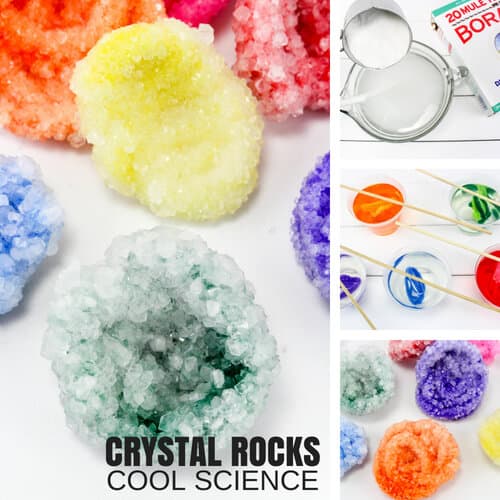
Borax crystals are a classic crystal-growing activity and one of the fastest ways to see large, well-defined crystals.
Why choose this experiment:
- Crystals grow quickly
- Strong, geometric shapes
- Great visual results
Best for: Upper elementary with adult supervision
👉 Explore the full borax crystal experiment here.
Sugar Crystal Experiment (Rock Candy)
Sugar crystals grow slowly and form clear, sparkling crystals that kids love to observe over time.
Why choose this experiment:
- Uses a familiar material (Non-toxic)
- Demonstrates slow crystal growth
- Excellent for long-term observation
Best for: Elementary students
👉 Explore the full sugar crystal experiment here.
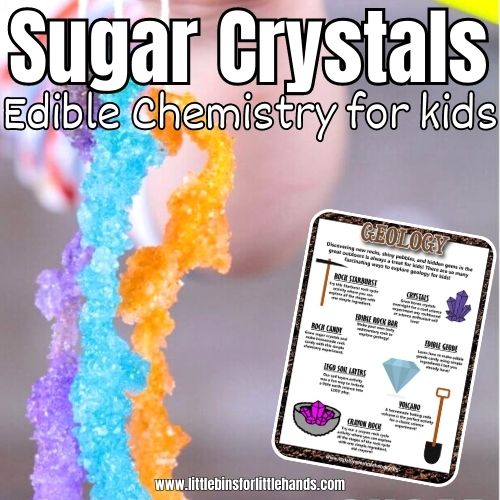
Salt Crystal Experiment
Salt crystals are easy to make and show how crystals can form through evaporation.
Why choose this experiment:
- Simple setup
- Uses everyday materials (Non-toxic)
- Clear connection to solutions and evaporation
Best for: Early elementary
👉 Explore the full salt crystal experiment here.
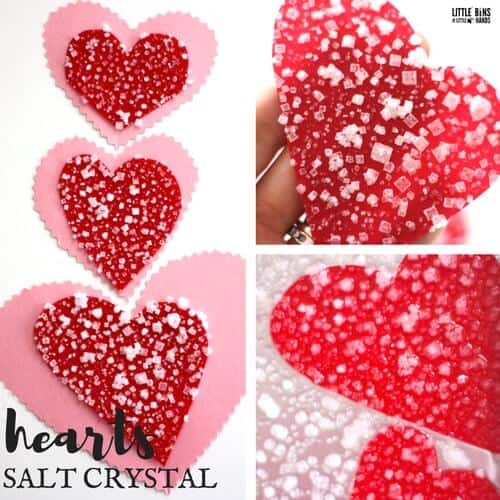
Eggshell Crystal Experiment (Crystal Geodes)
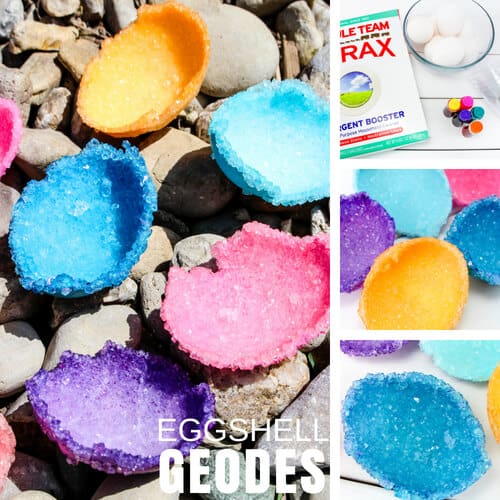
Eggshell crystal geodes combine chemistry and geology by growing crystals inside eggshells.
Why choose this experiment:
- Looks like a real geode
- Combines science and art
- High engagement and excitement
Best for: Elementary with adult help
👉 Explore the full eggshell crystal geode experiment here.
Expanded Science Information: Why Crystal Experiments Work
Field: Chemistry—Matter & Its Interactions
Grades: K–5
Crystal experiments work because particles in a solution move and rearrange as the liquid changes. When evaporation or cooling happens slowly, particles have time to line up into repeating patterns.
Different materials form different crystals because:
- Particle shape varies
- Solutions hold different amounts of dissolved material
- Growth speed affects crystal size and clarity
This is why sugar, salt, and borax crystals all look different, even though they follow the same basic process.
NGSS Guiding Questions
| NGSS Guiding Question | Student-Friendly Answer |
|---|---|
| What do you notice? | Crystals grow over time and form clear shapes and patterns. |
| What is happening? | Particles in a solution are coming together in a repeating pattern as the liquid changes. |
| Why does it matter? | Crystal experiments help explain how solids form and how materials change without becoming new substances. |
Free Crystal Science Guide
Use this free What are Crystals science guide and explore chemistry right now.
Make It a Science Project: Using the Scientific Method
Crystal experiments are a great way to practice the scientific method because crystal growth happens over time and can be carefully observed.
To turn a crystal activity into a science project, guide students through these steps:
Ask a Question
What affects how crystals grow?
Examples:
- Does the type of material change crystal size?
- Does temperature affect how fast crystals form?
- Does the amount of time matter?
Make a Prediction
Have students make a prediction based on what they already know.
Example:
- I think sugar crystals will grow larger than salt crystals because they dissolve differently.
Test the Idea
Choose one variable to change and keep everything else the same.
Examples:
- Use the same container and amount of liquid
- Change only the crystal material (salt, sugar, or borax)
- Place containers in the same location
Observe and Record
Students observe crystal growth over several days and record:
- Changes in size
- Crystal shape
- How long growth takes
Observations can be recorded with drawings, charts, or photos.
Draw a Conclusion
Students explain what happened and connect the results back to their original question.
Example:
- The crystals grew larger when the solution cooled slowly.
🔎 To learn more about each step, visit our Scientific Method for Kids guide.
Extension Activities
- Compare crystal size across different materials
- Observe crystals daily and track changes
- Draw crystal shapes and patterns
- Connect crystal growth to evaporation and solutions
Crystal Experiments FAQ
Which crystal experiment grows the fastest?
Borax crystals usually grow the fastest, often forming visible crystals within a day.
Which crystal experiment is best for younger kids?
Salt crystals are a great choice because they use simple materials and show clear evaporation.
Why do different crystals look different?
Different materials form crystals with different shapes because their particles arrange in unique patterns.
Are crystal experiments a chemical change?
No. Crystal growth is a physical change because no new substance is formed.
How long do crystal experiments take?
Some crystals grow in a day or two, while others take several days or even weeks.
Related Chemistry Activities
- States of Matter Experiments
- What Dissolves Solubility Experiment
- What are Crystals?
- Chemistry Experiments for Kids
Want even more hands-on ideas? Browse our full collection of science experiments and activities for kids.

Extend Your Science Learning
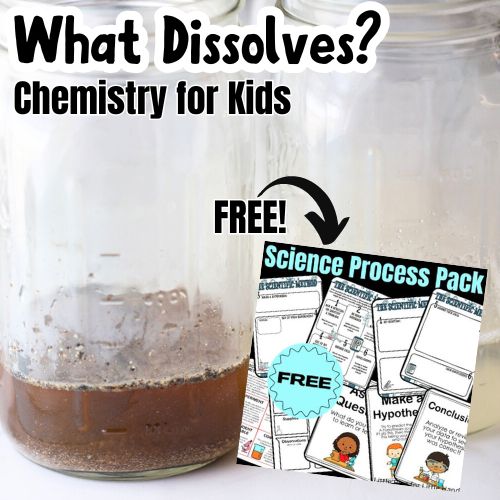
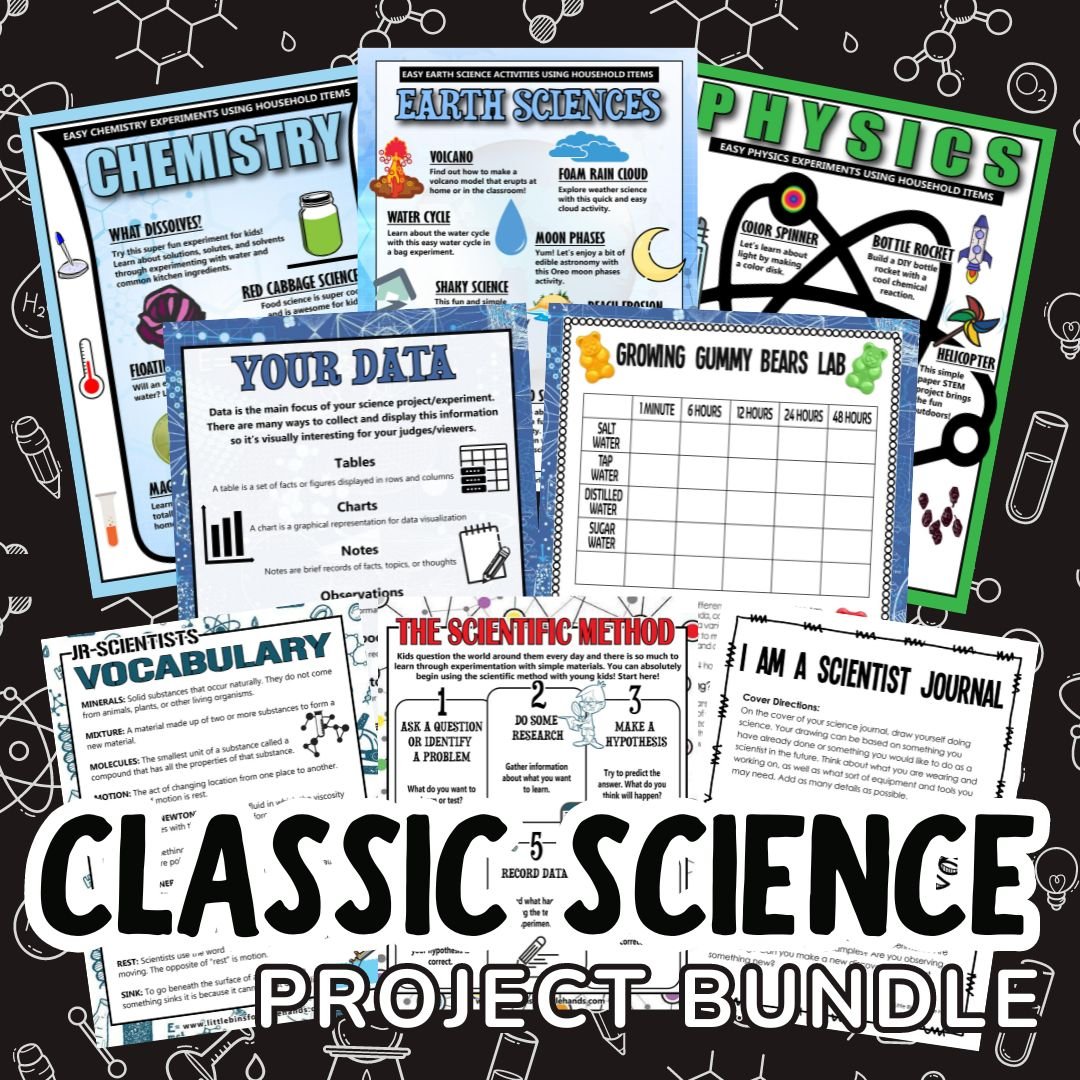
If your kids enjoyed these hands-on solutions and dissolving experiments, take their science further with our Classic Science Activities Pack — 90+ easy, printable chemistry and STEM activities complete with recording pages and extension ideas. Perfect for homeschool, classroom centers, or family science nights.