
Looking for a creepy-crawly Halloween science experiment? This dancing gummy worms activity is the perfect blend of spooky fun and science learning! It’s a simple way to explore chemical reactions, gas production, and density while tying into your favorite Halloween STEM activities.

Dancing Gummy Worms Science Experiment
- Field of Science: Chemistry & Physical Science
- Recommended Grade Level: K–5
- Concepts Explored: Chemical reactions, gas production, density, observation skills
When baking soda (a base) and vinegar (an acid) mix together, they react to form carbon dioxide gas. The bubbles of carbon dioxide attach to the gummy worms, lifting them to the top of the liquid. Once the bubbles pop, the worms sink again—only to be lifted up by more bubbles. This cycle makes the worms appear to “dance.”
Supplies for Dancing Gummy Worms
- Gummy worms (cut into thin strips for best results)
- Baking soda
- Vinegar
- Warm water
- Clear cups or glasses
- Spoon
How to Make Dancing Gummy Worms
Watch the Video:
- Prepare the worms. Cut the gummy worms lengthwise into thin strips. This makes them lighter so they can “dance” more easily.
- Make the baking soda solution. In a cup, mix 3 tablespoons of baking soda with 1 cup of warm water until dissolved.
- Soak the worms. Place the cut gummy worms into the baking soda solution and let them sit for about 15–20 minutes.
- Add vinegar. Pour vinegar into a clean clear cup.
- Make them dance! Using a spoon, carefully transfer the soaked worms into the vinegar. Watch as they rise, fall, and wriggle around like Halloween zombies!


Baking Soda and Vinegar Experiments for Kids
This experiment shows a classic acid–base reaction.
- Baking Soda (Base): Sodium bicarbonate (NaHCO₃)
- Vinegar (Acid): Acetic acid (CH₃COOH)
- Reaction: NaHCO₃ + CH₃COOH → CO₂ + H₂O + sodium acetate
Why Do Gummy Worms Dance? (Science Explained)
The carbon dioxide (CO₂) is what forms bubbles in the vinegar. The bubbles cling to the gummy worms, which lowers their density and helps them float upward. When the bubbles pop, the worms become denser than the liquid again and sink. This repeating process is what creates the “dancing” effect.
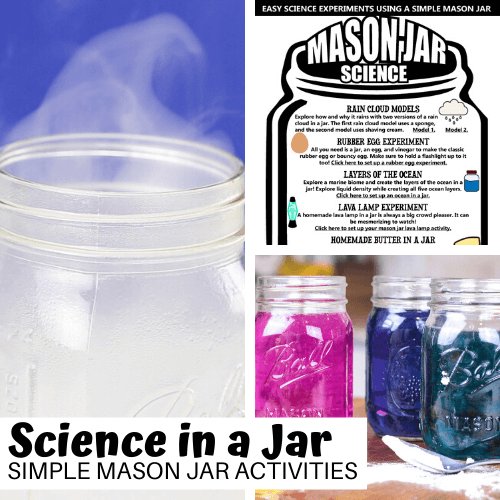
💡 For Halloween, the reaction makes the worms look alive—like they’re slithering in a spooky potion! The bubbling brew cauldron or bubbling slime are more fantastic examples of a chemical reaction between baking soda and vinegar.
Simplified NGSS Alignment (Guiding Questions)
- What happens when two materials are mixed together?
- How can we observe changes that occur during a reaction?
- What patterns do we notice as the worms rise and fall?
More Science Facts for Kids
- Carbon dioxide is the same gas that makes soda fizzy!
- Similar reactions happen in baking—baking soda makes cakes and cookies rise.
- The rising and sinking action is the same principle used in Cartesian divers and submarines to adjust buoyancy.
Extension Activities
- Spooky Potion: Add food coloring (green, purple, or orange) to the vinegar for a Halloween vibe.
- Monster Mix: Try other Halloween candies (candy corn, gummy eyeballs) to see if they “dance” too.
- Science Project Extension: Test soaking worms for different times (5 min vs. 20 min) and record which ones dance more vigorously.
Related Science Activities
- Halloween Science Experiments
- Dancing Raisins Experiment
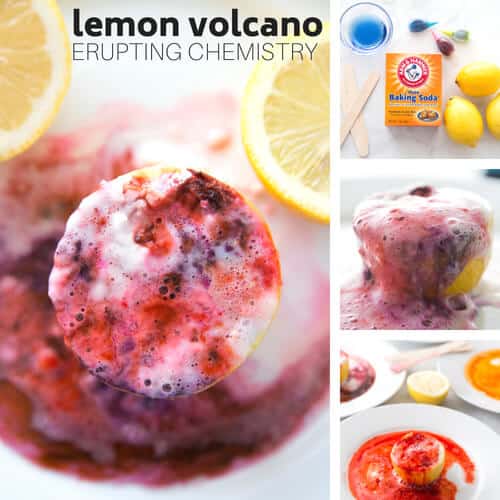
- Fizzing Lemon Volcano
- Homemade Lava Lamp Experiment
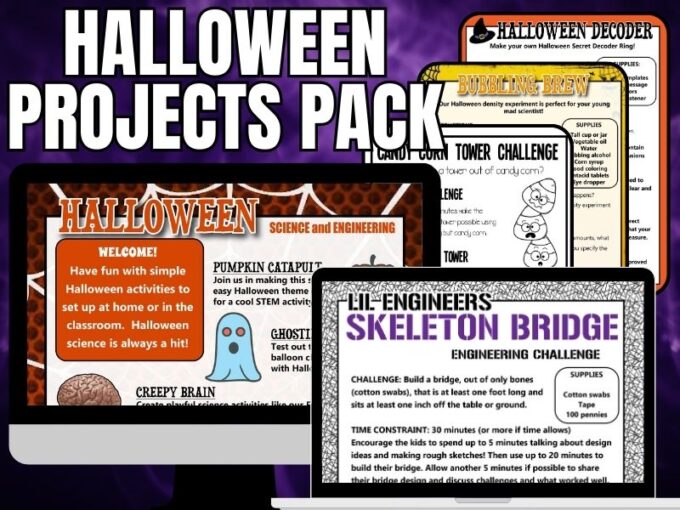
Grab the Full Halloween STEM Pack
150+ Pages of Printable Halloween-Themed Activities!
Perfect for home, classrooms, or groups. Includes:
- 25+ Science & STEM activities with instructions and printables.
- Engineering challenges (skeleton bridge, pumpkin builds).
- Brick-themed math + hands-on learning.
- Fun extras like scavenger hunts, I Spy, bingo, Would You Rather, and more.
👉 Get the Halloween project pack here