
Autumn is the perfect season to explore fall plant science and botany with kids. From changing leaves to ripening pumpkins and seeds ready to scatter, nature is full of exciting science opportunities in autumn. These hands-on fall science activities make it easy to bring the season into your classroom or home learning.

Fall Plant Science Activities
Whether you’re teaching preschoolers about the parts of a pumpkin, introducing first graders to seed dispersal, or exploring photosynthesis with older kids, you’ll find simple, fun ideas here. Plus, many activities have free printable plant science activities to get started right away!
The Science Behind Fall Plants
Botany is the study of plants—their structure, life cycles, and how they interact with the environment. Fall gives us a front-row seat to watch plant changes:
- Leaves change color as chlorophyll breaks down.
- Seeds disperse so new plants can grow in spring.
- Pumpkins, apples, and squash ripen and provide food for people and animals.
- Plants prepare for winter dormancy by slowing growth and storing energy.
🔎 Guiding Question: How Do Plants Change With the Seasons?
Plants change throughout the year to survive in their environment. In spring, seeds sprout and flowers bloom. During summer, plants grow strong and make food through photosynthesis. In the fall, leaves change color, seeds are scattered, and many plants begin to slow down. Winter often brings dormancy, when some plants lose their leaves and rest while others, like evergreens, stay green and continue growing slowly.
Leaf Science in Fall
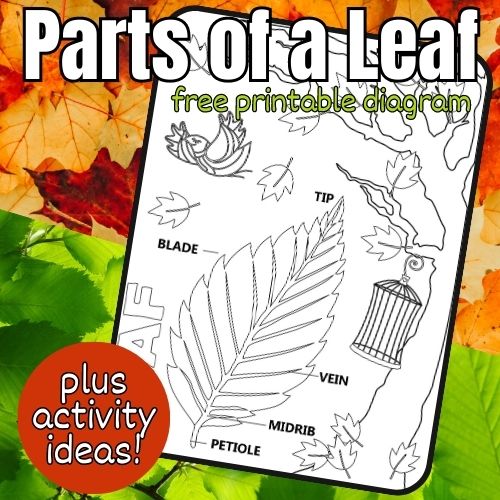
Fall leaves provide a colorful way to explore plant science concepts like photosynthesis, transpiration, and how plants use water. Add a free part of a leaf coloring page (science + art extension)!
Preschool – Kindergarten
- Observe different leaf shapes and colors.
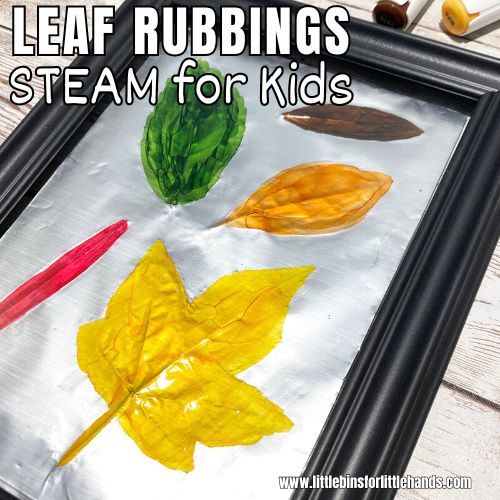
- Try leaf rubbings to explore textures.
1st – 2nd Grade
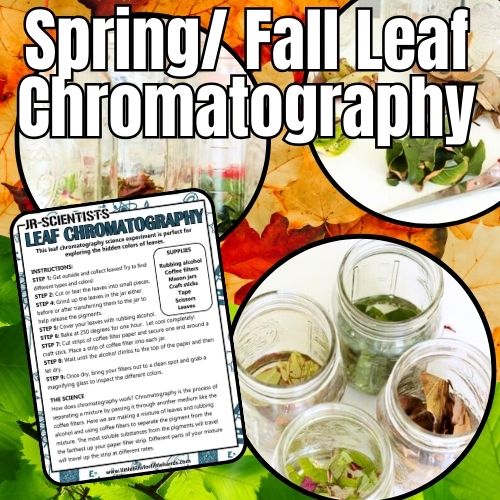
- Leaf chromatography experiment (Why Leaves Change Color)
- Learn: Explore Why Do Leaves Change Color?
- Colored water leaf experiment (how leaves “drink”).
- Observe leaves in water to explore photosynthesis (how leaves or plants breathe).
3rd – 4th Grade
- Transpiration experiment (bag on a leaf).
- Compare leaves from deciduous vs. evergreen trees.
Pumpkin and Apple Plant Science
Apples and pumpkins are classic fall fruits that offer hands-on ways to explore seeds, parts of plants, and plant life cycles.
💡 Add these free parts of a pumpkin and apple coloring pages for fall (science + art extension).
Preschool – Kindergarten
- Explore apple parts with a coloring page and cut apple.
- Apple taste test and apple graphing activity.
- Scoop and sort pumpkin seeds.
- Compare pumpkin shell, pulp, and seeds. Explore parts of a pumpkin with an investigation tray and worksheets.
1st – 2nd Grade
- Investigate how many seeds are in different apples, pumpkins, and squashes.
- Measure and record the pumpkin size and weight for pumpkin math.
- Test pumpkin seeds for sprouting.

Seed Science and Fall Investigations
Seeds are everywhere in fall—flying on the wind, carried by animals, or buried in the soil for spring. How do seeds grow and travel?
🔎 Find more seed science activities and information here.
Preschool – Kindergarten
- Sprouting seeds in a bag: set up as a class demonstration on a sunny window. Kids can observe the roots and shoots grow day by day.
- Mini Greenhouse Demo: plant seeds in a clear plastic cup or container and cover with plastic wrap. Watch condensation form and talk about how the greenhouse effect helps plants grow.
- Explore different types of seeds (large beans vs. small pumpkin seeds).
- Fall Sink or Float – Explore density and buoyancy with fall nature items.

1st – 2nd Grade
- Sprout pumpkin and/or bean seeds in clear cups or baggies with daily journal observations.
- Compare which seeds sprout first or grow tallest. Use the scientific method to set up an experiment!
- Set up two mini greenhouses—one covered and one uncovered—and compare plant growth.
3rd – 4th Grade
- Investigate seed dispersal by wind, water, and animals.
- Set up a Plant Growth Experiment with bean and pumpkin seeds
- Graph results of seed sprouting under different conditions (light vs. dark, wet vs. dry).
- Explore how temperature and moisture differ inside vs. outside a mini greenhouse.
🔎 Guiding Question: How Do Seeds Help Plants Reproduce? Seeds are how many plants make new plants. Inside every seed is a tiny baby plant (embryo) with stored food and a protective coat. When the seed is exposed to water, air, and warmth, it begins to germinate. Roots grow down, stems grow up, and the seedling becomes a new plant. This helps plants spread to new areas, pass on their traits, and maintain their species’ survival.

Fall Plant Journals and Nature Walks
Bring science outside with a nature walk and plant journal activities. You’ll find a free fall scavenger hunt and fall observation sheets here.
Mixed Grades (K–4)
- Collect leaves, seeds, and nuts to sketch and describe.
- Record plant changes from week to week.
- Create a pressed leaf or seed art collage.
- Sort and graph seeds collected outdoors.
🔎 Guiding Question: How Can We Observe Changes in Plants Over Time?
Plants grow and change slowly, but careful observation helps us see those changes. By keeping a plant journal, sketching leaves and stems, measuring growth, or recording weekly notes, kids can track how plants develop across the seasons. Observing changes over time shows the full life cycle of a plant and helps us understand how weather, sunlight, and water affect growth.
More Plant Facts for Kids
- Some plants drop their leaves in fall (deciduous), while others keep them year-round (evergreen).
- Seeds can travel by wind, water, or animals.
- Pumpkins, apples, and squash are all fruits because they contain seeds.
- Leaf colors depend on pigments: carotenoids (yellow/orange) and anthocyanins (red/purple).
Related Fall Science Activities
- Fall science experiments
- Apple investigations
- Pumpkin science activities
- Seed science for kids (Coming Soon)
- Fall Life Science Activities
- Fall Weather Activities
Printable Fall Resources
We have fantastic science experiments to explore with kids, including many with free experiment sheets and mini packs! You’ll also find more printable pack options in our shop for apples and pumpkins.