
Add this simple Cartesian Diver experiment to your physics lessons! This classic demonstration is easy to set up and provides a hands-on way for students to explore the principles of buoyancy and density. This fantastic science experiment is simple for home or in the classroom for various ages.

Cartesian Diver Experiment
Have you ever wondered why some things float while others sink? The Cartesian Diver experiment is a fun way to explore this concept by demonstrating how changes in pressure affect buoyancy.
This simple activity uses a sauce packet inside a water bottle to show how objects can float or sink depending on the pressure applied. It’s a great way to see physics, learn about buoyancy, and explore how gases can compress under pressure.
Recommended Grade Level: 3rd-6th Grades
Supply List:
- Empty, clear, plastic water bottle
- Assorted ketchup packets or similar (factory sealed) Note: You may need to test a few packets to find one that sits just below the water’s surface.
- Water
- Optional: Plastic pipette or straw (as an alternative diver)
- Optional: Clay, playdough, or wax (for sealing the pipette or straw)
- Optional: Food Coloring (visual enhancement)
Set-Up Instructions:
STEP 1: Fill the plastic water bottle almost to the top with water. Leave some space at the top to allow for displacement when the diver is inserted.
STEP 2: Select a factory-sealed condiment packet to use as your Cartesian Diver.
STEP 3: Gently squeeze the bottle to compress the air inside slightly.
STEP 4: Insert the sealed condiment packet into the water bottle. It should be fully submerged. You can push the packet down into the water with a pencil or similar tool if necessary.
STEP 5: Tightly seal the bottle to prevent leaks.
STEP 6: Observe the behavior of the Cartesian Diver. Squeezing the bottle increases the pressure, causing the diver to sink. Releasing the pressure allows the diver to float back to the surface.
💡OPTIONAL: For added visual appeal, you can add a few drops of food coloring to the water to make the movement of the diver more visible.
Alternative Setup Instructions (Using Pipette or Straw)
If you don’t have access to condiment packets, here are alternative ways to set up the Cartesian Diver experiment using everyday materials.
Use a small plastic pipette or straw as the diver. Seal one end of the pipette or straw, fill it with water, and seal the other with clay or wax to ensure it remains buoyant. By adjusting the amount of water inside the pipette or straw, kids can explore how changes in density affect the diver’s buoyancy.
This experiment variation still effectively illustrates the principles of buoyancy and density, making it a great option for those looking to conduct the Cartesian Diver demonstration without condiment packets.
Instructions:
STEP 1: Seal one end of the plastic pipette or straw using clay or wax.
STEP 2: Fill the pipette or straw with a small amount of water. Do not fill it all the way or it will not be buoyant.
STEP 3: Seal the other end of the pipette or straw with clay or wax to prevent water from leaking out.
STEP 4: Follow the original experiment steps, substituting the condiment packet for the prepared pipette or straw diver.

What is a Cartesian Diver?
A Cartesian diver is a classic science demonstration that demonstrates buoyancy and fluid mechanics principles.
The term “Cartesian diver” originates from the diver’s behavior, reminiscent of how Cartesian coordinates illustrate the position of a point in a two-dimensional or three-dimensional space.
The diver ascends or descends as pressure affects the container, apparently reacting to pressure alterations. They are named after René Descartes, the French mathematician and philosopher who introduced the concept.
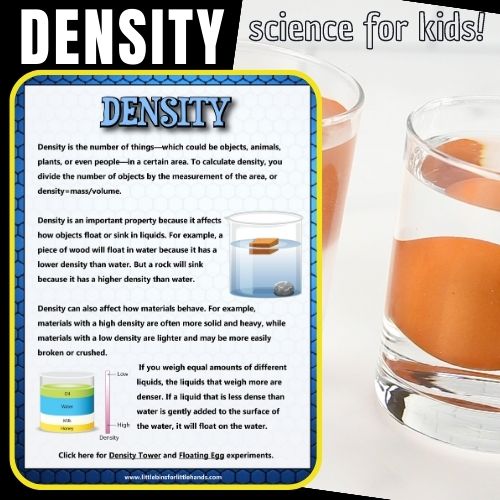
💡Learn more about “What is Density” here, including a free printable!
Cartesian Diver Explained
The Cartesian Diver experiment demonstrates the principles of buoyancy and density. It is a simple device consisting of a small object, typically a sauce or ketchup packet, in a sealed container filled with water.
When you place the diver in the bottle filled with water and seal it, the surrounding water exerts pressure that compresses the air inside the packet. This compression increases the packet’s density compared to the surrounding water, leading it to sink.
Releasing pressure by squeezing the bottle allows the air inside the packet to expand, decreasing its density and causing it to float back to the surface.
The Cartesian Diver experiment is suitable for a wide range of ages but is particularly effective for elementary and middle school kids.
Make It A Science Fair Project
This can also be a fantastic science fair project. Kids can investigate the principles of buoyancy by creating variations of the Cartesian Diver experiment.
Sample Hypothesis
Altering the density of the Cartesian Diver will directly influence its buoyancy in water. If the diver’s density increases, it will sink more readily. Alternatively, if the diver’s density decreases, it will be more buoyant and slower to sink.
Experiment Setup
The experiment will consist of several variations of the Cartesian Diver setup, each exploring different factors affecting buoyancy.
One variation will involve condiment packets of varying contents (e.g., ketchup, mustard, and mayonnaise) to observe how the diver’s density affects its behavior. Another variation will use alternative materials, such as plastic pipettes or straws, with different amounts of water inside to investigate the impact of volume and density on buoyancy.
Explore more about the scientific method, stating a hypothesis, choosing variables, making observations, and analyzing and presenting data.
More Density and Buoyancy Experiments to Try!
- Density Experiments and Information
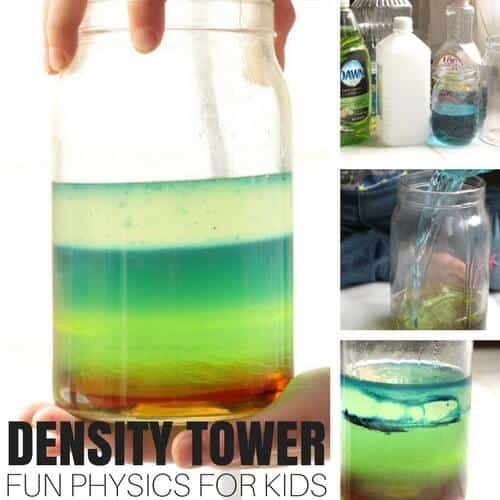
- Liquid Density Tower
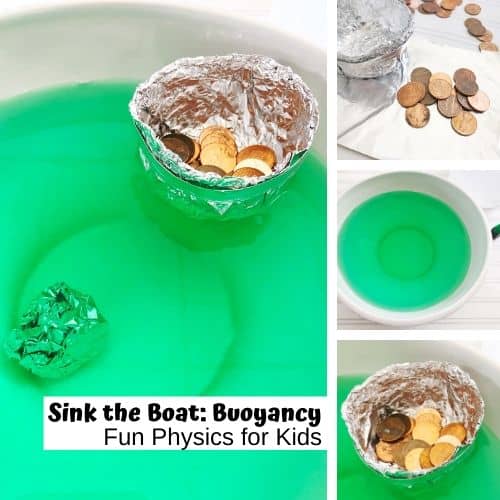
- Buoyancy Challenge
- Soap Powered Boat
- Floating Orange
- Sink and Float Experiment
- Floating Paperclip Challenge
- Floating Dry Erase Marker Activity
Printable Science Projects For Kids
If you’re looking to grab all of our printable science projects in one convenient place, plus exclusive worksheets and bonuses like a STEAM Project pack, our Science Project Pack is what you need! Over 300+ Pages!
- 90+ classic science activities with journal pages, supply lists, set up and process, and science information. NEW! Activity-specific observation pages!
- Best science practices posters and our original science method process folders for extra alternatives!
- Be a Collector activities pack introduces kids to the world of making collections through the eyes of a scientist. What will they collect first?
- Know the Words Science vocabulary pack includes flashcards, crosswords, and word searches that illuminate keywords in the experiments!
- My science journal writing prompts explore what it means to be a scientist!!
- Bonus STEAM Project Pack: Art meets science with doable projects!
- Bonus Quick Grab Packs for Biology, Earth Science, Chemistry, and Physics