
Dyed chickpeas are a versatile, colorful, and safe material perfect for sensory bins, sensory play, art projects, and more. Here’s a step-by-step guide to dyeing chickpeas and ten fun theme sensory bin ideas to inspire your next sensory play time!

How to Dye Chickpeas: Food Coloring and Vinegar
💡 Always supervise young kids who are still putting items in their mouths.
Materials Needed:
- Dry chickpeas
- Food coloring
- White vinegar
- Ziplock bags or airtight containers
- Baking sheets
- Parchment paper
Step-by-Step Instructions:
STEP 1: Measure out the desired amount of Chickpeas. A good starting point is 1-2 cups per color.
STEP 2: Divide the chickpeas into separate Ziplock bags or airtight containers, one for each color.
💡Use a vibrant set of food coloring dyes with various color shades for a better variety of colors [Amazon Affiliate link here].
- Add a few drops of food coloring to each bag/container. Adjust the amount of food coloring based on how vibrant you want the colors to be.
- Add 1 teaspoon of white vinegar to each bag/container. The vinegar helps the color adhere to the chickpeas.
- Seal the bags or containers and shake vigorously until the chickpeas are evenly coated with the dye.
STEP 3: Line baking trays with parchment paper and spread the dyed chickpeas in a single layer on the prepared baking sheets to dry. Allow the chickpeas to dry completely. This can take a few hours, but for best results, leave them overnight.
STEP 4: Once the chickpeas are dry, store them in airtight containers or Ziplock bags until you’re ready to use them. See our tips for storage further below.


10 Fun Chickpea Sensory Play Themes to Try
Under the Sea: Use blue and green chickpeas to create an ocean floor. Add toy sea creatures, shells, and pebbles for an immersive undersea adventure.

Rainbow Garden: Dye chickpeas in all the colors of the rainbow. Add plastic flowers, small gardening tools, and toy insects to create a colorful garden scene.
Outer Space: Use black, silver, and purple chickpeas. Add small astronaut figures, rockets, and stars for a cosmic exploration.
Desert Safari: Use sandy beige and brown chickpeas. Add toy animals like camels, lizards, and cacti for a desert-themed adventure.
Dinosaur Dig: Use earthy tones like brown and green. Hide small dinosaur toys and fossils within the chickpeas for a fun excavation activity.
Farmyard Fun: Use red, yellow, and green chickpeas. Add small farm animal toys, miniature barns, and tractors for a farm-themed sensory bin.
Fairy Tale Forest: Use shades of green, pink, and purple chickpeas. Add small fairy figurines, miniature trees, and toadstools for a magical forest scene.
Construction Zone: Use black, yellow, and orange chickpeas. Add toy construction vehicles, mini cones, and building blocks for a construction site sensory bin.
Ice Cream Parlor: Use pastel colors like pink, mint green, and light blue. Add plastic ice cream cones, scoops, and sprinkles for a sweet treat-themed sensory play.
Autumn Harvest: Use warm colors like orange, red, and brown chickpeas. Add miniature pumpkins, leaves, and acorns for a fall-inspired sensory bin.

Tips For Sensory Play With Chickpeas
- Supervision: Always supervise young children during sensory play to prevent choking hazards.
- Clean-Up: Use a large tray or mat to contain the chickpeas and make clean-up easier.
- Reuse: Store dyed chickpeas in airtight containers for future play sessions. They can be reused multiple times!
How to Store Dyed Chickpeas
Proper storage of dyed chickpeas ensures they remain vibrant, clean, and safe for repeated use in sensory play. Here’s how to store them effectively, along with answers to common questions about their durability and color retention.
Storing Dyed Chickpeas:
- Ensure the dyed chickpeas are completely dry before storing. Leaving them slightly damp can lead to mold growth or color bleeding.
- Store the dried chickpeas in airtight containers such as Ziplock bags, plastic storage bins with tight-fitting lids, or glass jars with seals. This keeps them free from moisture and dust.
- Label the containers with the date and the color of the chickpeas. This helps you track how long they’ve been stored and makes finding the color you need easy.
- Keep the containers in a cool, dry place away from direct sunlight and humidity. A pantry or a shelf in a cool room is ideal.
Does the Color Come Off?
When the chickpeas are fully dry, the color should not come off during regular sensory play. The white vinegar used in dyeing helps the color adhere to the chickpeas.
Over time and with frequent use, some color may fade slightly, but it should not transfer significantly to hands or other surfaces. If you notice any color transfer, ensure the chickpeas are fully dry before storage.
How Long Do Dyed Chickpeas Last?
Dyed chickpeas can last for several months to a year or more if stored properly. The key is to keep them dry and stored in an airtight container.
Over time, you might notice some fading of the colors or a slight change in texture, but they should remain usable for sensory play. If they develop any mold, unusual odor, or if they become excessively brittle, it’s best to discard them and make a new batch.
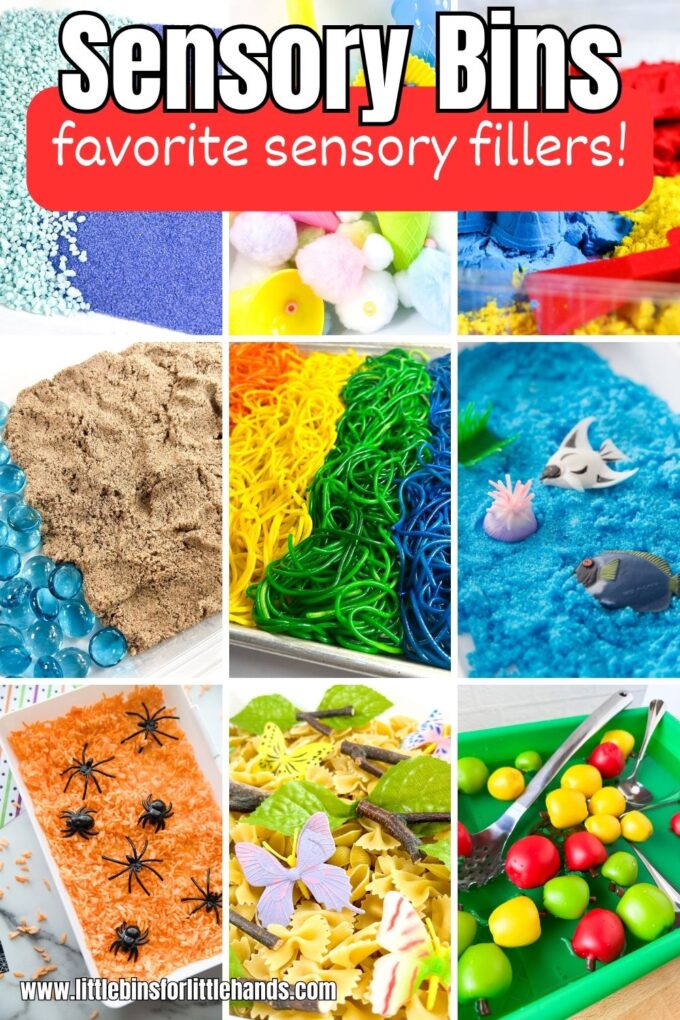
More Dyed Sensory Play Recipes
These dyed sensory bin fillers below are also an excellent option for sensory play:
- Dyed Rice
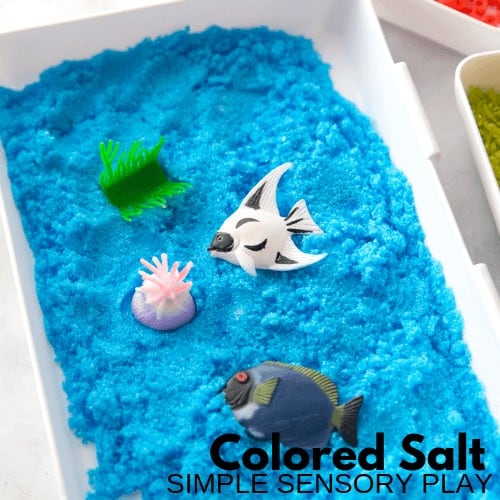
- Colored Salt
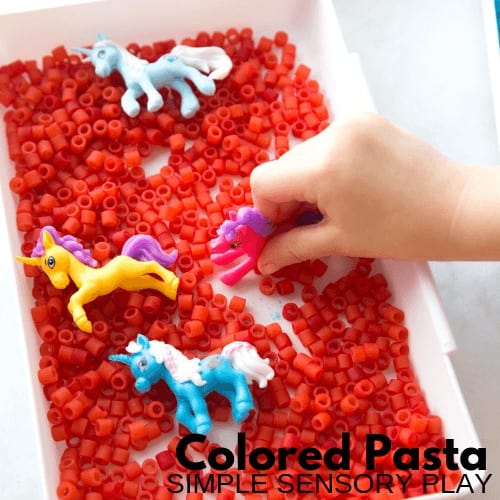
- Dyed Pasta
- Dyed Coconut
- Colored Beans
- Colored Kinetic Sand
- Colored Cloud Dough
- Colored Spaghetti

Check Out These Helpful Sensory Bin Resources
There’s so much more to learn about sensory bins and sensory play.