
Looking for a fun and exciting science experiment to celebrate St. Patrick’s Day? Try Leprechaun Toothpaste, a colorful and foamy reaction that looks like it came straight from a mischievous leprechaun’s workshop.

Leprechaun Toothpaste for Kids
This hands-on science activity is a festive version of the classic Elephant Toothpaste experiment and demonstrates an exciting chemical reaction. Perfect for elementary and middle school students, this experiment teaches about catalysts, chemical changes, and the breakdown of hydrogen peroxide.
🔎 You can find all our St Patricks Day Science and STEM Activities here.
Supplies
- ½ cup 12% hydrogen peroxide (or 3% for a milder reaction)
- ¼ cup warm water
- 1 tablespoon dry yeast (1 packet)
- 1 tablespoon dish soap (Dawn works well)
- Green food coloring
- Green and gold glitter (optional)
- Plastic bottle (about 1L in size)
- Plastic tub with sides (to contain the mess)
- Latex gloves and safety goggles
- Fork
- Free Printable Journal Page
🛑 Adult supervision is required for this experiment. Hydrogen peroxide, especially at 12%, can cause skin irritation and should never be touched directly. Always wear gloves and goggles when handling it, and experiment in a well-ventilated area.
How to Do the Leprechaun Toothpaste Experiment
Watch the Video
Prepare the area: Place the plastic bottle inside the plastic tub to catch the overflowing foam. Put on gloves and safety goggles.
Mix the main solution: Pour hydrogen peroxide into the plastic bottle. Do not touch the peroxide directly. Add dish soap and swirl to mix. If using glitter, add it for a sparkly effect.


Add color: Drop a few drops of green food coloring around the inside rim of the bottle so the foam comes out with a streaked effect.

Activate the yeast: In a small cup, mix warm water and dry yeast with a fork. Let it sit for about 30 seconds.

Start the reaction: Slowly pour the yeast mixture into the bottle and step back. Watch as the foam erupts like leprechaun magic!

The Science Behind Leprechaun Toothpaste
This reaction happens because hydrogen peroxide breaks down into water and oxygen gas. Usually, this breakdown happens slowly, but the yeast acts as a catalyst to speed up the reaction.
A catalyst is a substance that speeds up a chemical reaction without being used up in the process. It helps the reaction happen faster or more easily, but it doesn’t change itself permanently.
The oxygen gas gets trapped in the soap, creating a rapid explosion of bubbles. The dish soap helps make the reaction more visible by forming long-lasting foam.
The result is a warm, foamy eruption—a fun demonstration of a chemical reaction that also releases heat, making it an example of an exothermic reaction.

Why Is It Called Leprechaun Toothpaste?
The foamy explosion looks like giant toothpaste being squeezed from a tube, and the green and gold colors give it a St. Patrick’s Day twist. This experiment is a great way to mix science with seasonal fun while engaging kids in hands-on learning. We have also tried Rudolph’s Reindeer Toothpaste for Christmas.
More St. Patrick’s Day Science Experiments
Looking for more ways to add STEM fun to your St. Patrick’s Day celebrations? Try these lucky-themed science experiments:
🔎 You can find all our St Patricks Day Science and STEM Activities here.
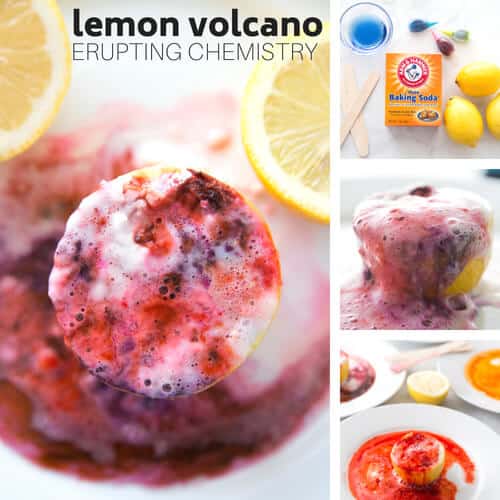
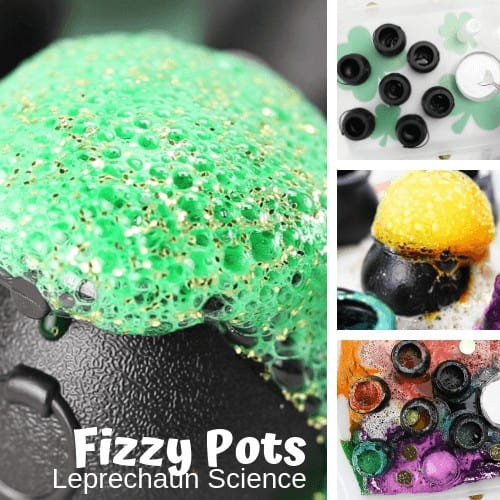
- Fizzy Baking Soda and Vinegar Pots – Mix baking soda and vinegar in small pots for a bubbling leprechaun cauldron effect.
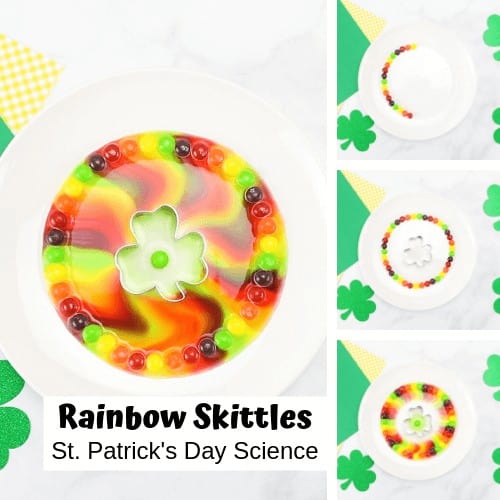
- Skittles Rainbow Science – Arrange Skittles in a circle on a plate, add warm water, and watch a rainbow appear.
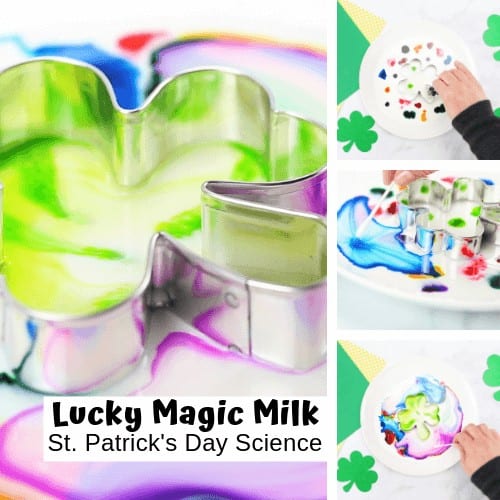
- Lucky Magic Milk Experiment – Add food coloring to milk, touch with dish soap, and watch swirling colors form.
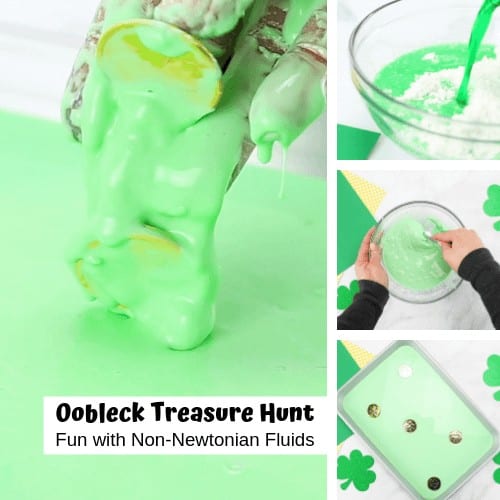
- Oobleck Treasure Hunt – Hide coins in green Oobleck (cornstarch and water) for a fun sensory treasure hunt.
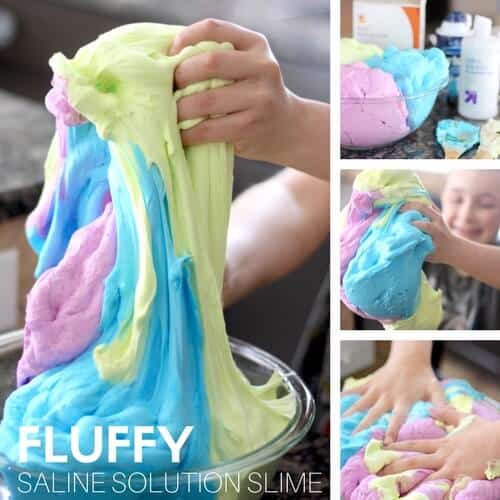
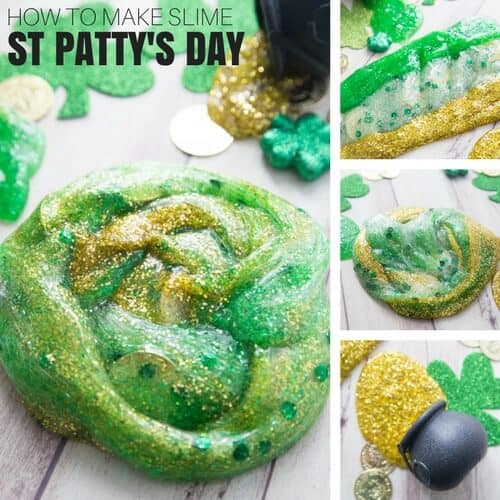
- Homemade St. Patrick’s Day Slime – Make stretchy green and gold slime using glue, baking soda, and saline solution for a festive sensory activity.
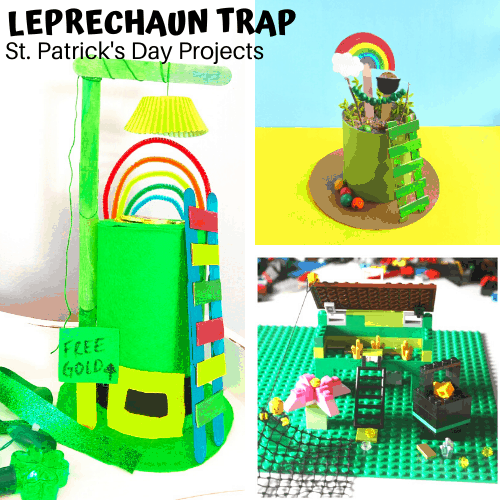
- Leprechaun Trap STEM Challenge – Design and build a creative trap using household materials to try and catch a mischievous leprechaun.
- Leprechaun Escape STEM Challenge – Create a zip line that allows the leprechaun to safely escape while testing different speeds, materials, and designs.
- Pot of Gold Tower STEM Challenge – Build the tallest and strongest tower to hold a pot of gold.
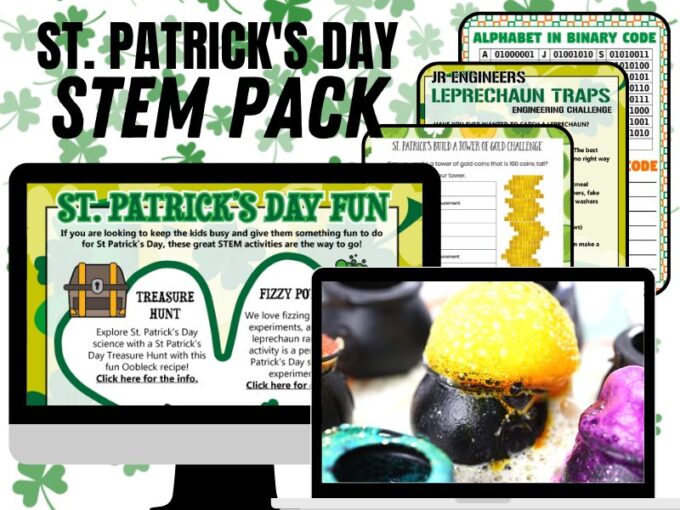
Printable St Patrick’s Day STEM Pack
Get ready to catch a Leprechaun, explore fizzy pots, and dig for gold coin oobleck all while exploring simple science and engineering design process with the St Patrick’s Day STEM Pack!