
Looking for fun and educational microbiology science fair experiments for grades 4–8? These hands-on projects explore bacteria, mold, and yeast while guiding kids through the scientific method. Perfect for classroom use or science fairs, each experiment teaches important microbiology concepts in a safe and engaging way.

Microbiology Science Fair Experiments
These microbiology experiments give students in grades 4–8 a meaningful way to explore the microscopic world and practice real science skills. Each one encourages observation, data collection, and critical thinking—perfect for science fair success!
🧫 Note on Nutrient Agar vs. Regular Agar
You’ll need nutrient agar plates*, not just plain agar, to successfully grow bacteria or yeast. *Amazon Associate link for convenience.
- Nutrient agar contains the food (like beef extract) that microbes need to grow.
- Plain agar is just a gel and won’t support bacterial growth alone.
1. Which Surface Has the Most Bacteria?
Question: Where in your home or school is the most bacteria hiding?
Scientific Concepts: Bacteria, contamination, hygiene
Materials:
- Sterile cotton swabs
- Nutrient agar plates (pre-poured)
- Permanent marker for labeling
- Zip-top bags or plastic wrap
- Tape
How-To:
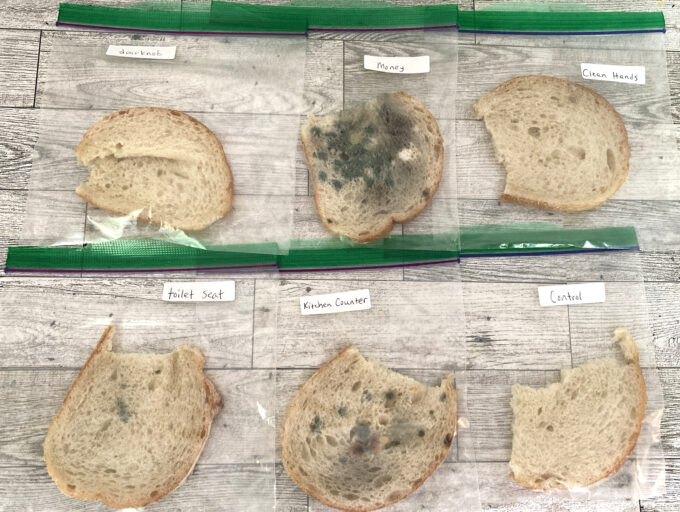
- Swab several surfaces (e.g., doorknob, kitchen counter, toilet seat, phone screen).
- Gently rub each swab on a separate labeled agar plate.
- Cover and seal each plate, then place in a warm, dark location for 3–5 days.
- Observe and record the size, color, and number of colonies.
Extension: Compare home vs. public places, or test before/after cleaning.
🔎 You can check out our complete Growing Germs Science Experiment (non-agar version) here.
🔬 The Science Behind It:
Bacteria are microscopic organisms found on many surfaces. Some are harmless, while others can cause illness. This experiment shows students where bacteria are most likely to grow and emphasizes the importance of cleanliness.
2. How Does Mold Grow on Different Foods?
Question: Which food molds fastest: bread, cheese, or fruit?
Scientific Concepts: Fungal growth, spoilage
Materials:
- Slices of bread, cheese, fruit pieces
- Zip-top bags or clear containers
- Tape and labels
- (No agar needed—mold grows directly on food)
How-To:
- Place one piece of each food into a separate sealed bag.
- Store in a warm, dark space.
- Observe daily for signs of mold (color, size, texture).
- Record which food molds first and how much mold appears.
Extension: Test refrigerated vs. room-temperature storage.
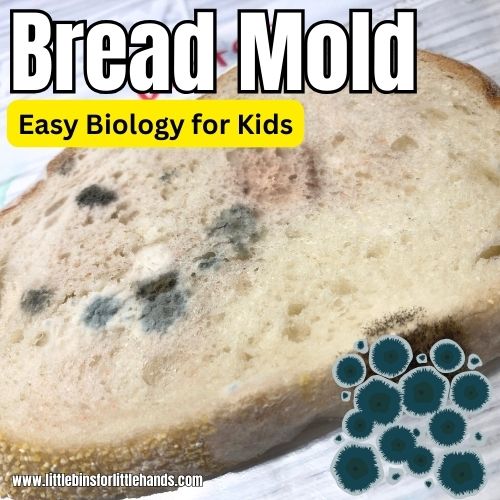
🔎 You can see our complete Bread Mold Experiment here.

3. What’s the Best Handwashing Method?
Question: Which method removes the most bacteria: soap and water, water only, or hand sanitizer?
Scientific Concepts: Personal hygiene, bacterial reduction
Materials:
- Nutrient agar plates
- Swabs
- Soap, water, and hand sanitizer
- Timer
How-To:
- Swab unwashed hands and press onto an agar plate.
- Wash hands using soap, water only, or sanitizer (30 seconds each).
- Swab again after washing and apply to new plates.
- Seal, store, and observe bacterial growth after a few days.
Extension: Test different hand soaps or durations of washing.
🔬 The Science Behind It:
Handwashing removes bacteria that can spread disease. Soap and hand sanitizer work in different ways—soap lifts dirt and germs off the skin, while sanitizer kills many bacteria directly. This experiment helps compare their effectiveness.
4. Can Natural Substances Kill Bacteria?
Question: Which natural ingredients stop bacteria from growing?
Scientific Concepts: Antibacterial properties, inhibition zones
Materials:
- Nutrient agar plates
- Swabs
- Garlic, honey, vinegar, lemon juice, etc.
- Sterile paper discs or small paper circles
- Tweezers
How-To:
- Swab a surface (e.g., unwashed hands) and spread bacteria onto a plate.
- Soak paper discs in different substances and place them onto the agar.
- Seal and observe for clear areas around discs (no bacteria = inhibition).
Extension: Compare natural vs. store-bought disinfectants.
🔬 The Science Behind It:
Some natural substances, like garlic and honey, contain compounds that can stop bacteria from growing. These are called antibacterial properties. This experiment demonstrates how well different substances work to fight off bacteria.
Tips for Best Results:
- Allow up to 10 days for the whole experiment.
- Warm, dark environments (like inside a cabinet or box) speed up mold growth.
- Lightly dampen bread or fruit for quicker results (but not soaked).
- Use clean but unwashed food to ensure natural mold spores are present.
- Avoid refrigerated samples unless testing that variable.
🔬 The Science Behind It:
Mold is a fungus that grows on organic materials in warm, damp conditions. Different foods offer different nutrients, so some may mold faster than others. This experiment helps students observe which foods best support mold growth.
5. What Affects Yeast Fermentation?
Question: Which sugar helps yeast produce the most gas?
Scientific Concepts: Fermentation, gas production, fungi
Materials:
- Active dry yeast
- Sugar types (white sugar, brown sugar, honey, etc.)
- Warm water
- Clear bottles or cups
- Balloons
- Measuring spoons
- (No agar needed—yeast growth measured via gas production)
How-To:
- Mix yeast with warm water and one type of sugar in each bottle.
- Stretch a balloon over each opening.
- Let sit in a warm spot.
- Measure balloon inflation over 1–2 hours.
Extension: Compare temperatures or try artificial sweeteners.
👉 View the complete Yeast Fermentation Experiment here.
🔬 The Science Behind It:
Yeast is a type of fungus that uses sugar to produce carbon dioxide gas in a process called fermentation. This gas fills the balloon. Students learn how different sugars affect how quickly and how much the yeast ferments.
6. Does Fruit Washing Prevent Mold?
Question: Does washing fruit help it stay fresh longer?
Scientific Concepts: Mold prevention, surface contamination
Materials:
- Strawberries or grapes
- Water, vinegar, produce wash
- Clear containers or bags
- Labels and tape
- (No agar needed—mold grows directly on fruit)
How-To:
- Wash groups of fruit using different methods (or leave unwashed).
- Place each group in a separate labeled container.
- Store at room temperature.
- Observe mold growth daily.
Extension: Include different types of fruit or store in different conditions.
🔬 The Science Behind It:
Fruit often carries mold spores or bacteria on its surface. Washing can help remove these, but some methods work better than others. This experiment shows whether washing fruit helps slow down spoilage.
7. Can UV Light Kill Bacteria?
Question: Does UV light exposure reduce bacterial growth?
Scientific Concepts: UV radiation, disinfection
Materials:
- Nutrient agar plates
- Swabs
- Flashlight with UV bulb or sunlight
- Materials like sunglasses or clear plastic
How-To:
- Swab a surface and apply bacteria to several plates.
- Expose some to UV light for different lengths of time.
- Keep others covered (control).
- Observe growth after a few days.
Extension: Test different filters or time intervals.
🔬 The Science Behind It:
UV light damages the DNA of bacteria, making it hard for them to grow and reproduce. This is how sunlight and UV lamps help disinfect surfaces. Students will observe the effect of light exposure on bacterial growth.
Tips for All Science Fair Projects with Microbiology
- Always seal agar plates securely and do not open them after growing bacteria.
- Do not open zip lock bags of moldy food. Make observations without touching the bacteria.
- Label everything clearly and take daily photos.
- Use bar graphs or pie charts to share your results.
- Include a clear question, hypothesis, procedure, results, and conclusion in your display.

Science Fair Resources for Kids
- Using the Scientific Method with Kids
- Writing a Hypothesis for Kids
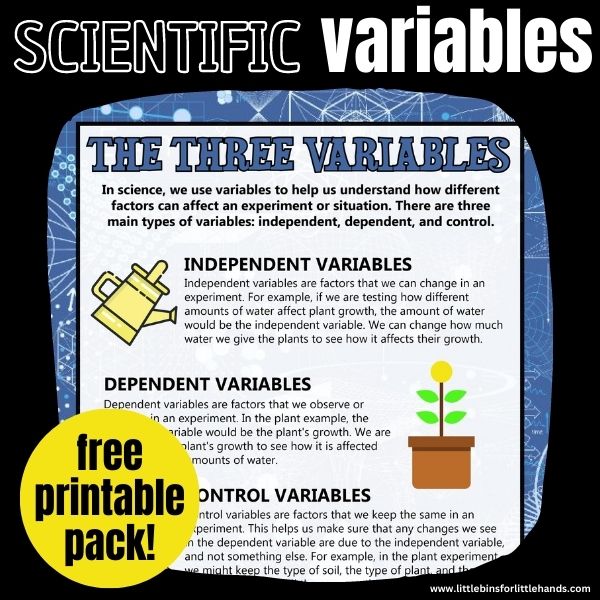
- Understanding Variables in Science
- How to Make a Science Fair Board
- Easy Science Fair Projects for Kids