
Mixing colors with paint is a fun way for kids to explore science and art together! Learn about primary colors and complementary colors with these easy color-mixing art activities that include a bit of science, art, and problem-solving.
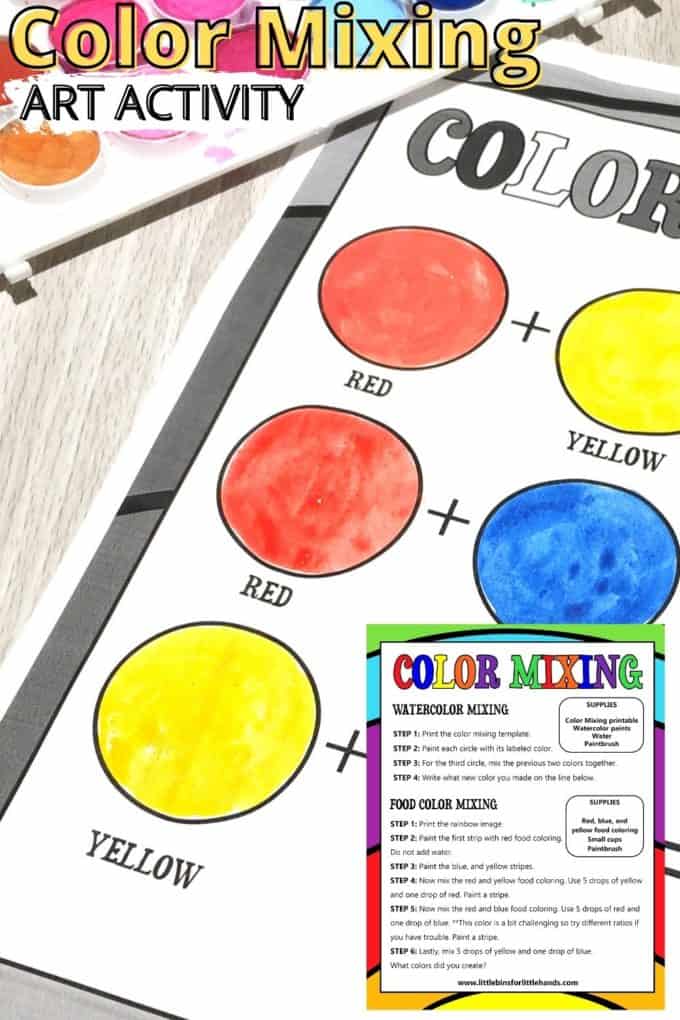
This activity includes a free downloadable color-mixing chart to help kids experiment and observe how new colors are created. Hands-on art activities like this are perfect for kids at home or in the classroom.
Mixing Colors For Kids
Have you ever noticed that kids love mixing colors? It is so much fun to see what colors you can create by playing with different colors.
This simple color mixing activity for kids introduces the basics of color theory while encouraging curiosity, observation, and creativity.
💡 Color is one of the 7 elements of art and is important for creating the mood and atmosphere of an artwork.
Introduce your kids to basic color theory with these fun color-mixing activities below. Complete your color-mixing chart with our free printable, then paint a rainbow with a simple color-mixing activity.
What Is Color Mixing?
Color mixing is based on the colors red, yellow, and blue, which are called the primary colors.
Primary colors cannot be created by mixing other colors. Instead, they are the building blocks used to create many other colors.
When two primary colors are mixed together, they create secondary colors.
For example:
Red + Yellow = Orange
Yellow + Blue = Green
Blue + Red = Purple
These six colors—three primary and three secondary—form the foundation of many color mixing activities for kids.
You can also introduce tertiary colors, which are created by mixing a primary color with a neighboring secondary color.
For example:
Red + Orange = Red-Orange
💡 TIP: A color wheel helps kids see how primary, secondary, and tertiary colors are related and how new colors can be created.
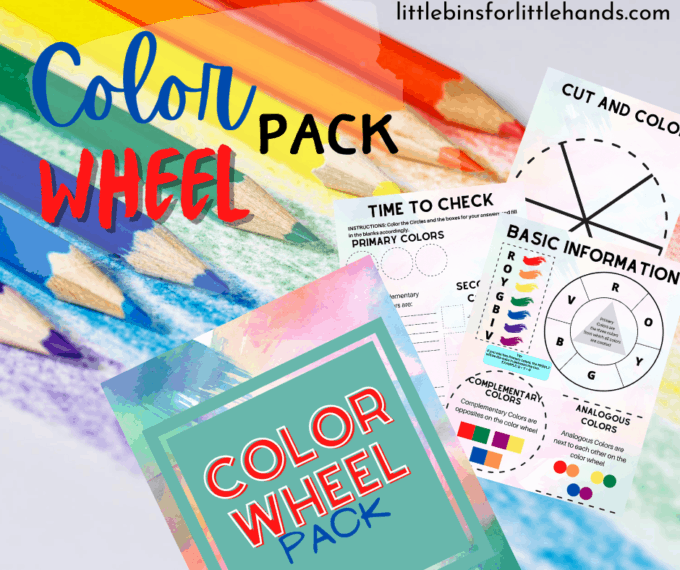
👉 Explore our color wheel activity for kids to learn more about how colors work together.
Explore More Art Projects for Kids
Looking for more creative activities? Browse our full collection of art projects for kids, including painting projects, famous artist activities, color theory lessons, and hands-on art experiments for preschool through elementary ages.
👉 Explore art projects for kids
👉 Explore preschool color activities
Watercolor Color Mixing Activity
💡 Also check out these fun watercolor art projects!
You will need
• Color mixing chart (see below)
• Watercolor paints
• Water
• Paintbrush
💡 Want to make your own watercolor paints? Check out our easy watercolor paint recipe!
How to Mix Colors
STEP 1. Print out the color mixing chart.
STEP 2. Paint each circle with its labeled primary color.
STEP 3. For the third circle, mix the previous two colors together.
STEP 4. Write the new color you made on the line below.

Rainbow Color Mixing Experiment (Food Coloring)
Pair this rainbow color mixing activity with hands-on rainbow science activities.
You will need
• Rainbow template
• Red, blue, and yellow food coloring
• Small cups
• Paintbrush
Instructions
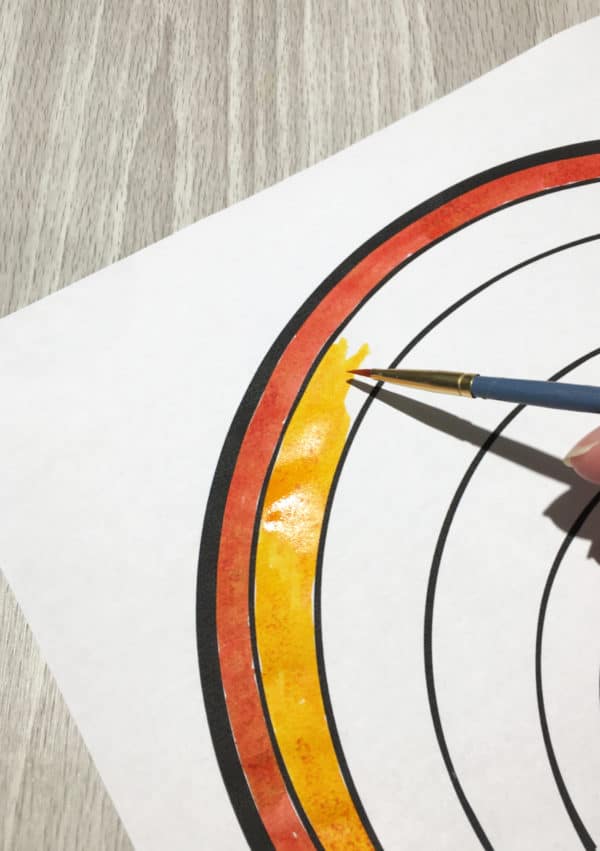
STEP 1. Print the rainbow template.
STEP 2. Add a drop of red food coloring to a small bowl, then paint the first rainbow strip with it. Do not add water.
STEP 3. Mix 5 drops of yellow and 1 drop of red, and paint the second strip.
STEP 4. Paint the next strip yellow.
STEP 5. Mix 5 drops of yellow and 1 drop of blue to paint the next strip.
STEP 6. Paint a strip blue.
STEP 7. Now mix 5 drops of red and 1 drop of blue and paint the last strip.
💡 What colors did you create?
Color Mixing Worksheets and Printables
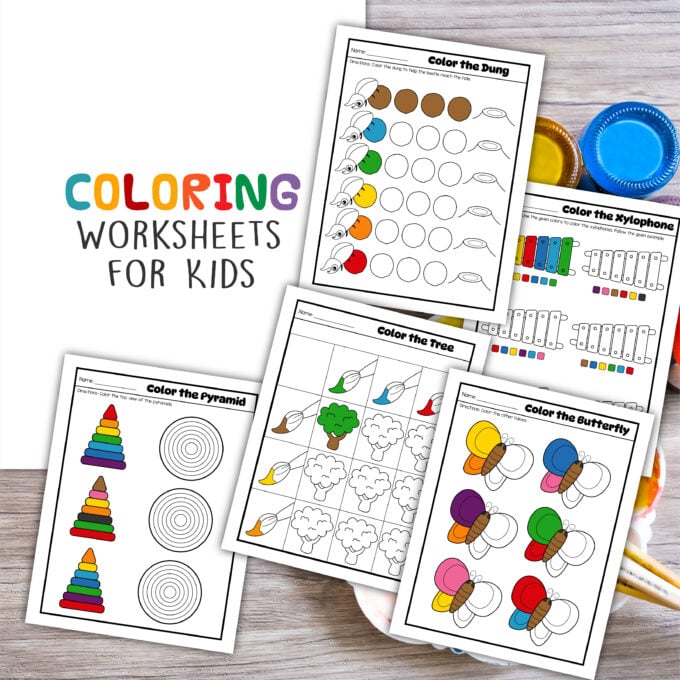
Printable activities are a great way to extend hands-on color experiments. After kids explore color mixing with paint or food coloring, use these worksheets for color logic.
They work especially well for centers, early elementary classrooms, or homeschool activities.
👉 Get the free printable color mixing activities
Color Mixing With Playdough
Color mixing doesn’t always require paint! Kids can explore color theory by blending playdough.
You will need
• Red playdough
• Yellow playdough
• Blue playdough
Instructions
STEP 1. Give kids small balls of each primary color.
STEP 2. Combine two colors together.
STEP 3. Knead the playdough and watch the colors blend.
Try these combinations:
Red + Yellow = Orange
Yellow + Blue = Green
Blue + Red = Purple
This hands-on activity helps kids explore color science and creativity simultaneously.
Color Mixing With Ice Painting
Another fun way to explore color mixing is with frozen paint or colored ice cubes. As the ice melts, the colors blend together, creating new hues on the paper.
This activity lets kids observe both color mixing and melting simultaneously.
Concepts explored:
• color mixing
• melting and temperature
• observation
👉 Try our ice painting activity for kids

See Color Mixing With Light
Paint and food coloring mix pigments to create new colors, but light behaves differently.
With a Newton’s Color Spinner, you can explore how the colors of the rainbow combine when they spin quickly.
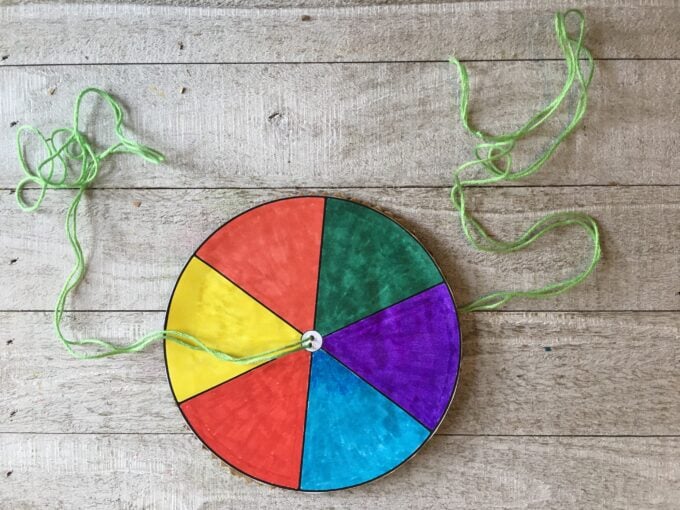
When the spinner rotates, the colored sections blend together, appearing white or light gray. This happens because the colors of light mix together faster than our eyes can separate them.
This experiment demonstrates how light combines to form white light, unlike how pigments mix.
Concepts explored:
• light and color
• color spectrum
• additive color mixing
Free Printable Color Mixing Chart
Click here to grab your free printable color-mixing activities and chart.
Use the chart to help kids record the colors they create and observe how different color combinations change the results.
The Science Behind Color Mixing
Color mixing happens when pigments combine to create new colors.
Paints and food coloring contain pigments that absorb and reflect light at different wavelengths. When pigments are blended together, the reflected light changes, creating the new colors we see.
Artists and scientists both use the principles of primary colors, secondary colors, and color relationships to understand how colors behave.
Exploring color mixing helps kids practice observation, experimentation, and creative thinking.
👉 Want to explore more colorful experiments? Visit our color science experiments for kids collection to discover hands-on ways to learn about light, pigments, and the science of color.
Color Mixing FAQ
What are the primary colors? The primary colors are red, yellow, and blue. These colors cannot be created by mixing other colors.
What colors do you get when mixing primary colors? Mixing two primary colors creates secondary colors:
Red + Yellow = Orange
Yellow + Blue = Green
Blue + Red = Purple
What age is color mixing appropriate for? Color mixing activities work well for preschool through elementary school and provide a simple introduction to both art and science concepts.
Why is color mixing important for kids? Color mixing helps kids develop observation skills, creativity, and early science understanding while introducing the basics of color theory used in art and design.

Looking for more ways to explore ART?
Explore our Art Project Bundle; it’s filled with hands-on art activities inspired by well-known artists. Plus, you’ll find extras for collage, mixed media, printmaking, watercolor, and the 7 Elements!