
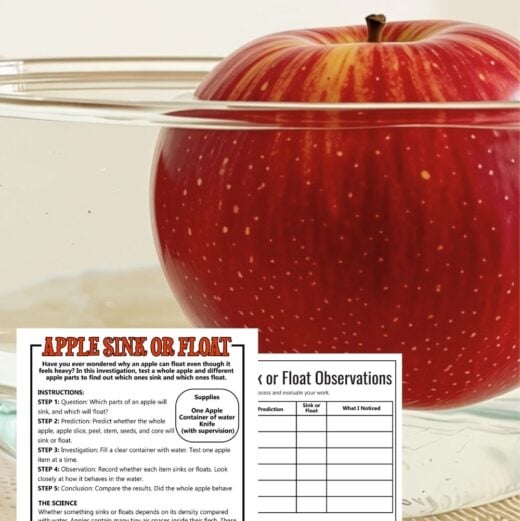
Will an apple sink or float? What happens if you cut the apple apart and test the slice, peel, core, stem, and seeds too?
This easy apple sink or float experiment is a fun way to explore density, buoyancy, prediction, and observation with simple supplies. Kids can test the whole apple, compare the parts, and record what they notice along the way.
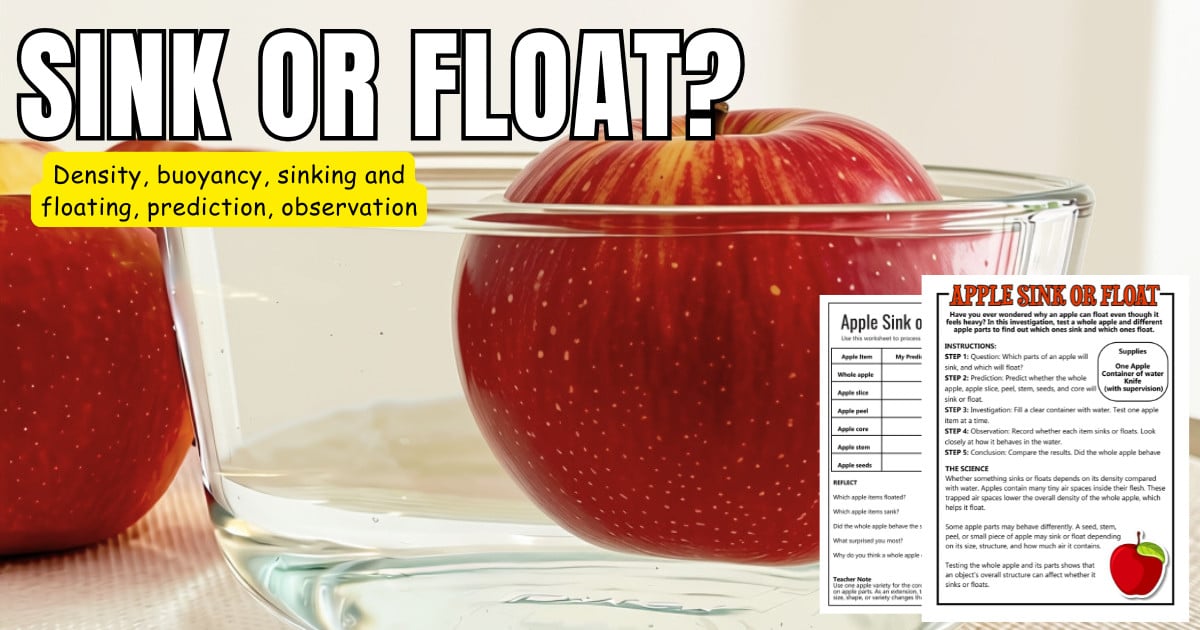
Apple Sink or Float Experiment
Field: Physics
Grades: K–3
Concepts: Density, buoyancy, sinking and floating, prediction, observation
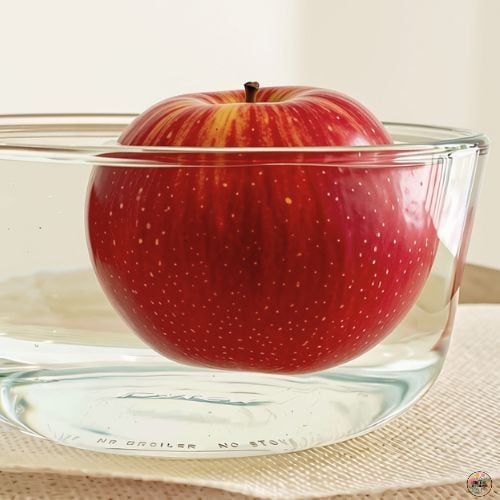
A whole apple floats in water, but not every part of the apple behaves the same way.
That makes this more interesting than a simple yes-or-no sink or float test. Kids can compare the whole apple with a slice, peel, core, stem, and seeds and look for differences in the results.
🔎 The printable investigation asks students to predict and test each item one at a time.
Supplies
- One apple
- Clear bowl or container
- Water
- Knife for adult use
- Apple Sink or Float printable
- Pencil
Safety Note: An adult should cut the apple into pieces.
How to Do the Apple Sink or Float Experiment
1. Make a prediction.
Before putting anything in the water, ask kids whether they think the whole apple will sink or float.
Then predict what will happen with:
- Apple slice
- Apple peel
- Apple core
- Apple stem
- Apple seeds
2. Test the whole apple.
Gently place the apple in the water and observe what happens.
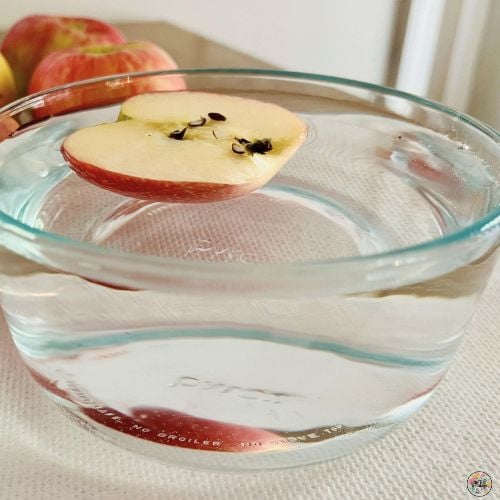
3. Cut the apple apart.
Have an adult cut the apple so you can test the different parts.
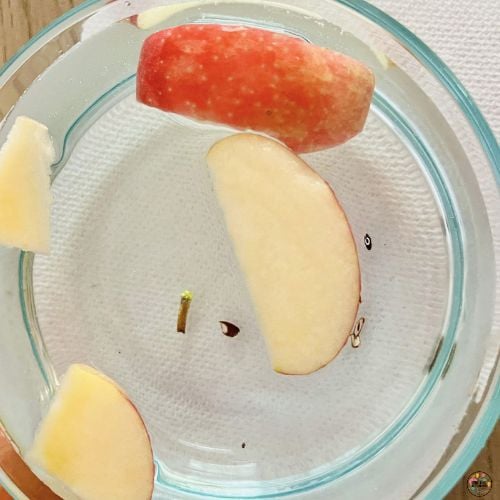
4. Test one part at a time.
Place the slice, peel, core, stem, and seeds into the water.
5. Record the results.
Mark whether each item sinks or floats and write down anything interesting you notice.
🔎 The observation sheet includes space for predictions, results, and observations.
Free Apple Sink or Float Printable
Use the printable Apple Sink or Float Investigation to guide the activity from start to finish.
The printable includes:
- Investigation steps
- Prediction prompts
- Whole apple and apple-part testing
- Observation chart
- Reflection questions
🔎 Students can compare the whole apple with the slice, peel, core, stem, and seeds.
Why Do Apples Float?
Whether something sinks or floats depends partly on its density compared with water.
A whole apple contains many tiny air spaces inside its flesh. Those air spaces lower the apple’s overall density, which is why the whole fruit can float.
For younger kids, keep the explanation simple:
Less dense than water → tends to float
More dense than water → tends to sink
👉 Learn more about density here.
What Is Buoyancy?
Buoyancy is the upward push from water that helps support an object.
If that upward push is enough to support the object, it floats. If not, it sinks.
💡 You don’t need to go deep into the physics with younger kids. The main idea is that an object can feel heavy in your hand and still float in water.
👉 You can learn more about buoyancy here.
Why Do Some Apple Parts Sink?
Once an apple is cut apart, the pieces no longer have the same overall structure as the whole fruit.
🔎 A seed, stem, peel, core, or small piece may sink or float depending on its size, structure, and how much air it contains.
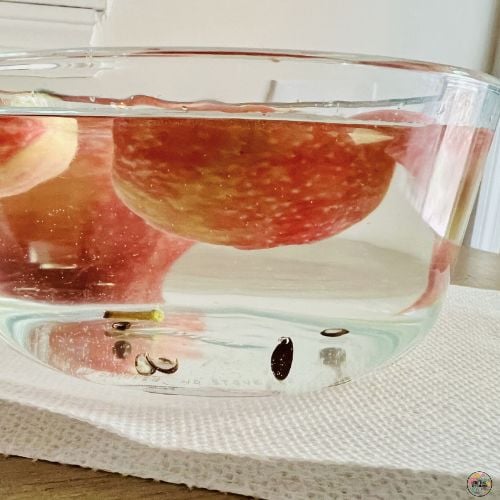
💡 That is what makes this investigation so useful. Kids can see that the whole apple and its parts don’t always behave the same way.
Compare With an Orange Sink or Float Experiment
Try the same idea with an orange for a fun comparison. Test:
- Whole orange with peel
- Peeled orange
- Orange segments
Then compare the results with the apple.
Ask:
- Which whole fruits float?
- What changes when the fruit is peeled or cut?
- Which fruit parts sink?
- How does the outer covering affect what happens?
- What surprised you?
👉 Try the Orange Sink or Float Experiment
🔎 This is a simple way to help kids compare how different fruits behave in water.
Guiding Questions
- Do you think the whole apple will sink or float?
- Did every apple part behave the same way?
- Which parts floated?
- Which parts sank?
- What surprised you?
- Why might the whole apple float while some smaller parts sink?
- What would you test next?
- Do you think another apple variety would behave the same way?
💡 The printable also asks students to reflect on which items sank or floated and why the whole apple may float.
Printable Apple Science and STEM Pack
Want more apple activities in one place?
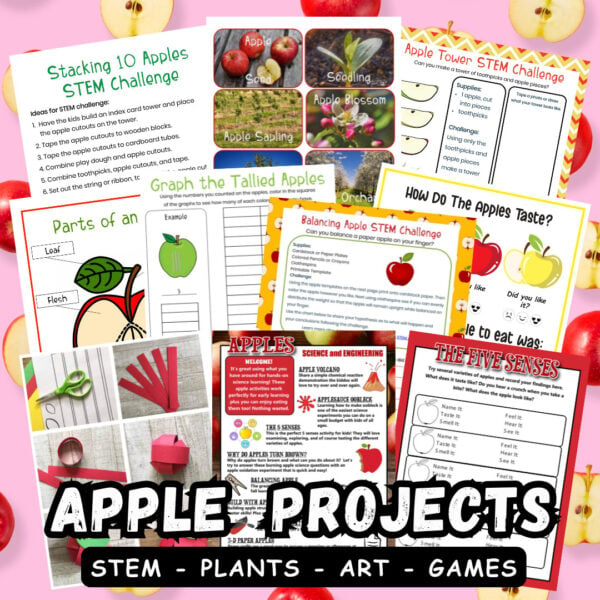
The Apple Science and STEM Pack includes more than 125 pages of apple-themed projects and printables for Kindergarten through elementary.
Inside, you’ll find apple science activities, STEM challenges, life cycle resources, observation pages, and additional printable activities for fall learning.
More to Explore
Apple Science Experiments | Apple STEM Activities | Apple Observation Activity | Parts of an Apple | Orange Sink or Float | Density Experiments| Buoyancy Experiments | Sink and Float Experiments