

Need an easy volcano science project that actually teaches real earth science? This sandbox baking soda volcano demonstrates how gas pressure causes eruptions using a simple acid–base reaction. Built directly in the sand, it’s a fun outdoor experiment for kids and a perfect addition to elementary science units or science fair practice.
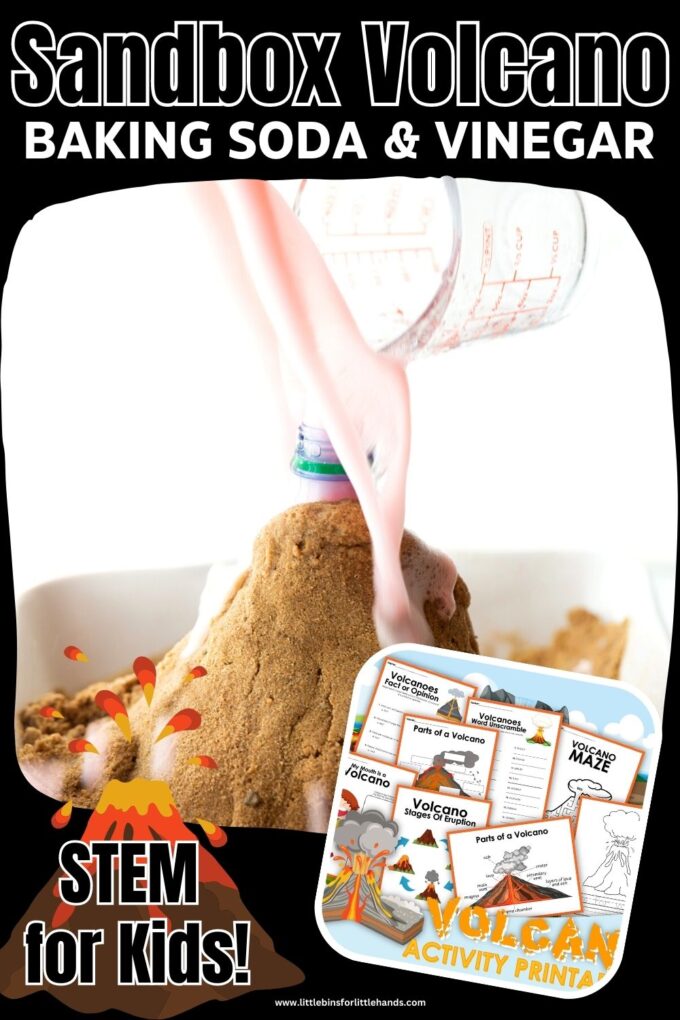
Want to learn how volcanoes really work?
See our complete Volcano Guide for facts, types, and science fair ideas.
Field of Science: Chemistry and Earth Science
Grades: Preschool – Grade 4
Concepts Explored: Chemical reactions, modeling nature, acids and bases
This fun volcano eruption is powered by a chemical reaction between baking soda (a base) and vinegar (an acid). When they mix, they produce carbon dioxide gas, which forms bubbles that simulate lava erupting. You’ll also be modeling how pressure can build up inside real volcanoes!
NGSS Guiding Questions
- What happens when you mix certain materials?
- What evidence shows a chemical reaction?
- How can we model a natural event like a volcano?
Watch the Sandbox Volcano in Action
🎥 Watch the volcano eruption here!
Supplies Needed
Plus, grab our free Volcano Facts Pack to keep the learning going after the eruption!
- Baking soda (2–3 tablespoons)
- Vinegar (1–2 cups)
- Dish soap or bubble solution (optional – makes it foamier)
- Red/orange food coloring (optional)
- Water bottle or cup (to hold ingredients)
- Sandbox or bin with damp sand
- Small shovel or hands to shape the volcano
How to Make a Baking Soda Volcano in the Sandbox
- Place your water bottle or cup in the center of the sandbox.
- Build a sand mountain around the bottle, leaving the top open.
- Add baking soda to the bottle.
- Add a squirt of dish soap and a few drops of food coloring.
- Pour in vinegar and watch the eruption begin!
- Rinse and repeat the fun with fresh ingredients!
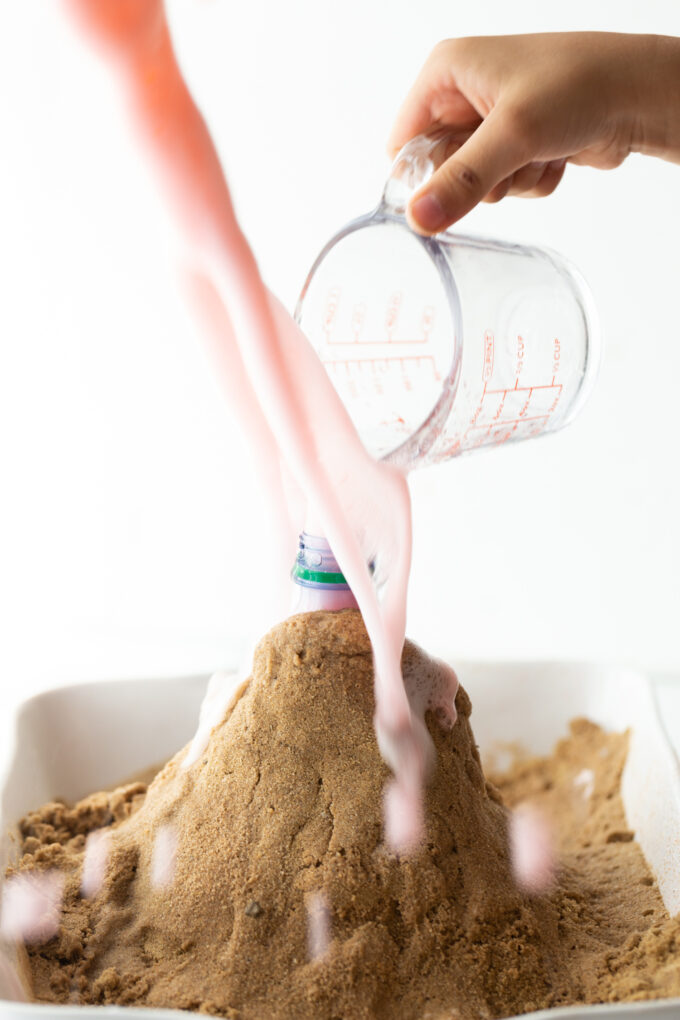
💡 Take it outside! This is a fantastic summer outdoor science activity—mess stays outside, and cleanup is simple!
Make It a Volcano Science Project
Use the scientific method to turn this experiment into a complete project:
- Ask a Question: What makes the biggest eruption?
- Form a Hypothesis: If I use more vinegar, the eruption will be taller.
- Test It: Try changing the amount of vinegar or baking soda.
- Observe & Record: Take photos, make a drawing, or measure how far the eruption spreads.
- Draw Conclusions: What worked best? What might you try next?
Grab Our Free Volcano Facts Pack
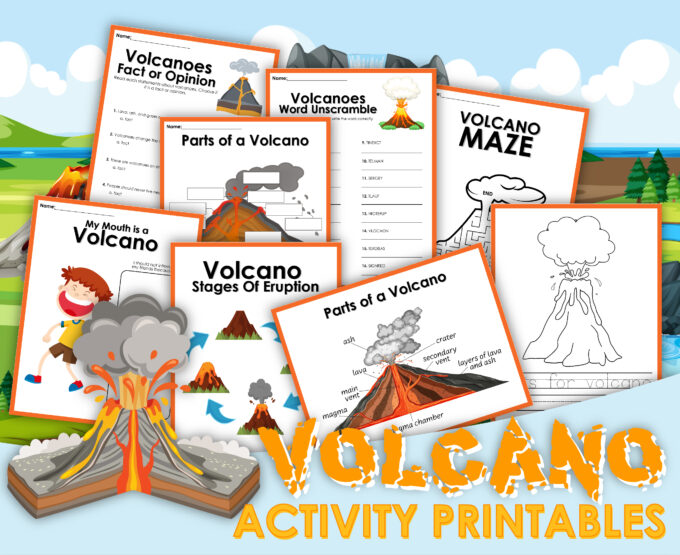
📥 Get our printable Volcano Facts Pack with fun facts, coloring pages, and a mini activity guide!
Perfect for extending the learning after the eruption.
👉 Grab your free volcano facts pack here!
Why Do Volcanoes Erupt?
- Real volcanoes erupt due to heat and pressure from molten rock called magma under the Earth’s surface.
- Your sandbox volcano models the shape and behavior of a composite volcano, one of several types.
- Carbon dioxide bubbles from the reaction are similar to gas pressure building up before a real volcanic eruption.
🔍 Fun Fact: The largest volcano in our solar system is Olympus Mons—found on Mars!
More Volcano Eruption Experiments to Try
Want more explosive science fun? Try these other volcano ideas:
- Pumpkin Volcano
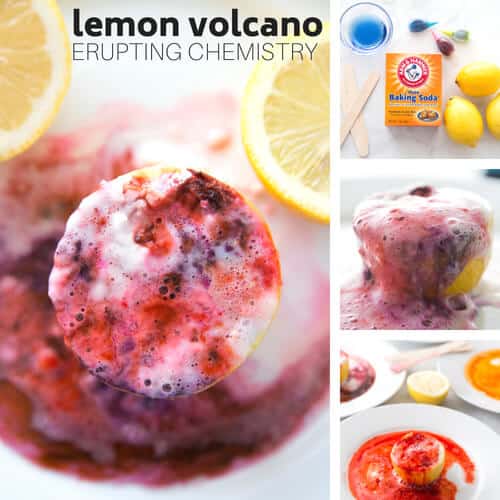
- Lemon Volcano
- Apple Volcano
- Volcano Slime
- LEGO Volcano
- Dinosaur Volcano
- Snow Volcano
- Watermelon Volcano
- Salt Volcano
📌 Mix and match for a full week of volcano science!

Ready to go deeper into rocks, crystals, and volcano science?
Our Rocks and Geology for Kids Pack includes 8+ hands-on activities, mini-units on soil layers and the rock cycle, plus 3 interactive dioramas students love to build.
👉 Click here to explore the full pack.

Will this ruin the existing sand in the box? THaks!
We did not have a problem with it. If you are concerned you can scoop out the used sand or you could put a bin inside the sand box and have kids build the volcano inside it.