
The 7 elements of art—line, shape, form, space, color, value, and texture—are fundamental building blocks in any artistic endeavor. Today, let’s explore the fascinating world of texture and how you can guide your kids through an engaging and hands-on project using cardboard.

Understanding Texture in Art
Texture refers to the surface quality of a work of art. It can be visual (how it looks) or tactile (how it feels). Artists use texture to create interest, convey emotion, and add depth to their work. By experimenting with different textures, students learn to appreciate the diverse possibilities of artistic expression.
💡Try this simple yarn craft for another version of texture art.
This project is an excellent opportunity to also introduce kids to mixed media and collage. Mixed media combines different materials and techniques in a single artwork, while collage assembles various elements into a cohesive piece. Kids can explore how these elements interact and complement each other using various textures and materials.
Cardboard Texture Art Project
💡 Check out all of our 7 Elements of Art projects [here].
Materials Needed:
- Cardboard pieces (one side peeled to reveal corrugated surface)
- Various textured materials (fabric scraps, sandpaper, bubble wrap, bottle caps, etc.)
- Glue
- Paint and brushes
- Scissors
- Optional: additional embellishments (beads, buttons, yarn)

Instructions:
💡 Keep in mind: The finished art project here is only to give you an idea of what texture art is all about. Kids should feel free to create whatever they desire.
STEP 1: Cut cardboard into manageable sizes for your kids. Demonstrate how to peel off one side of the cardboard to reveal the corrugated texture underneath.
STEP 2: Explore texture by encourage kids to touch and feel the corrugated surface, discussing how it differs from the smooth side. Introduce various textured materials and discuss their unique qualities.
STEP 3: Kids can start by gluing their chosen textured materials onto the corrugated surface. This is where they can get creative—layering different textures to create a unique collage.
STEP 4: Once the glued textures are secure, students can paint over them. Encourage experimentation with painting techniques to add even more texture to their artwork.
💡 Optional: Older kids can add further embellishments to their work, creating a mixed media art project.

How To Use This For Different Age Groups
Younger Kids (Ages 5-10):
- Focus on simple textures and basic collage techniques.
- Provide pre-cut materials and larger pieces for easier handling.
- Encourage exploration and play, allowing them to experiment with gluing and painting without strict guidelines.
Older Kids (Ages 11+):
- Challenge them to create more intricate designs and consider the overall composition.
- Introduce more complex textures and materials, such as metallic papers or textured gels.
- Encourage kids to think about how texture can convey emotion or narrative in their artwork.
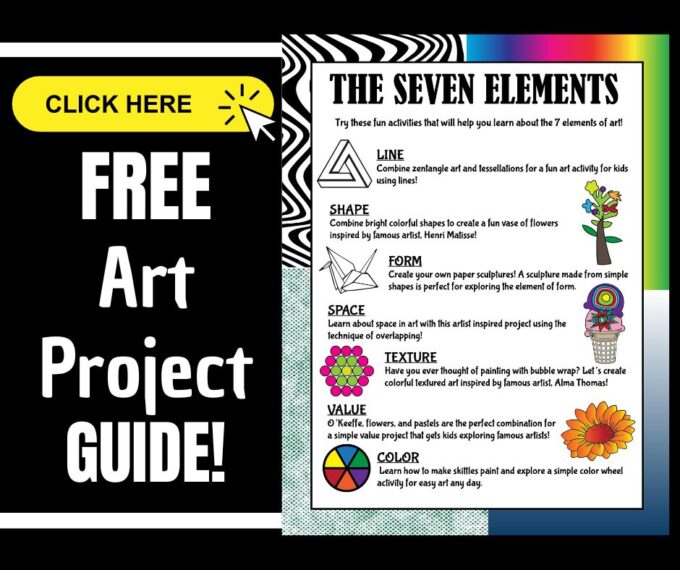
Grab your FREE Elements of Art Projects Guide!
Try these fun activities to learn about the seven elements of art! Print the free 7 Elements of Art activity guide.
More Helpful Art Resources For Kids
Below, you will find many easy and hands-on art projects and resources for kids.
More Fun Texture Art Projects For Kids
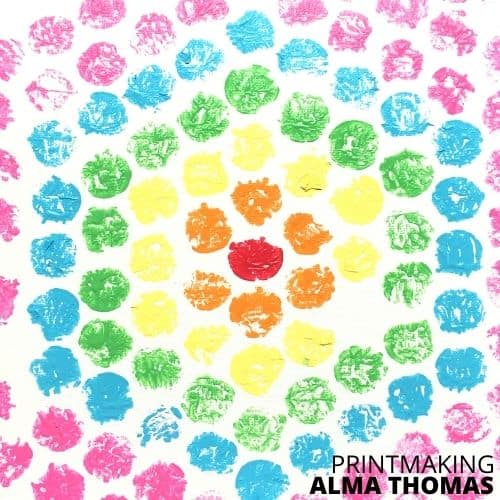
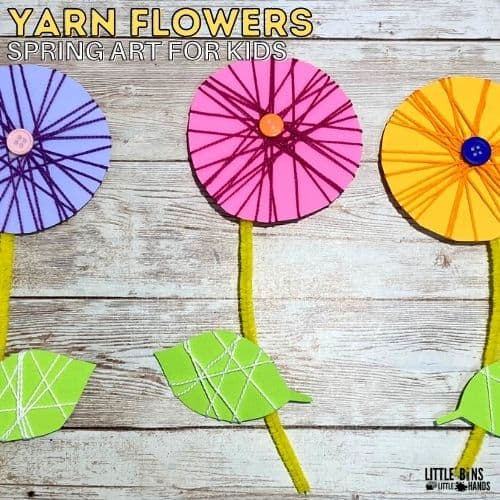
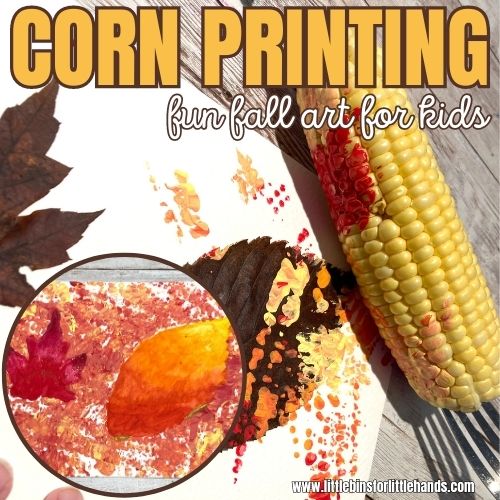
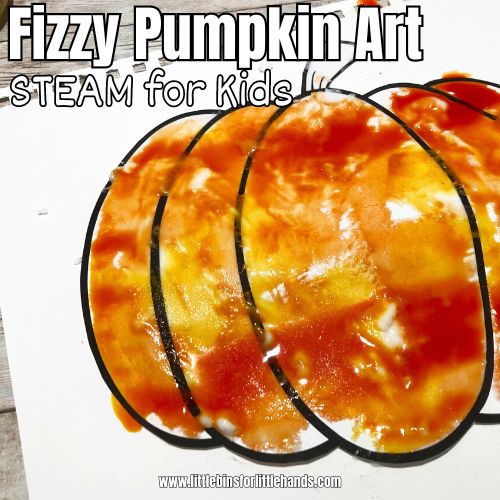
Remember, a texture art project can be about how it looks or feels! Below are a few examples. These art projects can also be differentiated for different age groups.

Printable 7 Elements Art Pack
NEW! Featured Project Pack: 7 Elements of Art
Learn about and explore the Seven Elements of Art through hands-on activities and easy-to-read information pages. Suitable for kids in elementary and middle school grades.
What’s Included:
—> Project sheet for the seven elements of art and what they are with matching projects unique to this project pack, complete with instructions, images, and templates. (Plus, an additional complete pack of the projects listed in the link above.)
—> An easy-to-read information page for each element of art. Learn all about each element.
—> Why teach the seven elements of art information page? Handy tips page.