
Did you know cocoa powder is afraid of water? Well, not exactly—but it does repel it! Kids can explore hydrophobic properties in this simple cocoa hydrophobic experiment and see firsthand how some substances resist mixing with water.

Cocoa Hydrophobia Experiment
- Field of Science: Chemistry, Materials Science
- Grade Level: K-5
- Concepts Explored: Sink or float, hydrophobicity, surface tension, properties of matter
Cocoa powder is hydrophobic, meaning it repels water. Instead of immediately getting wet and sinking, the cocoa powder floats on the surface due to trapped air. When you try to press it under, it resists water absorption. Eventually, with enough mixing, it will get wet, but this slow absorption demonstrates hydrophobic behavior.
Supplies Needed
- A bowl or cup of water
- Unsweetened cocoa powder
- Spoon
Hydrophobic Science Experiment Set Up
Watch the video:
STEP 1: Fill a bowl or a large-mouthed cup with water.
STEP 2: Take one tablespoon of the cocoa powder on a spoon. Then submerge the spoon in the water.

STEP 3: Take the spoon out of the water and observe how the cocoa is coated in water. Use a toothpick to “pop” the water.

🔎 Repeat steps 2-4 as many times as desired to observe the properties of hydrophobic materials. OPTIONAL: Stir vigorously—eventually, the cocoa will absorb water and mix in.
Cocoa Hydrophobic Experiment Information
- What is Hydrophobicity? The word “hydrophobic” comes from Greek, meaning “water-fearing.” Hydrophobic materials do not mix well with water because their molecules repel it.
- Why Does Cocoa Powder Float? Each particle of cocoa powder has tiny air pockets, which prevent water from immediately saturating it. This is similar to how waterproof materials work.
- Where Else Can We See Hydrophobic Properties? From waterproof clothing to duck feathers, hydrophobic materials exist in nature and technology.
Cocoa Powder Properties of Materials
This experiment helps us observe how different materials interact with water. Cocoa powder is hydrophobic, repelling water instead of dissolving like sugar or salt.
- Hydrophobic vs. Hydrophilic Materials – Some materials mix with water (hydrophilic) while others resist it (hydrophobic). Cocoa powder repels water at first but will eventually mix with enough stirring.
- Particle Size and Water Interaction – Cocoa powder is made of tiny, lightweight particles that trap air, preventing it from immediately becoming wet. This is why it floats on water before it absorbs moisture.
💡 Learn more about Material Properties here.
Observable Properties in Action
We can use this experiment to observe different properties of materials:
🔎 Use this Observable Properties sheet here.
- Texture & Appearance: Cocoa powder is fine and powdery. When placed on water, it appears dry and clumpy, demonstrating its hydrophobic nature.
- Float vs. Sink: Instead of sinking like sugar or salt, cocoa powder floats because its tiny particles hold air, preventing it from mixing quickly.
- Change Over Time: If stirred, cocoa gradually mixes with the water. This shows how materials can change their interaction with liquids under different conditions.
Real-World Connections
- Nature: Some plants, like the lotus leaf, have hydrophobic surfaces that repel water. Ducks also use oils on their feathers to stay dry.
- Technology: Using hydrophobic coatings, scientists create waterproof materials like raincoats and water-resistant phone screens.
Hands-On Extension: Testing Other Powders in Water
Kids can explore how different powders interact with water and compare them to cocoa powder.
🔎 You can also set up our “What Dissolves Experiment?” here.
Supplies:
- Cocoa powder
- Sugar
- Flour
- Cornstarch
- Baby powder
- Small bowls of water
- Spoons
Instructions:
- Fill several small bowls with water.
- Add a spoonful of each powder to a separate bowl.
- Observe: Does the powder float or sink? Does it dissolve right away or repel water?
- Try stirring each bowl. Which materials mix easily? Which resist mixing?
- Record observations and discuss why some powders behave differently in water.
Hydrophobic Science Extension Ideas
Try these experiments to explore hydrophobic properties further:

Related Science Activities to Try
Try these various science activities to connect to the Cocoa Hydrophobia Science Experiment concept of hydrophobicity and surface tension:
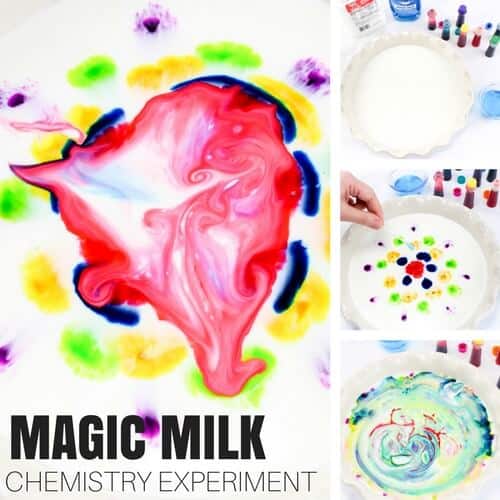
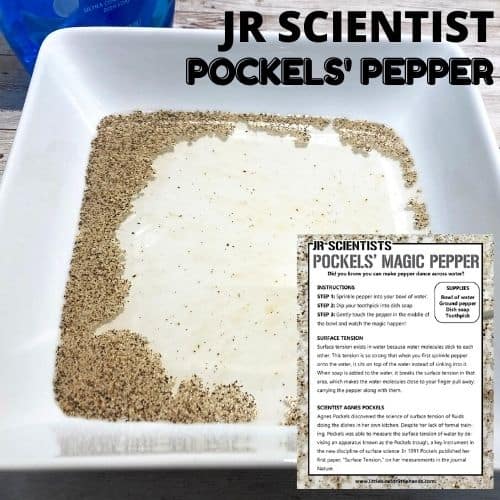
Magic Milk Experiment
- Connection: The surface tension of milk keeps food coloring floating on top until soap is added, breaking the tension and causing the colors to swirl. Similar to how cocoa powder resists sinking, this experiment highlights how molecules interact with liquids.
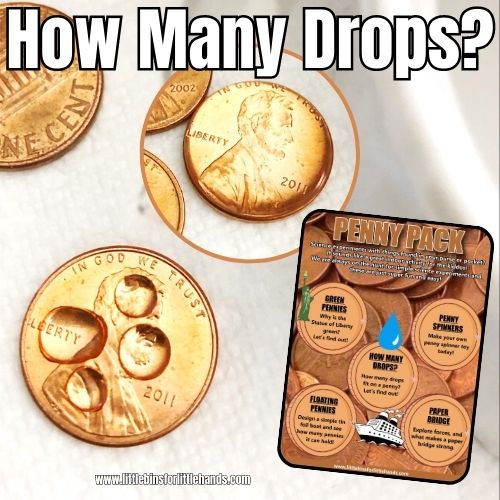
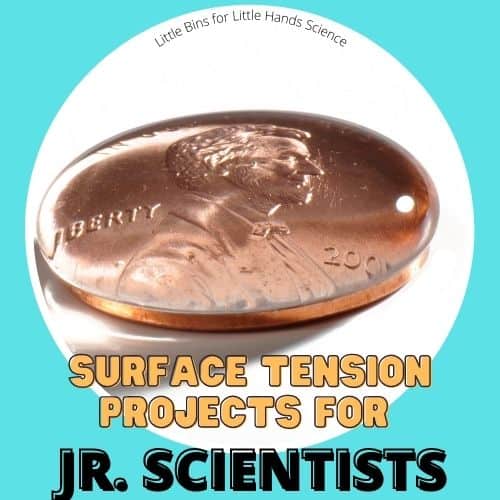
Drops of Water on a Penny Lab
- Connection: Like cocoa powder floats due to surface tension, this experiment shows how many water droplets can sit on a penny before spilling over. Both experiments highlight the cohesive forces in water.
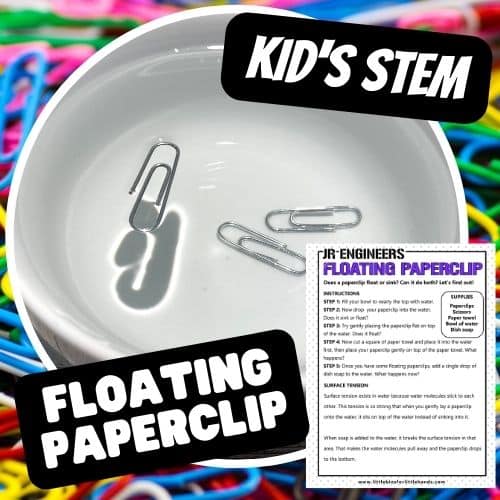
Floating Paperclip Experiment
- Connection: A paper clip can float on water due to surface tension, like cocoa powder resists sinking. This demonstrates how some objects stay on the surface without breaking through.
Water Strider STEM Challenge
- Connection: Water striders rely on surface tension to “walk” on water, just as cocoa powder floats instead of mixing. This experiment extends the idea by showing how real-life creatures use surface tension to their advantage. (Comind Soon)
Helpful Science Resources To Get You Started
Here are a few resources to help you introduce science more effectively to your kiddos or students and make you feel confident when presenting materials. You’ll find helpful free printables throughout.
- Best Science Practices (as it relates to the scientific method)
- Science Vocabulary
- 8 Science Books for Kids
- All About Scientists
- Free Science Worksheets
- Science Supplies List
- Science Tools for Kids
- Join us in the STEM Club
Printable Science Projects For Kids
If you’re looking to grab all of our printable science projects in one convenient place plus exclusive worksheets and bonuses like a STEAM Project pack, our Science Project Pack is what you need! Over 300+ Pages and 90 projects!