

Here’s a fun and easy plant experiment for kids that uses basic kitchen ingredients. We decided to regrow lettuce from the ends of our romaine hearts to see what would happen. Check out how to regrow lettuce using our simple steps below.

How To Regrow Lettuce In Water
learn about biology by showing how plants can grow and thrive using only water and sunlight, helping kids understand plant life cycles and what living things need to grow.
Recommended Grade Level: 1st-5th Grade. Younger students (grades 1-3) will explore plant growth and basic plant biology. At the same time, older students (grades 4-5) can delve deeper into understanding the science of regrowth, plant needs, and the biology of plant cells.
Supplies Needed:
- Lettuce Stumps (Use the base or stump of a romaine, butterhead, or iceberg lettuce.)
- A Small Bowl or Shallow Dish
- Water
- Optional: A spray bottle for misting the leaves to keep them hydrated.
Instructions:
STEP 1: Place the lettuce hearts in a shallow container of water with access to indirect sunlight. Make sure the water does not cover the lettuce.
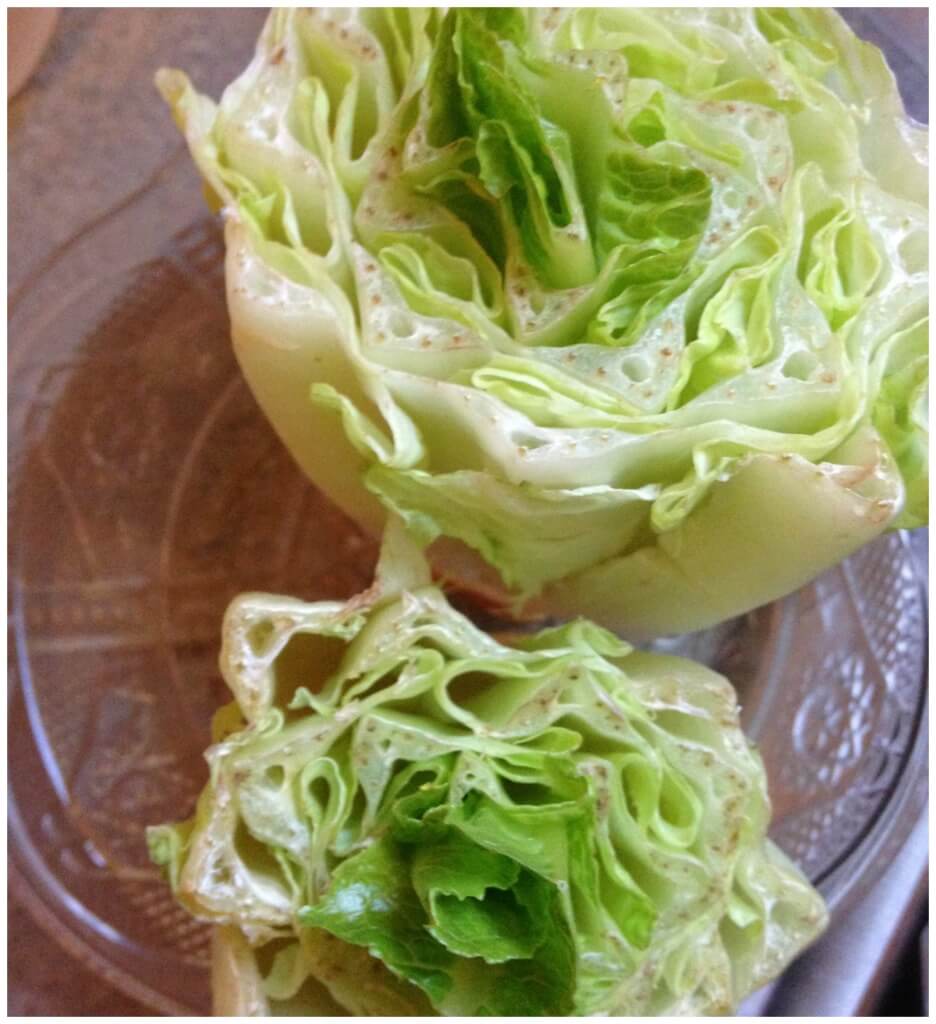
STEP 2. Change the water each day.
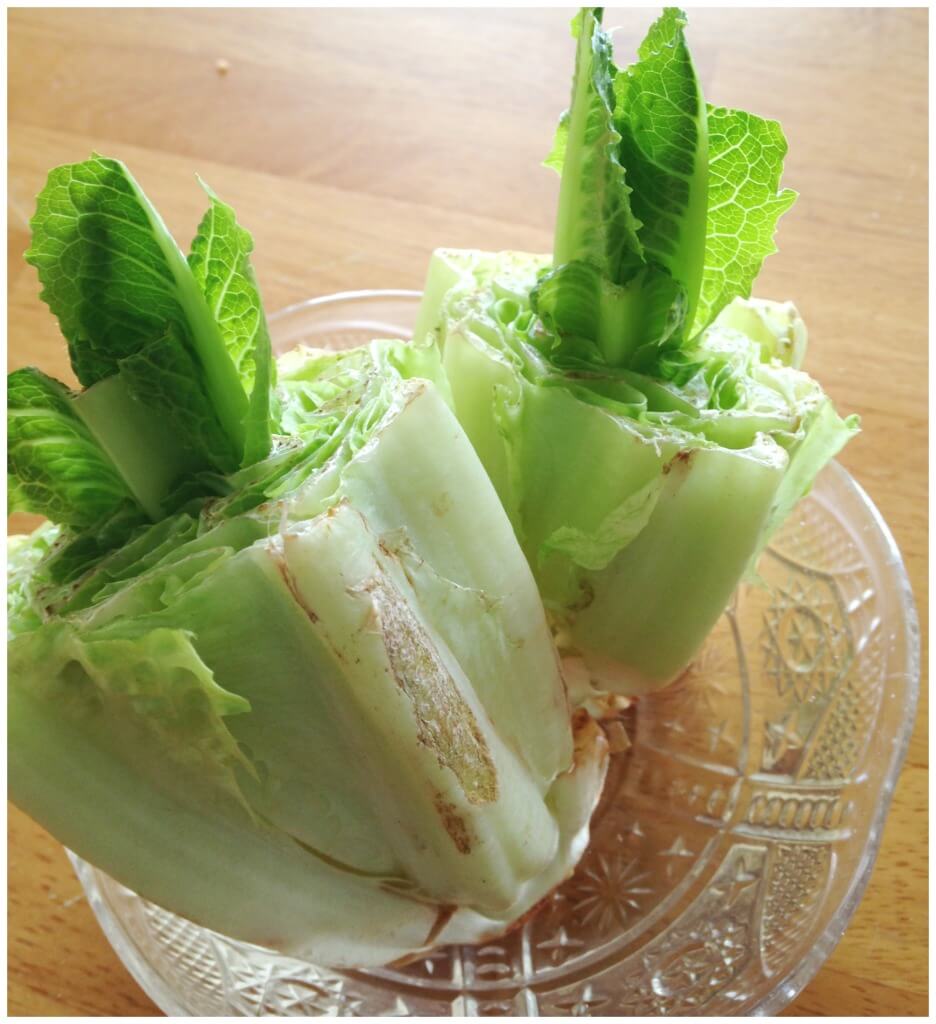
Within a day, we had results. Within a week we had new lettuce leaves and a sandwich worth of lettuce. Make sure to move your lettuce into the sun as well.
Why Does Lettuce Regrow In Water?
Growing lettuce has a bit of science! Lettuce can regrow in water because the plant’s base contains special plant cells, which can divide and become various parts of the plant. When the lettuce stump is placed in water, these cells at the base begin to activate and grow new roots and leaves.
The water is necessary for the plant cells to grow, while the exposure to light enables photosynthesis, which is crucial for the growth of new leaves. This regrowth process is a simple example of how some vegetables can grow from parts of the parent plant without the need for seeds.
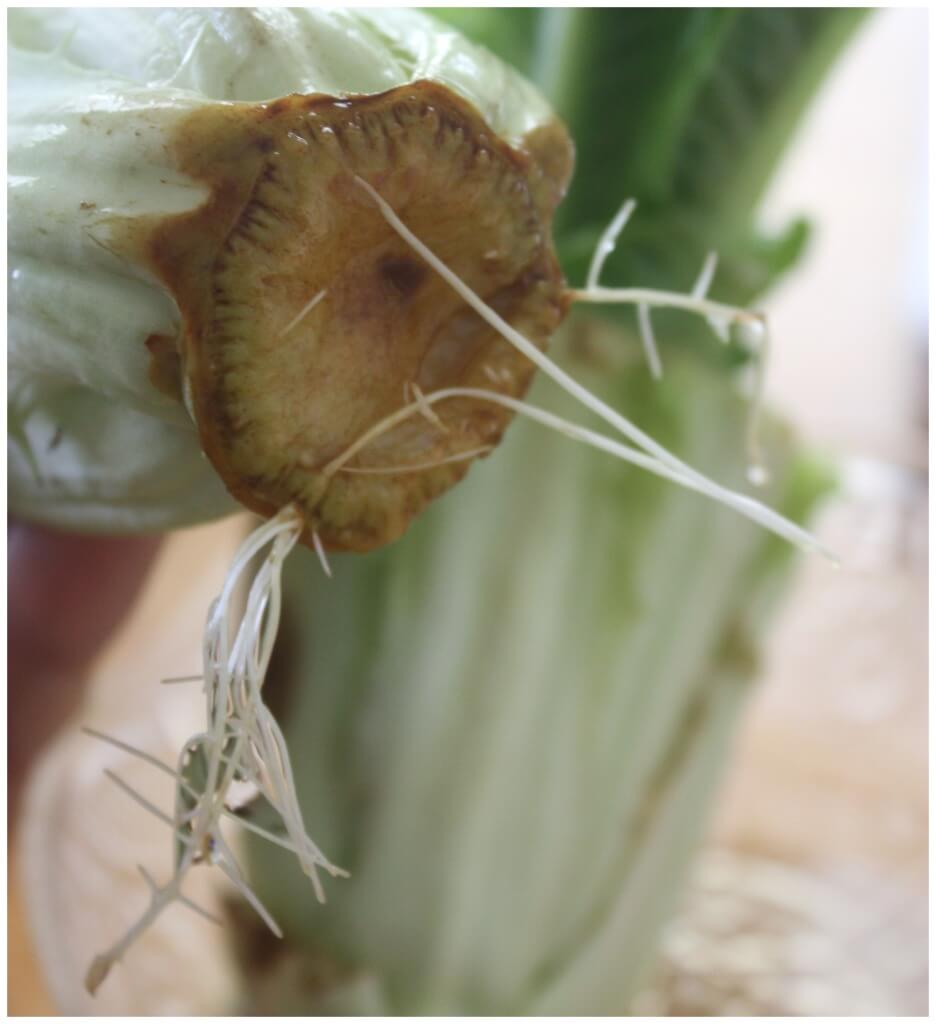
💡 TIP: Make sure to look at the roots growing from the bottom of the lettuce end!
Capillary Action
Capillary action is involved in regrowing lettuce! As the lettuce stem sits in water, the water moves upward through tiny tubes in the plant, called xylem, due to capillary action.
This process helps transport water and nutrients to the upper parts of the lettuce, allowing it to grow. It’s a great way to teach kids how plants absorb and move water!
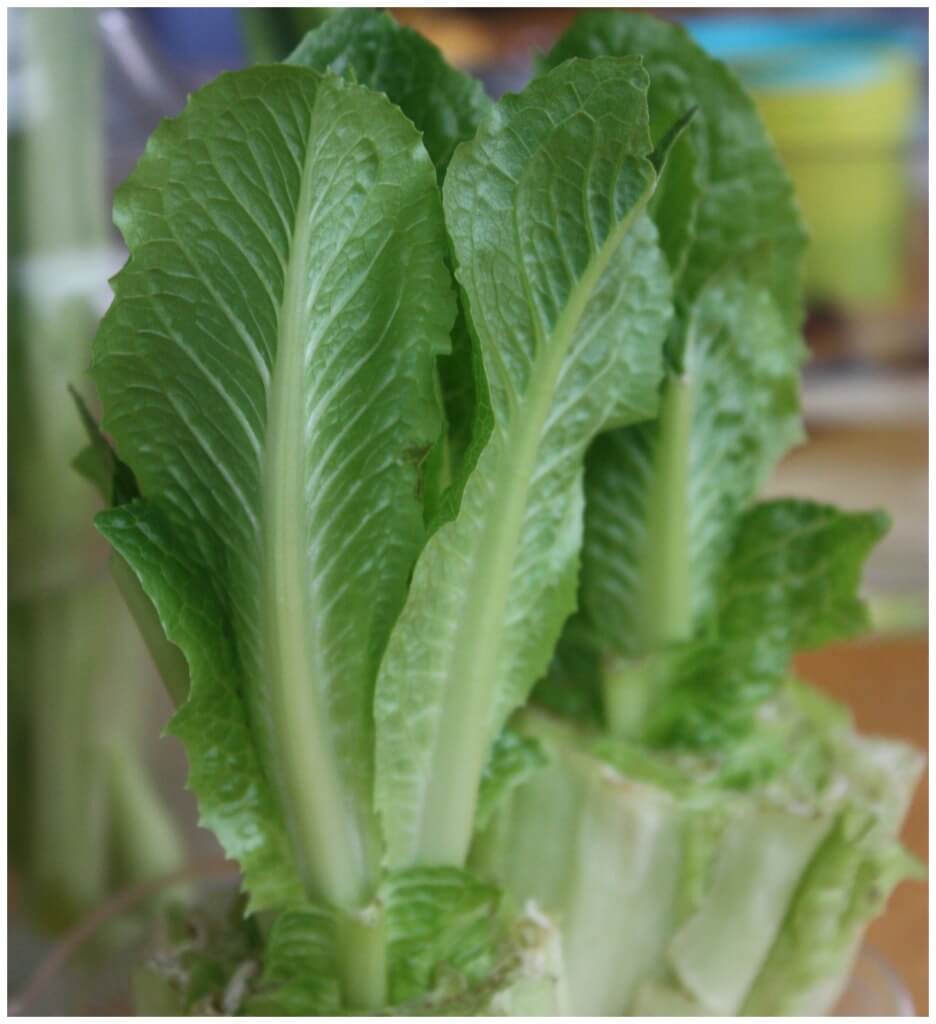
We had some great leaves form, but just a little bit taller than this is where they stopped growing.
Turn It Into An Experiment
Why not apply the scientific method and choose one of the suggestions below to set up an experiment to investigate what makes lettuce regrow faster.
- You could compare lettuce’s regrowth in tap water, distilled water, and water with added nutrients (e.g., a mild fertilizer solution).
- Place the lettuce in different lighting conditions: direct, indirect, and artificial.
- Use different types of lettuce (romaine, iceberg, butterhead) and compare their regrowth rates.
💡 Think about how you will measure your results, such as the number of new leaves, height of growth, and amount of growth over time.
Free Plant Life Cycle Activity [here]

More Fun Things To Grow
- Grass Heads In A Cup
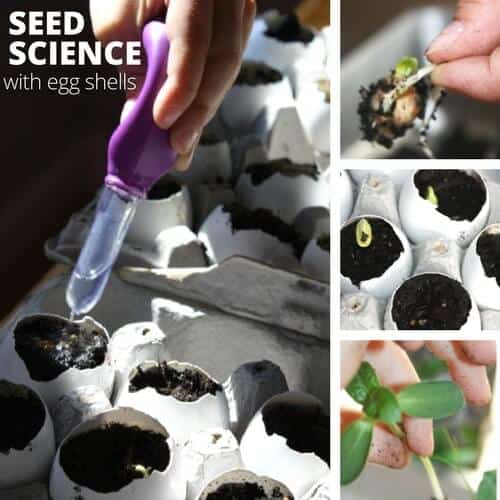
- Grow Plants In Eggshells
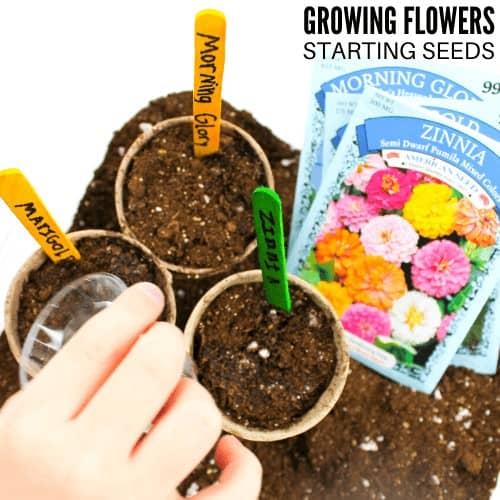
- Easy Flowers To Grow
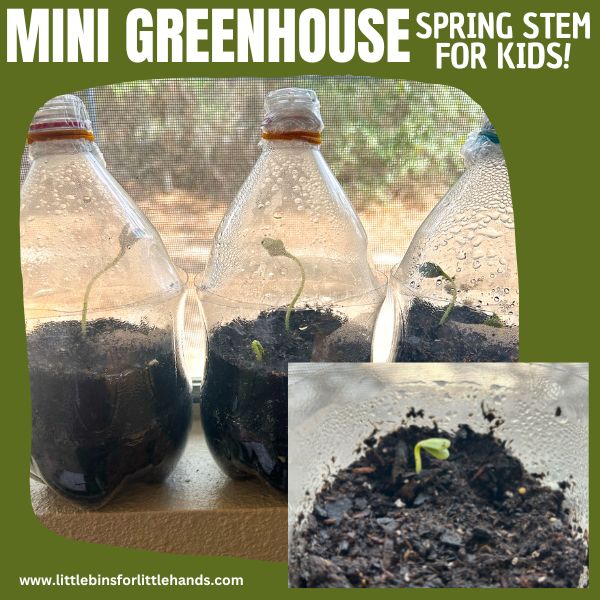
- Mini Greenhouse
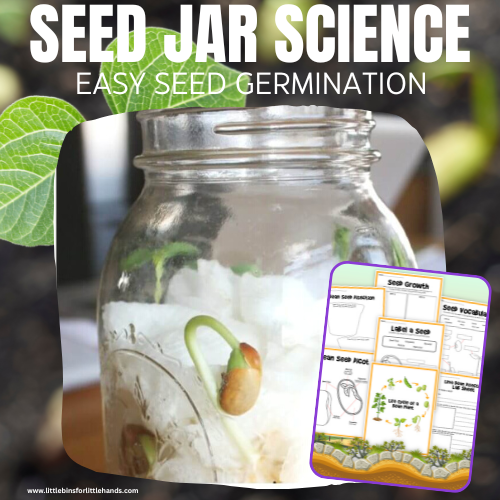
- Germinate Seeds In A Jar
- Bread Mold Experiment


Printable Plant Activities Pack: Explore 20+ Plant Activities for Young Learners! 🌱
Looking for fun and educational plant-themed activities? This comprehensive Plant Activity Pack is perfect for early elementary school grades, providing hands-on learning experiences that fit any skill level! Whether it’s for fall or spring science lessons, these activities are ideal for classroom and at-home learning.
Why You’ll Love It:
- Designed for Early Elementary School (but adaptable to your needs!)
- Easy-to-follow instructions, templates, and images
- Engaging science lessons on plants, leaves, and seeds
- Budget-friendly supplies make it accessible for everyone








SUper cool!
We conducted an experiment using 3 different types of water. Coconut, purified and tap…purified was best! Conducted experiment twice…changed water daily, measured growth daily