
Learning about living and non-living things is an important part of biology because it helps young kids understand the basic building blocks of life and the environment around them. These free printable science worksheets and activities are a great way to teach kindergarten and elementary students how to classify things as living and non-living.

Living vs. Non-Living
Living things are things that are alive. They can grow, move, breath, and need food, water, and air to survive. They can move independently, reproduce, and respond to their environment. Examples include animals, plants, and people.
On the other hand, non-living things are things that are not alive. They do not grow, need food, or move independently. They don’t have life processes like breathing or reproducing. Examples of non-living things are rocks, toys, and water. Understanding the difference helps us see how living things interact with non-living things in the world around us.
Living and Non-Living Things Activities
Grab the printable living and non-living things worksheets below and set up one of these easy activities.
Supplies Needed:
- Scissors
- Glue sticks
- Pencils and crayons
- Worksheets include sorting, scavenger hunts, and drawing activities (see below).
Activity 1: Classify Objects as Non-Living or Living
Purpose: Explain the essential characteristics of living and nonliving things. Living things grow, use energy, and reproduce, while nonliving things do not.
Instructions: Students will cut out the objects from the bottom of the worksheet. They will then decide whether each object is living or non-living and glue them in the correct section of the worksheet.
💡 This activity helps students differentiate between living and non-living objects by analyzing their characteristics.

Activity 2: Living & Non-Living Things Scavenger Hunt
Purpose: Have the kids scavenger hunt to find everyday examples of living and non-living things!
Instructions: Have students search their environment (classroom, playground, or home) for the items listed. Once they find an item, check it off the list.
💡 If you can’t get outside, tape images around the room for kids to find and check off!

Activity 3: Living and Non-Living Things Discussion
Use the printable “All About Living Things” and “All About Non-Living Things” posters as visual aids to discuss the differences between living and non-living things.
💡 Discussion: Engage the students, asking them to give examples of living and non-living things based on what they’ve learned.


Activity 4: Draw Living and Non-Living Things
Provide each student with the drawing worksheet. Students will draw three living and three non-living things in the provided oval. They will label each drawing accordingly.
💡 Make it STEAM! This creative activity allows students to express their understanding through art and reinforces their ability to classify living and non-living things (science).

Further Extension
Here are a few ways to extend the learning:
Recommended Books For K-3
Here are a few age-appropriate books that help reinforce the concept of living and non-living things:
“What’s Alive?” by Kathleen Weidner Zoehfeld – A beautifully illustrated book that explains the characteristics of living things in a way that is easy for K-3 students to understand.
“Living Things or Nonliving?” by Baby Professor is a simple and engaging book that helps young readers differentiate between living and non-living things.
“I Know It Is Living” by Sheila Rivera – This book uses clear photos and simple text to help young children identify living things.
“What Do Living Things Need?” by Elizabeth Austen explores the basic needs of living things, making it perfect for early learners.
Free Printable Living and Non-Living Worksheets

More Plant and Animal Activities
- Build An Animal Crafts
- Plant and Animal Needs
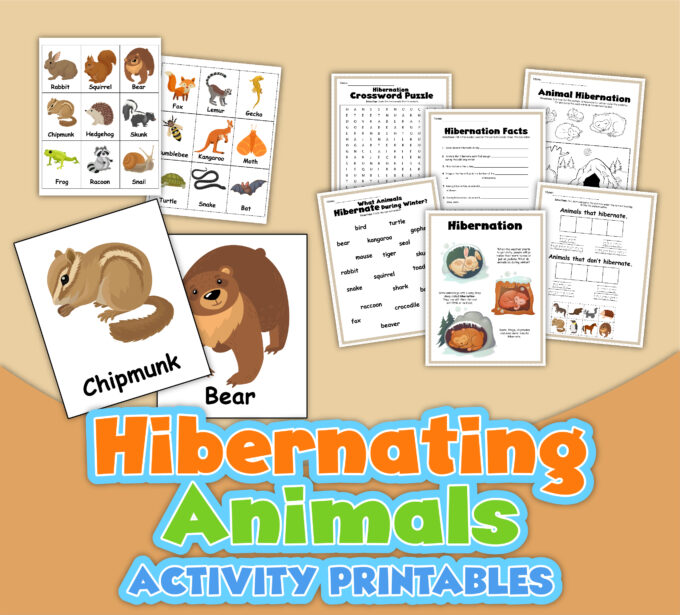
- Hibernating Animals
- Animals of the World
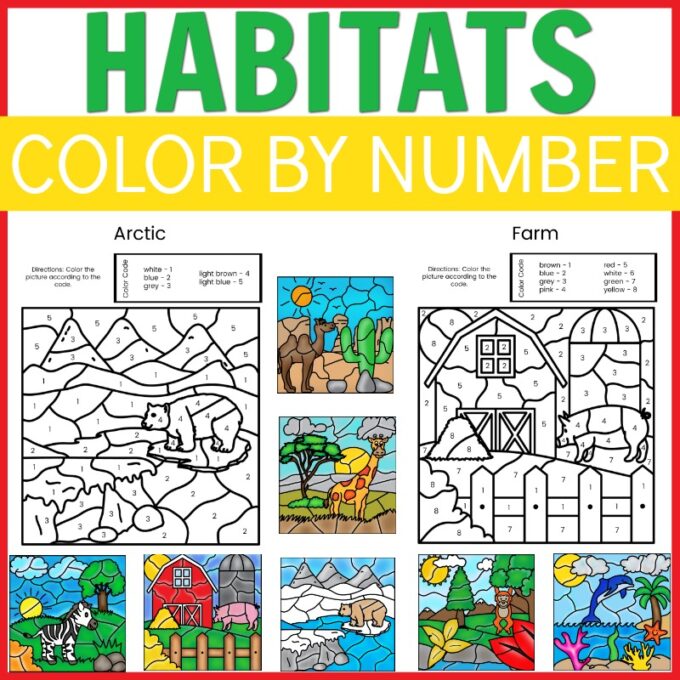
- Habitat Color by Number
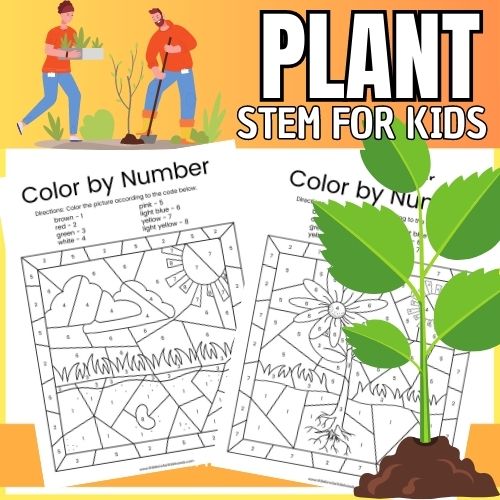
- Plant Color By Number



Printable Animal Classification Pack
Ideal for elementary-aged students, this animal classification activity pack offers a versatile and hands-on approach to learning about animals. Whether in the classroom, at home, or in a club, your students will love diving into the world of animal classification!
What’s Inside:
- Animal Classification Sorting Activity: Sort animals into their correct groups, including mammals, birds, insects, fish, reptiles, and amphibians, to create a colorful and educational poster.
- Animal Information Sheet: Explore quick facts about each animal group, helping students to differentiate between them easily.
- True/False and Fill-in-the-Blank Worksheets: Test and reinforce knowledge with these fun and challenging activities.
- Crossword and Word Search Puzzles: Strengthen animal vocabulary and classification skills through these brain-boosting puzzles.
- Animal Habitat STEAM Project: Encourage creativity and critical thinking as students design and build an animal habitat.
- Animal Vocabulary Sheets: Build and reinforce essential animal-related vocabulary with dedicated worksheets that support language development.