
Can you guess which foods have hidden starches? Use science to uncover the mystery! The iodine starch test is a colorful experiment that will turn your kids into food detectives. Learn about the fascinating chemistry of carbohydrates.

What Is the Iodine Starch Test?
The iodine starch test is a simple yet engaging way to explore the science of carbohydrates. Starch is an essential nutrient and energy source found in many foods. When iodine reacts with starch, it creates a stunning color change—turning dark blue or black. This chemical reaction helps students visualize and understand the role of starch in our diet!
Grade Level Recommendation: This iodine starch test is perfect for grades 3-5, but it can also be adapted for younger students with assistance or extended for older kids by diving deeper into the chemistry of starch.
Iodine Starch Test Supplies:
- Small food samples (e.g., potatoes, bread, apples, cucumbers, cheese, corn)
- Iodine solution (easily found at most pharmacies)
- Q-tips
- Small plates or dishes
- Optional: Free Food Starch Test Worksheet (download below)
How To Use Iodine To Test For Starch
Prepare the food samples: Place small pieces of each food item on plates.

Apply iodine: Dip a Q-tip into the iodine solution and apply a few drops to each food item.
Observe color changes: Watch for dark blue or black reactions—these indicate the presence of starch.

Discuss your findings: Talk about which foods reacted and why starch is important in nutrition.

How Does The Iodine Starch Test Work?
The iodine starch test is a fun and easy way to see if something has starch in it! Starch is a type of carbohydrate, which is like food or fuel that plants make to store energy. It’s found in foods like bread, potatoes, rice, and pasta. It gives us energy when we eat it!
We use iodine to find out if something has starch in it. Iodine is a liquid that usually looks brownish or yellow. But when it touches starch, it changes color!
When it’s added to food, it acts as an indicator, which means it can show us if starch is present by changing color. When iodine touches starch, it fits into the structure of the starch molecules. This causes a chemical reaction that makes the iodine turn from brownish-yellow to blue-black or dark purple.
When you put a few drops of iodine on something that has starch, the iodine turns blue-black or dark purple. If the food doesn’t have starch, the iodine will stay the same brownish color.
This test helps scientists—and you—figure out what plants and foods have stored energy in the form of starch! Foods like bread, potatoes, and rice are high in starch and will show a vivid reaction, while non-starchy foods like apples or cucumbers won’t change color.
Extension Activities
- Compare starch levels: Use different types of bread (whole wheat vs. white) to see if there’s a difference in the starch reaction.
- Cooked vs. raw: Test cooked potatoes vs. raw potatoes to explore how cooking impacts starch.
- Food label investigation: Compare food labels of tested items to see how starch content is listed.
- DIY starch test kit: Create small kits for kids to test starch at home with family!
Free Printable Food Starch Test Worksheet
Download our Food Starch Test Worksheet to document your observations, answer reflection questions, and dive deeper into the science of starch!
Related Food Science Activities For Kids
💡 Explore more food science-related activities and make your own starch to test!
- Density Tower Experiment: Learn how different liquids interact in this colorful experiment!
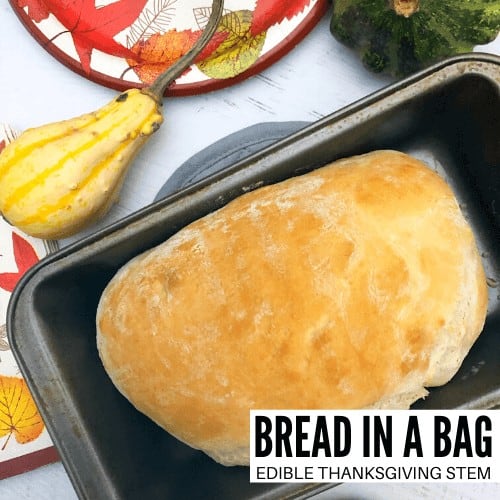
- Making Bread in a Bag: Learn about the science of yeast and how starches in flour are transformed during bread-making in this hands-on culinary experiment.
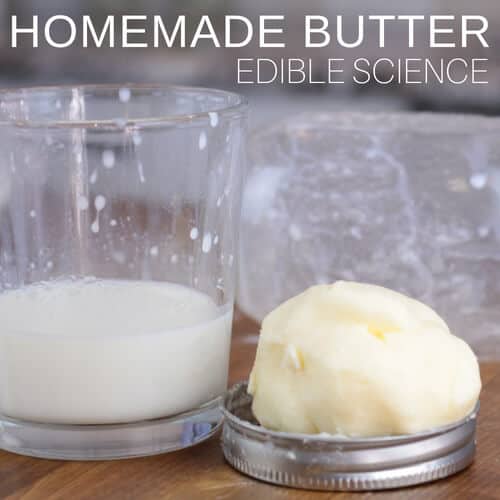
- Homemade Butter Science: Shake up some heavy cream to explore physical changes and discover how butter is made, just like in the old days!
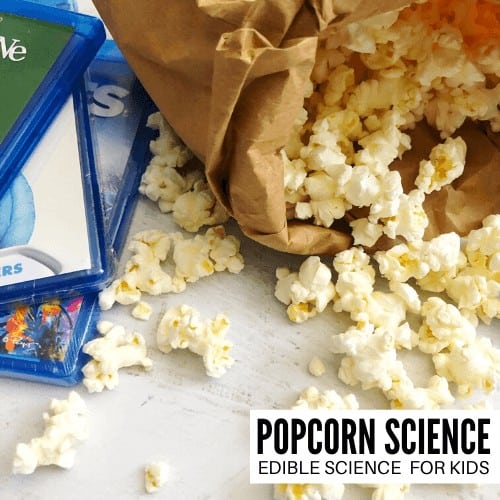
- Popcorn Science: Investigate how heat transforms a tiny kernel into a fluffy treat and uncover the science behind this tasty snack.
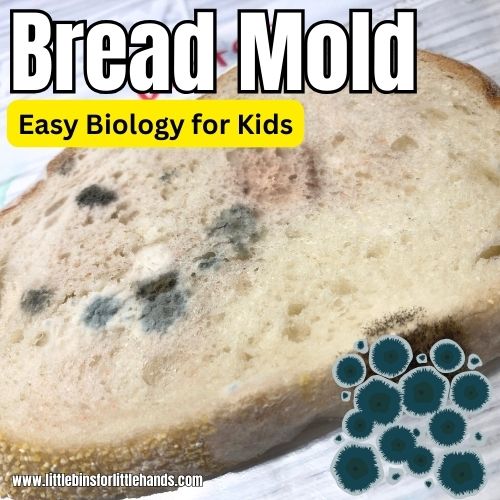
- Bread Mold Experiment: Observe how mold grows on bread over time and explore what environmental factors (like moisture and temperature) speed up or slow down the process.

Explore More Kitchen Chemistry
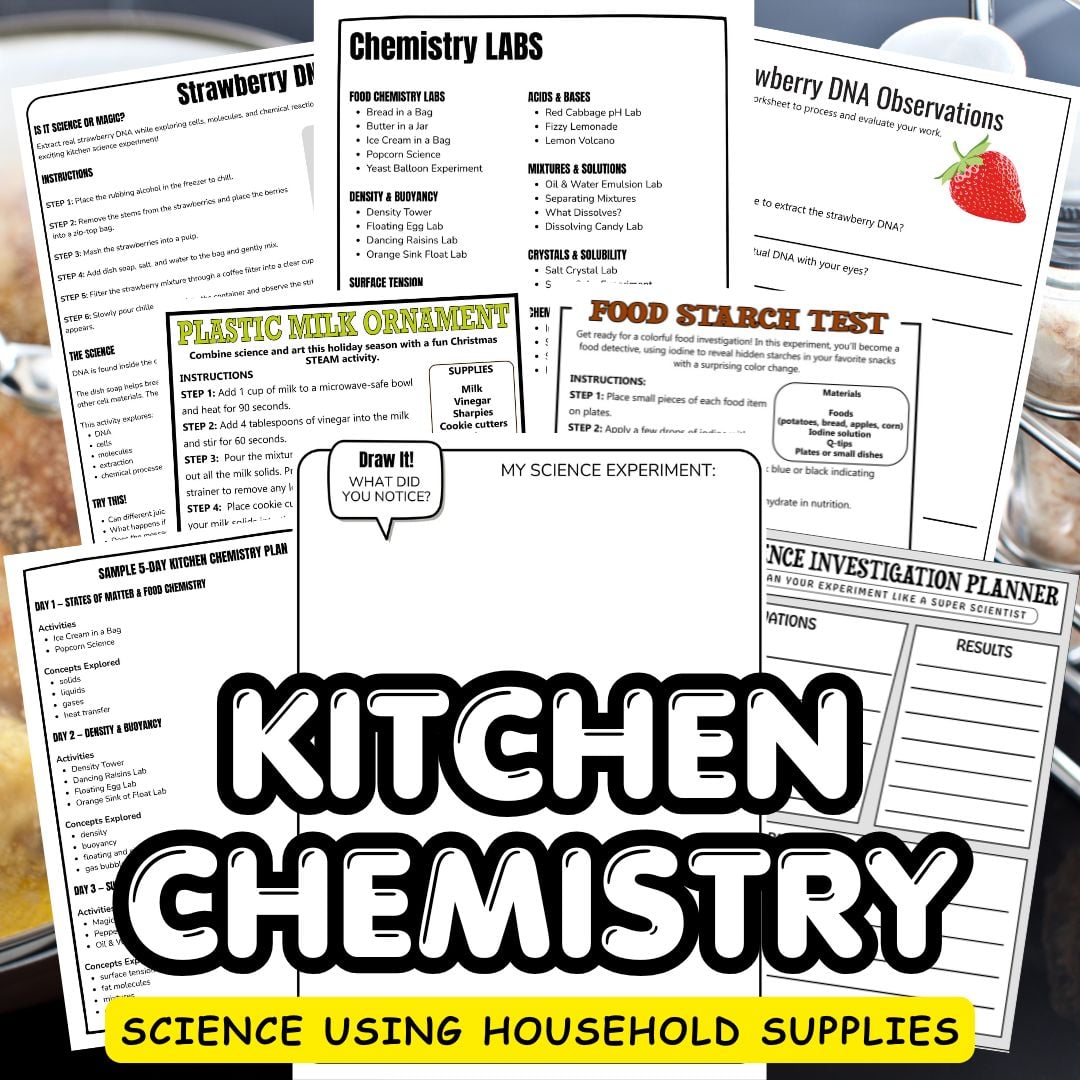
Continue the fun with our Kitchen Chemistry Pack featuring printable experiments, reusable investigation pages, science explanations, and easy hands-on activities using everyday kitchen supplies.
Perfect for home or classroom science with activities focused on:
reactions, mixtures, crystals, surface tension, polymers, and color-changing chemistry.