Looking for a fun fall science experiment that combines colorful liquids and seasonal objects? Create a cider vinegar fall density column and explore the science behind why some objects float while others sink!

What is Density?
Density measures how much “stuff” is packed into a specific space (mass per volume). When different liquids are layered based on their densities, they create a beautiful tower where heavier liquids settle at the bottom, and lighter ones rise to the top. In this experiment, we’ll use fall-themed liquids and objects to explore how density determines whether things float or sink.
💡 View more density experiments here.
Density Column Experiment
This fall-themed cider vinegar density tower is a fantastic way to visually demonstrate the concepts of density and buoyancy while keeping kids engaged with hands-on science!
Whether you’re testing more objects or adding extra layers, this experiment offers endless learning opportunities for young scientists to explore chemistry and physics.
Grade Level Recommendation: This experiment is suitable for 3rd to 5th grades.
Supplies Needed:
- Clear container (tall and narrow)
- Cider vinegar (brown or amber for a fall theme)
- Syrup (corn syrup or maple syrup)
- Vegetable or olive oil
- Small fall-themed solid objects (e.g., candy pumpkins, acorns, small beads, etc.)
- Food coloring (optional to add contrast)
- Spoon, turkey baster, or pipette
- Measuring cups
- Paper and pencil for observations
How to Create a Fall Density Tower
Prepare the Materials: Line up your liquids according to density (syrup, vinegar, oil). If needed, use food coloring to differentiate the layers more clearly. Gather your fall-themed objects and prepare the workspace.

Layer the Liquids:
Start with the syrup. Slowly pour the syrup into the bottom of the container. This is the densest liquid, and it will settle at the bottom.

Next, add the cider vinegar. Pour it slowly over the back of a spoon to prevent it from mixing with the syrup. The spoon helps distribute the liquid gently into the container without disturbing the syrup layer.

Then, add the oil. Repeat the process with the vegetable oil. Gently pour it over the back of the spoon, or use a turkey baster to avoid mixing it with the vinegar. The oil will float because it’s the least dense of the three liquids.

Tip: Take your time pouring each liquid. If you pour too quickly, the layers may mix, making it harder to see the distinct layers.
Drop Solid Objects: Drop small fall-themed objects, like candy pumpkins, pinecones, or acorns, into the container one at a time. Watch where each object settles. The denser objects will sink lower, while less dense ones will float in the upper layers.
Tips for Success:
- Use a Spoon or Baster: Pour the liquids slowly over the back of a spoon to prevent them from mixing. A turkey baster or pipette is a great tool for more controlled pouring.
- Let the Layers Settle: After pouring each liquid, let it settle before adding the next layer to separate them.
- Chill the Liquids: To achieve even more separation, chill thicker liquids like syrup. Cold liquids are often more viscous and less likely to mix. Learn more about viscosity [here].

The Science Behind the Density Tower
Density is the mass packed into a given volume. The syrup has the highest density in this experiment, so it stays at the bottom. The vinegar, with medium density, rests in the middle, while the oil, the least dense, floats at the top.
👉 Read more about density [here].
Why Don’t the Liquids Mix?
Liquids with different densities tend to stay separate because of their molecular structure. Additionally, some liquids, like oil and vinegar, are immiscible, meaning they don’t mix easily. This keeps your tower layers distinct.
👉 Read more about why oil and water don’t mix [here]
How Objects Float or Sink
Buoyancy is key in understanding why solid objects float or sink in the density tower. Buoyancy is the upward force exerted by a fluid (in this case, the liquids in your tower) that opposes the weight of an object submerged. Whether an object floats or sinks depends on its density compared to the density of the liquid it is in.
Extension Activities
Weigh the Liquids: Before layering the liquids, use a kitchen scale to weigh equal amounts of each. Discuss how the liquids’ weights relate to their density.
Test More Objects: Gather small objects with different densities, like buttons, coins, or popcorn kernels, and predict where they will float or sink in the tower.
Add More Layers: Add liquids to your density tower, such as water, honey, dish soap, baby oil, lamp oil, light corn syrup, or rubbing alcohol. Each new layer brings a new challenge for predicting where objects will settle.
Hypothesize and Test: Ask students to form hypotheses about why some objects float in certain layers and not others. Let them test different objects in each layer and record their results.
💡This is an excellent opportunity to apply the scientific method and explore variables in science.
More Buoyancy and Density Activities
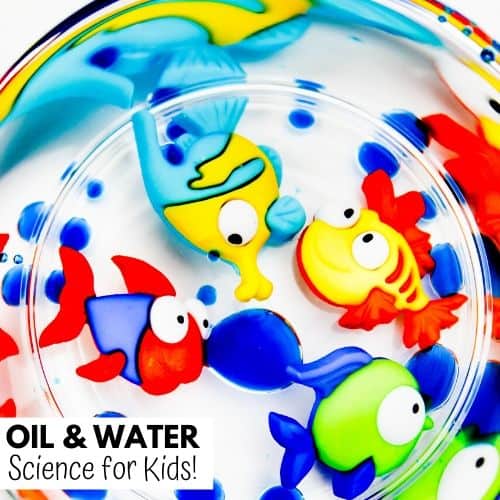
- Oil and Water Experiment: Explore why oil and water don’t mix with this fun and colorful activity.
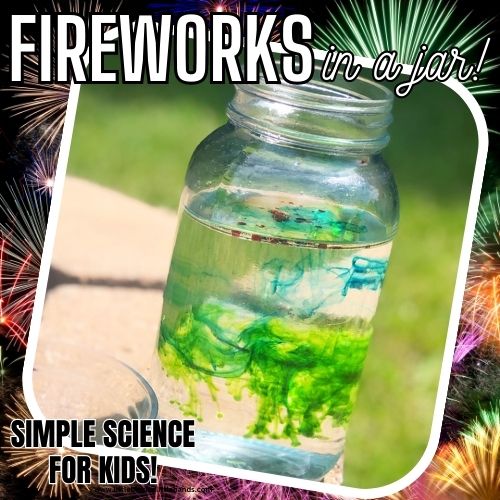
- Fireworks in a Jar: Create beautiful bursts of color while learning about density and liquid interaction.
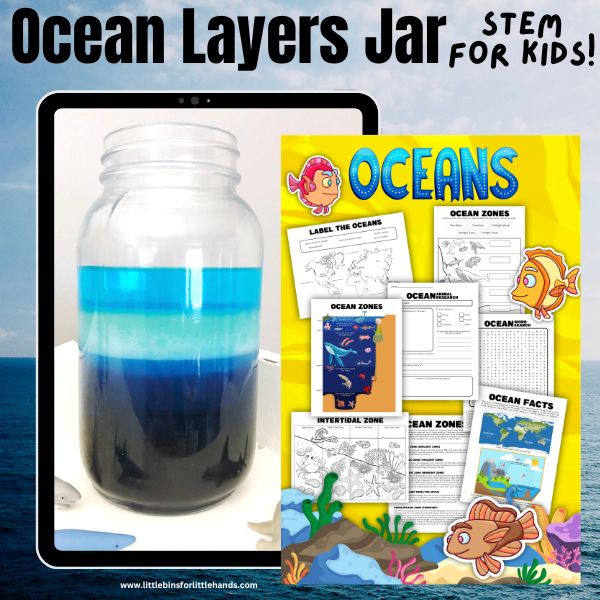
- Layers of the Ocean Density Column: Use liquids of different densities to create an ocean layer model.
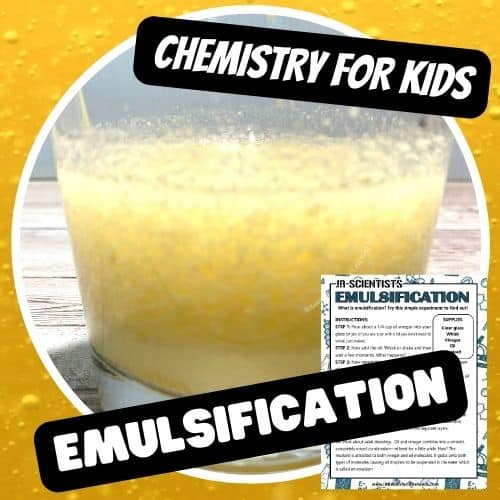
- Make Salad Dressing: Learn about emulsion and dress your salad!
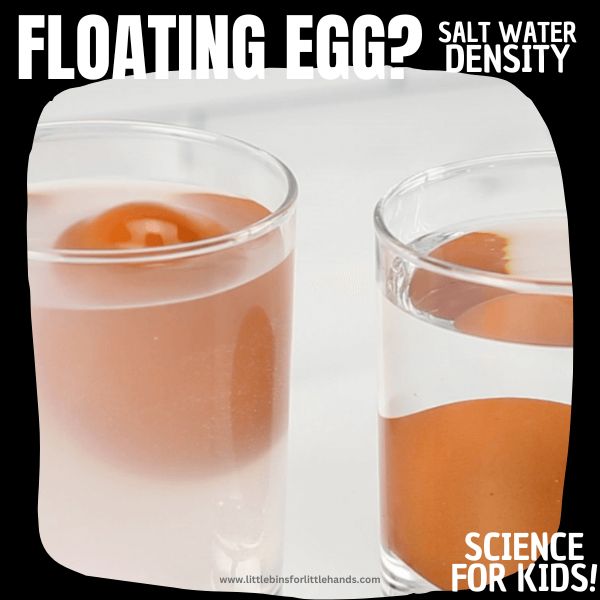
- Make an Egg Float Experiment: Explore saltwater density and see if you can float an egg.
Printable Science Projects For Kids
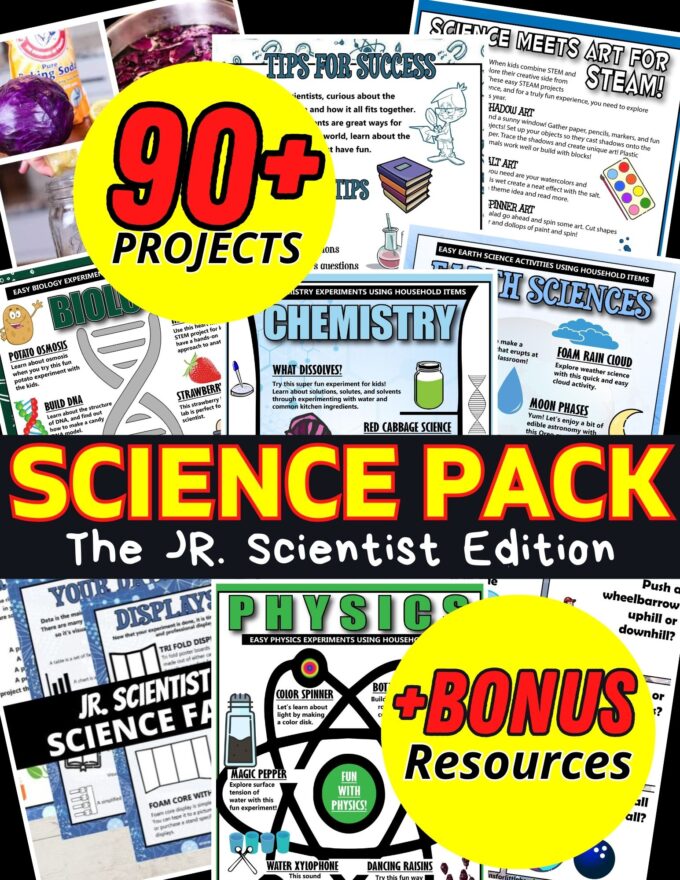
If you’re looking to grab all of our printable science projects in one convenient place, plus exclusive worksheets and bonuses like a STEAM Project pack, our Science Project Pack is what you need! Over 300+ Pages!
- Bonus Quick Grab Packs for Biology, Earth Science, Chemistry, and Physics
- 90+ classic science activities with journal pages, supply lists, set up and process, and science information. NEW! Activity-specific observation pages!
- Best science practices posters and our original science method process folders for extra alternatives!
- Be a Collector activities pack introduces kids to the world of making collections through the eyes of a scientist. What will they collect first?
- Know the Words Science vocabulary pack includes flashcards, crosswords, and word searches that illuminate keywords in the experiments!
- My science journal writing prompts explore what it means to be a scientist!
- Bonus STEAM Project Pack: Art meets science with doable projects!