
Flowers are full of beautiful patterns! From evenly spaced petals to spirals and repeating shapes, flowers are a great way for kids to explore patterns in nature.
In this activity, kids will observe flowers, identify repeating patterns, and create their own pattern-inspired designs.
👉 Pair this with your Day 5: Pattern & Design lesson for a complete activity, or look through more flower STEAM projects here.
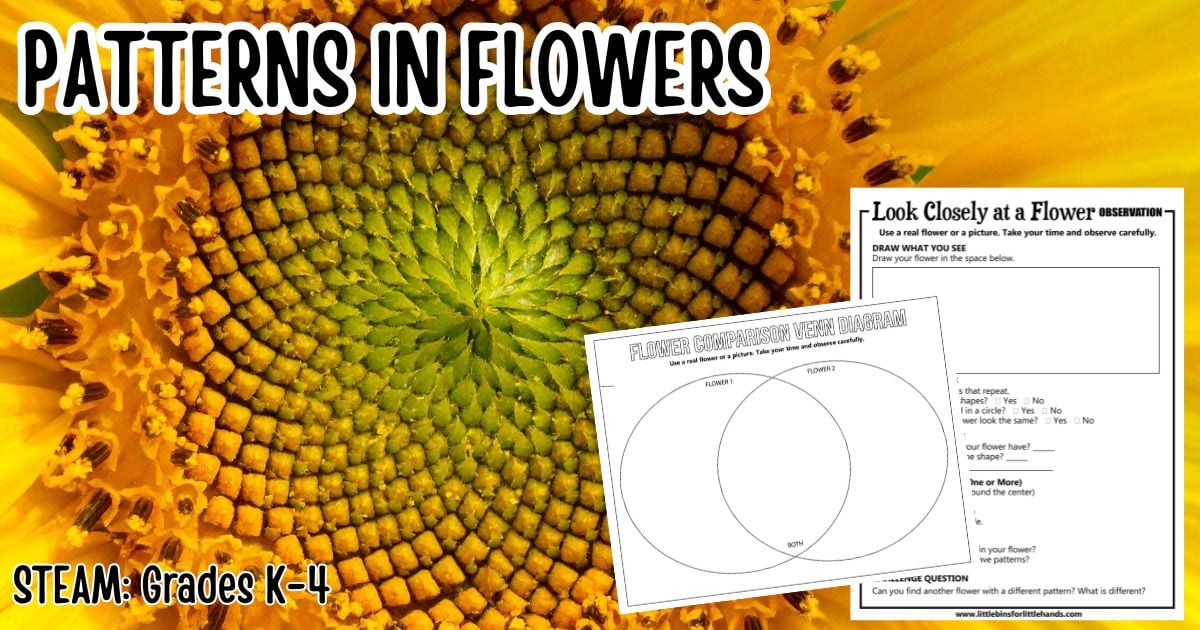
Patterns in Flowers for Kids
Field: Biology—Plant Science
Grades: K–4
Concepts: Patterns in nature, symmetry, repetition, observation
Flowers grow in patterns that help them:
- attract pollinators
- grow efficiently
- organize petals and seeds
When observing flowers, kids may notice:
- repeating shapes
- symmetry
- circular (radial) patterns
- spiral patterns
Hands-On Activity: Explore Patterns in Flowers
Supplies
- Real flowers or printed images
- Paper
- Markers, crayons, or paint
Instructions
- Observe a flower closely
- Identify repeating shapes or patterns
- Count the number of petals
- Notice how the petals are arranged
- Draw the flower and highlight the pattern
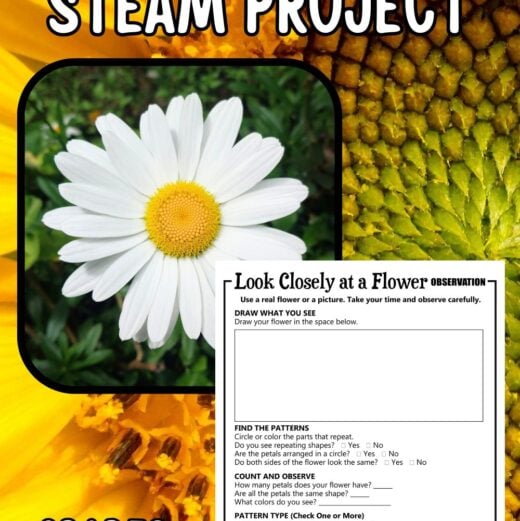
Free Flower Pattern Observation Worksheet
Make this activity easy with a ready-to-use printable.
👉 Download your free Flower Pattern Observation Worksheet
Students will:
- Draw a flower
- Identify repeating shapes
- Explore symmetry
- Answer observation questions
Types of Patterns in Flowers
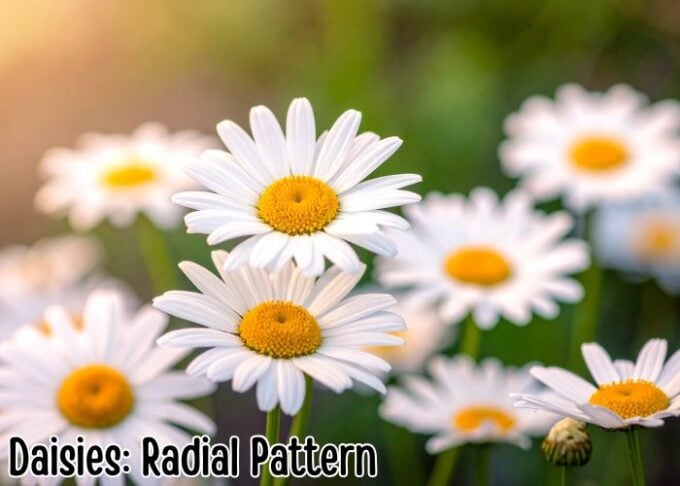
Radial Patterns (Circle Patterns)
Many flowers have petals arranged evenly around a center point.
👉 Look for petals spaced in a circle
Examples: daisies, sunflowers, marigolds, black-eyed susans
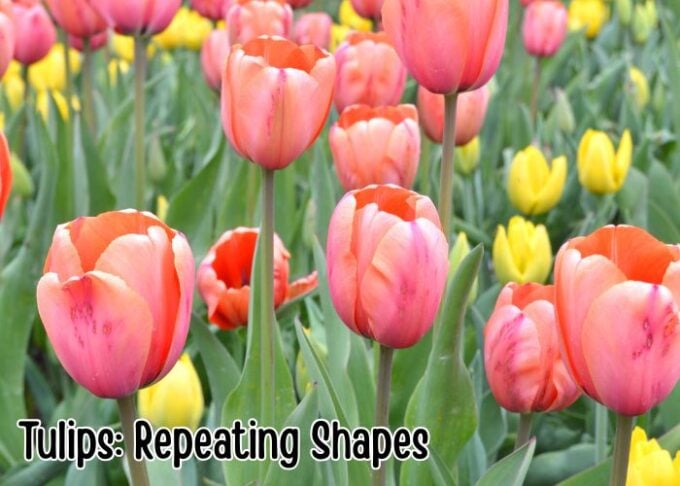
Repeating Shapes
Some flowers repeat the same petal shape multiple times.
👉 Look for matching shapes
Examples: tulips, lilies, orchids, daffodils
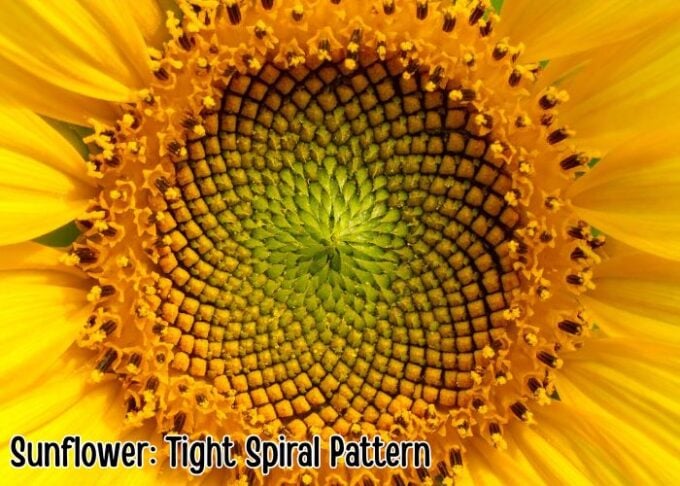
Spiral or Layered Patterns
Some flowers grow outward in layers or spirals.
👉 Look for shapes that wrap or build outward
Examples: roses, zinnias, sunflowers, dahlias
Patterns in Petal Numbers
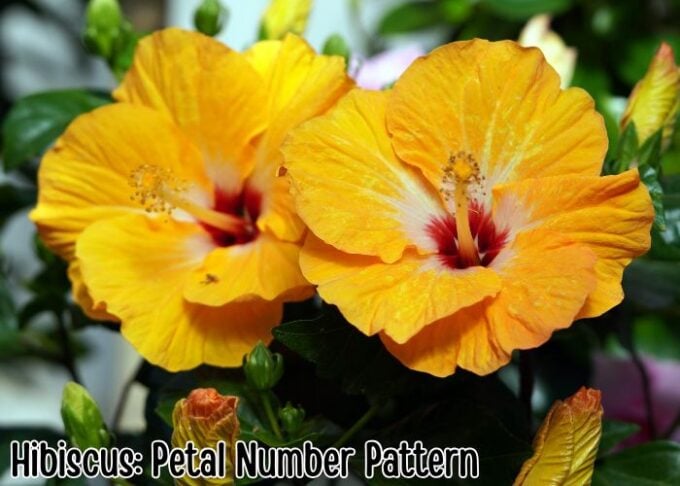
Did you know that many flowers have a specific number of petals that repeat? Some flowers often grow with the same number of petals each time. This is another type of pattern you can observe!
Examples:
- Hibiscus flowers often have 5 petals
- Buttercups often have 5 petals
- Some lilies have 3 or 6 petals
Try This
Count the number of petals on your flower.
- Do all the petals match?
- Does the number stay the same on similar flowers?
👉 Look for flowers with 3, 4, 5, or more petals
Why This Matters
Petal numbers can follow patterns that help flowers grow in a balanced way and attract pollinators.
🌻 Did You Know?
Some flowers, like sunflowers, have spiral patterns in their centers that follow a special number pattern found in nature.
These spirals help pack seeds efficiently and create the patterns you see.
👉 Want to explore this more? Try a simple Fibonacci spiral activity.
Art Connection (Inspired by Alma Thomas)
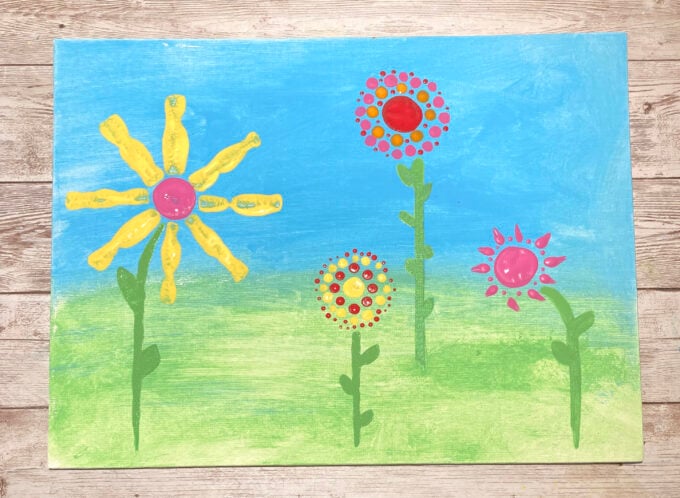
Create a pattern-based flower artwork using simple techniques:
- use repeated dots or brushstrokes
- build patterns with color and shape
- create circular or radial designs
👉 Try an Alma Thomas-inspired flower pattern project
Observation Questions
- What patterns do you see?
- Are the petals evenly arranged?
- Do shapes repeat?
- Does the flower look the same from different angles?
Make It a Science Project
Extend the activity:
- Compare different flowers
- Count and compare petals
- Look for symmetry
- Find a flower with a spiral pattern
👉 Record and discuss results
Extend the Learning
- Flower lesson plan (Day 5: Pattern & Design)
- Pollination experiment
- Flower life cycle activities
- Directed drawing of flowers
- Spring science activities
- Flower Projects for STEAM
Flower Patterns FAQ
What are patterns in flowers?
Patterns in flowers are repeating shapes or arrangements, like petals in a circle or spiral designs.
Why do flowers have patterns?
Patterns help flowers grow and attract pollinators.
What age group is this for?
Kindergarten through upper elementary.
Flower STEAM Unit
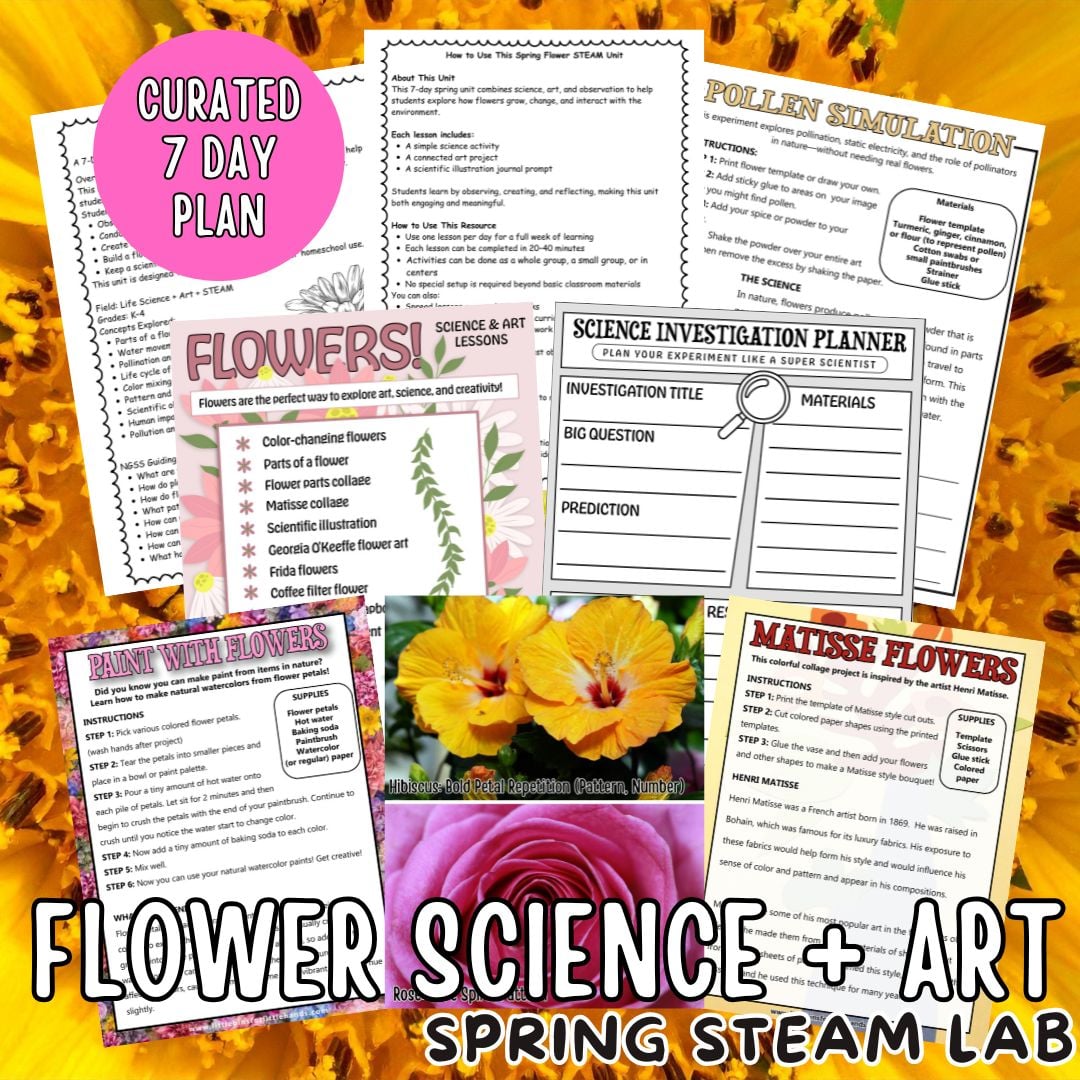
If you want everything organized and ready to go, check out our Spring Flower STEAM Unit. It includes 7 complete lessons, guided journal prompts, print-and-go worksheets, famous artist flower projects, and environmental science connections.
👉 Take a closer look here